REVIEW · NEW DELHI
Old Delhi: Street Food Tour with Optional vehicle
Book on GetYourGuide →Operated by India Tour Solution - ITS · Bookable on GetYourGuide
Old Delhi at street level is loud, fragrant, and full of small decisions. This tour turns that chaos into a 3.5–4 hour food-and-culture route with smart stops, a temple pause, and classic Indian chai built in. I really like how the day is mapped around food you’d struggle to find on your own, and how the guide-led pacing keeps you moving without feeling rushed. One drawback: you’ll be walking through tight lanes, so if you’re dealing with mobility limits, you should think twice and confirm what will work for you.
You’ll start in Chandni Chowk, hit major food streets like Paranthe Wali Gali and Khari Baoli, then swing toward Mughlai classics and finish with Old Delhi sweets. You also get an optional vehicle option, which helps if you’re arriving from farther out in Delhi NCR. Plan for your shoes to do the heavy lifting, because this is not a sit-and-snack kind of tour.
In This Review
- Key Points That Make This Tour Worth Your Time
- Chandni Chowk Morning: Paranthe Wali Gali and Bedmi Puri Power
- Khari Baoli Spice Market: The Smell-Guided Snack Advantage
- Jama Masjid to Karim’s: Big Landmark, Then Mughlai Comfort Food
- Aslam Chicken Corner and Nihari Wale: Where the Route Gets Serious
- Evening Chandni Chowk Sweets: Kulfi, Jalebi, Rabri, and Winter Daulat Ki Chaat
- Nighttime Reset at a Peaceful Temple
- Getting Around: Metro, Tuk-Tuk, and Optional Private Car
- Price and Logistics: $15 for Food Stops That Actually Add Up
- Who This Tour Suits Best (and Who Should Skip It)
- Should You Book This Old Delhi Street Food Tour?
- FAQ
- How long is the Old Delhi street food tour?
- What does the $15 price include?
- Do you offer pickup and drop-off?
- Are the meals vegetarian?
- What language is the guide?
- Do we skip the line?
- Is it wheelchair accessible?
Key Points That Make This Tour Worth Your Time
- Paranthe Wali Gali breakfast stops give you a fast hit of stuffed parathas you can’t easily replicate.
- Khari Baoli spice market walking helps you understand what you’re actually tasting, not just what it looks like.
- Mughlai food variety in the same route moves from street snacks to meat dishes like kebabs, butter chicken, and nihari.
- Chai and sweets are scheduled, not left to chance, including kulfi and Old Delhi classics like jalebi and rabri.
- A peaceful temple at night gives your stomach (and brain) a reset after the busiest lanes.
- Optional car pickup can reduce the friction of getting around Delhi NCR before you start tasting.
Chandni Chowk Morning: Paranthe Wali Gali and Bedmi Puri Power

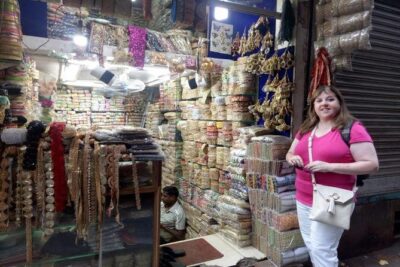
I like that this tour gets you into Chandni Chowk early, when the lanes are waking up but still manageable on foot. The atmosphere is all spices, sizzling stalls, and that quick rhythm where you need a plan more than you need a map.
Your first big hit is Paranthe Wali Gali, famous for century-old shops that specialize in stuffed parathas. You’re not looking at a menu wall and hoping for the best. You’re tasting a range like potato, paneer, and mixed vegetable versions—exactly the kind of variety that helps you learn what “good” feels like here.
Then it’s breakfast fuel that goes beyond paratha. You’ll stop at Shiv Mishthan Bhandar for bedmi puri and aloo sabzi, a classic Delhi combo that’s simple on paper and satisfying in real life. This is the point where the tour earns its keep: it’s not only about sampling lots of things, it’s about building toward a meal-style experience.
Practical note: Old Delhi mornings can be cool enough to feel comfortable, but once you’re walking, you’ll warm up fast. Wear something you can move in, and keep water in your mental plan even though bottled water is part of the tour.
You can also read our reviews of more food & drink experiences in New Delhi


Khari Baoli Spice Market: The Smell-Guided Snack Advantage
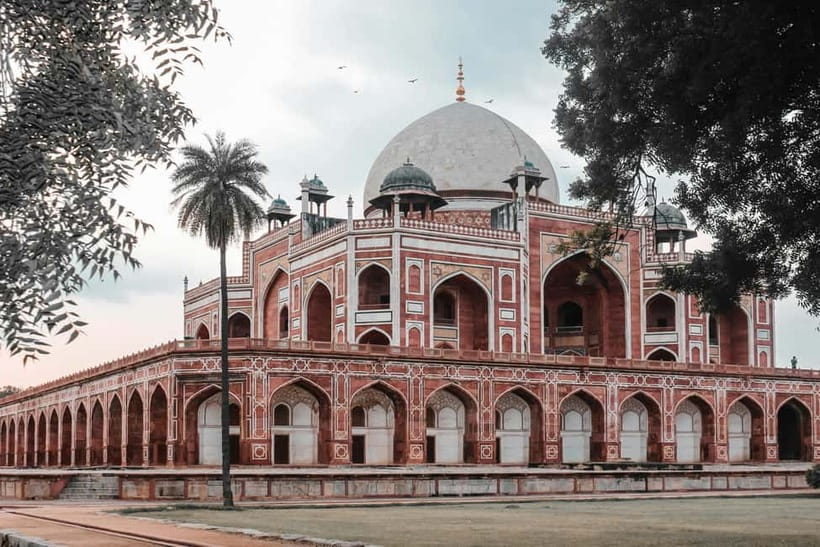
After breakfast, the route pushes you into Khari Baoli, known as Asia’s largest spice market. Even if you’re not a spice nerd (I’m not always), you’ll feel the difference between smelling spices in a shop and seeing them piled in bulk like this.
This stop matters because it gives context. When you later taste street snacks like kachoris and samosas, you understand the flavor direction—warm spices, fried textures, and sauces that hit different depending on how fresh the spice blend is. You’ll also see those vibrant piles of powder colors that look almost unreal until you realize how much gets used.
The tour pacing helps here. Instead of wandering and guessing which stall is best, you’re snacking at carefully selected stops, so the trip stays fun instead of turning into a negotiation with your own uncertainty. If you’ve ever felt annoyed by “tourist food walks” that are mostly just photos—this one generally avoids that.
Jama Masjid to Karim’s: Big Landmark, Then Mughlai Comfort Food
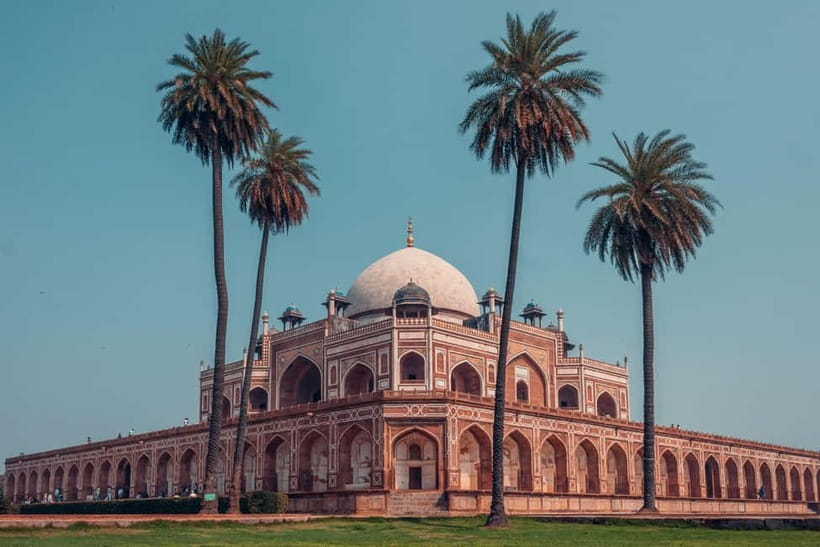
Next comes a major shift from snack chaos to landmark scale. You’ll visit Jama Masjid, and you get the chance to take in the architecture and the landmark’s place in Delhi’s story. It’s a good change of pace, because your feet need a breather and your brain needs something other than fried food.
What I like is what happens next: you move from the mosque area into an iconic Mughlai meal at Karim’s. This is where the tour stops treating food as random bites and starts treating it like a full culinary day. You’ll be tasting meat dishes such as melt-in-the-mouth kebabs, mutton korma, and biryani.
One consideration for you: this part of the experience includes carnivorous options. If you’re strongly vegetarian, you can still enjoy the street-snack and chai moments, but you should be aware that the route includes non-veg restaurants. The tour description is friendly to veg eaters in the morning, yet it’s not strictly vegetarian across the whole loop.
Also, expect crowds around major landmarks. The tour notes skip-the-line via a separate entrance, which is a real time-saver in places like this.
Aslam Chicken Corner and Nihari Wale: Where the Route Gets Serious
Mid-to-late tour energy is where Old Delhi can make or break you. This tour handles it by shifting you into comfort-food territory with butter chicken, seekh kebabs, chicken korma, and nihari.
At Aslam Chicken Corner, you’re tasting bold, saucy classics like butter chicken and seekh kebabs, plus aromatic chicken korma. The point here isn’t subtlety. It’s the kind of food that hits deep and warm, especially after you’ve been walking and snacking for hours.
Then you switch gears again to slow-cooked, spoon-worthy goodness at Haji Shabrati Nihariwale, where nihari is the star. Nihari is the kind of dish that tastes like it took its time—and it shows. If you’re the type who thinks you’re “only here for snacks,” this stop quietly argues otherwise.
If you’re sensitive to spice or heavy flavors, you should tell your guide early. The tour includes an English-speaking local guide, and guides like Riyaz and Mohammad are described as welcoming and attentive—exactly the kind of people who can steer you toward what feels right for your stomach.
Evening Chandni Chowk Sweets: Kulfi, Jalebi, Rabri, and Winter Daulat Ki Chaat

The best part about Old Delhi at night is that it turns more cinematic. Your eyes get used to the lights, your senses slow down a notch, and you can actually enjoy the textures instead of constantly navigating.
You’ll head back to Paranthe Wali Gali in the evening for a different vibe—illuminated lanes and more varieties of stuffed parathas. This matters because it avoids the common mistake of “one-and-done” food streets. You experience the area as a place that changes through the day.
Then the tour leans hard into sweets. You’ll visit Kuremal Mohan Lal Kulfi Wale, where the highlight is stuffed kulfi—a twist on the usual frozen treat that feels like a proper dessert move, not just a snack.
After that, it’s a tour of Old Delhi classics: jalebi, rabri, and gulab jamun. These are familiar names, but the difference here is that you’re tasting them in the neighborhoods where they’re made and sold daily.
Finally, you may get Daulat Ki Chaat at Kinari Bazaar, one of those desserts that’s tied to season. The tour notes it’s mainly available in the winter months, so if you’re traveling outside that window, you might not see it on the menu. Still, the rest of the sweet lineup usually covers the same craving: creamy, syrupy, and deeply local.
You can also read our reviews of more tours and experiences in New Delhi





Nighttime Reset at a Peaceful Temple
One of the tour’s smarter touches is the quieter slot: a peaceful temple at night. After street food intensity and crowds, this stop gives you a calm pause. It also changes the rhythm of the trip so you’re not just walking from one bite to the next.
This isn’t the kind of cultural stop that feels like homework. It’s more like a breather—hands washing, lighting, soft footsteps, and the feeling that Delhi has more than one mood. If you’ve been in big cities where everything is always “on,” this contrast is genuinely helpful.
Getting Around: Metro, Tuk-Tuk, and Optional Private Car
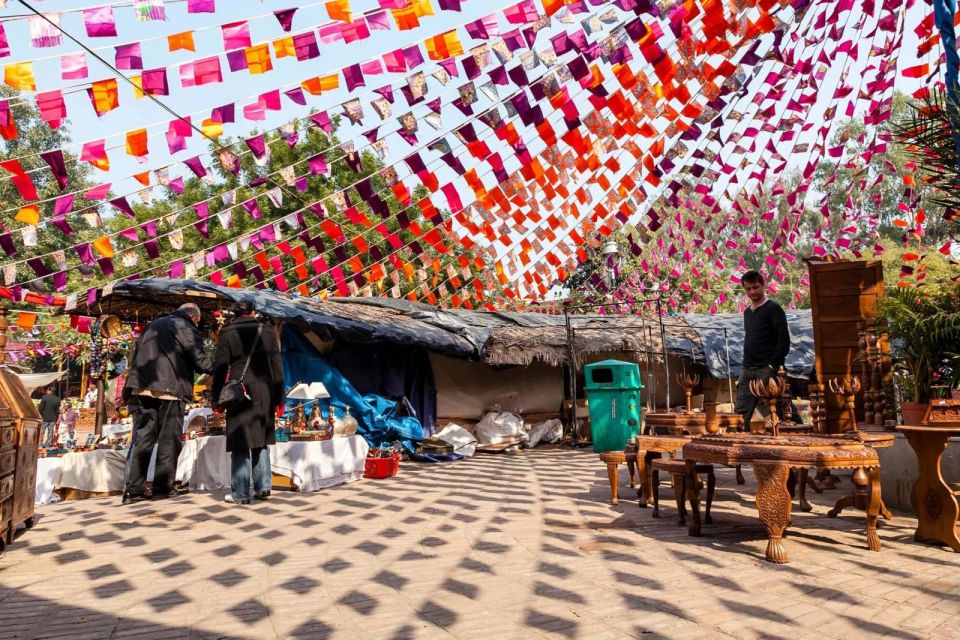
Old Delhi can feel like a maze until someone gives you a route. This tour includes metro and tuk-tuk rides to and from the meeting point. The idea is simple: you use public transport and short rides where they make sense, then walk the lanes where that’s the only way to experience the street life.
If you choose the optional private air-conditioned car, the tour also offers pickup and drop-off to your hotel. That can be a big deal if you’re arriving tired, have luggage, or just want your morning to start smoother.
It also helps that drop-off points cover a wide Delhi NCR range: New Delhi, Noida, Lal Quila, Gurugram, Greater Noida, Aerocity, Ghaziabad, and Delhi. If you’re staying across the region, you’re not forced into one “central only” meeting point fantasy.
Price and Logistics: $15 for Food Stops That Actually Add Up
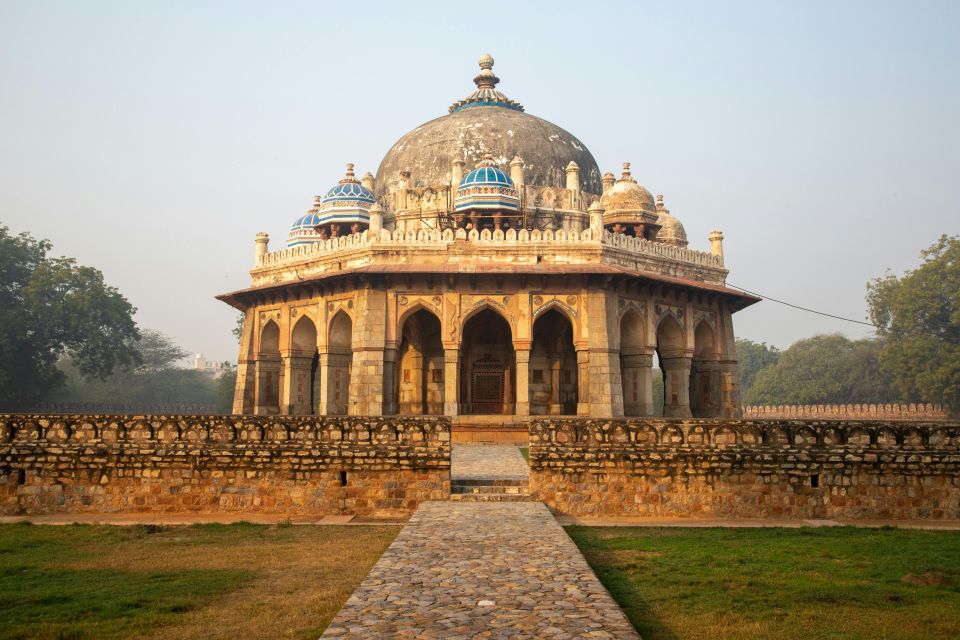
$15 sounds small for a guided street food experience, but the value is in what’s included. You’re not just paying for “walking around.” The tour includes an English-speaking local guide, transport to and from the meeting point (metro and tuk-tuk), and pickup/drop-off by private car if you select that option. It also includes the food and drink items that are part of the tour, plus water or another cold drink.
In three and a half to four hours, that stacks up fast: stuffed parathas, spice-market snacks, chai, a major landmark visit, Mughlai meat dishes at well-known places, and a full sweet finish. Even if you later decide you want more food on your own, this tour sets you up with a strong baseline of what Old Delhi does best.
Skip-the-line access is another practical value point. When crowds slow you down, a separate entrance turns the tour into something that feels time-efficient instead of stressful.
One logistics note you should respect: bring comfortable shoes and plan on using cash and a credit card. Street markets can be cash-forward, but having a card gives you flexibility.
Who This Tour Suits Best (and Who Should Skip It)
This tour fits you if you like food that’s eaten where it’s made, and you want a plan that gets you past indecision. It’s also a good fit for first-timers because the guide helps you read the place: where to eat, what to try first, and how to pace yourself.
It also fits solo travelers and couples well. There’s even a private group option, which can be great if you want less waiting around and more control over pace.
But it may not fit everyone. The tour info says it’s not suitable for people with mobility impairments, even while it also lists wheelchair accessibility. In practice, that usually means walking and narrow lanes are part of the experience, so if you need step-free paths or limited walking time, you should ask directly before you book.
Also, note the route includes non-veg stops (Karim’s, Aslam Chicken Corner, nihari). If you’re vegetarian and only want vegetarian restaurants, you may feel mismatched during the meat-focused parts. The morning vegetarian highlights are strong, though, and you can still enjoy plenty of the route’s other flavors.
Should You Book This Old Delhi Street Food Tour?
If you want Old Delhi food with structure, I think you should book it. The combination of classic Chandni Chowk food streets, spice-market context, major Mughlai stops, and a nighttime temple pause makes the whole experience feel like more than “just snacks.”
If you’re on a tight schedule, it’s also a good fit. Three and a half to four hours is long enough to cover meaningful variety, but short enough that you’re not trapped all day in the busiest parts of town.
If you’re vegetarian-only, have mobility limits, or prefer a fully quiet experience, you should reconsider—or contact the operator with your needs before paying. Otherwise, this is the kind of guided street food loop that helps you eat well and understand what you’re tasting without spending your trip figuring it out from scratch.
FAQ
How long is the Old Delhi street food tour?
The tour runs about 3.5 to 4 hours. Starting times depend on availability.
What does the $15 price include?
The price includes an English-speaking local guide, metro and tuk-tuk rides to and from the meeting point, and the food and drink items that are part of the tour (plus water or another cold drink). Pickup and drop-off in a private air-conditioned car are included only if you choose that option.
Do you offer pickup and drop-off?
Yes. Pickup and drop-off are available from all locations in Delhi NCR, and you can also choose pickup/drop-off to your hotel in a private air-conditioned car if that option is selected.
Are the meals vegetarian?
The route includes vegetarian stops in the morning, but it also includes meat-focused restaurants later on, including Karim’s, Aslam Chicken Corner, and Haji Shabrati Nihariwale (nihari).
What language is the guide?
The tour is guided by a local guide in English, and languages listed for the experience include English and German.
Do we skip the line?
Yes. The tour offers skip-the-line entry through a separate entrance.
Is it wheelchair accessible?
It is marked wheelchair accessible, but it also states it is not suitable for people with mobility impairments. If you have mobility needs, it’s smart to confirm whether the walking and lane conditions will work for you before booking.