REVIEW · NEW DELHI
From Delhi: Taj Mahal, Agra & Mathura Tour by Car
Book on GetYourGuide →Operated by Travel Series · Bookable on GetYourGuide
One day, three different kinds of awe—white marble, fort walls, and temple devotion. This Delhi to Agra to Mathura route is interesting because it ties the Taj Mahal together with Krishna’s story, then keeps the pacing tight with a private A/C car and a guide who can explain what you’re seeing in plain language.
I really like two things here: first, the Skip-the-line entry plus optional sunrise timing, which helps you get better light and less waiting. Second, you get more than one Krishna stop—Krishna Janmasthan, Prem Mandir, Banke Bihari, and ISKCON—so the day becomes a real spiritual route, not just a quick photo stop.
One consideration: it’s a long day with an early pickup, and if you choose the 1:00AM–3:00AM start you’ll be trading sleep for a sunrise Taj. Also, Taj Mahal is closed every Friday, so your dates matter.
In This Review
- Key things that make this tour feel worth it
- The big idea: a love-story day across Agra and Krishna country
- Getting picked up in Delhi: private car, real convenience
- Taj Mahal: sunrise vs daytime, and how to make it easier on yourself
- Skip-the-line entry: why that one detail can save your whole morning
- Agra Fort: the 15-minute connector stop that adds real contrast
- Mathura’s Krishna Janmasthan Temple: where the story starts
- Prem Mandir in Vrindavan: when the lights matter
- Banke Bihari Temple and ISKCON: a day of chanting rhythms
- The bonus stop (and why it’s not filler)
- Food on this route: traditional Indian and Mughlai, but expect simple timing
- Guides and drivers: this is where the tour often wins
- What’s included (and how that affects value)
- Who should book this tour, and who might not love it
- Price and logistics: the real trade-offs
- Should you book From Delhi: Taj Mahal, Agra & Mathura Tour by Car?
- FAQ
- What’s the duration of the tour?
- Are pickup and drop-off included, and from where?
- Can I visit the Taj Mahal at sunrise?
- Do I get skip-the-line entry to the Taj Mahal?
- Is the Taj Mahal open every day?
- What languages are available for the live tour guide?
- What should I wear or bring?
- What’s included in the price besides transport?
Key things that make this tour feel worth it
- Sunrise Taj option if you pick the 1:00AM, 2:00AM, or 3:00AM pickup time
- Skip-the-line entry through a separate entrance (less standing around)
- A packed circuit: Taj Mahal + Agra Fort + Mathura/Vrindavan temples in one day
- Strong guide focus, with previous groups praising knowledgeable, friendly guides like Ali (Agra) and Adil
- Private A/C car with hotel pickup/drop-off from Delhi-area locations like Noida, Ghaziabad, Gurugram, and Faridabad
The big idea: a love-story day across Agra and Krishna country
This isn’t the usual one-temple-or-one-fort day. You start with the Taj Mahal, a monument people come for love and craft. Then the day shifts east into Mathura and Vrindavan, where devotion is the main theme and the atmosphere changes fast.
What I like about this kind of route is that it gives you context. You’re not just looking at famous buildings; you’re seeing different ways people in India express “love”—through imperial architecture on one side and religious practice on the other.
The day also has a sensible rhythm: you get serious sightseeing time at the Taj (around 2 hours), then forts and temples with guided explanations. It’s designed for people who want a lot, but not at a chaotic backpacker pace.
You can also read our reviews of more tours and experiences in New Delhi.



Getting picked up in Delhi: private car, real convenience
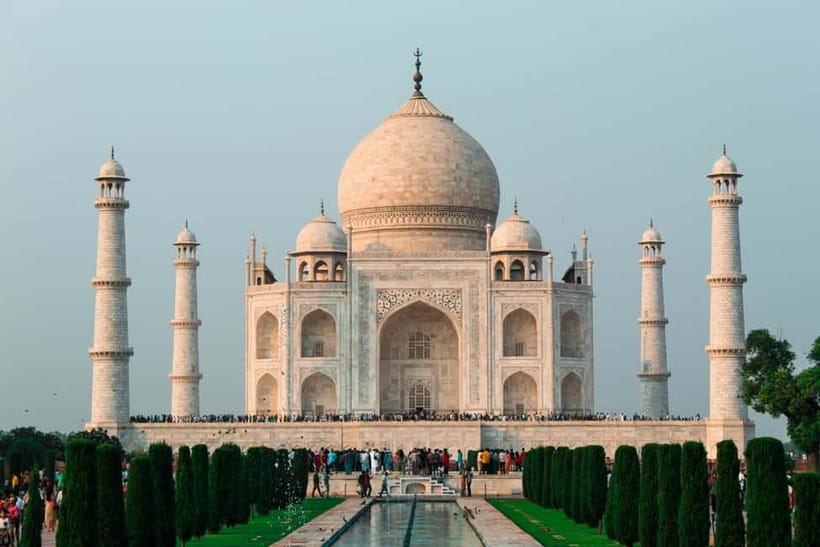
The tour includes pickup and drop-off from selected areas: Ghaziabad, Noida, Faridabad, New Delhi, and Gurugram. That matters because it cuts out the common pain of meeting at some random location and then losing time.
You travel in a private A/C car with a driver, with mineral water provided. The day runs long—so this comfort piece is not small. Air conditioning helps, especially when you’re traveling early and then doing walking inside big sites.
One more practical point: the schedule is built around early Taj time. If you’re the type who needs a few minutes to wake up, plan for that. Bring your energy, not your alarm clock attitude.
Taj Mahal: sunrise vs daytime, and how to make it easier on yourself
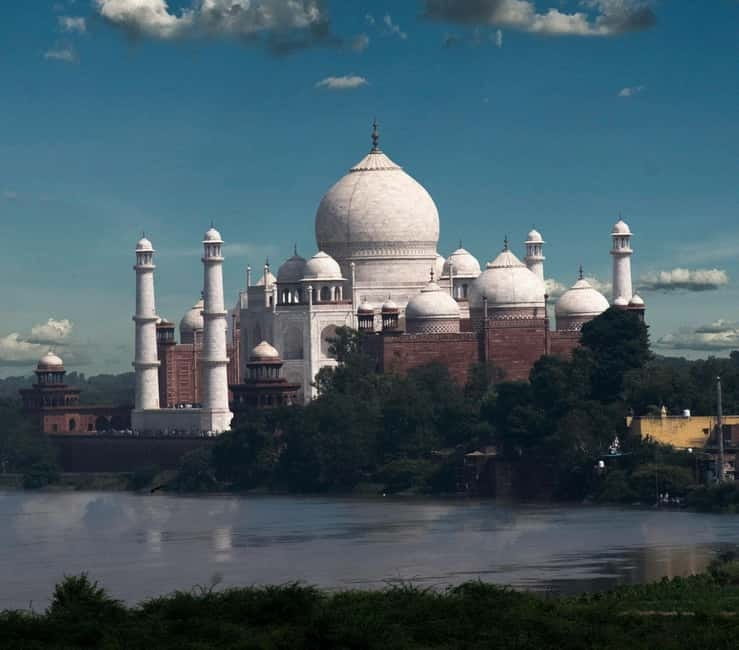
Taj Mahal is the main event, and you’ll spend about 2 hours exploring. The tour also offers an easy choice:
- Normal early start: aim for fewer crowds and nicer light
- If you choose a 1:00AM, 2:00AM, or 3:00AM pickup, you’ll visit for sunrise
Sunrise changes the feel. You get softer light for photos, and the marble can look almost different in tone compared to mid-day. The guide and the separate entrance also help you avoid wasting time.
Also note the rules that affect planning: the Taj Mahal is closed every Friday. So if your trip overlaps with a Friday, you’ll want a backup date.
Dress matters too. The tour asks for long-sleeved shirts and long pants, which helps you stay comfortable inside and respectful in sacred spaces nearby.
Skip-the-line entry: why that one detail can save your whole morning
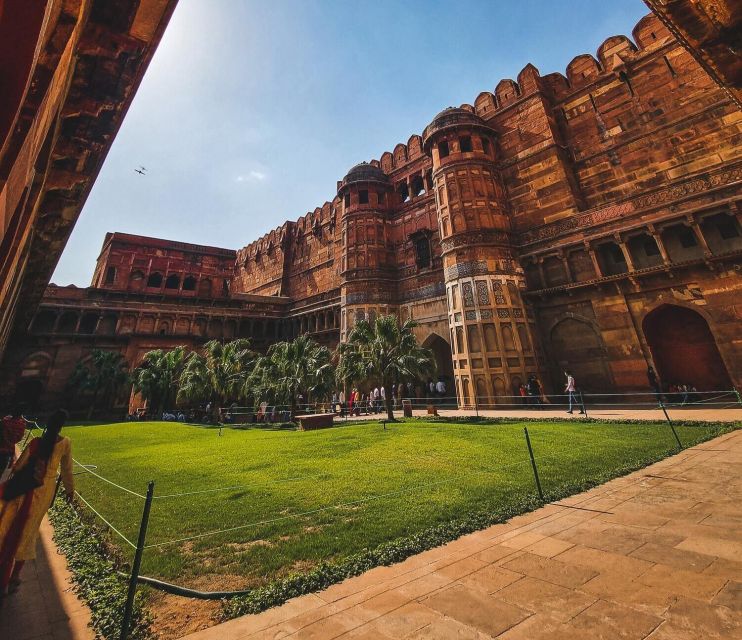
Skip-the-line is not a gimmick here. With a full day packed after the Taj, time is your currency. A separate entrance means less waiting and more “head up, eyes open” time at the monument.
This is especially helpful when you’re doing sunrise. You’re already up early. The last thing you want is to lose that effort to slow-moving queues.
I also like that there’s a live guide included. A guide doesn’t just tell you facts—they help you orient your eyes. At the Taj, that makes a difference because it’s easy to get lost in the beauty and miss the design logic.
Agra Fort: the 15-minute connector stop that adds real contrast
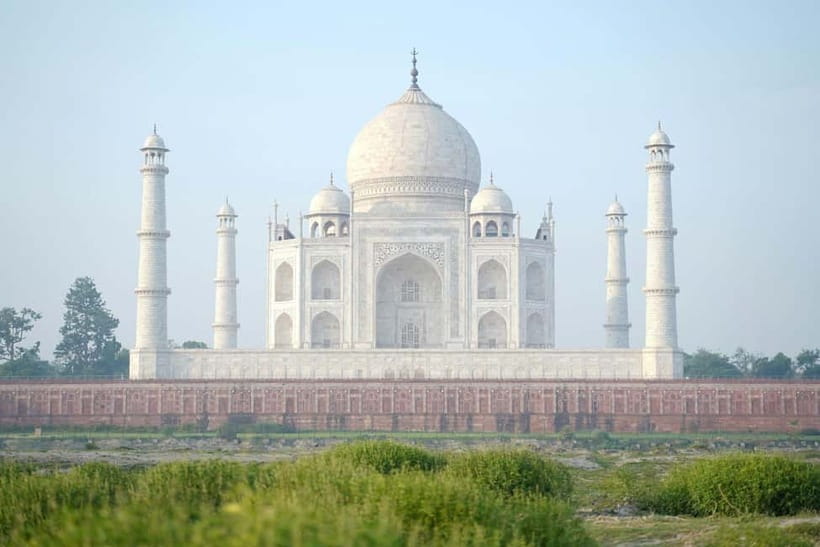
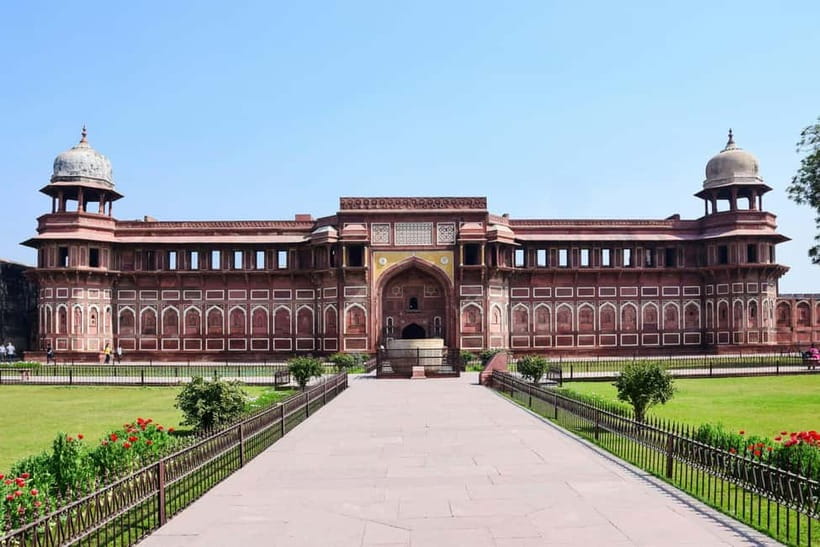
After the Taj, you head to Agra Fort, about 15 minutes away. This is a UNESCO World Heritage site, and the tour typically gives you photo stops plus guided walking through the fort’s highlights—grand palaces, halls, and mosques.
Why this stop matters: the Taj is white marble perfection, built to look like one idea. Agra Fort is more about power and layers—how rulers lived, governed, and defended.
You’ll also get a short Agra lunch break (around 45 minutes). It’s not meant to be a slow food pilgrimage, so keep expectations realistic. If you want a sit-down meal, this schedule is not that day. But if you want to keep moving and see everything, the timing works.






Mathura’s Krishna Janmasthan Temple: where the story starts
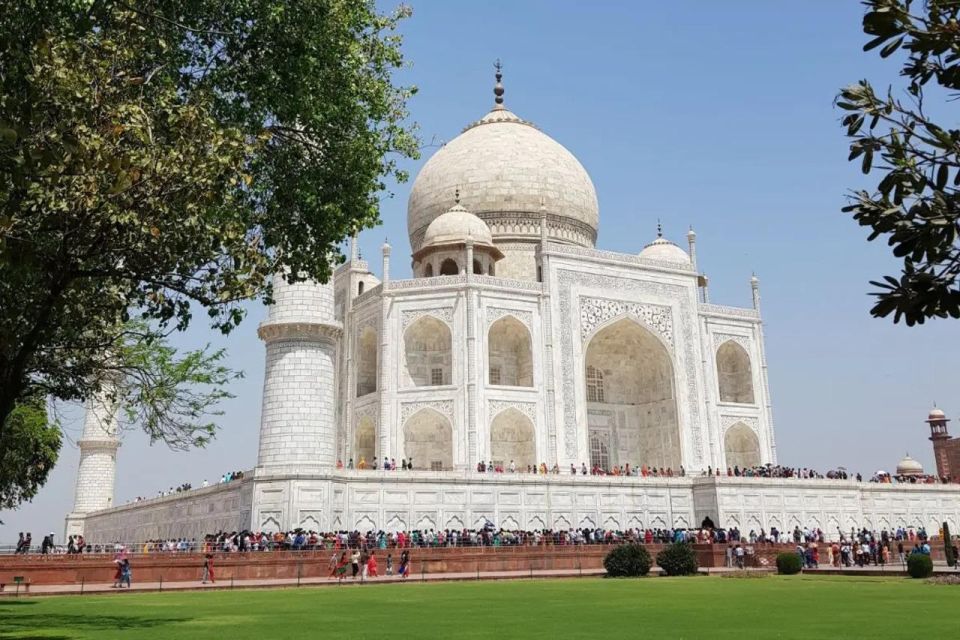
Next comes Mathura and the Shri Krishna Janmasthan Temple, described as Krishna’s birthplace. This part of the day shifts tone. Instead of marble and fort architecture, you’re stepping into a place that’s about devotion and tradition.
A guided visit here is useful because the temple complex can feel intense if you’re not sure what you’re looking at. A good guide helps you understand the significance of what you’re seeing, and how the setting ties back to the Krishna story.
If you’re sensitive to crowds and noise, you’ll want patience. These temples tend to be active, and the day’s emotional energy can be high.
Prem Mandir in Vrindavan: when the lights matter
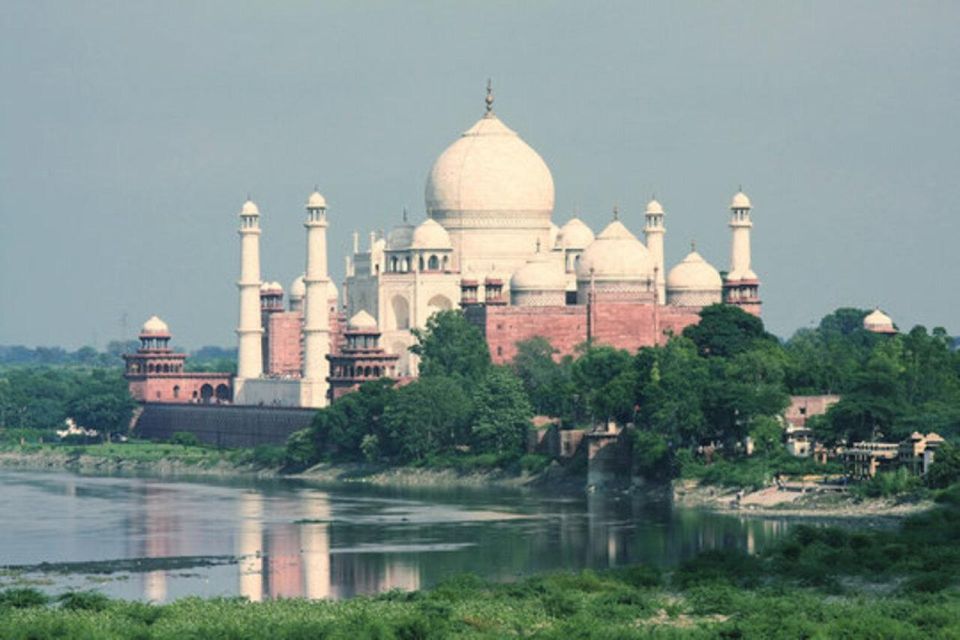
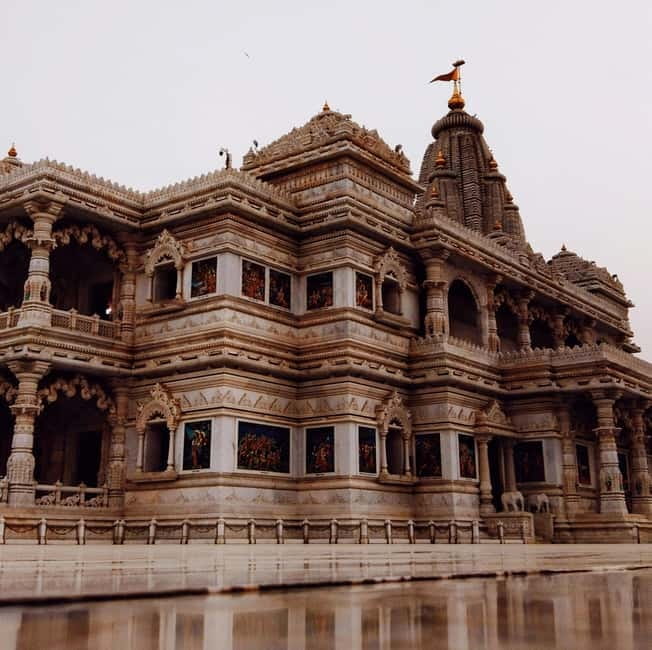
Then you’ll head to Prem Mandir in Vrindavan. The tour highlights it as a beautifully lit temple complex dedicated to Radha Krishna, especially when lights are on in the evening.
Even if you’re not a “religion-first” traveler, Prem Mandir is one of the places where architecture and atmosphere work together. The key is timing: lights can change the whole experience, and a scheduled day helps you catch that.
Photo stop time is built into this segment too, but don’t treat it like a roadside detour. The guide’s context helps you notice details you might otherwise skip.
Banke Bihari Temple and ISKCON: a day of chanting rhythms
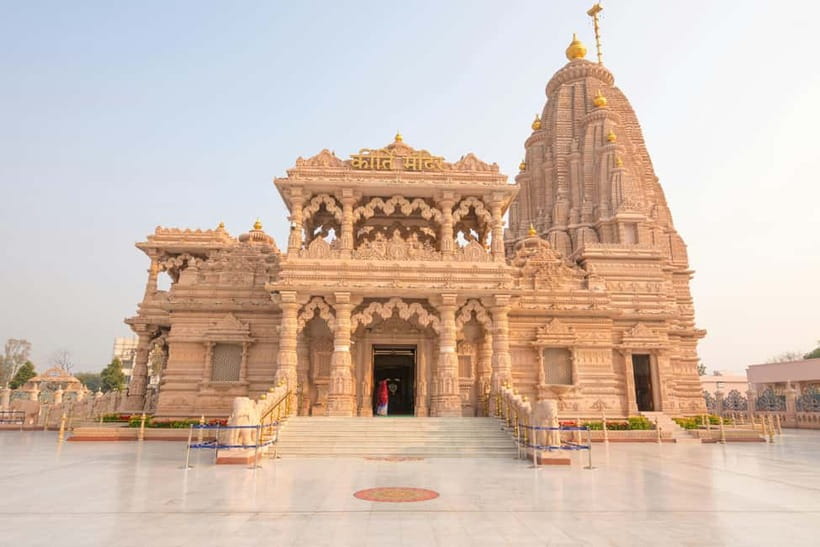
Two big Vrindavan names come next: Banke Bihari Temple and ISKCON Temple.
Banke Bihari is known for a vibrant aarti rhythm (the tour notes unique aarti timings). That’s important because temples aren’t just “see and leave.” If the guide times it well, you’ll experience something more like participation—chants, devotion, and movement through the space.
Then ISKCON Temple is described as serene and peaceful, with a quieter feeling and a chance to enjoy chanting sessions. Putting these two temples in the same day gives you variety: one side can feel energetic and fast, and the other can feel calmer.
If you care about how spiritual experiences feel in real life, this pairing is a smart move.
The bonus stop (and why it’s not filler)
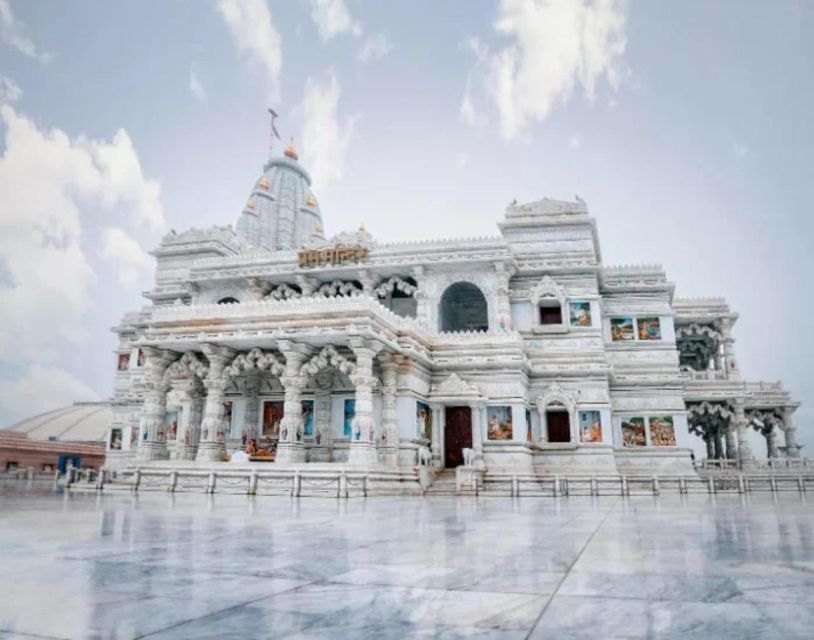
Your schedule also includes an additional photo stop and guided sightseeing slot before the final return toward Delhi. The exact location isn’t specified here, but the purpose is clear: to keep the day visually interesting and fill the gaps between major sites.
On tours like this, small extra stops can either be useless or they can help you break up long travel time. In this case, it’s placed like a buffer—so the day doesn’t feel like one long haul followed by temple fatigue.
Food on this route: traditional Indian and Mughlai, but expect simple timing
The tour includes time for traditional Indian and Mughlai food. That’s more about style than a guarantee of a specific restaurant, because only the Agra lunch window (45 minutes) is explicitly timed.
So how should you plan your hunger? Eat early, drink water, and keep snacks simple if you need them. A 45-minute lunch is enough to refuel, but it’s not enough for a slow, lingering meal.
Also remember: your “main meals” are likely to feel secondary to the monuments. If you’re a foodie traveling for restaurants, you might want to add a separate dinner plan back in Delhi.
Guides and drivers: this is where the tour often wins
This experience includes a government-approved guide and live tour guiding in English, French, Spanish, and Russian (based on the tour language options).
From past experiences shared with the tour, guides like Shahid, Adil, and Shahrukh have been praised for explaining the Taj Mahal and Agra history clearly. In Agra specifically, Ali was noted for competence and relevant information—plus a history-student level of detail. On the transport side, drivers such as Jay were praised for being punctual and friendly, and hosts like Imran were described as informative and helpful with photos.
Why that matters for you: a monument day can turn into a checklist if no one explains what you’re looking at. When the guide is strong, your photos improve because you know where to stand and what details to hunt.
What’s included (and how that affects value)
At $80 per person for a 12-hour private car day, value comes from what’s bundled:
- Hotel pickup and drop-off
- Private A/C car with driver
- Monument entrance for all monuments on the route
- Live tour guide service in your language
- Mineral water
- All applicable taxes
- Skip-the-line entry
That combination matters because you’re not paying separately for transport + guides + entry fees in pieces. For a day that touches Taj Mahal, Agra Fort, and multiple Krishna sites, entry fees and guide time can add up quickly on your own.
If you prefer one price and less decision fatigue, this format fits.
Who should book this tour, and who might not love it
This tour is a good match if you:
- Want Taj Mahal and Krishna sites in one day
- Like having a guide for context, not just “selfie at the gate”
- Don’t mind an early start if it means better Taj timing
- Travel with people who want a private car instead of public transport stress
You might be less happy if you:
- Want a slow pace, long meals, and lots of free time
- Have low tolerance for crowds at active temple times
- Are sensitive to long drives and a tightly timed schedule
Also keep in mind the Friday closure for Taj Mahal. If your only available day lands on Friday, this specific day plan won’t work.
Price and logistics: the real trade-offs
Here’s the honest math in plain terms. You’re paying $80 for a full private day with entries and a guide. The trade-off is schedule intensity.
The tour tries to “buy back” some of your energy with A/C transport, bottled water, and skip-the-line access. But you still get a long day: Delhi early, Agra sightseeing, then Mathura and Vrindavan temples, then back.
So the best way to enjoy it is simple: set realistic expectations. Think of it as a guided highlights marathon with spiritual stops, not a relaxed vacation morning.
Should you book From Delhi: Taj Mahal, Agra & Mathura Tour by Car?
I’d book it if you want a one-day plan that hits the Taj Mahal plus Krishna’s birthplace and major Vrindavan temples, with a private A/C driver and a live guide handling the explanations and timing.
Skip this if you’re only in Agra/Mathura for a relaxed stroll and you don’t want early wake-ups. And double-check your calendar for the Friday Taj closure, since that’s the one hard stop you can’t work around.
If your goal is maximum meaning in 12 hours—marble love story and temple devotion in the same day—this route is built for you.
FAQ
What’s the duration of the tour?
The tour runs for 12 hours.
Are pickup and drop-off included, and from where?
Yes. Pickup and drop-off are included from Delhi-area locations such as Ghaziabad, Noida, Faridabad, New Delhi, and Gurugram.
Can I visit the Taj Mahal at sunrise?
Yes. If you choose 1:00AM, 2:00AM, or 3:00AM pickup, you’ll visit the Taj Mahal at sunrise.
Do I get skip-the-line entry to the Taj Mahal?
Yes. You’ll use a separate entrance for skip-the-line access.
Is the Taj Mahal open every day?
No. The Taj Mahal is closed every Friday.
What languages are available for the live tour guide?
The live tour guide service is available in English, French, Spanish, and Russian.
What should I wear or bring?
Bring long-sleeved shirt and long pants.
What’s included in the price besides transport?
The tour includes monument entrance tickets, a government-approved guide, mineral water, and hotel pickup and drop-off, plus taxes.