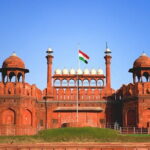
Delhi-to-Jaipur-to-Agra in three days sounds intense. That is also the point: private luxury transport, guided stops, and an efficient rhythm that helps you hit the big sights without burning every hour figuring logistics out.
I love how the tour is built around comfort and clarity: you get pickup (hotel in Delhi/Gurgaon/Noida or the airport), an air-conditioned private car, and local guides for the key days. I also like that you are not left guessing at every step—breakfasts and lunches are included, and the day plan is packed with real monuments like Jama Masjid, the Taj Mahal region sites, and Jaipur’s royal landmarks. The one drawback to plan for is that some major monument entry fees are not included, so you should budget extra cash on top of the $130 price.
In This Review
- Key things that make this Golden Triangle feel like a premium shortcut
- Price and logistics: what $130 really buys you
- Getting picked up in Delhi: where the tour starts smoothly
- Day 1 in Delhi: Old Delhi street energy plus a rickshaw break
- Day 1 New Delhi: Qutub Minar, Lotus Temple, and the big monuments axis
- Guides and photo help: why the names matter
- Day 2 in Agra: Taj Mahal time plus the Mughal set
- Day 3 Jaipur: Amber Fort views, Jal Mahal, and the royal grid
- Driving times, air-con comfort, and what to expect from the pace
- Lunch and breaks: the practical part most people forget
- Tips, extra shopping stops, and how to stay in control
- Who this Golden Triangle private luxury tour suits best
- Should you book this 3-day Golden Triangle private luxury experience?
- FAQ
- What cities are included in this 3-day Golden Triangle tour?
- Is pickup included?
- Are meals included?
- Is entry to all monuments included in the price?
- How are transportation and guiding handled?
- How long is the tour?
- Can I cancel for a refund?
- FAQ
- Is this tour private?
- What accommodation is included?
- Are admission fees like Qutub Minar or the Taj Mahal covered?
- What about Jaipur’s Amber Fort and other sites?
- Does the tour include a rickshaw ride in Delhi?
- Are tips included?
- Does the tour offer group discounts?
Key things that make this Golden Triangle feel like a premium shortcut
- Hotel nights planned: two nights are part of the trip when you choose the hotel-inclusive option.
- Private car, not a bus: the drive is comfortable and fast, especially for the Delhi–Agra and Agra–Jaipur legs.
- Guides with strong explanations: names that show up in the feedback include Mohammed Kadir in Delhi, Danish in Agra, Kamran in Jaipur, plus drivers like Sonu and Vimal.
- Most days run on a tight but workable timeline: you will get full coverage without doing “one stop and a long drive” emptiness.
- Meals help you keep moving: breakfasts and lunches (not dinners) are covered on the included days.
- Expect extra monument fees: several big sites are listed as not included, with an overall entry-fee estimate noted in the details.
Price and logistics: what $130 really buys you
At $130 per person for 3 days / 2 nights, this Golden Triangle is priced like a “do it efficiently” option. You are paying for three things that are hard to DIY smoothly in North India: (1) private transportation with an air-conditioned vehicle, (2) local guides for sightseeing, and (3) a hotel base for two nights.
Here’s the part to budget clearly. The tour includes breakfasts (2) and lunches (2), plus private transportation, fuel surcharge, and local guide-led sightseeing. What is not included is tips/gratuities and most importantly monument entry fees. In the details, the approximate total for entries is listed as about $45 USD per person. Some attractions on the schedule are marked included (like Lotus Temple, India Gate, Jama Masjid, and Jal Mahal), while others are marked not included (like Qutub Minar, Humayun’s Tomb, Taj Mahal, Agra Fort, Itmad-ud-Daula, Amber Fort, City Palace, Jantar Mantar, and Hawa Mahal).
If you want the true “value” of this tour, treat it like this: the ticket-like parts are mostly handled, but you should still carry cash or be ready to pay on arrival for the sites that are not included. That small planning step prevents the exact frustration that can happen when entrance fees show up at the gate.
You can also read our reviews of more private tours in New Delhi
Getting picked up in Delhi: where the tour starts smoothly
The first win is the pickup setup. You can be collected from your hotel in Delhi, Gurgaon, or Noida—or from the airport in Delhi. That matters on day one because Delhi traffic can be unpredictable, and a scheduled start keeps the day from melting away.
You then move into a guided mix of Old Delhi and New Delhi highlights. Expect a lot of changes in setting in the same day: a mosque and market energy in Old Delhi, then the official monuments and big-city geometry around the Rajpath area. If you dislike long walks in heat, wear comfortable shoes and keep water handy. If you like photos, this route gives you plenty of angles: minarets, gates, courtyards, and street textures.
Drivers are praised in the feedback for safe driving and for bringing extras like water and snacks in the car. Your exact comfort level will depend on your driver, but at least the pattern is there: the private-car setup helps you stay in sync and avoids the chaos of switching transport mid-day.
Day 1 in Delhi: Old Delhi street energy plus a rickshaw break
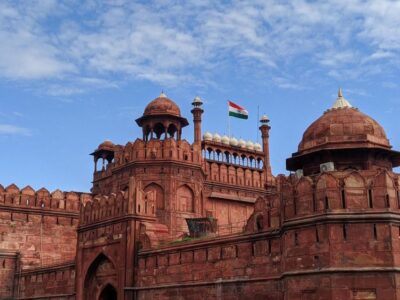
Day one is where Delhi feels like Delhi. You’ll start with Old Delhi, which is built for sensory overload in the best way—markets, alleys, and the feeling that you’re walking inside history rather than looking at it from behind fences.
Key stops you’ll hit include:
- Jama Masjid: one of the largest mosques in Delhi, built in the 1600s under Shah Jahan. Since this stop has admission marked included, it’s a good “big win” early on.
- Chandni Chowk: a classic shopping spine in Old Delhi, known for spice and snack-style stalls.
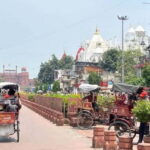
- A 30-minute rickshaw ride through the Old Delhi area for a quick change of pace and perspective.
- Agrasen ki Baoli: a protected stepwell site, listed as free on the schedule.
What I like about putting Old Delhi on day one is that it gives you context. By the time you move toward New Delhi’s broader avenues later in the same day, the contrast helps everything click.
What to watch: Old Delhi can feel crowded and loud. If you need a quieter rhythm, tell your guide early so they can manage pacing. Also, if you do not want surprise side stops, be clear at the start that you want to stick to scheduled monuments only.
Day 1 New Delhi: Qutub Minar, Lotus Temple, and the big monuments axis
After Old Delhi, the tour shifts into “iconic Delhi” mode.
You’ll visit:
- Lotus Temple: admission is marked included, and it’s famous for its flower-like design and for being open to everyone regardless of religion.
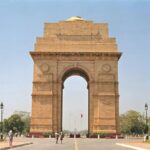
- India Gate: a war memorial near the Rajpath, with admission marked included.
- Parliament House (Sansad Bhavan) and Rashtrapati Bhavan: these are described as part of the sightseeing flow, tied to the official architecture axis near India Gate.
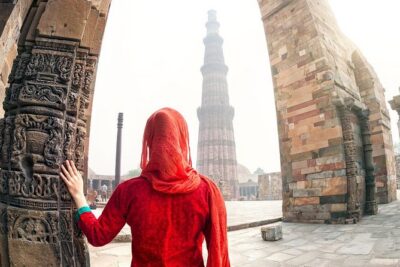
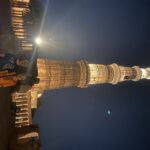
You’ll also stop at Qutub Minar, a UNESCO site described as a 73-metre, five-storey tower associated with Qutub-ud-din Aibak. In the details, Qutub Minar’s admission is marked not included. I treat that as a planning hint: if you budget only your $130 and assume all entries are handled, this is where you’ll pay extra.
Humayun’s Tomb is another UNESCO Mughal stop on day one, but again, admission is marked not included. If you like Mughal-era symmetry and garden-style tomb design, this is one of the parts of the day that rewards attention.
Guides and photo help: why the names matter
This is not a faceless “driver only” tour. The strongest praise in the feedback circles around communication and the small details that make monuments easier to understand.
In Delhi, guides such as Mohammed Kadir get called out for clear explanations and for spending time so you really understand what you’re looking at. You’ll also see Azahar named as a Delhi guide in the feedback. In Agra, Danish and Shamin are credited with strong history context and professional guiding. In Jaipur, Kamran shows up for both knowledge and for taking people beyond the obvious stops—while Prish is mentioned for kindness and for adding practical extras like recommending where to eat.
The common thread: energy and pacing. If your guide is attentive, you get more out of each site without rushing through it. And if you care about photos, ask for help with angles. Even in the quick stops, good guidance can make your pictures look intentional instead of accidental.
You can also read our reviews of more tours and experiences in New Delhi






Day 2 in Agra: Taj Mahal time plus the Mughal set
Agra is the “big payoff” city of the Golden Triangle. The tour includes an overnight at your Agra hotel, and the second day focuses on the Taj Mahal area and nearby Mughal monuments.
You get:
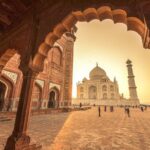
- Taj Mahal (scheduled for about 3 hours): admission is marked not included.
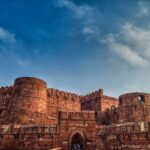
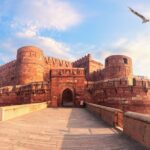
- Agra Fort (about 2 hours): admission marked not included.
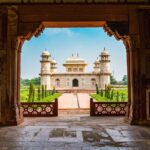
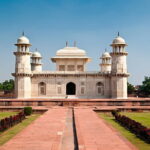
- Itmad-ud-Daula (often called Baby Taj; about 30 minutes): admission marked not included.
The travel value here is simple: rather than making you hop between cities with no breathing space, you sleep in Agra. That turns the Taj day from a frantic “see it and run” sprint into a more comfortable block of time.
Practical advice for your comfort: Taj Mahal and the forts typically require walking and standing. Comfortable clothing helps, and you should keep sun protection handy. If you’re the type who gets overwhelmed by crowds, tell your guide what you prefer (slower pacing, more viewpoint time, fewer photo stops).
Also, because entries for these sites are not included, do not assume your day will be fee-free. Plan that cash piece and you’ll enjoy the day more.
Day 3 Jaipur: Amber Fort views, Jal Mahal, and the royal grid
Jaipur is the city where the Golden Triangle stops feeling like a checklist. The architecture and forts make you slow down a little, and the tour gives you a mix of viewpoints plus city-center monuments.
Your Jaipur day includes:
- Panna Meena ka Kund (stepwell): admission included, and it’s a short but photogenic stop near Amber Fort.
- Amber Fort (about 2 hours): admission not included.
- Jal Mahal: admission included, described as a palace in the middle of Man Sagar Lake. Even with limited time, it’s the kind of sight you remember.
- City Palace (about 1 hour): admission not included.
- Jantar Mantar: UNESCO site with astronomical instruments; admission not included.
- Hawa Mahal (Palace of Winds): listed as not included, and the architecture is designed to be distinctive from the street.
The way the day is structured is smart for most people. Amber Fort is the big effort and viewpoint block; Jal Mahal breaks up the day with a scenic pause; then City Palace and Jantar Mantar give you the royal and scientific “what made Jaipur tick” angle. Hawa Mahal closes the loop with its red-and-pink sandstone facade style.
One consideration: several major sites have admission not included. If you want to keep your day stress-free, budget your entrance fees for multiple Jaipur monuments, not just one.
Driving times, air-con comfort, and what to expect from the pace
The tour keeps you moving, so pace matters. You’re covering three cities in three days, and private car time is a big part of your day. The details mention using expressway for the Agra leg, and that helps keep the travel section from feeling like wasted hours.
Still, this is not a slow “linger in one neighborhood” trip. You’ll get blocks of time at monuments, plus shorter transition moments. If you prefer a more relaxed pace, you might find this tour a bit packed. But if you want a fast, guided “greatest hits” route with enough context to make it meaningful, it fits nicely.
For comfort, consider this simple strategy: eat the included breakfast and lunch so you avoid rushing meals. Bring a bottle of water and keep a light layer for air-con differences between vehicle and buildings.
Lunch and breaks: the practical part most people forget
You’re not just buying sights. You’re buying the stress reduction of built-in meal stops. The tour includes breakfast twice and lunch twice, and it does not include dinners or drinks beyond that.
That matters because when you are doing Taj Mahal, forts, and multiple Delhi monuments, meal timing can throw off your entire day. With lunch included, you’re more likely to stay on schedule and not end up waiting for the group at a random restaurant.
If you’re picky about food, you may need to communicate preferences in advance. The itinerary describes lunch at a local restaurant on day one, but it does not list specific cuisines. Plan to keep your expectations flexible.
Tips, extra shopping stops, and how to stay in control
Tips/gratuities are not included, so you should plan to budget for that.
One more real-world consideration: some tours in this region can include extra stops that feel sales-driven. In the feedback, there’s at least one clear complaint about multiple unplanned sales stops added beyond the official plan. You can prevent that by being direct. At the start of each city day, ask your guide to stick to scheduled monuments and to skip shopping detours unless you explicitly want them.
Private tours are your advantage here. You should be able to steer the day back to monuments and viewpoints if you set expectations early.
Who this Golden Triangle private luxury tour suits best
This tour is a strong fit if:
- you want a guided Golden Triangle with private car comfort instead of public transport stress
- you have limited time and want Delhi, Agra, and Jaipur in one compact run
- you appreciate local guides who explain what you’re seeing (the feedback highlights guides like Danish, Kamran, Mohammed Kadir, and Shamin)
- you want most meals covered by the package (breakfasts and lunches included)
It may not be ideal if:
- you hate paying entrance fees on arrival for multiple monuments
- you dislike a packed schedule with frequent transitions
- you strongly prefer a slow travel pace with lots of downtime
Should you book this 3-day Golden Triangle private luxury experience?
Yes, if you want a fast, guided Golden Triangle that reduces logistics headaches and gives you real time at the big sights in each city. The private car and included breakfasts/lunches add up in comfort and time saved, and the guide quality signal is high with names like Mohammed Kadir, Danish, Kamran, and Shamin mentioned for strong explanations and good pacing.
Book it with one clear mindset: budget for monument entry fees (about $45 USD total is stated in the details) and tips, and ask your guide up front to follow the plan without extra sales stops. If you do that, you’ll likely get the best kind of Golden Triangle trip: organized enough to stay efficient, guided enough to feel connected to what you’re seeing, and comfortable enough to enjoy the ride between cities.
FAQ
What cities are included in this 3-day Golden Triangle tour?
You’ll visit New Delhi, Agra, and Jaipur over 3 days and 2 nights.
Is pickup included?
Pickup is offered from your hotel in Delhi/Gurgaon/Noida or from the airport in Delhi.
Are meals included?
Breakfast is included for 2 mornings, and lunch is included for 2 days. Other meals and drinks are not included.
Is entry to all monuments included in the price?
Some monuments are marked as included on the schedule, but many major sites are listed as not included. The details note an approximate monument entry-fee total of about $45 USD per person.
How are transportation and guiding handled?
The tour includes private transportation in an air-conditioned vehicle and private local guides for sightseeing.
How long is the tour?
It’s approximately 3 days, with 2 nights of accommodation.
Can I cancel for a refund?
Free cancellation is offered up to 24 hours in advance for a full refund.
FAQ
Is this tour private?
Yes. It’s listed as a private tour/activity with only your group participating.
What accommodation is included?
Two nights of accommodation are included only if you book the option that includes hotels, and it’s described as 5-star accommodation.
Are admission fees like Qutub Minar or the Taj Mahal covered?
Qutub Minar and the Taj Mahal are marked as not included for admission in the schedule details, so you should plan to pay those on arrival.
What about Jaipur’s Amber Fort and other sites?
Amber Fort, City Palace, Jantar Mantar, and Hawa Mahal are marked as not included for admission, while Panna Meena ka Kund and Jal Mahal are marked as included.
Does the tour include a rickshaw ride in Delhi?
Yes. The schedule includes a 30-minute rickshaw ride as part of the Old Delhi experience.
Are tips included?
No. Tips/gratuities for the guide and driver are not included.
Does the tour offer group discounts?
Group discounts are mentioned in the tour summary, and it’s a private tour for your group.