REVIEW · NEW DELHI
From Delhi: Taj Mahal and Agra tour by Superfast Train
Book on Viator →Operated by India Tours Plan · Bookable on Viator
One of the fastest ways to see Agra is by train and a tight, guided plan. I like that you get first or second class seating with breakfast on the way to Agra and dinner on the way back, so the day feels smooth instead of rushed. You’ll also have a personal guide who explains what you’re seeing as you go, and you can move at your group’s pace instead of following a big bus schedule. My only real caution is timing: it’s a long day (about 10 to 12 hours), and you’ll want good energy, especially if you’re heat-sensitive.
If you’re after the headline sights without the stress of figuring out trains, meeting points, and entry lines, this kind of organized day trip makes a lot of sense. The private car time in Agra plus included monument tickets means you spend more of your hours at the places that matter. The drawback to consider is that lunch details depend on the option you booked, and there are no drinks included with lunch.
In This Review
- Key Points at a Glance
- Why This Agra Day Trip Works: Train Comfort Plus Private Guide
- The $70 Value Question: What You’re Actually Buying
- Delhi Pickup and the First Train Segment: Settling In Before the Sights
- Arriving in Agra by 09:50 and Meeting Your Guide
- Taj Mahal Time: How to Use 3 Hours Without Rushing
- Radisson Hotel Agra Lunch Break: Fueling Up Midday
- Agra Fort: UNESCO Site Viewing With Mughal Context
- Itmad-ud-Daula: Marble Work and a Smaller-Scale Shift
- Mehtab Bagh: The Sunset View Angle From Across Yamuna
- Return to Delhi: Catch the Train From Agra Cantt
- What You’ll Enjoy Most (Based on the Best Moments)
- Small Things That Make a Big Difference
- Weather and Day Planning Reality Check
- Who This Tour Is Best For
- Should You Book This Delhi-to-Agra Tour?
- FAQ
- What’s the typical duration of the Delhi to Agra tour?
- How does transportation work between Delhi and Agra?
- Do I get meals on the train?
- Are monument entrance tickets included?
- Is lunch included?
- Is this tour private or shared with other groups?
- What train class options are available?
- What happens if weather is poor?
Key Points at a Glance
- First or second class train comfort: breakfast going, dinner returning.
- Private live guide for your group: history and context as you walk.
- Your pace in Agra: no fixed large-group rhythm.
- Skip the guesswork for entrances: monument tickets are included.
- Photo-friendly timing spots: Mehtab Bagh for the Taj view across the river Yamuna.
- Efficient sightseeing blocks: Taj Mahal, Agra Fort, Itmad-ud-Daula, and more within one day.
Why This Agra Day Trip Works: Train Comfort Plus Private Guide
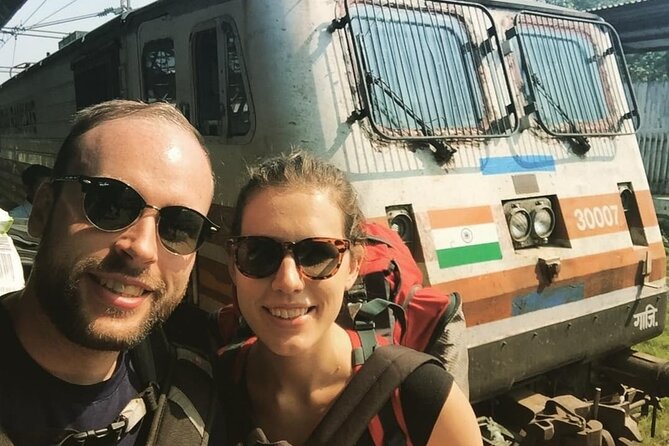
This is the type of day trip you book when you want Agra’s big monuments without losing your whole day to logistics. The core idea is simple: you ride a fast train between Delhi and Agra, then you explore the sights with a private air-conditioned vehicle and a guide who’s focused just on your group.
What I really like is how the food plan supports the long travel day. Breakfast is served on the train on the way to Agra, and dinner is served on the return. That’s not just convenience. When you don’t have to stop and negotiate meals mid-day, the sightseeing stays on track.
Your other big win is pacing. Instead of being trapped in a large group with a single fixed itinerary, you get a private experience where your guide can adjust how you move through each site. That makes a difference at places like the Taj Mahal, where you may want extra time for photos or for slowing down and listening.
You can also read our reviews of more tours and experiences in New Delhi.



The $70 Value Question: What You’re Actually Buying
At about $70 per person, this isn’t a cheap sightseeing-only add-on. You’re paying for several things at once: round-trip air-conditioned train service in first or second class, train meals, a private guide, private transport in Agra, and entrance tickets for the major monuments.
That mix matters. If you tried to assemble this yourself, you’d likely spend time coordinating train schedules, reserving tickets, finding guides, arranging car service, and buying entry tickets—often all separately. Here, you’re effectively paying someone to handle the moving parts so you can focus on the monuments.
One thing to watch is lunch. The tour includes a lunch stop at Radisson Hotel Agra, but the included items mention lunch as something tied to the option booked. Drinks with lunch are not included, and tips for the guide and driver are not included either. So you should budget for a little flexibility at the meal.
Delhi Pickup and the First Train Segment: Settling In Before the Sights
Your day starts with pickup in New Delhi at your chosen time. From there, you head to Nizamuddin Railway Station to take the train toward Agra. This is one of those practical details that makes the plan feel calmer, because you’re not trying to solve transport on the fly right before a landmark day.
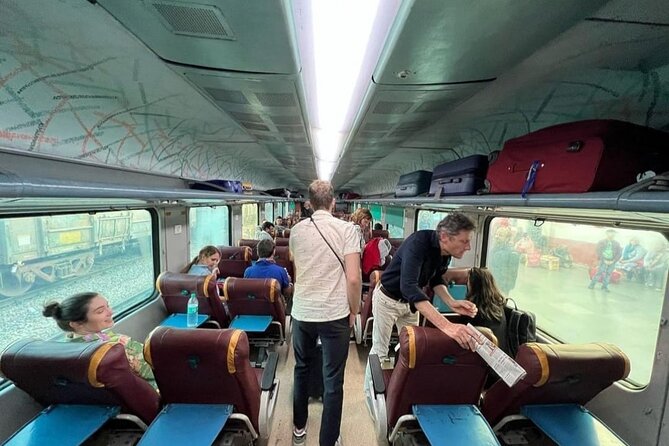
The time block for the train segment is about 1 hour 30 minutes, and the experience is designed around that efficiency. You also get breakfast during the journey to Agra. If you’re the kind of traveler who hates eating late or waiting around, this built-in meal helps keep your arrival day from turning into a hangry scramble.
Arriving in Agra by 09:50 and Meeting Your Guide
Once you arrive in Agra, you’re met by a tour representative at Agra Cantt Railway Station outside your coach. From there, you move straight into the main monument visit.
This matters because it reduces the time between stepping off the train and starting to see things. At Agra’s busiest sights, starting early can help you keep momentum, even if there are still crowds. It’s not about avoiding people entirely. It’s about avoiding the feeling that you’re already behind as soon as you start.
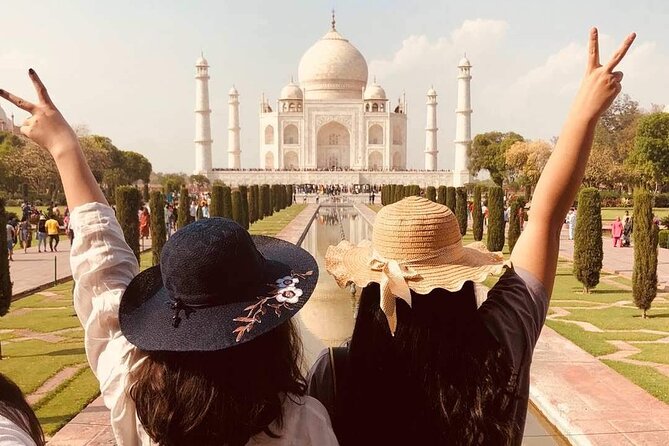
The Taj Mahal visit is scheduled for about 3 hours, which is a reasonable block for both photos and getting the story while you walk.
Taj Mahal Time: How to Use 3 Hours Without Rushing

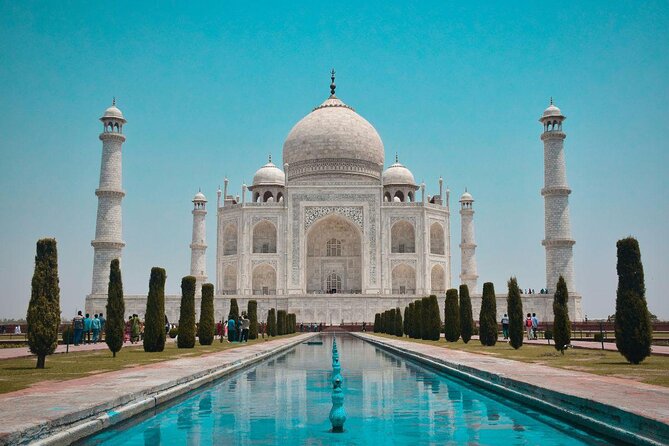
The Taj Mahal stop is the star, and the plan gives you enough time to do more than skim. With a guide in your group, you can focus on what you’re actually looking at instead of trying to read everything yourself in a crowd.
You’ll be at the site for around 3 hours, and the most useful mindset is this: divide your time into two modes. Spend the first part getting your bearings—main views, key angles, and where you want your photos. Then shift into slower listening mode so your guide’s explanations stick.
Even if you’re a first-timer, you’ll get more from the visit when you treat it like a guided walk rather than a checklist. The value here isn’t only the monument. It’s the context that turns the sights from impressive to understandable.
Practical note: plan for the usual Agra heat patterns. You’re going to be outside, so bring sun protection. You’ll also want a camera strap or something secure, since you’ll likely be moving between vantage points.



Radisson Hotel Agra Lunch Break: Fueling Up Midday
After the Taj Mahal, the day takes a breather with lunch at Radisson Hotel Agra. The lunch stop is about 1 hour.
This is helpful if you want to avoid the common trap on long monument days: eating too late or eating something that doesn’t sit well in the afternoon. Having a structured lunch break also protects your energy for the next sites, especially Agra Fort and the smaller monuments that require you to walk and look carefully.
Just know what’s included and what isn’t. The tour includes lunch as part of the monument/lunch package if that option was booked. Drinks with lunch are not included, and personal expenses are not included either. So if you drink a lot of bottled water or have a specific snack habit, you’ll want to handle that yourself.
Agra Fort: UNESCO Site Viewing With Mughal Context
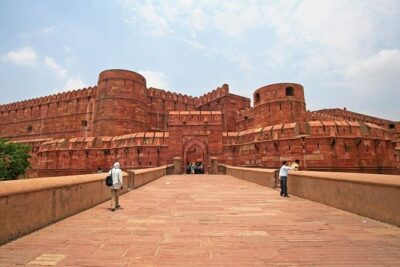
Next comes Agra Fort, scheduled for about 1 hour. The fort is a UNESCO World Heritage Site and served as a Mughal residence, including the royal palaces of Jahangir and Shahjahan.
This stop can feel very different from the Taj Mahal. The Taj is a single, iconic view that people instantly recognize. The fort is layered and built for power and control, so it rewards attention. With a guide, you can connect what you see to the Mughal-era purpose of the complex instead of just walking through walls.
Because your visit window is about an hour, you should aim to focus on the most meaningful sections rather than trying to cover everything. The guide’s job is to help your group choose the best order and keep you oriented.
If you care about photos, treat this as your second-photo session. The fort offers different angles and textures than the marble-white Taj, and you’ll likely appreciate that variety as the day goes on.
Itmad-ud-Daula: Marble Work and a Smaller-Scale Shift
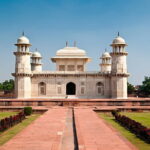
After Agra Fort, you move to Itmad-ud-Daula for about 30 minutes. This is described as the first monument in India built entirely with marble. The tomb was built between 1622 and 1628, commissioned by the Queen of Jahangir, Nur Jahan, as a memorial to her father, Mirza Ghiyas.
This is one of the stops where shorter time can actually be a plus. Itmad-ud-Daula gives you a more intimate experience compared with the huge crowds at the Taj Mahal. In a short half-hour, you can still look closely at the marble craftsmanship and let the guide’s story explain why this one matters beyond being pretty.
If you’re wondering whether a 30-minute slot is enough, it usually is when you have a guide telling you what to watch for. Don’t plan to speedrun it. Instead, use the time to pick one or two key views and get the story behind them.
Mehtab Bagh: The Sunset View Angle From Across Yamuna
Your next stop is Mehtab Bagh, also known as sunset point, for about 30 minutes. The key idea here is the view across the river Yamuna, including a rare angle to see the Taj Mahal from across the water.
This is the photo-focused moment of the route. Even when the light isn’t perfect for dramatic sunset colors, the composition from this side helps you see the Taj Mahal in a different way than the main entrance viewpoints. It also breaks up the day with open space and a calmer feeling than you may get at the earlier sites.
If you like taking pictures, treat this like your final photo set. Keep your camera ready but don’t spend the whole time shooting. Give yourself a few minutes to just look and absorb the layout. It helps the Taj Mahal feel like a full story, not just one moment.
Return to Delhi: Catch the Train From Agra Cantt
After Mehtab Bagh, you head back to Agra Cantt to catch the return train to New Delhi. The return train segment is about 1 hour 30 minutes.
The plan includes dinner served on the train on the way back. That’s another built-in time saver because you’re less likely to arrive back hungry and then have to find food quickly. It also makes the full-day flow feel intentional rather than fragmented.
What You’ll Enjoy Most (Based on the Best Moments)
The strongest part of this experience is the combination of comfort, timing, and interpretation. You’re not just being dropped at monuments; you’re getting a private guide to explain what you’re seeing.
A clear theme from people who rate this highly is that the Taj Mahal visit is both stunning and easier to enjoy when someone tells you the story as you move through the site. Even when crowds are present, the day can still feel smooth when the logistics are handled and your time is organized.
Another highly praised point is that everything runs with good logistics. You’re not constantly waiting around for transfers or trying to coordinate unclear meeting points. That reliability matters on a tight day.
Small Things That Make a Big Difference
A few details can shape your comfort and satisfaction more than you’d expect:
- Private transport in Agra keeps you from wrestling with local transit once you’re already tired from train travel.
- Entrance tickets included reduces friction at each site.
- Private guide gives you better pacing than a self-guided sprint.
- Short targeted visits (like Itmad-ud-Daula) can feel productive rather than rushed when paired with explanations.
- Train first or second class lets you choose the level of comfort you prefer for the ride.
Weather and Day Planning Reality Check
This experience requires good weather. If it’s canceled due to poor weather, you’ll be offered a different date or a full refund.
That’s important because at least part of your sightseeing is outdoors, including Mehtab Bagh. If you’re traveling during a season when weather can swing, keep your schedule flexible and pack light layers or sun protection depending on conditions.
Also, this tour is about getting a lot done in one day. That’s great when the weather cooperates. It can feel challenging if it’s hot, windy, or you’re recovering from travel fatigue.
Who This Tour Is Best For
This works especially well if you:
- Want to see Agra’s main sights in one day without building the plan yourself
- Like learning from a personal guide, not just snapping photos
- Prefer private transport and group flexibility over a big tour bus
- Are comfortable doing a full day that runs roughly 10 to 12 hours
If you want a slow travel pace, lots of free time, or a deep, multi-day dive into Agra beyond the major monuments, you might find a day trip too short. But for most people planning a Delhi visit and needing a clean Agra hit, this is a practical fit.
Should You Book This Delhi-to-Agra Tour?
Yes, if your priority is value in time and a guided visit to the essentials. The sweet spot is the pairing of fast train travel with train meals, a private guide, included monument tickets, and private transport in Agra. For a single day, that’s a lot of structure without feeling like you’re trapped in a rigid group.
Book it if you want a smooth, organized day that still lets your group move at its own pace. I’d also book it if you’re traveling with people who appreciate comfort and clear logistics, because the train-and-car setup reduces decision fatigue.
I’d hesitate only if you strongly prefer unstructured sightseeing, or if a long day could be difficult for your schedule or energy levels. If you’re good with a tight, well-timed route, this is one of the cleaner ways to get Agra done right.
FAQ
What’s the typical duration of the Delhi to Agra tour?
It runs about 10 to 12 hours approximately, from pickup in Delhi through train travel, sightseeing, and the return trip.
How does transportation work between Delhi and Agra?
You travel by fast train from Nizamuddin Railway Station to Agra, then return from Agra Cantt railway station. The tour also includes private air-conditioned vehicle transport for sightseeing in Agra.
Do I get meals on the train?
Yes. Breakfast is served on the train when going to Agra, and dinner is served on the train when returning to Delhi.
Are monument entrance tickets included?
Yes. Monument entrance tickets are included, and the Taj Mahal, Agra Fort, Itmad-ud-Daula, and Mehtab Bagh stops include admission in the tour package.
Is lunch included?
Lunch is included if you booked the option that includes lunch. The lunch stop is listed at Radisson Hotel Agra, and drinks with lunch are not included.
Is this tour private or shared with other groups?
It’s a private tour/activity. Only your group will participate.
What train class options are available?
The experience mentions first or second class train seating for the round trip.
What happens if weather is poor?
The tour requires good weather. If it’s canceled due to poor weather, you’ll be offered a different date or a full refund.