REVIEW · NEW DELHI
From Delhi: Taj Mahal Sunrise Tour with Elephant SOS Center
Book on Viator →Operated by India Holiday Planners - Private Tours · Bookable on Viator
A pre-dawn glow makes the Taj feel brand new. This private Delhi-to-Agra day trip pairs Taj Mahal sunrise viewing with an Elephant SOS Center visit, plus major Agra sights—no overnight in Agra needed. It’s a full 13 to 15 hour outing, but it’s built for comfort and timing.
I especially like the way the day is structured for your sanity: air-conditioned pickup and drop-off, bottled water, and a golf cart ride from the Taj parking area to the entry gate. I also like that the tour guide element is a real focus—guides such as Neeraj and Hashmi are praised for moving you in smarter ways at the Taj and explaining what you’re actually seeing, including art and history details.
One thing to weigh: Taj Mahal and Agra Fort entry can depend on the option you choose, and sunrise can shift due to winter fog or the Taj’s Friday closure. Also, this is an early start, so sleep and energy management matters.
In This Review
- Key things that make this tour work
- Delhi to Agra at sunrise without the overnight stress
- Pick-up, drive, and how the tour keeps you from wasting time
- Taj Mahal sunrise: the 2 to 3 hours that actually matter
- Agra Fort after the Taj: different walls, same power story
- Breakfast or lunch stop: a real break before the long afternoon
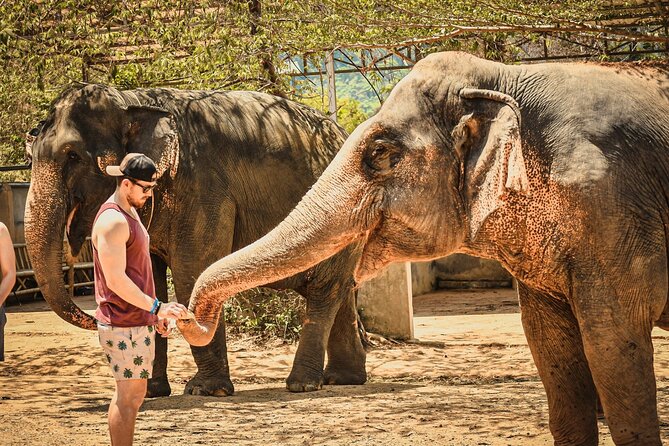
- Elephant Conservation & Care Center: what you should expect
- The ride back to Delhi: plan for a late finish
- Price and value: what you’re really getting for about $5.67
- Who this tour suits best (and who should think twice)
- Guides, photography, and the little things that raise the day
- Should you book this Delhi to Agra sunrise tour?
- FAQ
- How long is the Taj Mahal Sunrise Tour from Delhi?
- Where does the tour pick up, and do you get dropped off in Delhi again?
- Is Taj Mahal entry included?
- Is Agra Fort entry included?
- What time is the sunrise tour, and can it change?
- Is the Taj Mahal open every day?
- What about the elephant conservation center entry?
Key things that make this tour work

- Private group, private vehicle: just you (and your group), with a uniformed driver and air-conditioned car.
- Sunrise timing plus early entry help: you’re set up to reach the Taj in time for the light show.
- Built-in comfort touches: bottled water and a golf cart ride help with the busiest stretch.
- Agra Fort right after: you don’t just see one highlight; you get the fortress story too.
- Elephant sanctuary time: you get dedicated time at the Elephant Conservation & Care Center without rushing through it.
- Customizable flow: you can add, remove, or modify monuments, and start times can shift for weather.
Delhi to Agra at sunrise without the overnight stress
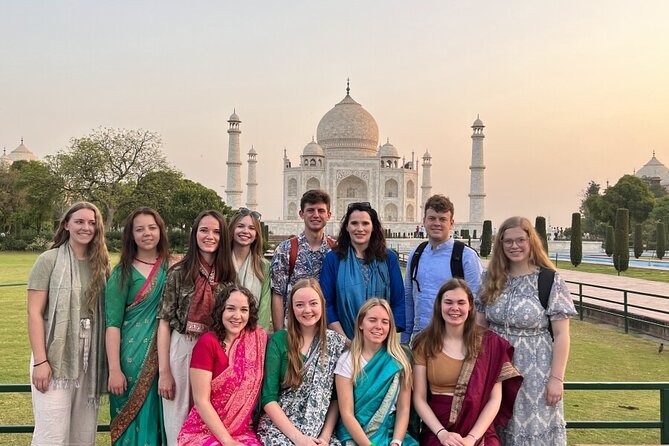
If you want the Taj Mahal in the early morning glow, you usually need an overnight plan in Agra. This tour skips that by building in a pre-dawn pickup and a direct drive, so you’re watching sunrise while the city is still sleepy. For many people, that single decision is what makes the whole day feel worth it.
The day is designed as a tight schedule, but not a frantic one. You’re in a private vehicle for the big travel chunks, and you have guide-led time once you reach the sights. That means you’re not trying to figure out transport, tickets, and routes while the clock is ticking.
And yes, it is long. Expect roughly 13 to 15 hours from start to finish, including the drive both ways. If you’re the type who likes to rest between attractions, wear comfortable shoes and plan for a full day.
You can also read our reviews of more tours and experiences in New Delhi



Pick-up, drive, and how the tour keeps you from wasting time
Your day begins with a pickup from your hotel in Delhi, Gurgaon, Noida, or directly from the airport. From there, you’ll settle into a comfortable air-conditioned car for about a 3-hour drive to Agra. It’s the kind of setup that helps you preserve energy for the morning highlight.
Once you’re at the Taj area, there’s a helpful touch that many first-timers appreciate: the golf cart ride from the parking to the entry gate. That small detail can save you from a lot of unnecessary tiredness right when you’re about to stand in the crowds and look up at marble.
A big plus is how the guides are described. People talk about guides like Hashmi, Zaid, and Neeraj being professional and strong on logistics, including faster entry routes. Even if you’ve done historic sites before, it’s nice to have someone handle the tricky bits so you can focus on the monument.
Taj Mahal sunrise: the 2 to 3 hours that actually matter
The Taj Mahal is famous for a reason, but sunrise changes the experience. As the light shifts, the white marble takes on warmer tones, and the whole place feels calmer than midday. Your visit is timed so you can see that transformation instead of just the daytime postcard version.
You’ll spend about 2–3 hours exploring the Taj Mahal with your guide. That window is long enough to take in the main views and key areas without feeling like you’re sprinting. It’s also enough time for photos, but more importantly, for understanding what you’re looking at.
One practical detail: the tour notes that the Taj Mahal is closed every Friday. If your trip falls on a Friday, your plan may need adjustment, so check your calendar early. Also, in winter (December to January), dense fog can affect sunrise tours, and the start time might be moved later into the day. If that happens, the Taj visit is adjusted accordingly.
Another practical thought: the tour involves walking. Even with the golf cart help, you’ll still be on your feet. Wear shoes you’re comfortable in, especially if you’re traveling with any knee or foot issues.
Agra Fort after the Taj: different walls, same power story

After the Taj Mahal, you move to Agra Fort, the red sandstone fortress associated with Emperor Akbar, built in 1565 AD. This is a smart follow-up because it shifts you from one icon to the broader political and architectural setting around it. The Taj is beauty and symbolism; the fort is power and control.
Your Agra Fort time is about 2 hours. That’s a good amount for getting the layout and main viewpoints without rushing through details you’ll only half-notice. The fort is also described as having a blend of influences, including Hindu and Central Asian architectural styles, which helps explain why it feels different from other forts you may have seen in India.
Important note for budgeting: Agra Fort entry is listed as not included in the base itinerary section unless you choose the ticket option. The tour can include monument entry tickets if you select that option, so look closely at what’s included before you go.
Breakfast or lunch stop: a real break before the long afternoon

You get a pause after the fort for breakfast or lunch at a local restaurant. The tour schedule gives you about 1 hour here, and the meal can mix local and international options depending on what you choose. This is the point in the day where I’d strongly suggest hydrating and grabbing something filling.
It’s not just for food. This break helps you reset before the elephant care center visit, which is usually more emotionally involving than a typical museum stop. If you skip meals because you’re “not hungry,” the rest of the day can feel heavier.
Keep in mind that drinks are not listed as included. If you’re the kind of person who needs a specific beverage to function—coffee, tea, or bottled water—plan for it.






Elephant Conservation & Care Center: what you should expect

Later in the day, you’ll head to the Elephant Conservation & Care Center, where you spend around 1–2 hours. This isn’t an animal show situation in your schedule—it’s a sanctuary-style visit with time to observe and learn.
If you care about responsible wildlife experiences, the center stop is one of the most distinct parts of this tour. Your time here is positioned after major monuments, so it works like a mental gear shift: you go from historical stone and marble to live nature and care work.
One practical note: elephant center entry is listed as not included in the itinerary section unless you choose the option. The tour does indicate that the entry fee can be included if selected, so again, check what you’ve paid for.
Also, because this is a care center, you’ll likely do some walking and standing. Wear comfortable clothes you don’t mind getting dusty and shoes that hold up outdoors.
The ride back to Delhi: plan for a late finish

After the elephant visit, the tour ends with a drive back to Delhi. The return leg is about 3 hours, and you’ll be dropped off at your preferred location. That puts you back later in the day, so don’t schedule anything important right after your tour ends.
If you’re traveling solo or as a couple, the private setup can feel especially nice: fewer coordination headaches and a driver who’s focused on your group. For 1–2 people, the tour uses a 3-seater sedan like a Toyota Etios or similar, while larger groups travel in bigger vehicles like a Toyota Innova or a 10-seater van. That matters because comfort affects how you enjoy long days.
Price and value: what you’re really getting for about $5.67

The advertised price is about $5.67 per person, which is strikingly low for a day trip involving a long drive, guide time, and multiple major stops. That said, you should treat the final value as a two-part equation: what’s clearly included, and what depends on your selected options.
What’s listed as included can help you estimate value fast:
- hotel or airport pickup and drop-off
- a private air-conditioned vehicle
- a professional driver
- bottled water
- guide time for the Taj Mahal and Agra Fort
- the golf cart ride to the Taj entry gate
- monument entry tickets if you pick the option
- buffet breakfast if you pick the option
- elephant center entry if you pick the option
What isn’t included by default includes drinks and tips. Also, Taj Mahal and Agra Fort are explicitly shown as not included in the itinerary section unless you’ve chosen the ticket option. So if you book without entry tickets, your total day cost can rise quickly once you’re there.
Bottom line: this is strong value if you select the entry-ticket option(s) you want. Otherwise, it can become a “cheap transport + add-ons” day. Either way, you’re paying mainly for time-saving and guide-led execution, which is what helps sunrise feel smooth instead of chaotic.
Who this tour suits best (and who should think twice)
This tour fits well if you want a one-day Agra plan from Delhi. You don’t have to arrange an overnight, and you get sunrise at the Taj plus Agra Fort plus an elephant care center stop. If you’re on a tight itinerary and hate splitting plans across multiple hotels, that’s a big win.
It’s also a good fit for first-timers who appreciate having a guide handle the flow. Guides like Hashmi and Zaid are described as helping with photography and making the explanations clear and detailed, which can turn a quick sight visit into a more meaningful experience.
Think twice if you’re strongly against early mornings. You’ll be starting around 3:00 AM for sunrise, and winter fog or a Friday may shift timing. Also, if you dislike long, scheduled days with limited free time, this might feel like a lot.
Guides, photography, and the little things that raise the day
The strongest praise in the available feedback centers on guide performance and smooth navigation. Names like Hashmi and Neeraj show up repeatedly with the same theme: helping people get in faster and understand what they’re seeing. Zaid is described as engaging and accommodating, while Safi and Sahil are credited for safe transport and great storytelling.
That matters because sunrise days are compressed. You don’t just need a ticket; you need someone to manage timing, queues, and the best sequence for views. The guide focus on art history and architecture is also what makes the Taj Mahal and Agra Fort feel like more than just a photo stop.
For photography, guides are described as taking strong pictures of visitors and being helpful with photo timing. That can reduce the stress of trying to coordinate shots while you’re also trying to watch the light.
Should you book this Delhi to Agra sunrise tour?
I’d book this if you want a realistic sunrise Taj Mahal plan without adding an overnight stay. The private transport, the golf cart convenience, and the guide time make it easier to enjoy the sights instead of managing logistics. The elephant care center stop also gives the day a human and ethical dimension beyond monuments.
I’d hesitate if your dates fall on a Friday or you’re traveling in a winter window where fog is likely, and you’d be upset by start-time changes. Also, if you don’t want to add separate entry costs, double-check whether you’ve selected monument tickets and elephant entry options.
If you want an efficient Agra day with early-morning magic and an animal care experience, this is a solid match.
FAQ
How long is the Taj Mahal Sunrise Tour from Delhi?
It typically runs about 13 to 15 hours.
Where does the tour pick up, and do you get dropped off in Delhi again?
Pickup is available from your hotel in Delhi, Gurgaon, Noida, or from the airport. The tour ends with a drive back to Delhi and drop-off at your preferred location.
Is Taj Mahal entry included?
Taj Mahal entry is not included in the itinerary section, but monument entry tickets can be included if you choose that option.
Is Agra Fort entry included?
Agra Fort entry is also listed as not included unless you choose the monument entry-ticket option.
What time is the sunrise tour, and can it change?
The sunrise plan is designed around an early start. If you choose a time other than 3:00 AM, the tour runs during the day and the Taj Mahal visit is adjusted. In winter (December to January), dense fog may cause sunrise tours to be rescheduled to daytime.
Is the Taj Mahal open every day?
No. The Taj Mahal is closed to visitors every Friday.
What about the elephant conservation center entry?
The elephant conservation center entry fee can be included if you choose the option; it is listed as not included in the itinerary section otherwise.