REVIEW · NEW DELHI
Himalayas: 11 Day Motorbike Expedition To Ladakh (North India)
Book on Viator →Operated by Motorbike Expeditions Ltd · Bookable on Viator
That first Himalayan pass looks unreal.
This 11-day motorbike expedition through Ladakh is built around photo-worthy peaks and a route that saves you the stress of planning every turn. I especially liked the safety net built into the ride: a backup vehicle, a mechanic, first aid, and even an oxygen cylinder. The one real drawback to factor in is the altitude and long days: you need solid stamina, and the ride can be demanding even with help.
If you want the Ladakh experience without playing logistics roulette, this trip is designed for you. The itinerary is structured, the stops are paced for sightseeing and refueling, and you don’t have to think about what road comes next—just about how you’re riding and breathing at elevation.
Key Points at a Glance
- Backup vehicle and mechanic (days 3–10) means your luggage, and the bike’s care, aren’t left to luck
- First aid box + oxygen cylinder for altitude emergencies and quick response
- Two meal types included: 10 breakfasts and 9 dinners, so you’re not searching constantly
- High-pass milestones like Singga La (5009 m), Khardung-La, and a stop at Umling La
- Twin-sharing stays keep lodging simple during the long stretches
- Bike spares covered for routine issues, but not accidents caused while the bike is in your possession
In This Review
- Why This Delhi-to-Leh Motorbike Loop Feels More Like Ladakh
- Safety Support: Backup Vehicle, Mechanic, and Oxygen for the Real World
- Price and Value: Why About $2,004.76 Can Make Sense Here
- The Day-by-Day Ride: From Overnight Bus to Manali’s First Highlands
- Day 1: Overnight Volvo bus to Manali
- Day 2: Bhuntar welcome and Manali check-in
- Day 3: Manali, Atal Tunnel, Sissu, and the way toward Jispa
- Day 4: Darcha check, Shinkula Top views
- Lamayuru and the Singga La Moment: When the Ride Gets Serious
- Day 5: Padum to Lamayuru (332 km, 9–10 hours)
- Day 6: Leh ride and a proper Leh market break
- Nubra Valley via Khardung-La: Gompa Photos and a Different Kind of Descent
- Day 7: Leh to Nubra Valley through Khardung-La (around 18,000 feet)
- Pangong Tso and the Shyok River: Long Ride, Big Water, Cold Air
- Day 8: Hunder area to Pangong Lake (180 km, 6–7 hours)
- Hanle Day: More Remote, More Patience
- Day 9: Pangong area to Hanle (about 150 km)
- Umling La and the Ride Back Toward Leh: Fast, High, and Finishing Strong
- Day 10: Back toward Leh with Umling La and Khardung-La
- Day 11: Farewells and an overnight ride toward Delhi
- Practical Gear, Packing, and Fitness: The Stuff That Actually Impacts Your Ride
- Who Should Book This Ladakh Motorbike Expedition (and Who Might Not)
- Should You Book This 11-Day Ladakh Bike Tour?
- FAQ
- Where does this motorbike tour start and end?
- How long is the tour?
- What happens on the first day?
- Is there any backup support during the ride?
- What meals are included?
- Are any bike repairs or spare parts included?
- What about riding gear—do you need to bring it?
- Is baggage limited?
- Is insurance included?
- What if the weather is bad?
Why This Delhi-to-Leh Motorbike Loop Feels More Like Ladakh
Ladakh is one of those places where distance is the real adventure. You can see it on the route itself: long roads, small villages, and passes where the sky looks too close to be true. This tour leans into that, swapping a standard bus-style itinerary for a motorbike-focused plan between Delhi and Leh.
Two things I’d pick right away: the ride-by-ride structure, and the way support is baked in. The route isn’t just points on a map—it’s paced with stops for photos, fuel, and breaks at sensible moments. And on the practical side, you’re not on your own with repairs: you get an English-speaking road captain and a mechanic operating alongside the ride schedule.
The consideration: it’s still 11 days in the mountains, with serious elevation. Even if you’re experienced, you’ll feel fatigue build, and weather matters. If you’re not comfortable with long driving days and high-altitude riding, you’ll want to choose your timing (and your fitness) carefully.
Safety Support: Backup Vehicle, Mechanic, and Oxygen for the Real World
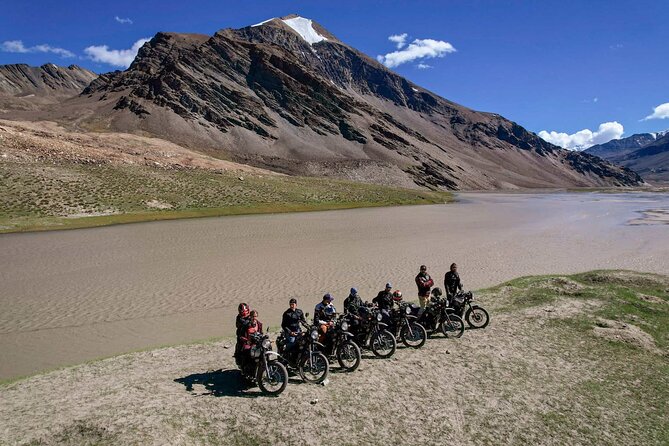
This is where the tour earns trust. It explicitly includes a backup vehicle that carries luggage and the mechanic from day 3 through day 10. That matters because Ladakh trips often fail for boring reasons: a small mechanical issue or a bike problem that turns into lost time.
You also get a first aid box and an oxygen cylinder. That’s not a gimmick item—at high altitude, it’s the sort of preparation that turns a scary situation into a manageable one. It doesn’t guarantee smooth weather or trouble-free riding, but it shows the operator is thinking about the consequences of altitude and delays.
On the bike maintenance side, you’re told that spares can be changed during the tour for listed components (examples include front and rear tubes, spark plug, brake wire, brake pads, engine oil, and clutch plate). That’s a big value point because even minor fixes on remote roads can be expensive or time-consuming.
One more practical note: the tour doesn’t include medical, accidental, or theft insurance. So yes, there’s equipment and support on the ground, but you should still carry your own insurance if you want real peace of mind.
You can also read our reviews of more tours and experiences in New Delhi.

Price and Value: Why About $2,004.76 Can Make Sense Here
At $2,004.76 per person for an approximately 11-day trip, you’re not just paying for a road and a seat—you’re paying for the scaffolding. This route includes several elements that normally cost extra on DIY trips: permits and environmental fees, planned accommodations (twin-sharing), and logistical coverage with a road captain plus mechanic support in the middle stretch.
The meal inclusion helps your budget too. You get 10 breakfasts and 9 dinners. That may sound small compared to a bike rental, but it changes your day-to-day stress. When you’re high up, late, or low on daylight, not hunting for food becomes a quality-of-life win.
The value gets even better when you compare it to the hidden cost of mechanical risk. The tour covers specific bike-spare replacements during the ride, plus a backup vehicle with extra fuel. That reduces the odds of a small issue turning into a costly detour—or worse, a canceled day.
The tradeoff: you pay extra for certain gear (knee and elbow guards can be hired for Rs. 750 / $11 for the whole trip) and you won’t be covered for accidental-damage spare part costs. Also, anything outside the inclusion list—like personal expenses—is on you.
The Day-by-Day Ride: From Overnight Bus to Manali’s First Highlands
Day 1: Overnight Volvo bus to Manali
Day 1 is a transfer day that helps you start with fewer hours wasted. You’ll board a Volvo bus from Delhi/Chandigarh to Manali, overnight. Plan for sleep on a bus, not a hotel bed, and set yourself up with warm layers—cooler air at elevation is usually the bigger surprise than you expect.
Why this is smart: it moves you toward the Himalayas faster without burning your first day’s energy.
Day 2: Bhuntar welcome and Manali check-in
When you reach Bhuntar, your Expedition Guide meets you at the bus stand, and you head to your hotel to rest. This is a good buffer day because it lets you acclimate a bit before the real riding begins.
From a comfort standpoint, I like that you don’t jump straight into long riding immediately after the overnight transfer.
Day 3: Manali, Atal Tunnel, Sissu, and the way toward Jispa
After breakfast, your day starts with a chain of stops designed for quick breaks and photos rather than slow sightseeing. You’ll reach Manali for photo/video stops, then hit the Atal Tunnel (named after former Prime Minister Atal Bihari Vajpayee), and continue through the Sissu area.
You’ll also have a Tandi stop for petrol, then continue to Jispa for night stay.
What to consider: this kind of stop-heavy day can be fun, but it also means less time sitting still. Bring a way to protect your phone/camera from dust and cold wind, because your eyes will be busy and your hands will keep moving.
Day 4: Darcha check, Shinkula Top views
This day includes a brief stop at Darcha for document detail verification—handled for you, so you’re not stuck doing paperwork in the open air. Then you ride on with a stop at Shinkula Pass (Shinkula Top).
This is a classic mountain-pass “stop for photos and breath” moment. The drawback is the same as all high-pass photo stops: you’ll want a quick shot, but you don’t want to linger so long that cold saps your energy.
Lamayuru and the Singga La Moment: When the Ride Gets Serious
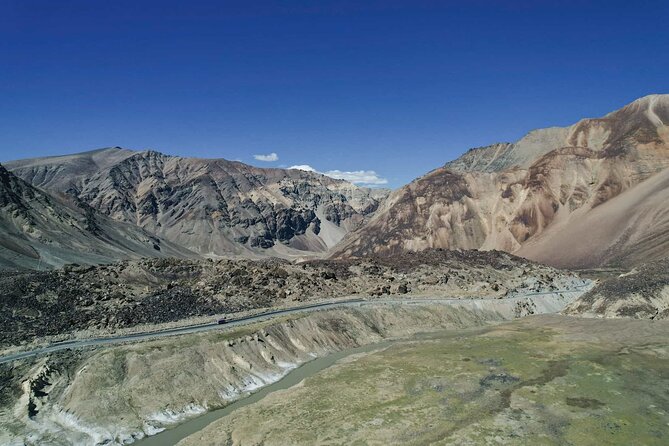
Day 5: Padum to Lamayuru (332 km, 9–10 hours)
Day 5 is a long one: 332 km and about 9–10 hours riding. The route includes two high mountain passes; one specifically called out is Singga La, at 5009 meters.
This is the day where the expedition vibe really clicks: fewer towns, more raw terrain, and that steady “we’re going higher” feeling that never quite stops. Photo breaks exist, but don’t plan on a leisurely pace.
What I’d advise: treat this day like a performance event. Stay hydrated, eat what you can at breaks, and keep your riding smooth. At altitude, jerky acceleration and overconfidence tire you faster than you expect.
Day 6: Leh ride and a proper Leh market break
After breakfast, you ride from the Lamayuru area toward Leh, covering 127 km in about 3–4 hours depending on road conditions and scenic stops. Then you get time in Leh Market for rest and browsing.
This day matters because you get a real reset after the heavy riding. Leh Market is useful for practical needs—buying small supplies, grabbing snacks, or just letting your body stop bracing for the next pass.
If your legs feel heavy, this is the day to let them loosen up.
Nubra Valley via Khardung-La: Gompa Photos and a Different Kind of Descent
Day 7: Leh to Nubra Valley through Khardung-La (around 18,000 feet)
This is a big-ticket day. You ride toward Nubra Valley via Khardung-La, listed around 18,000 feet, with photo/video stop time. Then you stop at Khardung for a tea break.
After that comes Diskit Gompa, with an included stop (about 1 hour) for photos and video, then lunch and continue to Hunder for night stay.
Two reasons I like this portion of the route:
- You get a spiritual/cultural stop (Diskit Gompa) without it eating the whole day.
- You end with a valley stay (Hunder), so you can sleep without immediately climbing back into a high-pass mindset.
One consideration: the day is long and altitude-heavy. If you’re prone to headaches or nausea at elevation, you’ll want to go slow during stops and keep breathing steady before you ride again.
Pangong Tso and the Shyok River: Long Ride, Big Water, Cold Air
Day 8: Hunder area to Pangong Lake (180 km, 6–7 hours)
Day 8 runs 180 km and takes about 6–7 hours, with the route described along the Shyok River banks. Stops include Agham for tea, Durbuk for lunch, and Pangong Tso for photos and videos. You stay overnight at Merak, on the bank of Pangong Lake.
This is a different kind of mountain day. Instead of only passes and villages, you get the feeling of a huge destination pulling the day forward. The most common issue here isn’t getting there—it’s how quickly the cold can sneak up on you when you’re stopped for photos.
Tip: keep a warm layer accessible. You won’t regret it when you’re standing outside for those “just one more shot” moments.
Hanle Day: More Remote, More Patience
Day 9: Pangong area to Hanle (about 150 km)
You ride to Hanle covering around 150 km. The stop sequence includes Chushul for photos/videos, Mahe for tea, Nyoma for lunch, then Hanle for night stay.
This is where the trip shifts from landmark sightseeing into remote-road endurance. Fewer conveniences, more waiting for the road to open, and a pace that suits real road riders.
If you hate slow downtime, you might find this slower-feeling day challenging. If you like the quiet “let the road teach you” side of Ladakh, this portion is pure payoff.
Umling La and the Ride Back Toward Leh: Fast, High, and Finishing Strong
Day 10: Back toward Leh with Umling La and Khardung-La
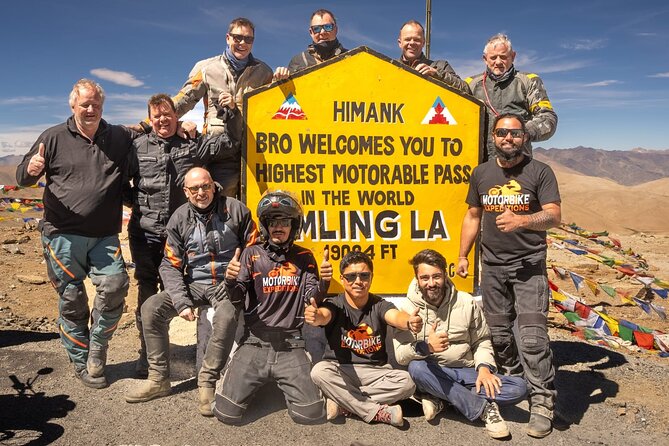
On day 10, you head back toward Leh from the Nubra side of the route, with Umling La included as a stop for photos and videos on the world’s highest motorable road (as described). The schedule also mentions Khardung-la as an adventure and notes it as the world’s highest motorable pass. Then there’s Hanle for lunch and finally Leh for overnight stay.
This is an energetic finish. When you’re already tired from the earlier days, high-altitude riding can feel like it’s asking for more attention than you have left. That’s exactly why I like that this expedition includes a backup vehicle and mechanic support for most of the bulk riding days.
Plan your energy for this day like you would for a final exam: keep your focus, avoid risky overtakes, and don’t spend your breaks sprinting around for photos. You’ll get the pictures without the burnout.
Day 11: Farewells and an overnight ride toward Delhi
The final day is framed as a group farewell, then an overnight journey of about 12 hours that ends in India’s capital. You’ll say goodbye to your fellow riders and hope the same road calls again.
If you’re the type who gets emotional after a shared hardship (normal!), this day hits.
Practical Gear, Packing, and Fitness: The Stuff That Actually Impacts Your Ride
You don’t need to be a mountain athlete, but the tour does expect moderate physical fitness. That’s mostly about being comfortable riding for long stretches and handling altitude.
Also pay attention to baggage rules. The tour advises your maximum baggage size not exceed 60 liters, because you’ll carry luggage to the backup vehicle and into accommodations.
Riding gear note: knee and elbow guards can be hired for Rs. 750 / $11 for the whole trip. The listing doesn’t say helmets or full riding suits are included, so make sure you have the right protection for the kind of cold wind you’ll face.
If you’re deciding what to bring, keep it simple:
- Warm layers you can reach fast
- Gloves you can use on stops and still control the bike
- A way to protect phone/camera from dust and cold wind
Who Should Book This Ladakh Motorbike Expedition (and Who Might Not)
This trip fits best if you want a guided route, serious mountain passes, and built-in support while still riding your own bike.
You’ll likely be happiest here if:
- You want high-pass thrills like Singga La (5009 m), and the Khardung-La / Umling La type milestones
- You don’t want to handle permits, timing, and logistics by yourself
- You’re okay with long riding days and cold stops
- You like structured breaks—petrol stops, tea breaks, photo windows—rather than wandering without a plan
You might reconsider if:
- You’re highly sensitive to altitude or hate long days on the bike
- You want fully private, totally flexible pacing (this is a private tour, but it’s still a fixed route)
- You’re hoping the cost includes insurance or accident damage coverage (it does not)
Should You Book This 11-Day Ladakh Bike Tour?
Based on what’s included and how the ride is set up, I’d book this if your priority is riding Ladakh with mechanic-and-backup support and you’re comfortable with altitude and long days. The strongest selling points are practical: oxygen and first aid, the backup vehicle during the critical middle stretch, and maintenance coverage for specific routine parts.
If you’re on the fence about reliability, the operator’s strong reputation helps—this trip shows a 5-star rating across 84 reviews with 99% recommending it. That’s not a guarantee, but it is a sign the expedition consistently lands well.
Just don’t treat it like a casual sightseeing stroll. This is a real bike expedition. If you plan for cold, stamina, and the altitude learning curve, you’ll get the kind of Ladakh you can’t replicate from a bus window.
FAQ
Where does this motorbike tour start and end?
The listed start and end point for the activity is Leh 194101.
How long is the tour?
The tour is about 11 days.
What happens on the first day?
You board a Volvo bus to Manali from Delhi/Chandigarh, and it’s an overnight journey.
Is there any backup support during the ride?
Yes. A backup vehicle carries luggage and the mechanic from day 3 to day 10, and the tour includes a first aid box and an oxygen cylinder.
What meals are included?
Breakfast is included 10 times and dinner is included 9 times.
Are any bike repairs or spare parts included?
The tour includes spare part changes for listed items during the trip. It also notes that costs for spare parts used due to accidental damage while the bike is in the rider’s possession are not included.
What about riding gear—do you need to bring it?
Knee pads and elbow guards can be hired for Rs. 750 / $11 for the whole trip. The tour specifically mentions this rental cost.
Is baggage limited?
Yes. The tour advises a maximum baggage size not exceeding 60 liters since you carry luggage to the backup vehicle and into accommodations.
Is insurance included?
No. The tour data says insurance for medical, accidental, or theft is not included.
What if the weather is bad?
The experience requires good weather. If it’s canceled due to poor weather, you’ll be offered a different date or a full refund.