REVIEW · NEW DELHI
New Delhi: Sanjay Colony Slum Tour with Locals
Book on Viator →Operated by Delhi by Locals · Bookable on Viator
A Delhi walk with real-world stories. This Sanjay Colony experience puts everyday life on the path in a way most visitors never see, with locals guiding you from the Harkesh Nagar Okhla Metro area into the community.
I really like how the guides focus on practical questions—how people live, work, and handle daily needs—without making it feel like a show.
I also like the small comforts built in: local tea and a water bottle help you stay steady during the 1 hour 45 minute walk. It’s not just information; it’s an experience that keeps you human and present.
One consideration: this is not a casual sightseeing detour. You’ll hear about tough realities like finding water and making a living, so if you want only light entertainment, this may feel heavy.
In This Review
- Key highlights that make this tour worth $12
- Sanjay Colony in New Delhi: what you actually learn
- Meeting at Okhla Metro: easy start, and a sensible endpoint
- The walk through daily life: work, faith, home, and hard questions
- Learning By Locals: where education work becomes visible
- Seeing a primary school from the outside: what to notice
- Price and value: why $12 can feel like a bargain
- Logistics that matter: what to plan before you go
- Who should book this tour (and who might skip it)
- Should you book Sanjay Colony with locals?
- FAQ
- Where does the Sanjay Colony tour start?
- How long is the tour?
- What does the tour cost?
- Is pickup offered?
- What is included in the price?
- Will I receive a mobile ticket?
- How large are the groups?
- What’s included at the Learning By Locals stop?
- Will we see the school during the tour?
- Can I cancel for free?
Key highlights that make this tour worth $12
- Local-guided access to Sanjay Colony, with a small group size that keeps questions possible
- Tea and water included, so you can focus on the walk instead of planning around it
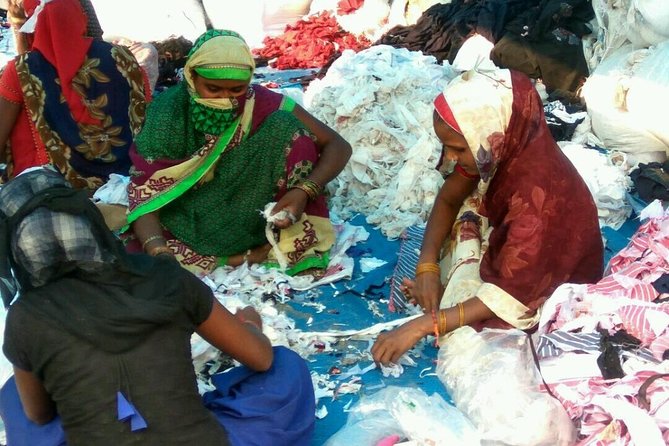
- Real-life work themes, including clothing-industry livelihoods you can see discussed on the ground
- Learning By Locals stop, tied to education and youth support in the area
- School viewing from outside, paired with an explanation of the local education system
- Respect-first approach, highlighted by how guides handle visitor sensitivity thoughtfully
Sanjay Colony in New Delhi: what you actually learn
New Delhi has over 700 slums, and this tour takes you into one of them: Sanjay Colony, home to roughly 60,000 people. The point isn’t shock value. It’s context—how a neighborhood functions when daily challenges are part of the rhythm.
You’ll get a guided walk that covers everyday life topics you can understand quickly: home routines, religion, the education system, and the real work people do. One theme that comes up clearly is the effort required for basic needs, including the challenge of getting water.
And because it’s local-led, you can ask questions in the moment. That matters. You’re not stuck watching from the edge of a fence line hoping someone explains what you’re seeing.
You can also read our reviews of more tours and experiences in New Delhi.



Meeting at Okhla Metro: easy start, and a sensible endpoint
You’ll start near public transit at Harkesh Nagar Okhla Metro Gate no. 2. The location is specific enough to find without stress, and it’s set up for quick access once you arrive in the Okhla area.
At the end, you’re dropped near the Okhla Phase II metro area (Gate G-16), close to Harkesh Nagar’s G-block. If you booked a private tour with the car, the provider also notes help getting back to your hotel via Uber or taxi.
This kind of routing is practical for a day in New Delhi. You can do it early or late without turning it into a logistics puzzle.
The walk through daily life: work, faith, home, and hard questions
This is a neighborhood walk, not a slideshow. You’ll move through Sanjay Colony with your local guide and hear stories about day-to-day life—things like religion and home life—along with the pressures people face every day.
A big part of the experience is understanding livelihoods, including work tied to the clothing industry. You’ll see how the neighborhood supports people through jobs connected to garments and related tasks. It’s the kind of topic that’s hard to grasp from headlines, but easier when a local explains how it fits into daily life.
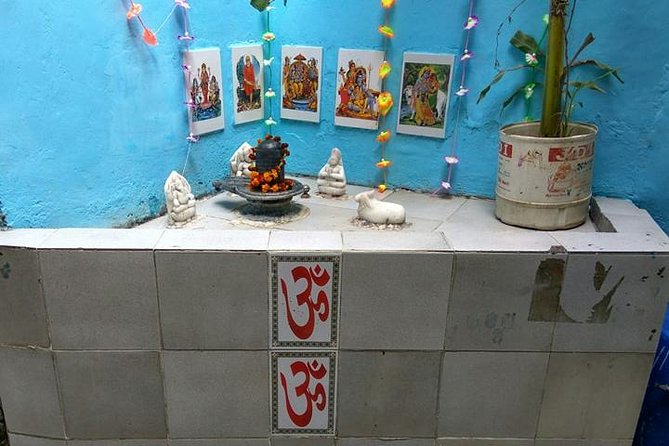
You may also pass a temple as part of the walk, which helps explain religion not as an abstract concept but as something that shapes routine and community.
The tone is important. The guides aim to make visitors feel comfortable asking questions—without turning residents into props. In practice, this shows up in how the walk stays focused on human stories and everyday explanations rather than sensational details.
Learning By Locals: where education work becomes visible
One of the most valuable parts of the experience is the stop with Learning By Locals, a local NGO focused on education and youth empowerment work. This is where the tour connects the dots between daily life and longer-term change.
You’ll get a chance to see how the organization’s efforts show up in the community. In the strongest moments, it feels less like you’re learning about a charity and more like you’re learning about a system of support—one that involves students and the people helping them stay on track.
Guides can also bring the conversation to specifics. Names that come up in guide responses include Badal and Sukhmani, and both are described as supportive and careful with the visitor experience. If you’re the type who likes to ask follow-up questions, this stop is a good place to do it.
A key value here is honesty. You get the education angle, but you also understand what education means in a place where daily challenges are real and consistent.
Seeing a primary school from the outside: what to notice
You’ll also visit s.d.m.c primary school from outside, with an explanation of the education system. Even though you’re not going inside (based on what’s provided), the viewpoint still helps you make sense of how local schooling is structured.
When guides explain the education system from the sidewalk, it encourages you to observe without rushing. You can think about questions like: What resources exist? How does schooling function day-to-day? How do kids and families plan around school life?
This part of the tour works best if you bring a curious mindset rather than expecting a polished museum experience. The goal is understanding the role education plays in the community, not checking off a landmark.






Price and value: why $12 can feel like a bargain
At $12 per person for about 1 hour 45 minutes, this tour is priced for access, not exclusivity. What makes it feel like value is the combination: a local guide, time spent on real community topics, and practical extras like local tea and a water bottle.
Pickup is noted as offered, and the endpoint is set up near the metro again. That reduces the hidden cost of your time—no long detours, no trying to coordinate a complicated return while you’re already in the neighborhood.
Also, the group size stays small. You’re limited to a maximum of 6 people per booking, and the activity has a maximum cap of 10 travelers. Smaller groups usually mean better conversation, and in a tour like this, conversation is the whole point.
Logistics that matter: what to plan before you go
This experience is described as near public transportation and suitable for most travelers. It also includes a mobile ticket, and you get confirmation at the time of booking.
For comfort, plan around the walk. You’ll receive tea and water, but wear shoes you can move in. You’ll want to keep your attention on the stories, so don’t show up dressed only for photos.
Photography is not mentioned in the information provided, so I’d treat this like a respectful community walk first and a photo stop second. If anything feels sensitive, you’ll do best by keeping your focus on listening.
Who should book this tour (and who might skip it)
This tour fits you if you want a New Delhi experience that’s grounded and human. You’ll like it if you’re curious about education, daily survival challenges, and how livelihoods connect to the local economy, including clothing-related work.
You might want to skip it if you’re looking for a light, purely scenic activity. Because the tour covers challenges like water and day-to-day hardship, it can hit emotionally.
It also helps if you enjoy guided conversation. This is built for questions—especially during stops like Learning By Locals and the school viewing from outside.
Should you book Sanjay Colony with locals?
If you care about understanding how cities work at street level, I think you’ll get a lot from this tour. The best reason to book is that you’re not just looking—you’re learning through a local guide’s explanations about life, faith, school, work, and community challenges.
If you decide to go, go with patience. This isn’t about speed. It’s about seeing daily life clearly, with tea, water, and local stories doing their part to keep you comfortable enough to pay attention.
FAQ
Where does the Sanjay Colony tour start?
The start point is Harkesh Nagar Okhla Metro Gate no. 2 in New Delhi.
How long is the tour?
The duration is about 1 hour 45 minutes.
What does the tour cost?
The price is $12.00 per person.
Is pickup offered?
Yes, pickup is offered.
What is included in the price?
Included items are local tea, a water bottle, and a local guide.
Will I receive a mobile ticket?
Yes, the experience includes a mobile ticket.
How large are the groups?
The tour has a maximum of 6 people per booking, with a maximum of 10 travelers for the activity.
What’s included at the Learning By Locals stop?
Learning By Locals is included as a stop during the tour.
Will we see the school during the tour?
Yes. You’ll see s.d.m.c primary school from outside and learn about the education system.
Can I cancel for free?
Yes. There is free cancellation and you can cancel up to 24 hours in advance for a full refund.