REVIEW · NEW DELHI
Old Delhi City Tour With Rickswa Ride!
Book on Viator →Operated by INDIA through my eyes · Bookable on Viator
Old Delhi moves fast; this tour keeps up. I like the tight stop sequence—Jama Masjid, Red Fort, Chandni Chowk, Khari Baoli, and Sis Ganj Sahib—because it gives you a clear route through the old city. I also like the pickup plus air-conditioned car with an expert English-speaking guide who keeps explanations going while you’re traveling. The main trade-off is that admission isn’t included for Jama Masjid and Red Fort, and meals and drinks are on your own.
With time in the markets, you get a taste of daily life around Chandni Chowk’s lane networks and the spice bazaar at Khari Baoli. There’s also room for street food favorites and a short rickshaw ride, so the day isn’t only statues and stone.
In This Review
- Key things that make this Old Delhi tour worth your time
- Why This Old Delhi Circuit Works in 4–6 Hours
- Pickup, Private Car, and a Guide Who Keeps the Day Coherent
- Stop 1: Jama Masjid for Monument Scale and First-Time Orientation
- Stop 2: Red Fort for Mughal Power and a Longer, Worth-It Visit
- Chandni Chowk: The Market Spine You’ll Feel in Your Feet
- Khari Baoli Spice Market: Wholesale Spices and Big-Scale Smells
- Gurudwara Sis Ganj Sahib: A Calm Focus in a Loud Area
- Rickshaw Lane Time and Street Food Options: Where the Day Gets Real
- Price and Value: What $50 Buys (and What You’ll Still Pay For)
- Who This Tour Suits Best (and Who Might Want Something Different)
- Should You Book This Old Delhi City Tour?
- FAQ
- How long is the Old Delhi city tour?
- What places does the tour include?
- Is pickup included?
- Are admission tickets included?
- Does the tour include meals?
- Is the guide English speaking?
- What are the tour hours?
- Can I cancel for a full refund?
Key things that make this Old Delhi tour worth your time
- An Old Delhi hit list in one day: Jama Masjid, Red Fort, Chandni Chowk, Khari Baoli, and Sis Ganj Sahib, in a sensible order.
- Guide time that feels personal: your group gets undivided attention while you move from site to site.
- Transport that saves your energy: private air-conditioned car helps when crowds and heat are doing their thing.
- Markets plus a spice stop: Chandni Chowk for shopping energy, Khari Baoli for wholesale spices and ingredients.
- Short rickshaw lane time: just enough to feel the street vibe without stealing the whole day.
Why This Old Delhi Circuit Works in 4–6 Hours

Old Delhi is the kind of place where you can see a lot, but also get lost fast—especially if you’re trying to time religious sites, big forts, and busy markets all in one day. This tour solves that with a clean route: mosque first, then the Mughal-era landmark, then market streets, then spice wholesaling, and finally a Sikh shrine. You get a full “old city sampler” without bouncing around.
I also like how the pacing matches the real-world texture of the area. You get meaningful time at each main stop—about 45 minutes at Jama Masjid and 1.5 hours at Red Fort—then shorter blocks for the market and spice lanes. That helps you actually look, not just arrive for a photo and sprint away.
One practical note for planning: because entry for Jama Masjid and Red Fort isn’t included, you’ll want to budget extra money for those two stops. The rest of the route is listed as free entry, which helps keep the overall out-of-pocket cost manageable. And because meals and drinks are not included, plan your day like a choose-your-own-snacks kind of morning and afternoon.
You can also read our reviews of more city tours in New Delhi


Pickup, Private Car, and a Guide Who Keeps the Day Coherent
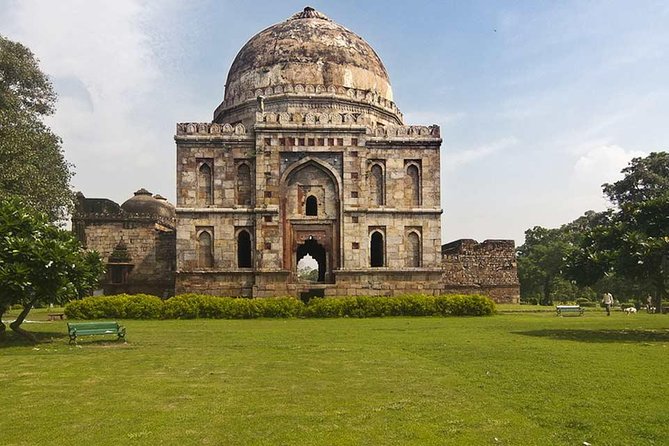
This is a private tour/activity, meaning it’s just your group—no mixed crowd herding. In practical terms, that often makes the experience smoother. You’re not waiting around while someone’s searching for a bathroom, and you can ask questions without feeling like you’re interrupting a busy guide.
The air-conditioned car is a big deal in Delhi’s heat and traffic. You’re not spending the whole day stuck in stop-and-go while everyone tries to read maps. Instead, you use that transport time to reset and listen, then you drop into the lanes when it’s time to walk.
You’ll also have an English-speaking guide who’s described as giving engaging, educational explanations. From the names that have shown up in past experiences (like Vishal and Prashant Upadhyay, sometimes listed as Parashant), the common thread is clarity and friendliness—plus a sense of adjusting to what you care about. That matters in Old Delhi, where history and street life are happening side by side. A good guide helps you connect the sights to the lived-in chaos rather than treating everything like separate photo stops.
Stop 1: Jama Masjid for Monument Scale and First-Time Orientation
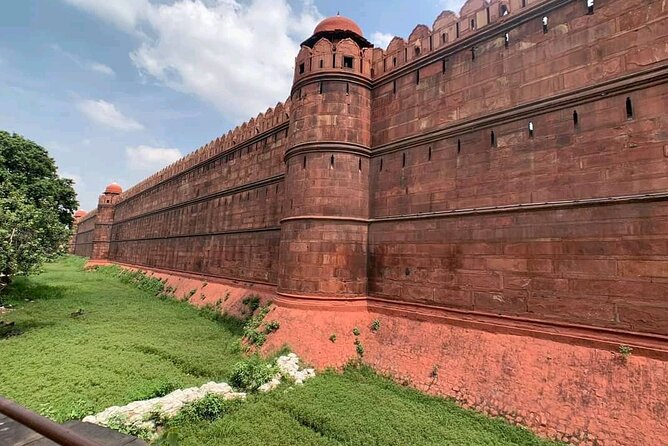
Jama Masjid is one of the big “start here” landmarks in Old Delhi. You’re scheduled for about 45 minutes, and the big thing to know is that admission isn’t included. So yes, you’ll likely need to pay entry on the day. It’s a common extra, and it’s worth it if you want the full feel of the mosque rather than a quick curbside look.
Jama Masjid was built in the 1600s by Mughal Emperor Shah Jahan, between 1644 and 1656. Even if you don’t memorize dates, the architecture helps you understand what Old Delhi was designed to project: power, faith, and city scale in one statement.
The other reason to put Jama Masjid early is psychological. Markets and crowds can overwhelm your brain by midday. Starting with a major landmark gives you a baseline. You can then interpret what you see later—Chandni Chowk’s positioning, the flow of the neighborhood, and how the old city’s commercial life sits next to its religious landmarks.
Stop 2: Red Fort for Mughal Power and a Longer, Worth-It Visit
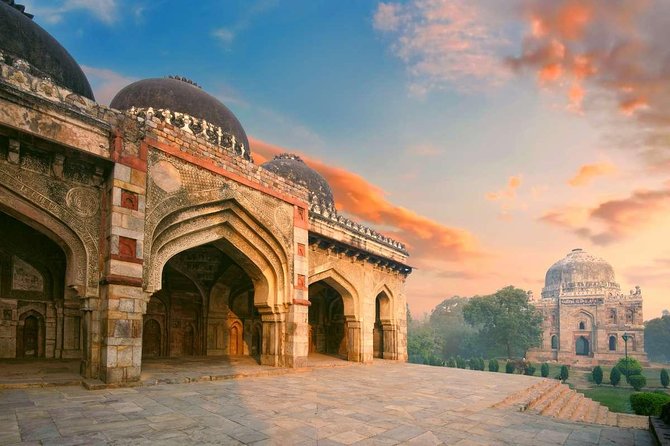
Red Fort gets about 1 hour 30 minutes, which is the right amount of time if you want more than a “look and leave” experience. Like Jama Masjid, admission isn’t included here either, so you’ll want to factor that in.
Historically, Red Fort served as the main residence of the Mughal emperors in Old Delhi. Shah Jahan commissioned the fort, and that connects the stop back to the theme of the day: rulers building institutions that shaped the city’s geography and daily rhythm.
Here’s what I’d watch for as you plan your time inside the fort: Old Delhi can be sensory overload—smells, noise, movement—so having this longer block gives you a chance to slow down. You’ll get space to look at details and understand what makes the place important, instead of rushing through while you’re already tired.
If you’re the type who hates waiting in lines, it helps to know that the guide’s job is to manage the visit so you spend time viewing rather than guessing. Still, since admission isn’t included, expect some extra payment and time on-site before you fully enter.
Chandni Chowk: The Market Spine You’ll Feel in Your Feet
Chandni Chowk is where the old city’s energy turns into shopping streets. You get about 1 hour, and this part is listed as admission free.
The key thing about Chandni Chowk is age and intensity. It’s described as one of the oldest and busiest markets in Old Delhi. It’s also positioned so that the Red Fort is at the eastern end, which helps you connect the “fort” to the “market street.” That’s the kind of urban planning history that you don’t fully get from a museum label.
What makes this stop work on a guided day is that you can look around without feeling like you need to know what every shop sells. The guide can help you interpret what you’re seeing—whether it’s everyday goods, street-level commerce, or the way the street feels like a working neighborhood instead of a theme park.
If you want one practical strategy: treat Chandni Chowk like your walking-and-sniffing zone. You’ll likely spot tempting food options and shops for all kinds of items, but you don’t need to buy everything. Just enjoy the rhythm and use the street food opportunity later when you’re ready.






Khari Baoli Spice Market: Wholesale Spices and Big-Scale Smells

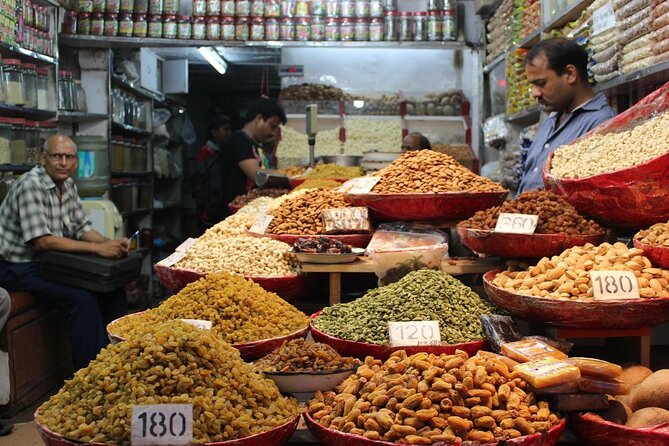
Next up is Khari Baoli, about 30 minutes, and also admission free. This is the spice stop. It’s described as wholesale grocery street and as selling a wide range of spices, nuts, herbs, and food products. It’s noted as operating since the 17th century, which gives the stop extra weight beyond “cool market photos.”
One of the best parts of Khari Baoli is that it’s not trying to be gentle. It’s working wholesale trade. That means you’ll see ingredients in bulk and the kinds of shop setups that help you understand how spice moves through the food chain.
Because your time here is short, it’s smart to use your guide for quick context. Ask what you’re looking at. The guide can help you understand why some stalls focus on specific categories and what the market is known for. That turns your visit into more than a smell fest—it becomes a sense-making stop.
And if you’re thinking about street food later: Khari Baoli is the perfect setup. You’ll start recognizing spice combinations and ingredients you’ll probably see in food stalls around Old Delhi.
Gurudwara Sis Ganj Sahib: A Calm Focus in a Loud Area
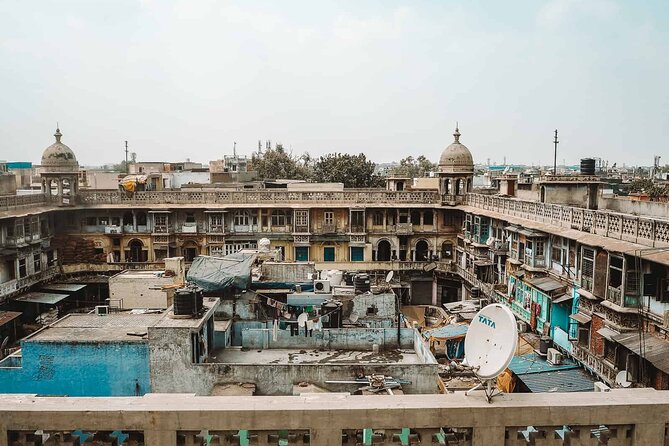
Gurdwara Sis Ganj Sahib is scheduled for about 30 minutes and is listed as admission free. It’s one of the nine historical gurdwaras in Delhi and was first constructed in 1783 by Baghel Singh to commemorate the martyrdom site of the ninth Sikh Guru, Guru Tegh Bahadur.
This stop is a good mental reset. Old Delhi’s markets can run hot—visually and emotionally. Having a religious site later gives the day balance. You’re not just chasing spectacle; you’re slowing down to understand the spiritual importance behind one piece of the city.
It’s also valuable because it completes the day’s map of faith and community spaces. You started with a major Mughal-era mosque and moved through markets tied to commerce and ingredients. Now you end up at a Sikh shrine with a specific historical purpose. That contrast makes the whole route feel more meaningful.
For your visit, keep expectations simple: you’re here for the atmosphere and the historical context, not for a long museum-style stop. That half hour can be enough if you’re respectful and present.
Rickshaw Lane Time and Street Food Options: Where the Day Gets Real
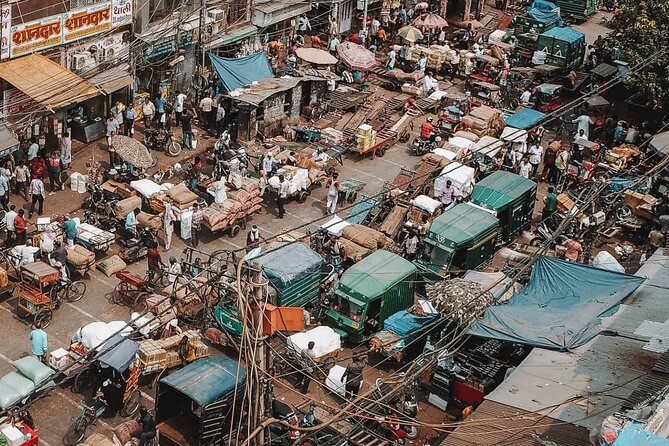
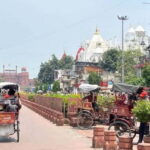
A short rickshaw ride is part of the experience, plus time to try favorite street food dishes. The ride is described as a short hop in the streets of Old Delhi, which is a good compromise. You get the sense of moving through the lanes, but you’re not losing the whole day to transport.
Street food is offered as an option, not a forced meal. Since meals and drinks aren’t included, you’re in control of what you try and how adventurous you want to be. This matters because Old Delhi has lots of choices, and different people have different comfort levels with street stalls.
I like how this part makes the tour feel like real city life. It connects the landmarks to daily behavior: people walking, trading, eating, praying, and moving through the same lanes you just visited with a guide.
Practical tip: treat street food as one or two stops, not ten. You’ll enjoy the flavor more if you’re not rushing or eating continuously while you’re also trying to take in crowded sights.
Price and Value: What $50 Buys (and What You’ll Still Pay For)

At $50 per person, the value depends on what you care about most: guidance, logistics, and time saved. Here, you’re getting an expert English-speaking guide, private air-conditioned transportation, and all taxes included. That combination adds up quickly in a city where local navigation and timing can eat hours.
What’s not included is also clear:
- Meals and drinks
- Tips (recommended)
- Admission tickets for Jama Masjid and Red Fort
That means the real “total cost” is slightly more than the base price, depending on how you handle entry fees and how much you eat. Still, this structure is common and fair: two major paid-entry sites, the rest focused on market walking and shrine visits.
If you’re comparing options, I’d weigh this like this: you’re paying to reduce the friction. In Old Delhi, friction costs time and energy. Having a guide, transport, and a timed route lets you spend your day looking at the city instead of working out where to go next.
And since it’s a private activity, it tends to be a strong deal for small groups who want flexibility, not a big bus experience.
Who This Tour Suits Best (and Who Might Want Something Different)
This tour is ideal if you want a structured Old Delhi day without feeling trapped in a checklist. If you like big landmarks but also want markets—spices, lanes, and street life—this hits your main interests in one window.
It also suits first-timers in New Delhi who want orientation. Starting with Jama Masjid and moving into Red Fort gives you a “north star” for understanding Old Delhi’s layout. Then you transition into Chandni Chowk and Khari Baoli, where the city’s trade and food culture become the main story.
If you’re the type who hates paying entry fees separately, you might hesitate because Jama Masjid and Red Fort admissions aren’t included. If you want long lounging time for shopping or extended photography, the shorter market blocks might feel limited. And if you’re traveling with very specific dietary needs, keep in mind that food is optional and meals aren’t provided.
Should You Book This Old Delhi City Tour?
I’d book it if you want a well-timed introduction to Old Delhi: major landmarks, working-market energy, and a little rickshaw lane time—all guided and organized. The biggest reasons are the private attention, the air-conditioned transport, and the tight mix of faith, fort history, and markets you can actually walk through.
I’d skip or compare if you’re trying to minimize extra costs beyond the base price, since you’ll need admission for Jama Masjid and Red Fort. Also consider whether you want more free time for independent wandering, because this tour keeps a schedule.
If your goal is to get your bearings fast and see the key neighborhoods in a single day, this is a solid choice.
FAQ
How long is the Old Delhi city tour?
The tour runs about 4 to 6 hours.
What places does the tour include?
It includes Jama Masjid, Red Fort, Chandni Chowk, Khari Baoli, and Gurudwara Sis Ganj Sahib, plus a short rickshaw ride and time for street food options.
Is pickup included?
Yes, pickup is offered, and the tour includes private air-conditioned transportation.
Are admission tickets included?
Admission tickets are not included for Jama Masjid and Red Fort. Chandni Chowk, Khari Baoli, and Gurudwara Sis Ganj Sahib are listed as free entry.
Does the tour include meals?
No. Meals and drinks are not included.
Is the guide English speaking?
Yes. The tour includes an expert English speaking guide.
What are the tour hours?
It runs daily from 7:00 AM to 5:00 PM.
Can I cancel for a full refund?
Yes. You can cancel up to 24 hours in advance for a full refund.