REVIEW · NEW DELHI
Private Tour, The Portraits of Old and New Delhi with Pickup Included
Book on Viator →Operated by Journey Dastaan · Bookable on Viator
Delhi is two cities in one day. This private full-day plan strings together Delhi’s biggest sights with markets most tours skip, including Khari Baoli spice market and the wedding-and-bangle streets around Kinari Bazaar and Churi Wali Gali. I especially like that the day doesn’t stop at monuments; you get street-level Delhi with stops that feel genuinely local.
I also like the comfort setup: air-conditioning in the vehicle, bottled water, and WiFi on board, plus pickup so you don’t burn time figuring out logistics. The one real consideration is that you’ll pack in a lot of moving parts over about 8 hours, and while many sites are listed as ticket-free in the route notes, the tour clearly says entrance tickets aren’t included—so you may still want cash/card for anything that requires it on the day.
In This Review
- Key Points Worth Knowing Before You Go
- Private Delhi Sightseeing That Actually Fits a Full Day
- Getting Set Up: Pickup, AC Comfort, and Mobile Tickets
- Qutub Minar and Humayun’s Tomb: Mughal Power Starts Early
- Jama Masjid and Gurudwara Bangla Sahib: Faith Sites With a Human Feel
- Chandni Chowk by Pedicab: Where Old Delhi Shows Its Daily Side
- Raj Ghat: A Quiet Pause on the Yamuna River
- Lotus Temple and the Idea of Faith Without Competing Symbols
- Rashtrapati Bhavan and India Gate: New Delhi’s Political Stage
- Red Fort: Mughal Stone as a City-Crown
- Price and Value: Is $90.77 Worth a Private 8-Hour Day?
- What a Great Guide and Driver Adds (and Why It Matters Here)
- Who This Tour Suits Best
- Should You Book This Private Old and New Delhi Tour?
- FAQ
- How long is the private tour?
- Is pickup included?
- What’s included in the tour price?
- Are tickets required for the monuments?
- Is this a private experience?
- What happens if the weather is bad or the tour can’t operate?
Key Points Worth Knowing Before You Go
- Rare market stops like Khari Baoli spice market and Kinari Bazaar wedding lanes add contrast to the classic monuments
- Private pace with pickup helps you avoid the worst of Delhi’s schedule chaos
- AC vehicle + onboard WiFi makes the long day easier to handle between stops
- Rickshaw/pedicab time in Old Delhi is built into the route, so you’ll actually experience the streets
- Big landmarks across eras mean you see Mughal, colonial-era, and modern design all in one arc
Private Delhi Sightseeing That Actually Fits a Full Day
This is a private, full-day sightseeing tour of Old and New Delhi designed to give you a lot of “Delhi feeling” without making you do the planning. You’ll move through major Mughal-era landmarks, Sikh and Gandhi memorial moments, then end with New Delhi monuments and the kind of city planning you usually only see when you arrive in Delhi’s government zone.
What makes the day work is the mix. If you only do famous buildings, Delhi can start to feel like a slideshow. If you only wander markets, you might miss the architecture that shaped the city. This tour tries to connect both, and it does it in a way that’s practical for an 8-hour window.
And yes, it’s private—so you’re not forced into someone else’s pace. I like that. You’ll still have to move through traffic and walking time, but at least you’re doing it as your own group.
You can also read our reviews of more private tours in New Delhi



Getting Set Up: Pickup, AC Comfort, and Mobile Tickets
Right away, the basics are handled. You get pickup included, a private air-conditioned vehicle, and bottled water plus WiFi on board. That matters in Delhi because the day isn’t just sightseeing—it’s also transport. Having AC and a reliable ride helps you stay functional between Old Delhi lanes and New Delhi roads.
You’ll also get a mobile ticket, which is convenient if you prefer not to juggle paper. One small planning tip for any day like this: keep your essentials within reach. You’ll likely be switching between vehicle time and short visits, and it’s the easiest way to avoid the classic scramble.
In terms of comfort, the route is built for “most travelers,” and the stops include a mix of short museum-style visits and active street time. So it’s not one long trek, but it’s still a full sightseeing day.
Qutub Minar and Humayun’s Tomb: Mughal Power Starts Early
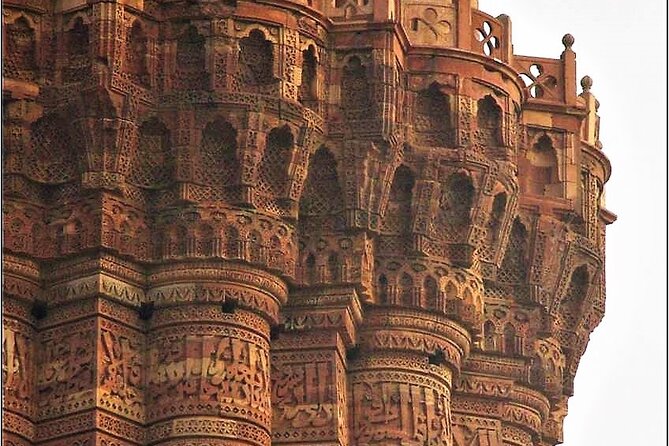
The day kicks off around Mehrauli/Qutub Minar, and it’s a smart opener. Qutub Minar is a 237-foot sandstone tower, started in 1193 by Sultan Qutb-ud-din. It’s described as an Afghan-style victory tower and minaret, which gives you a helpful mental frame: this isn’t just “pretty architecture,” it’s a statement in stone.
Even if you’ve seen photos before, the scale hits you when you’re there. The tower rises fast and you get a sense of why later Delhi empires loved building monuments that you could see from far away.
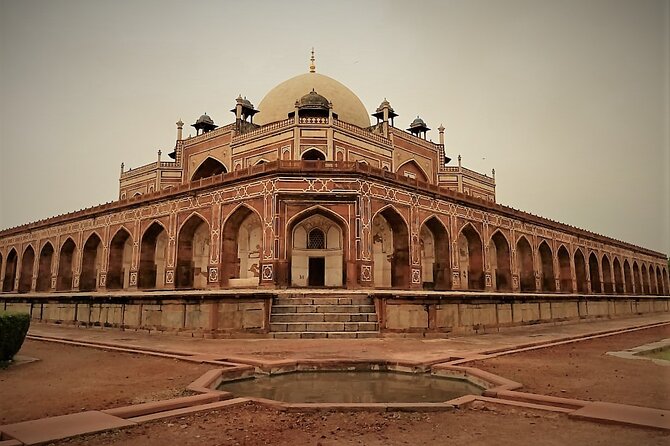
Next is Humayun’s Tomb, which is a predecessor to the Taj Mahal. It was constructed in the mid-16th century for the Mughal emperor, built by Haji Begum, Humayun’s Persian-born wife. I like this stop because it’s a bridge. You see Persian and Mughal elements combined, and that’s useful context for understanding what you’ll notice later at other major Mughal sites.
A practical consideration: the itinerary gives each of these stops around 50 minutes. That’s usually enough time to see the key features without turning it into a marathon. But if you’re the type who likes reading every plaque, you might want to linger. Since this is private, you’ll have slightly more flexibility than on a group bus.
Jama Masjid and Gurudwara Bangla Sahib: Faith Sites With a Human Feel
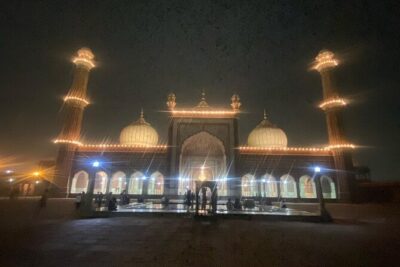
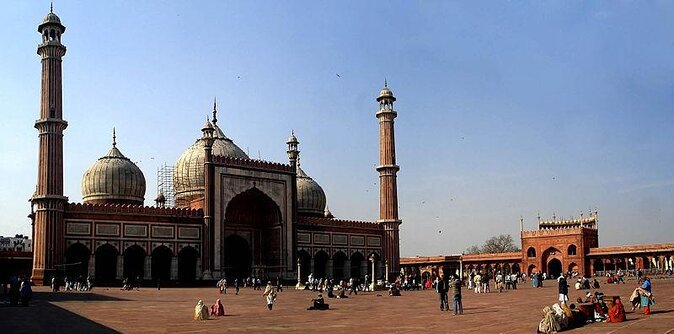
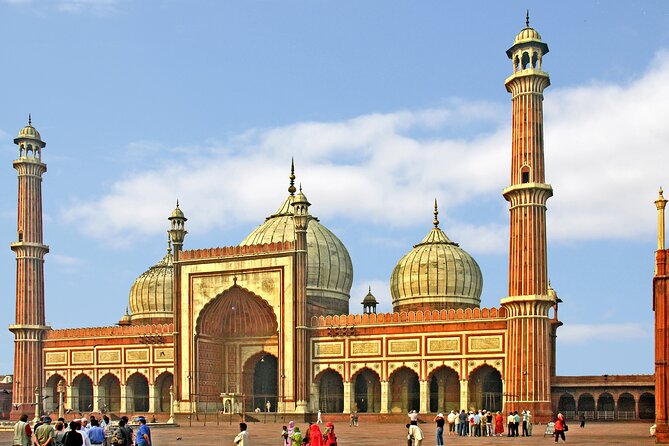
From Humayun’s Tomb, you head to Jama Masjid, the Friday Mosque built between 1644 and 1658, described as Shah Jahan’s final architectural triumph. It’s made of marble and red sandstone, and the route notes that there are two minarets standing about 40 meters high.
This is one of those places where you can appreciate both the architecture and the atmosphere. The design feels monumental, but it’s also active and communal. If you want photos, take a moment to slow down and look for viewpoints where the minarets and the main structure fit together.
Then comes a different kind of focus: Gurudwara Bangla Sahib. This is the Sikh temple where you can watch (and join if you like) the langar—voluntary group cooking and feeding program. That’s the kind of experience that often becomes the emotional highlight of a Delhi day, because it’s real daily life, not staged.
Even if you don’t join the kitchen or serving, you’ll feel the purpose of the place. It’s also a good contrast after big Mughal stone.
Chandni Chowk by Pedicab: Where Old Delhi Shows Its Daily Side
This is the heart of the “market Delhi” experience. Chandni Chowk is the famous old shopping street, and your route includes a pedicab ride around the area. That’s a practical choice. You get street views without spending the whole time negotiating foot traffic on your own.
The stop also layers in nearby religious and food streets. You’ll see the Digamber Jain Temple and Sisganj Gurudwara, plus Gali Paranthewali, which is known for parathas. Even if you don’t stop for a meal, it helps to see how food and worship sit side by side in Old Delhi.
Then you’ll reach the market specialties that make this tour feel different from the usual “monument-only” day:
- Khari Baoli, reputed as Asia’s biggest spice market
- Kinari Bazaar, linked to wedding shopping
- Churi Wali Gali, where merchants sell bangles
This is where the city can feel loud, scented, and crowded in a way that photos don’t fully capture. I like that the tour includes it as a structured visit rather than leaving you to wander blindly.
Practical tip: wear shoes that can handle uneven ground and sudden crowds. Also plan for sensory overload—spices and shops hit all at once. A little patience goes a long way here.



Raj Ghat: A Quiet Pause on the Yamuna River
After the sensory intensity of Old Delhi markets, the tour shifts to calm with Raj Ghat. It’s a memorial dedicated to Mahatma Gandhi, on the banks of the Yamuna River, and it’s described as a peaceful, well-maintained park containing a simple black-marble platform marking the spot where Gandhi was.
I like this kind of stop because it resets your head. You’ve been surrounded by architecture, religion, and commerce. Raj Ghat lets the day breathe, and it gives you a more human timeline of India—leadership, ideals, and the space to reflect.
Time here is listed at about 45 minutes. That’s enough to walk the grounds and sit for a bit if you want.
Lotus Temple and the Idea of Faith Without Competing Symbols
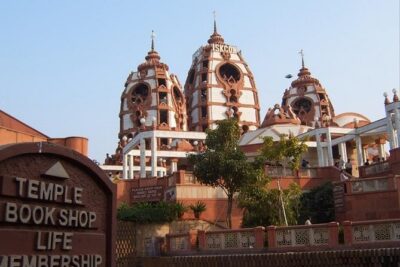
Next is the Lotus Temple, one of Delhi’s modern landmarks. It’s described as a lotus flower shape with 27 white-marble petals. The temple was created to bring faiths together, and visitors are invited to pray or meditate silently according to their own beliefs.
This place is a change of pace visually and emotionally. The lotus form is simple, symmetrical, and quiet compared to the dense geometry of Old Delhi. It also fits the tour’s theme: Delhi isn’t one style of faith or one era only.
The stop is short—about 20 minutes—but that can be perfect if your goal is to see the design and move on. If you’re the type who likes quiet photography or a longer sit, you might want to spend extra time. Since it’s private, asking for a few extra minutes is usually reasonable.
Rashtrapati Bhavan and India Gate: New Delhi’s Political Stage
After the more spiritual and memorial moments, the itinerary heads into New Delhi’s iconic state landmarks.
First is the President’s Palace, popularly known as Rashtrapati Bhavan. It was formerly home to the British Viceroy, and the building is described as having 340 rooms. Even if you never go inside, it helps to see how the city’s power centers were designed and built.
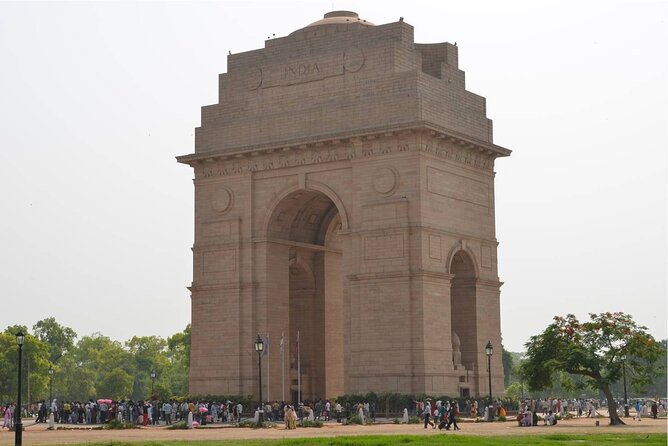
Then you get India Gate, a 42-meter-high stone memorial arch designed by Lutyens in 1921. It pays tribute to around 90,000 Indian Army soldiers who died in World War I, the Northwest Frontier operations, and the 1919 Anglo-Afghan War.
This stop is often more meaningful if you take a moment and read the story behind the names or the idea of remembrance. It’s also a good place to catch a breath before your final major Mughal highlight.
Red Fort: Mughal Stone as a City-Crown
The day ends with Red Fort, described as a symbol of Mughal power. It was founded by Emperor Shah Jahan and surrounded by an 18-meter-high wall. Construction took about 10 years, from 1638 to 1648.
I like Red Fort because it’s not only a building—it’s an entire boundary. The wall size alone gives you a sense of what the fort meant: protection, control, and authority made visible. You’ll also get a clear sense of why Mughal rulers invested in large-scale structures that could impress from both inside and outside the fort grounds.
There’s also mention of a rumor about what happened to bodies after conquest, but rumors like that are best treated as curiosity, not as a reason to rush. Your focus should be on the scale, layout, and the way the fort commands the surrounding space.
Time here isn’t specified in the notes you provided, but the full-day pacing suggests you’ll get a meaningful window. If you want more depth, you can always pair this tour with a separate heritage walk later in your trip.
Price and Value: Is $90.77 Worth a Private 8-Hour Day?
At $90.77 per person, this tour is priced for a private, all-day route that includes pickup, AC comfort, WiFi, bottled water, and private transport. That’s the real value: you’re paying to remove friction.
In practical terms, you’re buying:
- time saved on transport planning and waiting around
- comfort between Old Delhi and New Delhi stops
- a built-in itinerary that mixes markets and major monuments
You should also factor in what’s not included. The tour lists entrance tickets to monuments and features as not included. The route notes also show “admission ticket free” for several stops, which suggests some sites may not charge entry. Still, I’d treat entrance costs as a possibility. If you’re traveling with someone who hates surprise expenses, it’s worth double-checking which stops require tickets for your exact date.
Compared with a cheaper group bus, the private element is what protects your day. Delhi isn’t a place where you want to waste time negotiating meet points or waiting for late arrivals.
What a Great Guide and Driver Adds (and Why It Matters Here)
The quality of the day often comes down to two people: your guide and your driver. The experience notes point to an excellent guide and driver who are very informative about what you’re seeing and help keep everything moving.
That’s a big deal in Delhi. When you’re hopping from Qutub Minar to Humayun’s Tomb to Jama Masjid to Old Delhi lanes, it helps to understand what you’re looking at and when it makes sense to photograph something. A strong guide also helps with etiquette at faith sites and keeps the day from turning into random wandering.
If you want more than a checklist, pay attention to how your guide explains context and helps you get the most out of each short stop.
Who This Tour Suits Best
This is a great fit if you:
- want a private day that covers both Old and New Delhi
- care about markets as much as monuments
- prefer comfort in transit, especially for a full 8-hour schedule
- like having a structured route so you can focus on seeing instead of planning
It might be less ideal if you:
- want a slow, deep museum-style day with long stays at each site
- hate any chance of extra costs from entrances, since tickets are listed as not included
The route does include active street time in Old Delhi, so bring practical shoes and expect sensory overload around the market streets.
Should You Book This Private Old and New Delhi Tour?
If you want one efficient day that gives you Delhi’s major “must-see” landmarks plus the street texture of Old Delhi, I’d book it. The market-focused stops—Khari Baoli spice market, Kinari Bazaar wedding lanes, and Churi Wali Gali—are the difference-maker. They turn the day from a monument circuit into a real city experience.
Just go in with the right expectations: it’s full-day, you’ll move around a lot, and the entrance-ticket situation can be mixed. If you plan for that, you’ll get a memorable snapshot of Delhi across eras—Mughal stone giants, Sikh community life, Gandhi’s memorial calm, and New Delhi’s ceremonial architecture.
FAQ
How long is the private tour?
It runs about 8 hours (approx.) as a full-day sightseeing route.
Is pickup included?
Yes. Pickup is offered as part of the tour.
What’s included in the tour price?
The tour includes an air-conditioned vehicle, bottled water, WiFi on board, and private transportation. Admission tickets to monuments and features are not included.
Are tickets required for the monuments?
The notes say entrance tickets to included monuments and features are not included, even though some itinerary stops are marked as free-entry. It’s smart to confirm which specific sites require tickets on your date.
Is this a private experience?
Yes. It’s a private tour/activity, so only your group participates.
What happens if the weather is bad or the tour can’t operate?
The experience requires good weather. If it’s canceled due to poor weather, you’ll be offered a different date or a full refund. There’s also a minimum number of travelers, and if that minimum isn’t met, you’ll get a different date/experience or a full refund.