REVIEW · NEW DELHI
Sultanpur The wonder of Birding from Delhi
Book on Viator →Operated by Discover Activities · Bookable on Viator
A morning wetland in India can reset your brain fast. This Sultanpur birding tour near Delhi is one of those days that feels simple, yet keeps rewarding you with surprises. I especially liked the Sultanpur National Park setting and the tight focus on spotting birds around the wetland and forest. The one drawback: it’s an early start, and you’ll want to manage your energy since there’s no food included.
I also like that the tour is built around a practical 3-hour birding window inside the sanctuary. With a guide (I had Sachin), you’re not wandering blind—you’re scanning with purpose. If you’re hoping for long, detailed bird photography sessions, the standard time may feel short unless you pay an extra per-hour charge with the guide.
In This Review
- Key things to know before you go
- Sultanpur Bird Sanctuary: a quick drive from Delhi into a bird world
- The 7:00 am start and a real 5–6 hour plan
- Inside the sanctuary: how the 3-hour wetland and forest walk works
- What you can see: migratory stars plus daily residents
- Guide help makes the difference (I had Sachin)
- What’s included, what’s not, and how to stay comfortable
- Transport logistics: private car comfort and where pickup/drop may work
- Price and value: what $85 gets you in real birding time
- Who this Sultanpur birding tour suits best
- Should you book Sultanpur from Delhi? My decision guide
- FAQ
- What time does the Sultanpur birding tour start?
- How long is the tour, and how much time is spent at the sanctuary?
- Is admission to Sultanpur included?
- What’s included in the price?
- Are food and drinks included?
- Can I cancel for a full refund?
Key things to know before you go
- Hotel pickup at 7:00 am so you can start birding while conditions are still good
- About 3 hours on-site—enough for serious spotting without turning into a whole-day slog
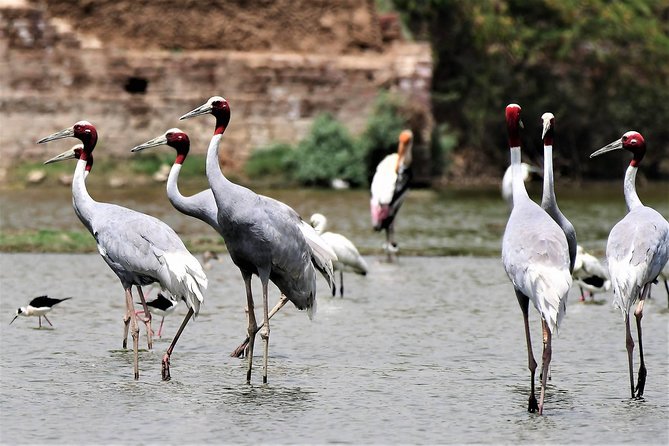
- A winter migration hotspot with over 100 migratory species arriving each year
- 250-ish bird species in the area, so repeat scanning can still pay off
- A guide’s help matters, especially for reading movement around water and reeds
- Photography is possible, but plan for extra time if you want it
Sultanpur Bird Sanctuary: a quick drive from Delhi into a bird world
Sultanpur is the kind of place that makes you look twice at what’s close to a big city. From Delhi, you head out to the Sultanpur National Park area by private vehicle, with the trip taking about two hours from your hotel area. Then suddenly you’re at a wetland and forest edge where birds feel like the main event.
What I like most is that Sultanpur isn’t only about a single species or one famous viewing spot. The park’s mix of water, marshy habitat, and nearby forest gives you multiple angles to scan. That matters because birds don’t pose politely all day. They shift between open water, muddy edges, and the cover lines that make them hard to find fast.
The tour’s format matches that reality. You’re not getting rushed through a checklist. You’re getting guided attention in a focused block of time, which is exactly how you’ll enjoy a birding day.
You can also read our reviews of more tours and experiences in New Delhi.



The 7:00 am start and a real 5–6 hour plan
This tour runs from 7:00 am. Pickup comes from your hotel in Delhi, and you return to your hotel after the birding session. The overall duration is about 5 to 6 hours, with approximately 3 hours spent in the sanctuary area.
That timing is important. Early morning birding often means birds are active and visible before the heat and wind change the scene. Also, starting at 7:00 am keeps your day from dragging—so you can still do other Delhi plans after.
One practical consideration: the tour notes that you’ll have moderate physical fitness. That doesn’t mean anything extreme, but you should expect walking and standing while you scan, especially around wetland edges.
Inside the sanctuary: how the 3-hour wetland and forest walk works
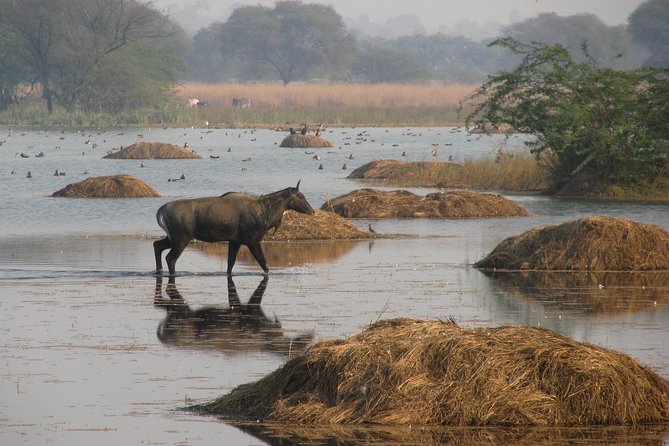
Your main block of time happens at Sultanpur National Park. With your guide, you spend about 3 hours around the wetland and forest, focusing on spotting birds. The park is described as a “small lake and wetland with some area around it,” which is great news for your planning. You’re not crossing huge distances all day.
That also shapes your success. In a smaller reserve, the guide can keep showing you the same areas from different angles as birds shift. You’ll likely spend a lot of time watching water surfaces, reed edges, and the areas where birds feed or rest.
Here’s a useful mindset for your visit: try not to demand instant results every 30 seconds. Instead, let the guide’s scanning rhythm work. Birds can be quiet, tucked, or partly hidden—then suddenly show themselves. A guide can also help you notice patterns, like where movement collects near water lines.
If you’re the type who pauses to sketch or take photos for long stretches, you can still do it. The tour allows for that, but it also hints that standard time is enough for birding rather than extended photography. For longer photography, you’d settle an extra per-hour charge directly with the guide.
What you can see: migratory stars plus daily residents
Sultanpur is a migration stop, and that’s the heart of why birders come. The sanctuary attracts more than 100 migratory bird species each year, especially in the winter season, as they search for feeding grounds and move through the region. You’re not limited to just one kind of habitat bird either—you’re scanning water birds, waders, and other species that use wetland cover.
You might spot impressive names such as Siberian cranes, greater flamingo, and spotted redshank. The list of possible sightings also includes shorebirds and ducks like ruff, common teal, and northern pintail. If you keep your eyes open for the “small but sharp” moments, you could also catch birds that are easier to overlook until you train your brain to notice them.
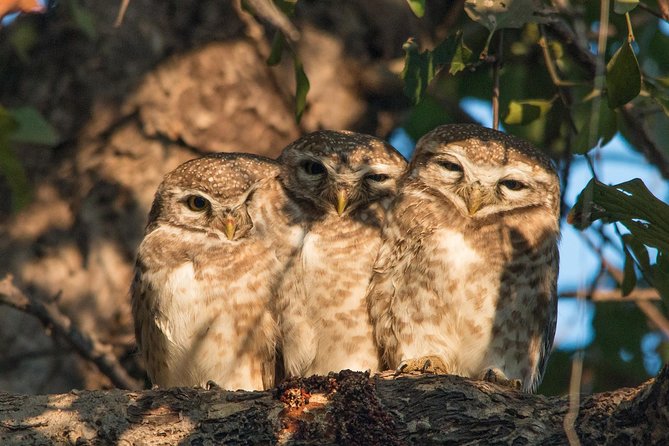
The sanctuary can also produce less expected moments. The tour highlights a long list of birds that could show up during your visit, including:
- Black-winged stilt
- White-throated kingfisher
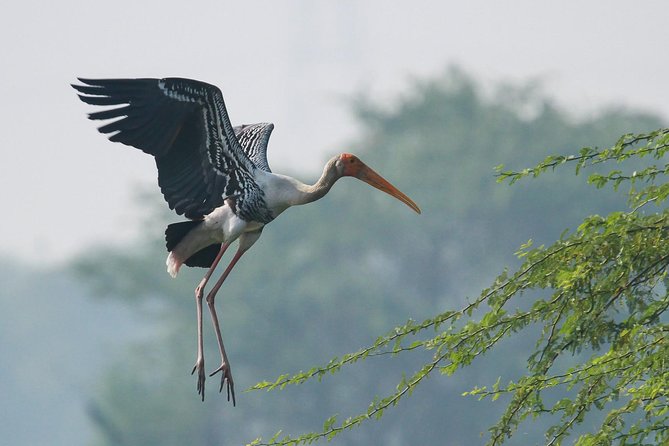
- Painted stork
- White ibis and black-headed ibis
- Eurasian collared dove
- Spotted owlet
- Magpie robin
- Eurasian thick-knee
There’s also a mention of Blue buck as a fauna element. I’d treat that as a “possible extra” rather than a guarantee, since wildlife sightings can be unpredictable day to day.
My advice: don’t treat the species list like a contract. Treat it like a menu. The best birding days are a mix of expected species and a few surprises you didn’t know you were hoping for.
Guide help makes the difference (I had Sachin)
A birding tour can be either a walk with binoculars or a real learning-and-spotting experience. The reason this one gets strong ratings is that you have a guide doing the heavy lifting: helping you locate birds, interpret what you’re seeing, and spend time where it matters.
In my case, the guide was Sachin, and it shows in the way the trip is described. The park isn’t huge, so a good guide can use that to your advantage—focusing attention on a manageable area rather than trying to cover everything at once.
What to expect from a capable guide:
- you’ll get help identifying birds you only partially see
- you’ll learn where to look as birds move between water edges and cover
- you’ll be more confident scanning, so you waste less time guessing
That guide effect matters for both new birders and serious watchers. If you’re newer, you’ll feel guided through the confusion. If you’re experienced, you’ll appreciate the added eyes and local scanning approach.






What’s included, what’s not, and how to stay comfortable
This tour includes bottled water, transport by private vehicle, and a tour guide. Admission is included for the sanctuary portion, and your birding session is the main priced component.
Food and drinks are not included. That means you should plan to eat before you go or bring something small if the timing works for you (the tour itself doesn’t provide a meal). Since you’re out from 7:00 am for about 5–6 hours, a light snack can save you from feeling drained mid-scan.
Dress code is smart casual. That’s broad, but it translates into: wear comfortable shoes you can stand in, and bring layers for morning coolness. You’ll likely spend time outside, and your comfort affects how long you can keep scanning.
One more item people sometimes overlook: a current valid passport is required on the day of travel. That’s unusual for a local day trip, so don’t skip it. Bring it with you.
Transport logistics: private car comfort and where pickup/drop may work
You’ll use a private vehicle for the drive. Pickup is from your hotel in Delhi, and the tour notes you can also have pickup and drop from the nearby Gurgaon region.
Because the drive is part of the schedule, it helps to keep the morning flexible. If you’re staying far from the pickup area, you may want to build in buffer time for reaching the car and getting settled.
Also note that it’s private in the sense that only your group participates. That’s a win if you want a quieter, less chaotic experience than large bus tours.
Price and value: what $85 gets you in real birding time
At $85 per person, this isn’t a “cheap and cheerful” outing. The good news is that the price isn’t only paying for transportation. You’re also paying for the guide, the sanctuary admission, and a structured birding slot designed for spotting.
The value equation looks like this:
- You get private transport from Delhi (and possibly Gurgaon)
- Admission is included for the sanctuary portion
- You get a guide for about 3 hours of targeted birding
- You get bottled water
Then there’s the time factor. Birding is not only about where you go—it’s also about how long you can focus without rushing. Three hours inside the sanctuary area is a meaningful block for spotting many species, especially with guidance.
If you’re serious about photography and want extra time, the tour suggests you can pay an additional per-hour charge directly with the guide. That keeps the base price more aligned with typical birding needs while still offering flexibility.
My take: if you like nature and you want a guided morning that turns scanning into actual sightings, this price can make sense. If you just want a casual stroll for a short look, you might find it pricier than expected for what it is.
Who this Sultanpur birding tour suits best
This tour fits best if you:
- want a focused birding day without planning or routing
- enjoy wetlands and birds with long viewing patience
- like guided help, especially for identification
- can handle an early start and comfortable walking/standing
It’s also a great option if you’re visiting Delhi and want one nature day that feels different from museums and markets. Sultanpur is practical, not complicated. You get a clear schedule and a clear reason to be there.
If you’re traveling with kids, consider their stamina and interest level. The tour is built for bird scanning, so it works best when the pace matches the group.
If you’re a photography-first birder, you’ll probably enjoy the standard time for getting your bearings. Then you might ask for extra hours to chase specific shots once you see what’s active.
Should you book Sultanpur from Delhi? My decision guide
Book this tour if you want a morning that’s built around bird spotting with a guide and you’re okay spending about 3 hours in one concentrated sanctuary area. The combination of early pickup, on-site time, and included admission is what makes it feel like real value, not just transportation.
Skip or reconsider if you need a relaxed start time, you expect food to be provided, or you’re set on a long photography marathon without paying extra. Also, if your passport isn’t handy, fix that before you go.
If you like the idea of seeing migratory birds such as Siberian cranes, flamingos, and ibises—or you just want the thrill of trying to spot White-throated kingfisher and other fast little characters—Sultanpur is a strong choice for a Delhi day trip.
FAQ
What time does the Sultanpur birding tour start?
The start time is 7:00 am.
How long is the tour, and how much time is spent at the sanctuary?
The overall tour is about 5 to 6 hours, with approximately 3 hours spent around the wetland and forest in Sultanpur National Park.
Is admission to Sultanpur included?
Yes. Admission ticket is included for the sanctuary portion.
What’s included in the price?
The tour includes bottled water, transport by private vehicle, and a tour guide.
Are food and drinks included?
No. Food and drinks are not included.
Can I cancel for a full refund?
Yes. You can cancel up to 24 hours in advance for a full refund. If you cancel less than 24 hours before the start time, the amount paid will not be refunded.