REVIEW · NEW DELHI
2-Day Private Tour of Agra incl Taj Mahal, Fatehpur Sikri & Agra Fort from Delhi
Book on Viator →Operated by Delhi Airport Service · Bookable on Viator
Agra packs a lot into two days. This private route from Delhi layers UNESCO Mughal sites back-to-back, so you see the Taj Mahal, Agra Fort, and Fatehpur Sikri without the hassle of sorting transport or timing. It also throws in Itmad-ud-Daula (the Baby Taj) and Akbar’s Tomb, plus a bit of optional shopping at Meena Bazaar.
I really like two things here. First, the sightseeing flow is tight: you get the smaller, more intimate mausoleum at Itmad-ud-Daula before you hit the big hitters, so the Taj Mahal lands with full impact. Second, this is a true private setup with pickup and drop-off, a dedicated private guide, and an air-conditioned car—small-group by design (max 8), which makes the day feel controlled instead of chaotic.
One thing to consider: guides can strongly influence the pacing and the commercial stops. If you’re not in the mood for selling pressure (or extra photo/market insistence), you’ll want to set your boundaries early and be clear that you’re there for monuments first.
In This Review
- Key Things to Know Before You Go
- Why This 2-Day Agra Plan Works So Well From Delhi
- Pickup, Private Car, and the “Long Drive” Reality
- Day 1 Stop 1: Itmad-ud-Daula and the Baby Taj Effect
- Day 2? No—First Day Continues at Agra Fort
- Taj Mahal Time: What a Private Guide Changes
- Overnight in Agra: Reset Your Legs and Your Expectations
- Day 2 at Fatehpur Sikri: Big Monuments, Clear Context
- Shopping at Meena Bazaar: Fun Craft Time or a Trap?
- Value for Money: Where the $277.82 Fits (and Where It Doesn’t)
- Pace and Comfort: Walking, Dress, and Timing Tips
- Who This Tour Is Best For
- Should You Book This 2-Day Private Agra Tour?
- FAQ
- How long is the tour?
- What are the main places visited?
- Is admission included for the sights?
- What’s included in the price?
- What’s not included?
- Is this tour private or shared?
- What about hotel beds—do I get to choose?
- What should I wear at the sites?
- How much walking is involved?
- What is the cancellation and refund window?
Key Things to Know Before You Go

- Itmad-ud-Daula (Baby Taj) first: a “jewel box” style mausoleum that makes the Taj Mahal feel even more impressive later
- Agra Fort highlights like the Pearl Mosque area, where you’ll see how Mughal power was built in stone
- Taj Mahal with guided routing: your guide helps you spend your time where it matters most
- Fatehpur Sikri’s big monuments including Jama Masjid and Buland Darwaza, plus time around Akbar’s Tomb
- Meena Bazaar is optional and own-expense: great for crafts if you shop with a plan
- Max 8 people and private transport: a smoother experience than piecing together public transit
Why This 2-Day Agra Plan Works So Well From Delhi
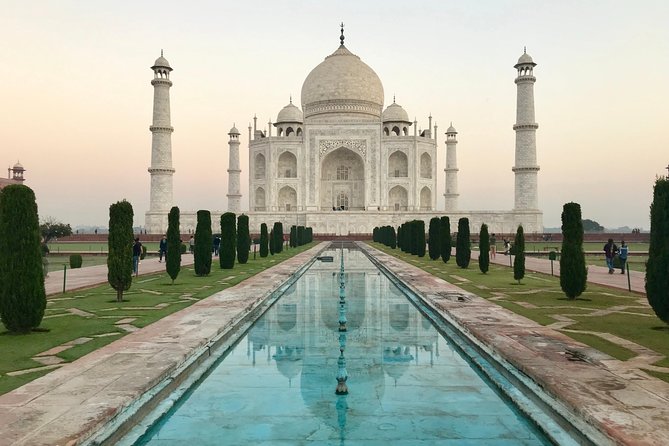
Agra can be a day-trip headache if you’re trying to coordinate trains, drivers, tickets, and “when should we leave?” questions. This tour removes the mental math by bundling the main UNESCO sites into a single, private schedule.
What I like is that it doesn’t just do checkmarks. You start with Itmad-ud-Daula, then move outward to Agra Fort and the Taj Mahal, and finish with Fatehpur Sikri and Akbar’s Tomb. That sequence helps you notice patterns in Mughal design and the way the empire used architecture to project status and belief.
You’ll also get a real overnight in Agra, which matters. You’re not trying to cram everything in one long day and risk arriving at key sights too late for good light.
You can also read our reviews of more private tours in New Delhi



Pickup, Private Car, and the “Long Drive” Reality
Let’s be honest: the Delhi-to-Agra drive takes time. The win here is that you’re not doing it on your own. You get hotel/airport pickup and drop-off, plus private transportation in an air-conditioned sedan, SUV, or minivan based on group size.
Private transport also means you can manage breaks and comfort better than you can with public options. Even if the drive feels long, you’re arriving without the stress of navigating traffic with bags, ticket counters, and language barriers.
A small note on how the tour feels on the ground: good service can make a big difference. In real-world versions of this tour, people have praised prompt pickups arranged by staff like Chandyrama, and driver/tour guide help from names such as Pankaj. The point for you is simple: when a driver understands pacing and comfort needs, the whole trip feels easier.
Day 1 Stop 1: Itmad-ud-Daula and the Baby Taj Effect
You start at Itmad-ud-Daula, often called the Baby Taj. It’s a Mughal mausoleum in Agra, and it’s frequently described like a jewel box. Even if you already plan to see the Taj Mahal, this stop acts like a warm-up that trains your eye for details.
You’ll spend about 15 minutes here with admission included. That might sound short, but the size and focus of the site make it workable. Use the time to look closely at the stonework and the overall symmetry—because the Taj Mahal later will feel less like a blur and more like a climax.
If you’re the kind of person who likes architecture more than crowds, this is the stop that can feel calm. It’s also a good reset before Agra Fort and the Taj, which are larger and more demanding.
Day 2? No—First Day Continues at Agra Fort
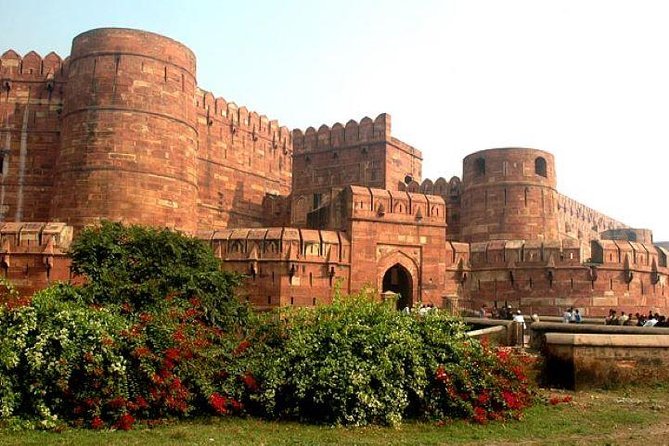
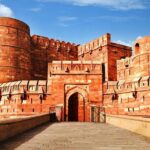
Next up is Agra Fort, a 16th-century red-sandstone fortress and a UNESCO World Heritage Site. This is where the tour shifts from decoration to power. Fort architecture tells a story about defense, administration, and royal life.
You’ll have around 45 minutes here with admission included. Your guide will point out key palaces and embellished chambers, plus mosques inside the complex—one often highlighted is the Pearl Mosque.
Practical tip: wear shoes you trust. Fort floors and stair sections can be uneven, and you’ll walk a bit more than you might expect for the time you’re given. Sunglasses and sunscreen help too, since open-air areas get bright fast.
Agra Fort is also a nice “breather” before the Taj Mahal. It gives you context: who built what, and why they needed both luxury and control.
Taj Mahal Time: What a Private Guide Changes
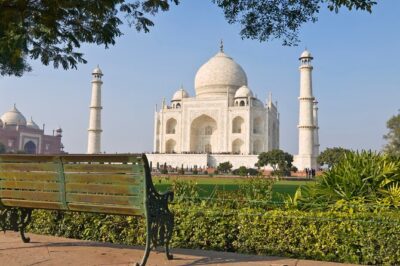
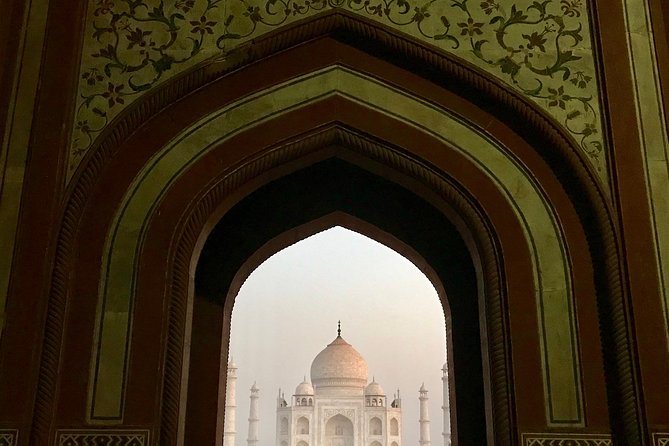
Then comes the Taj Mahal, and yes, it’s famous for a reason. This tour gives you about 1 hour on-site with admission included, guided so you’re not wandering and guessing what to look for.
Here’s what you should expect from a good guided visit: faster orientation, smoother routing through the most important areas, and help cutting through distractions like hawkers. People have shared examples of guides steering visitors past pressure points at the Taj so they could reach key spots without losing their whole visit to lines and clutter.
If you care about photos, don’t let the market noise run your schedule. Set a simple plan before you arrive: where you want your first wide view, where you want close architectural detail, and how much time you want for sunset-color moments. Even with a set schedule, you can control your focus.
One more thing: this tour includes Taj Mahal with guided context, but you’ll still get best results if you bring patience. It’s popular. Your advantage is that you’ll have someone helping you move with intent.
You can also read our reviews of more tours and experiences in New Delhi




Overnight in Agra: Reset Your Legs and Your Expectations
This tour includes an overnight stay in a hotel, with breakfast and dinner included. The exact hotel is flexible—your information says you stay in a hotel of your choice. That’s a practical win because “Agra hotel standards” can vary, and you know your own comfort level.
Rooms are arranged as double bed or two twin beds for two people. If your group count is odd, an extra bed goes into one room. It’s worth confirming bed type when you get your voucher details from the operator.
Also: you’ll want to think about energy. Day 1 includes multiple sites plus travel from Delhi, so dinner is helpful. Your schedule keeps you from having to hunt for a meal after long walking and temple-crowd navigation.
Day 2 at Fatehpur Sikri: Big Monuments, Clear Context
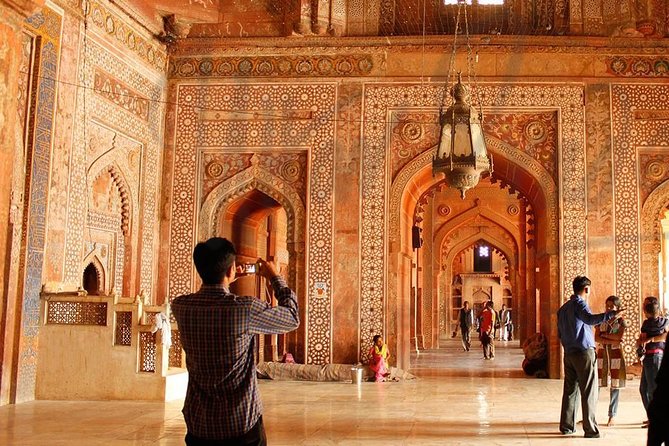
Fatehpur Sikri is the second-day centerpiece, and it’s UNESCO-listed for a reason. It was the Mughal Empire’s capital for about 10 years, and walking inside the inner citadel helps you picture how a planned imperial city worked.
You’ll spend about 1 hour here with the site itself listed as free for this tour. That “free” part matters for value—admissions can add up across multiple UNESCO sites. But don’t assume free time means you’ll see everything. You’ll need to prioritize what you want to notice.
The tour focuses on major highlights such as Jama Masjid and Buland Darwaza. Jama Masjid is known for its scale and religious role, while Buland Darwaza is the grand doorway impression that makes Fatehpur Sikri feel ceremonial.
And if Akbar’s Tomb is on your must-see list, this is where it fits. Akbar’s Tomb is included, and it’s tied to the mausoleum of the empire’s third emperor. That connection helps make the architecture feel less random and more like a system of rulers, ritual, and symbolism.
Shopping at Meena Bazaar: Fun Craft Time or a Trap?
Meena Bazaar is built into the experience, but with an important detail: it’s at your own expense. That’s good news if you want crafts and want to browse at your own pace.
The watch-out is mindset. If you go in planning to buy, set a budget before you step in. If you don’t plan to buy, be polite but firm. The tour includes shopping, but you control whether it becomes a distraction from monuments.
If you’ve ever been to craft markets in India, you already know the script: a lot of attention, lots of options, and bargaining. On this tour, your guide is there to manage the day, so you might find that shopping becomes more structured than you expect. My advice is to use the stop as a short cultural break, then refocus on the sites you paid to see.
Value for Money: Where the $277.82 Fits (and Where It Doesn’t)
At $277.82 per person, you’re not just paying for tickets. You’re paying for private logistics: pickup and drop-off, private air-conditioned transport, a private guide, and two included meals (breakfast and dinner) plus an overnight hotel.
That’s the core value. If you tried to assemble this yourself—private driver, guide time across three UNESCO sites, and a hotel—you’d likely spend similar money without the same smooth handoff between stops. The small group cap (max 8) also tends to keep the day less chaotic.
What’s not included is also clear: beverages and meals other than breakfast and dinner. You’ll still want some buffer for lunch or snacks if you’re hungry between long site stretches. Meena Bazaar purchases are also on you.
A final value note: admissions are included for Itmad-ud-Daula, Agra Fort, and the Taj Mahal. Fatehpur Sikri is listed as free for this tour. That blend makes the pricing feel more predictable than “pay-as-you-go” sightseeing.
Pace and Comfort: Walking, Dress, and Timing Tips
This tour involves a moderate amount of walking. Bring comfortable walking shoes and plan for sun. Sunglasses and sunscreen are worth packing.
Dress code is described as no strict rule, but you should dress appropriately for places of worship. Shorts or sleeveless tops aren’t recommended. If you’re traveling with a light scarf or cover-up, you’ll thank yourself when you hit religious areas.
Timing also matters. You’ll be moving through major sites in succession, so build a simple strategy: hydrate, take short breaks, and don’t try to absorb everything at once. Your guide will help with orientation, but your brain will still need pauses.
Who This Tour Is Best For
This is a great fit if you want Mughal highlights without the stress of independent planning. It’s also strong for people who travel with a friend or small group, since private transport plus a guide makes the day feel organized.
It’s especially good if you care about architecture and want context. The tour isn’t just “see a building.” It connects mausoleums like Itmad-ud-Daula and the Taj Mahal, then ties them to forts and imperial city planning at Fatehpur Sikri and Akbar’s Tomb.
If you dislike shopping stops or sales pressure, you can still make this work. Just treat Meena Bazaar as optional time, decide your shopping stance upfront, and keep your focus on the monuments.
Should You Book This 2-Day Private Agra Tour?
I’d book it if you want a smooth, private, first-timer-friendly Agra plan that hits the big UNESCO sites in a logical order. The biggest reason is the combination: guided Taj Mahal + Agra Fort + Itmad-ud-Daula, then Fatehpur Sikri and Akbar’s Tomb, all with pickup, private AC transport, and an overnight hotel.
I wouldn’t book it if you’re extremely sensitive to shopping pressure or you want lots of free time at each monument with zero structure. In that case, you may want to plan your own guide strategy or shorten shopping expectations before the day begins.
For most people, this is solid value because you’re paying for time saved and guidance across multiple sites, not just access to individual attractions.
FAQ
How long is the tour?
It’s listed as approximately 2 days.
What are the main places visited?
You’ll visit Itmad-ud-Daula (Baby Taj), Agra Fort, the Taj Mahal, and Fatehpur Sikri (including Akbar’s Tomb). Meena Bazaar is also included as a shopping stop at your own expense.
Is admission included for the sights?
Admission tickets are included for Itmad-ud-Daula, Agra Fort, and the Taj Mahal. Fatehpur Sikri is listed as free for this tour.
What’s included in the price?
Breakfast and dinner, overnight accommodation, airport/hotel pickup and drop-off, transportation in an air-conditioned vehicle, and a private guide.
What’s not included?
Beverages and meals other than the included breakfast and dinner.
Is this tour private or shared?
It’s private. Only your group participates, with a maximum group size of 8 passengers.
What about hotel beds—do I get to choose?
Rooms are arranged as double beds or twin beds for two people. Bed type depends on availability, and you can request changes after booking via the local operator contact details provided on your voucher.
What should I wear at the sites?
There’s no strict dress code, but you should dress appropriately for places of worship. Shorts or sleeveless tops are not recommended.
How much walking is involved?
There is moderate walking, so comfortable walking shoes and sun protection are recommended.
What is the cancellation and refund window?
You can cancel up to 3 days in advance for a full refund. If you cancel less than 3 full days before the experience starts, the amount paid is not refunded.