REVIEW · NEW DELHI
3-Day Private Luxury Golden Triangle Tour to Agra and Jaipur From New Delhi
Book on Viator →Operated by Crystal India Holidays · Bookable on Viator
Three days. Three cities. No map stress. This private luxury Golden Triangle tour strings together private driver comfort with sunrise Taj Mahal timing, plus local guidance at every major stop.
One thing to plan for: monument entrance fees are extra (about $65 per person), and the pace is fast with early starts and long days in the car.
In This Review
- Key Highlights That Make This Tour Click
- Why This Golden Triangle Route Is So Much Easier Than DIY
- Day 1 in Delhi: Qutub Minar, Lotus Temple, and Old Delhi by Rickshaw
- Qutub Minar: UNESCO and that dramatic spiral
- Lotus Temple: modern architecture, calm interior
- India Gate and the government axis: short stops, big symbolism
- Agrasen Ki Baoli and Humayun’s Tomb: Delhi’s quieter Mughal-era moments
- Chandni Chowk and Jama Masjid: where Delhi gets real
- Rickshaw ride: the fun reset
- The Red Fort stop
- Drive to Agra (Yamuna Expressway): the “power through” segment
- Day 2 Agra: Sunrise Taj Mahal, Agra Fort, and Itmad-ud-Daula
- Taj Mahal at sunrise: the iconic view with early timing
- Agra Fort: architecture, power, and history on stone
- Itmad-ud-Daula: the so-called Baby Taj
- Evening arrival in Jaipur: hotel check-in and down time
- Day 3 in Jaipur: Amer, Jal Mahal, City Palace, and Jantar Mantar
- Panna Meena ka Kund: a stepwell beside the fort area
- Amer Fort: the hilltop set-piece with water in front
- Jal Mahal: palace in the middle of the lake
- City Palace: royal seat that still feels active
- Jantar Mantar: UNESCO astronomical instruments
- Hawa Mahal: the Palace of Winds
- Gaitore Ki Chhatriyan: a calmer royal cremation area
- Return to Delhi: approximately four hours, around 9 PM
- Hotels and Comfort: What Luxury Means Here (Not Just a Star Rating)
- Price and Value: The $164.67 Baseline Plus Entrance Fees
- What your money buys
- What costs extra
- Your Driver + Guide Team: Safety, Timing, and Better Photos
- Shopping Stops: How to Keep Control (Without Killing the Mood)
- Who This Tour Suits Best (and Who Might Want Slower)
- Should You Book This 3-Day Luxury Golden Triangle Tour?
- FAQ
- Is this tour private or shared?
- How long is the Golden Triangle tour?
- What’s included in the hotel package?
- Are entrance fees included for the monuments?
- Do I need to pay separately for Taj Mahal sunrise?
- What happens if weather affects the sunrise visit?
- Is Lotus Temple open every day?
- What meals are included?
- Do I need a passport?
Key Highlights That Make This Tour Click
- Sunrise Taj Mahal plus battery-bus access to reduce parking-walk time (weather can affect timing)
- Old Delhi by rickshaw, after classic sights around Jama Masjid and Chandni Chowk
- UNESCO-packed day in Delhi, including Qutub Minar and Humayun’s Tomb
- Agra in two hits: Taj Mahal at sunrise and the “Baby Taj” Itmad-ud-Daula
- Jaipur with big-fort energy, from Amer to Jal Mahal on Man Sagar Lake
- A flexible day with shopping you can skip, plus a coordinator who checks in
Why This Golden Triangle Route Is So Much Easier Than DIY

The Golden Triangle (Delhi–Agra–Jaipur) is easy to understand and hard to manage. Roads, ticket lines, opening hours, getting from one monument to the next—do it alone and you spend your best energy on logistics.
This tour focuses on the practical stuff: you get a private, climate-controlled car, pickup and drop-off, and a local guide for the sightseeing. That matters because India’s traffic can turn a simple plan into a long day. With a driver handling the route and local guides helping with timing, you can spend more time looking up at the buildings and less time staring at a map.
The “private luxury” part is also about comfort during transfers. You’re not sharing rides with strangers, and you get bottled water during journeys. In reviews, the driver handling hectic traffic and making people feel safe comes up again and again, including names like Ashok, Surinder, Rajesh, and Sharwan.
You can also read our reviews of more private tours in New Delhi

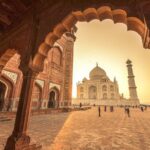

Day 1 in Delhi: Qutub Minar, Lotus Temple, and Old Delhi by Rickshaw
Delhi day has two moods: grand monuments and loud, human Old Delhi.
Qutub Minar: UNESCO and that dramatic spiral
You start with Qutub Minar, a UNESCO World Heritage site founded in 1193 by Qutub-ud-din Aibak. It’s famous for its tall structure and spiral staircase design. The entry fee isn’t included, but it’s worth budgeting time here because it sets the tone for Delhi’s long timeline.
Tip: wear shoes you can walk in confidently. Even if you don’t climb much, the grounds still involve uneven steps and paths.
Lotus Temple: modern architecture, calm interior
Next is the Lotus Temple. It has that flower-like silhouette and was built in 1986. It’s free, and the mood is different from Qutub Minar—lighter, calmer, and very photogenic.
One scheduling note: Lotus Temple remains closed every Monday. If your dates land on a Monday, expect the guide to adjust the flow.
India Gate and the government axis: short stops, big symbolism
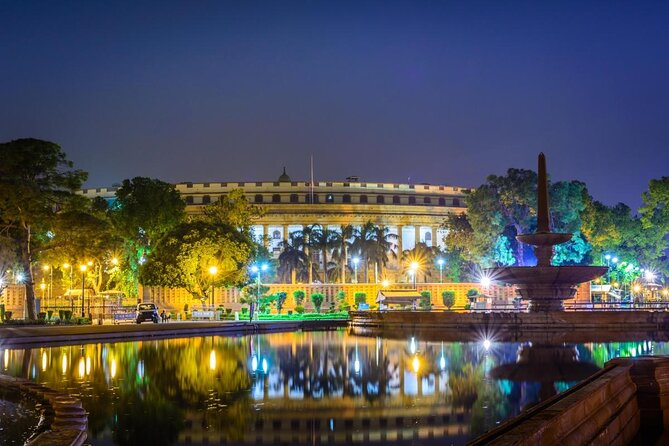
You’ll make quick photo and orientation stops around India Gate and view Parliament House (Sansad Bhavan) and Rashtrapati Bhavan (the President’s official residence). These stops are usually brief, but they help you understand the geography of central Delhi, especially the ceremonial Rajpath area.
You can also read our reviews of more tours and experiences in New Delhi






Agrasen Ki Baoli and Humayun’s Tomb: Delhi’s quieter Mughal-era moments
Agrasen Ki Baoli is a stepwell (it’s 60 meters long) and a protected monument. It’s not the flashiest thing in Delhi, but it has a cool, sculptural feel—great for a breather between busier crowds.
Then you move to Humayun’s Tomb, commissioned in 1558 by Empress Bega Begum. Admission isn’t included. The layout gives you those “Mughal garden symmetry” photo angles, and it’s a strong contrast with the stepwell.
Chandni Chowk and Jama Masjid: where Delhi gets real
Chandni Chowk gives you the classic Old Delhi experience—spice and fabric shops, narrow lanes, and nonstop movement. Jama Masjid is nearby and is one of the largest mosques in India, built by Shah Jahan between 1650 and 1656.
Rickshaw ride: the fun reset
A rickshaw ride is included, which is one of the best ways to experience Old Delhi without exhausting your feet. The ride is scheduled after the core sights, so you get context first, then enjoy the ride through the market energy.
The Red Fort stop
You’ll also pass the Red Fort. Time here is usually more of a look-and-position moment than a full deep visit on a tight day—so if you want a lot of time inside, you’d need to add it.
Drive to Agra (Yamuna Expressway): the “power through” segment
After lunch time at a local restaurant, you head toward Agra on the expressway. Transfer time is approximate (traffic changes things), but it’s usually enough to give you a mental reset before hotel check-in and a free evening in Agra.
Day 2 Agra: Sunrise Taj Mahal, Agra Fort, and Itmad-ud-Daula
Agra is the day you came for. The tour’s biggest advantage is how it structures Taj Mahal time.
Taj Mahal at sunrise: the iconic view with early timing
You’ll wake up early for a sunrise Taj Mahal visit. The tour includes a guided visit inside for about two hours, and you also get battery-bus transport to and from the Taj Mahal parking area up to near the monument.
Important: sunrise timing is subject to weather conditions. If the sky doesn’t cooperate, you’ll still have the chance to see the Taj Mahal, but plan for possible schedule shifts.
Practical note: the sunrise start means you’ll want a simple packing strategy—light layers, water, and a hat. If you tend to feel cold early, bring something thin you can remove later.
Agra Fort: architecture, power, and history on stone
After Taj Mahal, you move to Agra Fort, a UNESCO site. This is more fortress than postcard, with strong Mughal-era architecture and a complex layout. Admission isn’t included.
If Taj Mahal is emotion, Agra Fort is structure. It helps you understand how rulers defended and organized the city.
Itmad-ud-Daula: the so-called Baby Taj
Itmad-ud-Daula (also called Baby Taj) is a Mughal mausoleum. It’s shorter on time than Taj Mahal, but it’s striking, especially for those who love detailed marble work and garden-style symmetry.
Admission isn’t included, so you’ll pay the monument fee day-by-day (your guide helps you buy entrance tickets so you don’t waste time at the wrong counter).
Evening arrival in Jaipur: hotel check-in and down time
By late afternoon or evening, you reach Jaipur, check in, and have the rest of the night free.
Day 3 in Jaipur: Amer, Jal Mahal, City Palace, and Jantar Mantar
Jaipur day is all about “views + design.” You start with forts and stepwells, then shift into palaces and astronomical architecture.
Panna Meena ka Kund: a stepwell beside the fort area
You visit Panna Meena ka Kund, a step well near Amber Fort. It’s free and works as a quick change of scenery before the main fort.
Amer Fort: the hilltop set-piece with water in front
Amer is one of the big moments. It sits on a hill and was built under Raja Man Singh I. The fort’s setting is part of the experience, including the Maota Lake in front that historically supported water needs.
Time on Amer is usually around two hours. If you’re into photography, this is where you’ll want to be patient—angles are everything here.
Jal Mahal: palace in the middle of the lake
Jal Mahal is next, a palace located in the middle of Man Sagar Lake. The admission ticket for this stop is marked as included in the plan. Even if you don’t spend ages here, it’s a lovely visual pause between fort and city sights.
City Palace: royal seat that still feels active
City Palace of Jaipur was constructed in 1721 and served as an administrative and ceremonial seat. It’s not the longest stop, but it gives you that sense of palace life and how the city’s power was organized.
Jantar Mantar: UNESCO astronomical instruments
Then you hit Jantar Mantar, a UNESCO World Heritage site with nineteen architectural astronomical instruments built in 1734 by Sawai Jai Singh II. It’s a great stop if you like the intersection of math and design.
Admission isn’t included, so again, you’ll budget for the entrance fees.
Hawa Mahal: the Palace of Winds
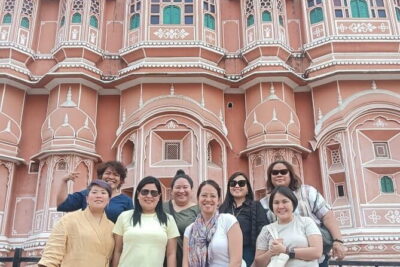
Hawa Mahal is famous for its red and pink sandstone façade and those honeycomb-like windows. The stop is short, but it’s one of those sights that you’ll recognize even if you weren’t sure what it looked like before.
Gaitore Ki Chhatriyan: a calmer royal cremation area
You end with Gaitore Ki Chhatriyan, a serene cremation site with intricately carved cenotaphs. It’s free and has a quiet, reflective feel compared with the louder palace streets.
Return to Delhi: approximately four hours, around 9 PM
After Jaipur, the drive back to Delhi takes about four hours and you should arrive around 9 PM. There’s also an option to be dropped at Jaipur Airport for onward flights.
Hotels and Comfort: What Luxury Means Here (Not Just a Star Rating)
This tour gives you a choice between 4-star and 5-star hotel packages, or a tour-only option with no accommodation. If you choose hotels, you get two nights and daily breakfast.
For 4-star options, the plan lists places like Holiday Inn or Royale Sarovar Portico Agra, and Sarovar Premiere Jaipur (or similar). For 5-star, it includes well-known names like Intercontinental, Hilton, and Radisson Jaipur City Centre (or similar).
From reviews, people repeatedly praise hotel cleanliness and big breakfasts. One highlight that comes up: having enough breakfast for a packed day, then returning to a comfortable room after a long schedule. That’s the real luxury—sleep that works and rooms that feel like a real reset, not just a bed.
Transport comfort matters too. The car is air-conditioned and matched to group size:
- 1–2 people: 4-seater sedan
- 3–4 people: 6-seater SUV
- 5–10 people: 10-seater van
If you have heavy luggage, tell the operator in advance. One review described needing a bigger vehicle because of multiple suitcases for weddings, and the swap was handled.
Price and Value: The $164.67 Baseline Plus Entrance Fees
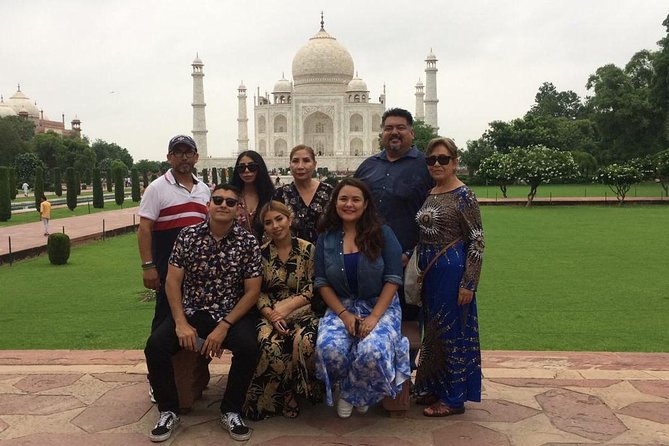
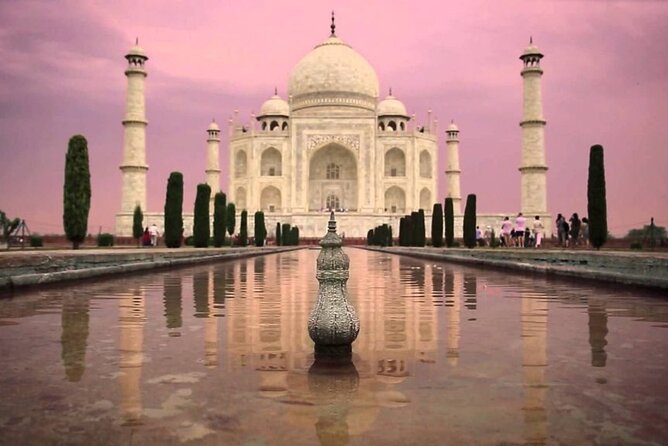
The price shown is $164.67 per person for the tour experience. Value depends on which option you pick.
What your money buys
Regardless of hotel choice, you get:
- a private, air-conditioned vehicle
- private local guides for sightseeing
- pickup and drop-off
- bottled water during journeys
- battery-bus access connected to the Taj Mahal area
- a rickshaw ride in Old Delhi
- breakfast for two mornings (when hotel nights are included)
What costs extra
Entrance fees are not included in the plan and are estimated at about $65 per person. Lunch and dinner are also not included, and gratuities are optional.
So how do you judge value fairly?
- If you’re comparing DIY costs, the entrance fees will hit you anyway, and you’ll still need some form of transport plus help with routes and timing.
- The price is strongest if you want a structured, private experience with someone else handling driving and ticket logistics, especially if it’s your first time in India.
Your Driver + Guide Team: Safety, Timing, and Better Photos
One of the most praised parts of this tour is the driver. People describe safe, smooth handling in intense traffic and feeling cared for from start to finish. Drivers mentioned in reviews include Ashok, Rajesh, Surinder, Sharwan, Jeet, Inderjeet, and Paramjeet.
Why that matters: traffic can be unpredictable, and delays can crush a sightseeing plan. A skilled driver keeps the day moving so you don’t miss the best photo window at a fort or the early entry timing for Taj.
Guides are also a major part of the value. In reviews, people highlight guides like Varun in Delhi, Manoj and Jitu in Agra, and Himanshu in Jaipur. They’re also praised for photo guidance—helping you hit the right angles without feeling lost.
A very practical advantage: your guide helps you with monument tickets so you avoid queue-time for purchasing. That doesn’t eliminate lines at every entrance, but it reduces the biggest time traps.
Shopping Stops: How to Keep Control (Without Killing the Mood)
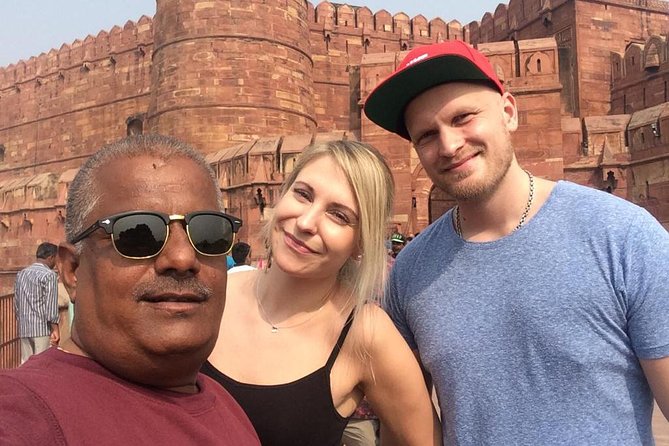
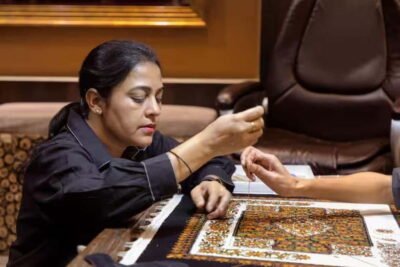
This tour includes the option to stop for shopping. The plan notes that you can choose to skip or add shopping based on your preference.
In practice, shopping stops can mean long demonstrations or sales talk. One common complaint in reviews is that people felt pressured or that shop pricing felt high. Another review notes you can’t be forced to buy, but you might still sit through sales pitches.
Your best strategy is simple:
- decide in advance if you want shopping at all
- tell the guide you want to skip any showroom stops
- keep your budget realistic, then stick to it
If you do stop, treat it like a culture stop, not a bargain hunt. If you don’t, you’re still able to enjoy the monuments.
Who This Tour Suits Best (and Who Might Want Slower)
This is a strong fit if:
- you’re on a tight schedule and want major Delhi, Agra, and Jaipur sights without planning
- you’re a first-time visitor and want someone else handling ticket timing and driving
- you want a private setup for comfort, safety, and easier navigation
- you like structure but still want the option to adjust pacing with your guide
It might feel too fast if:
- you prefer long, slow museum-style days
- you hate early mornings (sunrise Taj Mahal is the big one)
- you dislike shopping stops and sales-style presentations, even if the tour allows skipping
Should You Book This 3-Day Luxury Golden Triangle Tour?
If you want the Golden Triangle highlights in three days and you’d rather not wrestle with timing, traffic, and ticket logistics, I’d say this tour is a solid choice. The private driver and local guides are the core value, and the sunrise Taj Mahal plus battery-bus access is a smart way to handle one of the busiest attractions on earth.
Book it if you’ll embrace the pace and bring patience for long days in a car. Skip or limit shopping stops if that part isn’t your style.
If you’re looking for the cheapest way to do Delhi–Agra–Jaipur, this probably isn’t the answer. But if you’re aiming for comfort, safety, and maximum sightseeing with support, this is one of the more straightforward ways to do it.
FAQ
Is this tour private or shared?
It’s a private tour, meaning only your group participates.
How long is the Golden Triangle tour?
It’s a 3-day tour (duration is listed as approximately 3 days). You’re expected to return to Delhi around 9 PM on the final day.
What’s included in the hotel package?
If you book the option with accommodation, you get two nights of hotels and daily breakfast.
Are entrance fees included for the monuments?
No. Entrance fees are not included and are listed as about $65.00 per person. Your guide helps you buy the entrance fees.
Do I need to pay separately for Taj Mahal sunrise?
Taj Mahal sunrise is part of the tour experience, but the Taj Mahal admission ticket is not included. The battery bus ride to and from the Taj Mahal parking area is included.
What happens if weather affects the sunrise visit?
The sunrise Taj Mahal visit is subject to weather conditions, so timing can change depending on conditions.
Is Lotus Temple open every day?
Lotus Temple remains closed every Monday.
What meals are included?
Breakfast is included (two breakfasts if you take the hotel option). Lunch and dinner are not included.
Do I need a passport?
Yes, a current valid passport is required on the day of travel.