REVIEW · FARIDABAD
4 Days Private Luxury Golden Triangle Tour from Delhi
Book on GetYourGuide →Operated by Raj Tour & Travel · Bookable on GetYourGuide
Early starts, big sights, and zero fuss.
If you want the classic Golden Triangle feel without packing your day with details, this 4-day private luxury route is built for exactly that pace. You’ll hit the UNESCO giants in Delhi, Agra, and Jaipur, with a private, air-conditioned car handling the driving and timing.
I especially like the way the schedule centers on the sunrise Taj Mahal moment, not just a late-morning photo run. And I like the no-drama structure: hotel stays, city touring, and guided visits that keep you moving efficiently.
One thing to consider: guide quality can vary by city, and the itinerary includes stops at artisan shops each day, which can feel more sales-focused than sightseeing for some people.
In This Review
- Key moments that make this tour worth your time
- Golden Triangle in Four Days: the practical magic of the pace
- Price and value: what $153 per person really buys
- Pickup to Agra: comfortable car time with fewer headaches
- Delhi highlights in a single flow: old bazaars to modern landmarks
- Agra arrival and hotel rhythm: set up for an early morning
- Sunrise Taj Mahal: the moment everyone remembers
- Agra Fort and local market time: beyond the main photo stop
- Fatehpur Sikri on the road to Jaipur: the Ghost City pause
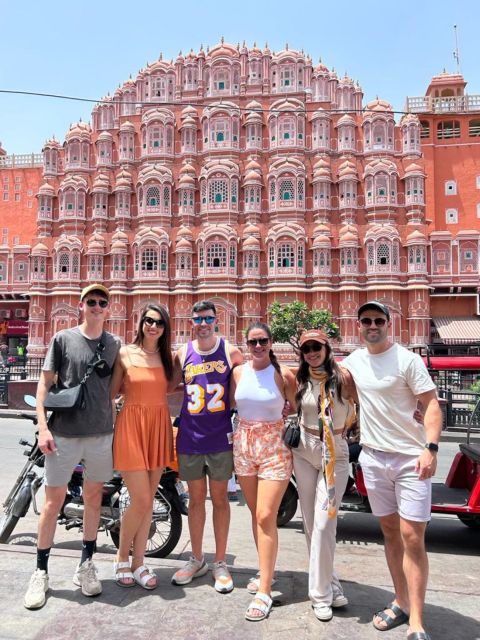
- Jaipur royal sights: Amber Fort, City Palace, and Hawa Mahal
- Shopping time in Jaipur: useful, but manage expectations
- Drivers and guides: the difference between good and great
- What to bring and closure days you must plan around
- Who this tour suits best (and who should think twice)
- Should you book this 4-day Golden Triangle?
- FAQ
- What is the tour duration?
- Where do pickups happen?
- What languages are the live guides available in?
- Does this tour include skip-the-line access?
- How does transportation work for different group sizes?
- What days are Taj Mahal and Lotus Temple closed?
- What room types should I expect?
- What should I bring, and can I cancel?
Key moments that make this tour worth your time
- Skip-the-line entry with a separate entrance, so your ticket time goes to monuments, not queues
- Sunrise Taj Mahal timing, with a chance for early-morning weather adjustments
- Private city tours in Delhi, Agra, and Jaipur with guided highlights
- Fatehpur Sikri stop on the way to Jaipur, including the well-known Ghost City vibe
- Comfort-first transport, sized to your group (sedan, SUV, or mini van)
- Real driver professionalism, including safe driving through Delhi/Agra traffic
Golden Triangle in Four Days: the practical magic of the pace
The Golden Triangle is famous for a reason. In a short time, you get Delhi’s power landmarks and old bazaars, Agra’s Mughal drama, and Jaipur’s royal walls and forts. The trick is not seeing everything. The trick is seeing the right things without wasting half your day stuck in transit or waiting in lines.
This tour keeps the “big three” cities in a tight loop: Delhi to Agra, then Agra to Jaipur, then Jaipur back to Delhi. You’re not trying to squeeze a day trip into every time slot. You’re traveling in a private car and working with a guide who’s meant to shape the experience around your time.
For me, the value comes down to this: you’re paying for coordination. Pickup, transfers, guided entry, and hotel nights are handled so you can focus on the sights.
You can also read our reviews of more private tours in Faridabad


Price and value: what $153 per person really buys
At about $153 per person for 4 days, the main value is that you’re not just buying attractions. You’re buying time-saving logistics: private air-conditioned transportation, hotel stays in Agra and Jaipur, and English/French/Spanish/Russian-speaking guidance.
Is it “luxury” like a resort vacation? Not exactly—this is luxury in the travel sense: fewer hassles, fewer shared logistics, and a private car that’s actually yours. If your biggest concern is saving energy for photos and real touring (not haggling over transport), this package fits.
If you’re the type who enjoys guiding yourself, you can travel this route cheaper. But you’d need to manage timing for sunrise, line-cutting strategies, and city-by-city navigation. Here, that work is done for you.
Pickup to Agra: comfortable car time with fewer headaches
Day one starts with pickup from your chosen location in the Delhi area—your hotel or airport, or places like Delhi, Noida, Faridabad, Ghaziabad, or Gurugram. That’s a big deal in this region. Traffic isn’t a small detail here; it’s the main character.
The driving is done in a private air-conditioned vehicle, and the size scales with your group:
- 4 seater sedan for groups of 1 or 2
- 6 seater SUV for groups of 3 or 5
- 12 seater mini van for groups of 6 to 12
That matters because “private” is only comfortable if the car fits. You’re not crammed, and you’re not stuck negotiating extra rides.
Delhi highlights in a single flow: old bazaars to modern landmarks
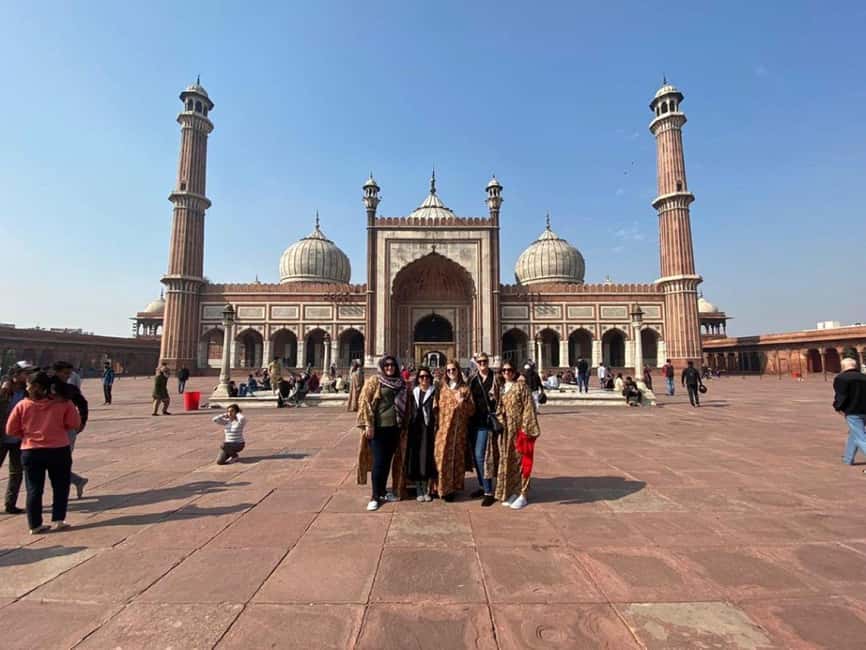
The Delhi portion is designed as a highlight tour, not a deep-dive into every neighborhood. You’ll go to key landmarks including Jama Masjid, Chandni Chowk with a rickshaw ride, Rajghat, and major state/power sites like the President House (outside) and Parliament House (outside). You also get India Gate and Qutub Minar, plus a visit to Lotus Temple.
This mix is smart because it gives you two Delhi faces in one day:
- the old city energy around bazaars and mosques
- the monumental, planned side of New Delhi
A practical note: Lotus Temple has set closure days. It’s closed on Mondays, so if your trip lands on a Monday, your guide may adjust the order.
And yes, this day also includes a drive toward Agra via the Yamuna Express Highway in the evening. That means you’ll wake up in Agra without losing your first morning to transit.
Agra arrival and hotel rhythm: set up for an early morning
When you reach Agra, you check in and then shift into an overnight rhythm. It’s not glamorous in a brochure way, but it’s exactly what you want for the next day. Sunrise Taj Mahal works only if you sleep early and don’t have a long “morning logistics scramble.”
Even the tour’s layout supports that. You’re not expected to run from one monument to another after a long drive. You arrive, settle, and get ready for the big morning.

Sunrise Taj Mahal: the moment everyone remembers
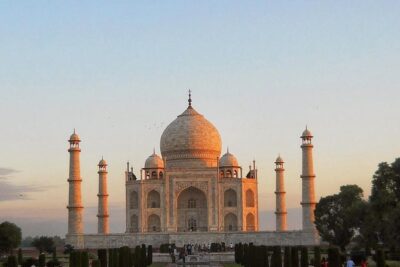
Day two wakes up early. You go out for sunrise at the Taj Mahal, then return for breakfast and continue the Agra day.
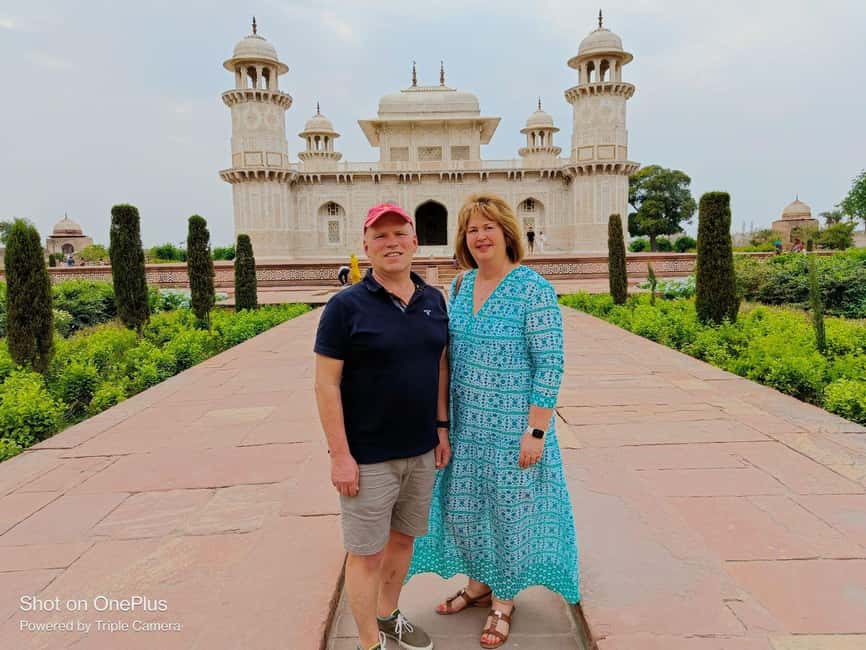
This is the standout reason to pick this tour. The Taj at sunrise is not just a pretty scene—it’s a different mood. Fewer people, cooler air, and light that makes the marble look like it’s breathing. You also get a skip-the-line approach using a separate entrance, which helps a lot when you’re doing early starts.
Weather can also affect early views. In one case, early fog changed the Taj Mahal experience, and the tour guide adapted the morning accordingly. That flexibility matters. You’re not stuck waiting for things to magically fix themselves.
A major plus from the experience: the guided storytelling can be strong. One guide named Ali was singled out for sharing Taj Mahal and Agra context and showing parts that many people miss when they rush.
Agra Fort and local market time: beyond the main photo stop
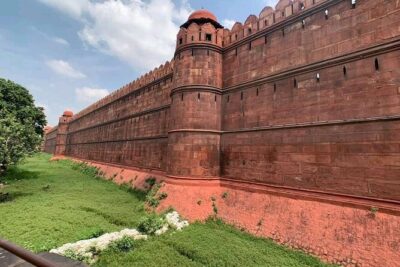
After sunrise, you don’t just “move on.” You do the Agra Fort next, which helps you understand how the Taj Mahal fits into the broader Mughal world. It’s the kind of place where the architecture and layout start making sense once someone gives you the right framing.
Then there’s time for the local market of Agra. This is a good place to slow down and buy small things—snacks, souvenirs, or simple mementos—without needing a full shopping tour.
If you want the Taj experience to feel complete, this extra leg of the day does that job. If you want to stay strictly monument-only, you might prefer skipping shopping time. But even then, a brief market stop can be useful for a real break and a taste of daily life.
Fatehpur Sikri on the road to Jaipur: the Ghost City pause

Post-lunch, you drive from Agra to Jaipur via Fatehpur Sikri, often called the Ghost City. Even if you’ve seen photos, this is one of those stops that gives context to how Mughal power expressed itself far beyond the most famous capitals.
The timing is built into the transfer itself, so you’re not adding a full extra day of driving. You’re turning the long day into a route with one meaningful stop.
This kind of “in-between” stop is where a private car tour earns its keep. Public transport on this kind of schedule is often slow and awkward. Here, the drive becomes part of the itinerary, not wasted time.
Jaipur royal sights: Amber Fort, City Palace, and Hawa Mahal
You check into your Jaipur hotel and then start touring the city’s main sights.
Day three focuses on the essentials:
- Amer Fort (Amber Fort)
- City Palace
- Hawa Mahal
- Jal Mahal
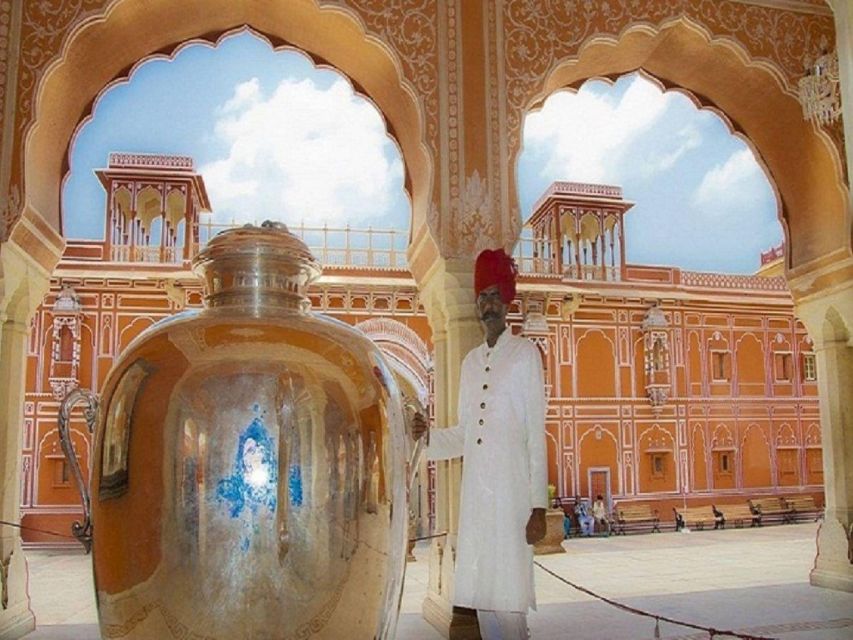
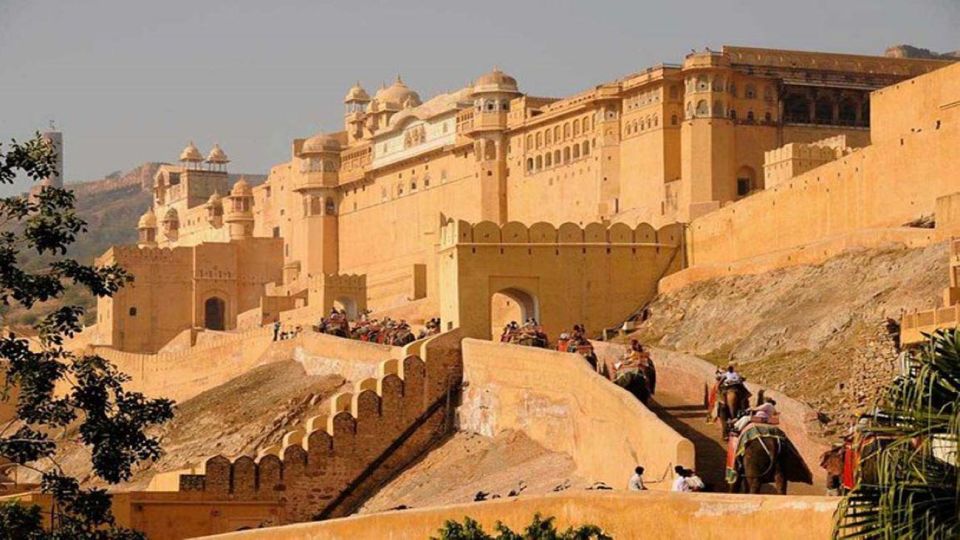
Amer Fort gives you a sense of scale and defensive design, plus the kind of craftsmanship that shows why Jaipur became a royal hub. City Palace helps connect the architecture to ruling life, not just building beauty. And Hawa Mahal is a must because it’s so visually distinctive you feel like you’re watching a carved façade take a breath.
Jal Mahal adds a quieter twist with its water-side setting, even if you’re viewing it from the outside. You get variety: big fort energy, palace meaning, and then a more scenic stop.
One note on guides: quality isn’t guaranteed across all cities. In Jaipur, some people were disappointed with the guide portion of the experience. The site lineup is strong; your enjoyment will depend on who’s speaking during the visit. If you care a lot about storytelling, you might want to ask ahead for your preferred language and confirm guide assignment.
Shopping time in Jaipur: useful, but manage expectations
In the evening, you have free time for shopping. That’s the right kind of freedom—enough time to browse, and not so much that you wander far without a plan.
But here’s the balanced reality: the tour also includes visits to artisan merchants during the trip. Some people found these store stops unpleasant, especially when the day felt like it turned into a sales circuit instead of a pure sightseeing day. If you love shopping, you might enjoy the demonstrations. If you hate pressure, plan to keep it brief and focus on your priorities.
Drivers and guides: the difference between good and great
The experience lives or dies on two people: your driver and your guide.
For the driving, a driver named Kailashi was praised for safe, careful handling through traffic, which is huge when you’re doing early starts and long transfers. Another set of tour experiences credited drivers Kamlesh and Deepak for excellent guidance and safe arrival through challenging routes.
Guides can vary by city. One guide named Ali stood out for Taj/Agra expertise and for taking people to areas others often miss. That’s a real advantage because it changes what you walk away with—more understanding, less “I saw it, I guess.”
So your takeaway is simple: if you get a strong guide, the same monuments feel like a story. If the guide is weaker, you still see the sights, but the trip may feel more like a checklist.
What to bring and closure days you must plan around
Keep this simple:
- Bring your passport or ID card.
- Taj Mahal is closed every Friday.
- Lotus Temple is closed on Mondays.
These closure rules can change what gets visited on a given day. If you’re traveling around Friday, don’t assume sunrise Taj will still happen on schedule. If you’re traveling on Monday, Lotus Temple won’t be available, so your route may shift.
Who this tour suits best (and who should think twice)
This tour is best for you if:
- you want the Golden Triangle basics with private car comfort
- you care about sunrise timing and guided context
- you prefer a structured itinerary over planning yourself
It’s less ideal if:
- you strongly dislike shopping or merchant stop visits
- you’re picky about guide quality and want a consistent level of storytelling every day
Also, if your group includes fewer or more people, the vehicle size changes. That can affect comfort and pace, so check what car category fits your group size.
Should you book this 4-day Golden Triangle?
I’d book it if you want a smooth, efficient loop through Delhi, Agra, and Jaipur with sunrise Taj Mahal as a real centerpiece, not a random line item. The private car setup, skip-the-line entry, and the chance for strong guiding make it good value for time.
I’d hesitate if you know you’ll be annoyed by repeated artisan shop visits or if you’re traveling on days when key sites are closed (Friday for Taj, Monday for Lotus). In those cases, you could still choose it, but go in with eyes open and keep a firm focus on your top priorities: sunrise Taj, Amer Fort, and the Jaipur royal highlights.
FAQ
What is the tour duration?
The tour is 4 days.
Where do pickups happen?
Pickup is included from your hotel/airport or desired location in Delhi, Noida, Faridabad, Ghaziabad, or Gurugram.
What languages are the live guides available in?
Live tour guides are available in English, French, Spanish, and Russian.
Does this tour include skip-the-line access?
Yes. You get skip-the-line entry through a separate entrance.
How does transportation work for different group sizes?
Transportation is by 4 seater sedan for groups of 1 or 2, 6 seater SUV for groups of 3 or 5, and 12 seater mini van for groups of 6 to 12.
What days are Taj Mahal and Lotus Temple closed?
Taj Mahal is closed every Friday. Lotus Temple is closed on Mondays.
What room types should I expect?
Rooms are generally provided on a single/twin sharing basis. For a booking of 3 people, rooms are generally provided on triple sharing basis. If 3 guests prefer 2 rooms, an additional charge may apply.
What should I bring, and can I cancel?
Bring your passport or ID card. You can cancel up to 24 hours in advance for a full refund.