REVIEW · NEW DELHI
5-Day Private Golden Triangle Tour: Delhi, Agra, and Jaipur
Book on Viator →Operated by Pacific Classic Tours India · Bookable on Viator
Three cities in five days, with less chaos. This private Golden Triangle route strings together UNESCO Mughal icons in Delhi, the Taj Mahal sunrise moment in Agra, and Jaipur’s forts, palaces, and observatory—without you juggling trains, tickets, or confusing neighborhood navigation.
I love two things most about this setup. First, the private local guides in each city help you understand what you’re seeing, not just where to stand for photos. Second, the logistics are bundled: entrance fees for the listed sights, door-to-door AC transfers, and even the practical stuff like unlimited bottled water.
One thing to keep in mind: a few stops are time-sensitive or have limits. The Taj Mahal sunrise visit depends on weather, and some temples are marked as Monday closed (Lotus Temple and Swaminarayan Akshardham). There are also small optional add-ons you may choose to pay for (like a bicycle rickshaw in Old Delhi).
In This Review
- Key highlights worth planning for
- Why this Golden Triangle plan works in five days
- Day 1 in Delhi: Humayun’s Tomb, Qutub Minar, and Old Delhi in one sweep
- Day 2 Agra: Agra Fort plus a photo-focused Taj approach
- Day 3 sunrise at the Taj Mahal and the detour to Chand Baori
- Day 4 Jaipur: Amber Fort, City Palace, Jantar Mantar, and Monkey Temple
- Day 5 in Delhi: a slower start and your handoff to the next stage
- Price and value: what $464.79 really buys you
- Hotel upgrade and breakfasts: 4-star vs 5-star in real terms
- Practical stuff that can save your day
- Should you book this tour?
- FAQ
- What is the tour duration and when does it start?
- Is this a private tour?
- Are hotel stays and breakfast included?
- Are entrance fees included?
- Does the tour include bottled water?
- Is pickup included?
- How is the Taj Mahal sunrise visit handled?
- Are any attractions closed on Mondays?
- What optional extras should I budget for?
- Where does the tour end?
Key highlights worth planning for
- Taj Mahal at sunrise with on-site time built in, plus weather sensitivity you should know about
- UNESCO day-by-day coverage across Delhi, Agra Fort, and the Jaipur observatory (Jantar Mantar)
- Old Delhi with a rickshaw option for the classic Chandni Chowk ride (extra cost if you want it)
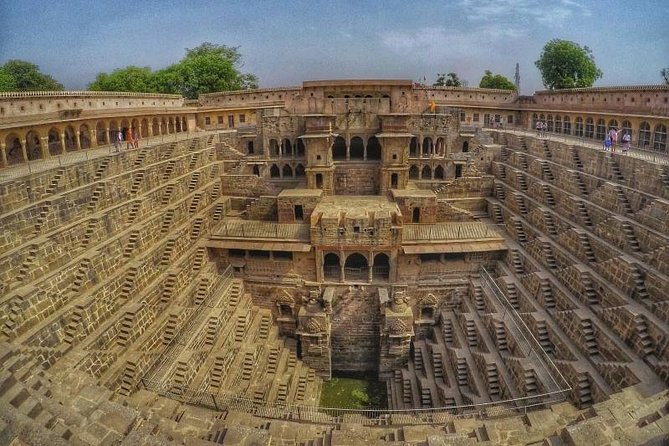
- Abhaneri’s step well (Chand Baori) as a smart off-route stop on the way to Jaipur
- Included return ride from Taj parking (battery bus/golf cart), helpful in heat and crowds
- Separate city guidance that makes the route feel like three smaller trips, not one long blur
Why this Golden Triangle plan works in five days
The Golden Triangle (Delhi–Agra–Jaipur) sounds simple on paper. In reality, it’s a lot of movement, tickets, and decision-making—stuff that can drain your energy faster than the flight does.
This itinerary keeps you moving with a private, air-conditioned vehicle and a guide for each city. That means you spend your mental effort on the sights: Mughal architecture in Delhi, the Taj in Agra, then Rajput Jaipur with its fort, palace complex, and geometric observatory.
Value-wise, the tour doesn’t just give you a driver and a wish list. It wraps in monument entrance fees for the places named in the route, plus unlimited bottled water so you’re not hunting for small purchases all day. You’ll also see the practical inclusion of a battery bus/golf cart return ride from Taj Mahal parking, which is exactly the kind of comfort you appreciate once you’re there and the walking starts adding up.
The route is also paced. You don’t try to cram everything into one frantic day; you get a full day in Delhi, a full day in Agra, and a full day in Jaipur, with travel segments that make sense.
You can also read our reviews of more private tours in New Delhi


Day 1 in Delhi: Humayun’s Tomb, Qutub Minar, and Old Delhi in one sweep
Delhi Day 1 is basically your architecture crash course, with a calm-to-chaos rhythm that works well for first-timers.
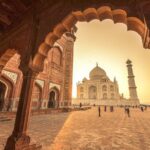
You start with Humayun’s Tomb, a UNESCO World Heritage site and a key Mughal milestone. The arched façade and the way white marble bands meet red sandstone are the kind of details that feel “small” until your guide points out how they fit into Mughal design thinking. It’s one of those stops where you’ll understand why it influenced later masterpieces.
Next is Qutub Minar, another UNESCO site. This tall victory tower/minaret complex is hard to miss—because it’s hard to miss anything in Delhi when it comes to big stone monuments. Still, the value here is in the explanation: you’re not just seeing height, you’re seeing meaning.
Then the tour shifts to a calmer spiritual pause with Lotus Temple (noted as Monday closed). The white, lotus-petal shape is striking, but it’s also a good “reset button” before you head into Old Delhi’s energy.
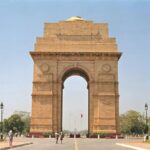
From there you hit the more symbolic landmarks. India Gate is quick and easy to read as a memorial arch, and nearby you pass major government/colonial-era architecture tied to the capital’s planning—places like the circular colonnaded building where India’s 1947 power handover took place and the President’s House (Rashtrapati Bhavan).
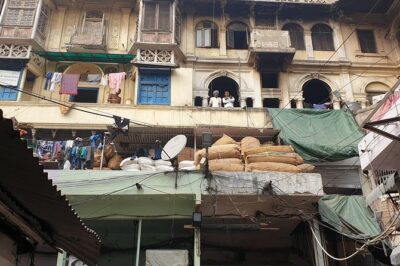
Old Delhi arrives with Jama Masjid, one of the city’s biggest mosques, built on an elevation that gives you a strong view over the surrounding area. After that, you get a classic street experience: Chandni Chowk.
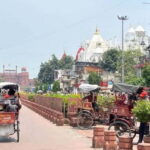
Here’s where you should plan for how you want your day to feel. The highlight is the option for a bicycle rickshaw ride through Chandni Chowk streets, but the ride is listed as at your own expense. If you like moving through traffic-adjacent lanes slowly (and you’re fine with being squeezed into crowds), it’s a great way to see the street fabric. If you’d rather avoid extra maneuvering, you can still walk and observe.
You end the day with reflective stops like Raj Ghat (Gandhi’s cremation platform at the Yamuna River) and then another major temple stop: Swaminarayan Akshardham Temple (also marked Monday closed). This is a big, modern temple complex and tends to feel like another world compared with the older stone monuments you saw earlier.
A small heads-up: since two of these major places are flagged as Monday closed, check whether your Day 1 lines up with a Monday. If it does, you’ll want the guide to swap or adjust so you still get the same big hits.
Day 2 Agra: Agra Fort plus a photo-focused Taj approach
Day 2 is a travel day that still earns its keep.
After breakfast, you drive about 3 hours to Agra and check into your pre-booked hotel. That hotel check-in timing matters more than it sounds. You arrive, settle, and then do the sightseeing without feeling like you’re living out of your suitcase.
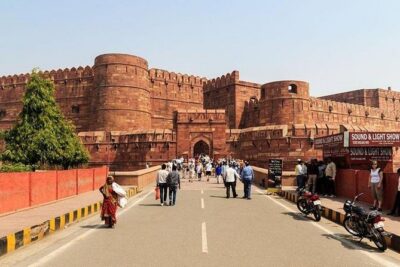
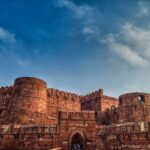
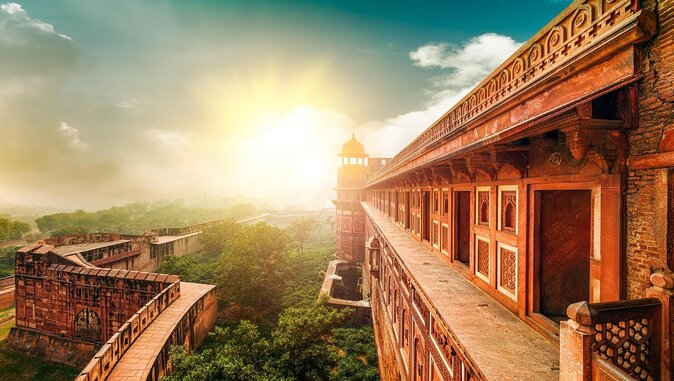
In the afternoon you visit Agra Fort, a UNESCO World Heritage site along the Yamuna River. This fort is your “history layer” after Delhi’s monuments. If Delhi gave you architectural ambition, Agra Fort gives you the long Mughal story in stone and structure—especially as the fort relates to the emperors who lived here until the 1600s era boundary mentioned in the tour description.
Then comes Mehtab Bagh, the moonlit garden viewpoint. The tour frames it as a photo tour from a spot believed to be designed to view the Taj Mahal from across the river area, away from the densest crowd zones. Even if your photos aren’t perfect, you’ll like the perspective change: the Taj isn’t just something you face; it’s something you can position, frame, and compare with its surroundings.
One practical note: this day is structured so you don’t exhaust yourself with one more “can’t miss” after another. That restraint pays off, because sunrise at the Taj is the big emotional peak on Day 3.
Day 3 sunrise at the Taj Mahal and the detour to Chand Baori
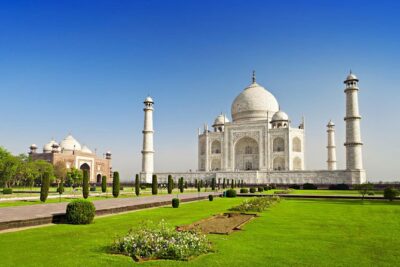
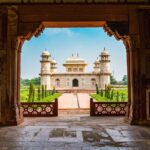
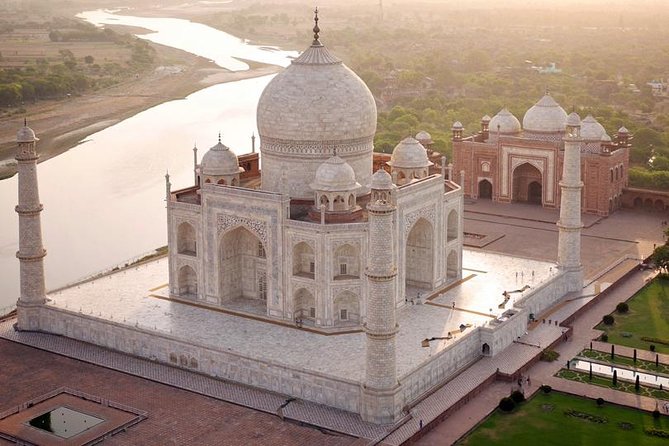
Day 3 is the crown jewel: Taj Mahal sunrise. The tour schedules a morning visit and includes Taj entry and time on site.
Sunrise matters here because the Taj Mahal changes as the light changes. And the tour explicitly notes that sunrise is subject to weather conditions. If weather is cloudy, the experience can still be beautiful, but it’s wise to be mentally flexible and trust the plan on the day.
You spend about two hours at the Taj Mahal—enough time to see the main façade views and do the “walk and look” version of sightseeing, not just a quick stop for a postcard.
After that, you don’t head straight into Jaipur. You take an excellent detour to Abhaneri and Chand Baori, the step well. This is one of those stops that feels like a break from the main storyline of palaces and tombs. The step-well structure creates geometry you can understand fast, and it’s listed as a highlight for its baori and nearby Harshat Mata Temple.
Finally, you drive to Jaipur, the Pink City, and check into your hotel.
If you like variety, this Day 3 is a win. Taj Mahal is emotional and iconic. Chand Baori is unusual and visual. Together they keep the day from becoming one long “wow” that turns into numbness.
Day 4 Jaipur: Amber Fort, City Palace, Jantar Mantar, and Monkey Temple
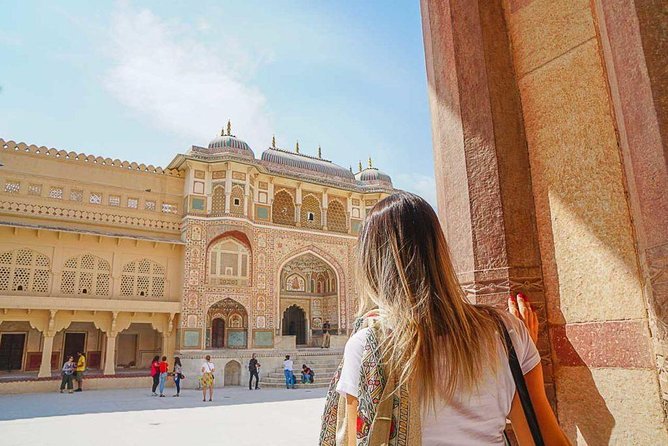
Jaipur Day 4 is a very solid blend of fort drama, royal-era architecture, and science-as-art.
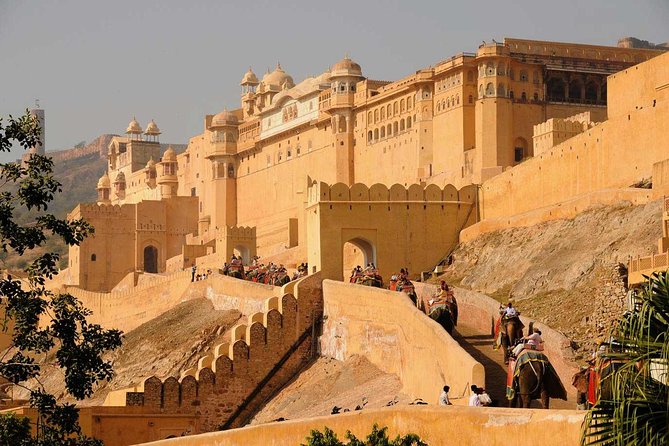
You begin with Amber Palace (Amber Fort). The honey-hued stone fort rises from the rocky hillside, and the tour gives you about two hours. This is a place where timing matters: you’ll want to pace yourself, because forts involve stairs, courtyards, and a lot of looking up.
There’s also an optional ride detail you should know about. The tour lists a jeep ride at Amber Palace as an extra cost of $3 per person, and it says it applies for 5 and above travelers only. So if you’re traveling solo or as a small party, this specific extra may not be relevant to your group size.
Next are two quick photo-stop landmarks inside Jaipur city life: Jal Mahal (Water Palace) and Hawa Mahal (Palace of Breeze). Both are marked as photo stops and listed as not included for admission. That’s fine for many people—Jal Mahal looks its best from certain angles and often feels more like a “scene” than a long museum visit. Hawa Mahal, with its famous honeycomb façade, also reads instantly from outside.
Then the itinerary slows down with City Palace. It’s described as the residence of the royal family, and you get about one hour inside the complex. City Palace works because it isn’t just one building—it’s courtyards, gardens, and palaces from different eras, which you can feel when you move through the space.
After that you visit Jantar Mantar, the UNESCO observatory. If you’ve ever looked up at the stars and wondered how people predicted movement before modern tech, this kind of place gives you that answer in stone. The tour keeps it to around one hour, enough to grasp the idea without rushing.
Finally, you end with Monkey Temple (Galtaji Temple), also known as the Abode of Monkeys. It’s listed as free in the tour description and about one hour. This stop is less about perfect museum rules and more about being present in a temple setting where life and wildlife share the space.
A gentle reminder: monkey areas can involve dust, sudden movement, and a lot of people watching animals. If you don’t enjoy that energy, keep your expectations simple: go for the temple setting and viewpoint, not for quiet contemplation.
You can also read our reviews of more tours and experiences in New Delhi




Day 5 in Delhi: a slower start and your handoff to the next stage
Day 5 is lighter. You get morning at leisure, then later in the afternoon you drive back toward Delhi / Gurugram / Noida to your airport, hotel, or another desired location, with an approximate 5-hour drive time.
This matters because the Golden Triangle can wear you out. Day 5 isn’t designed to make you sprint to one more attraction at the end. It’s designed so you can leave with something still in your head besides traffic stress.
If you’re continuing your trip in India, this drop-off approach is practical. You aren’t forced into one single ending point.
Price and value: what $464.79 really buys you
At $464.79 per person, this tour sits in the mid-to-upper range for India, but it’s not priced like a bare-bones itinerary.
Here’s why it can feel like good value for the money—based on what’s explicitly included in the tour details:
- Private AC vehicle for all sightseeing and transfers. This is the big one. It’s what turns a long day into something manageable.
- Professional private local tour guides for sightseeing. You’re paying for interpretation, not just transportation.
- Entrance fees included for the monuments listed in the route (with several stops marked free anyway).
- Battery bus/golf cart return ride from Taj Mahal parking, which saves energy right when you want it most.
- Unlimited bottled water throughout the tour, so you avoid constant small out-of-pocket purchases.
- Hotel stay upgrade options: you can choose 4-star or 5-star hotel accommodation, and the tour includes daily breakfast when you select the hotel option.
Where value can change: if you travel with a group, you may find it easier to justify private transport because you split time savings across more people. If you’re a solo traveler who prefers self-guided logistics, the cost may feel higher than doing it independently.
Also, remember there are a couple optional add-ons and photo-stop locations that aren’t included for admission (like Jal Mahal and Hawa Mahal as photo stops, and the optional rickshaw ride). Those extras won’t derail the itinerary, but you should budget a few dollars and decide in the moment.
Hotel upgrade and breakfasts: 4-star vs 5-star in real terms
This tour offers a choice: upgrade to 4-star or 5-star hotels, with daily breakfast included when you select the accommodation option. Accommodation is for 4 nights on twin sharing.
What I think matters for you: hotels are your recovery base in a trip like this. You’re dealing with early starts (Taj sunrise), long sight days, and driving. A more comfortable room and better breakfast can make your mornings feel easier, not just nicer.
One more practical point: the tour mentions dress code as smart casual. If you don’t like worrying about what to wear each day, pack one comfortable outfit you can repeat and one slightly dressier layer for temple visits.
Practical stuff that can save your day
A few details are worth planning around so you don’t get surprised:
- Start time: pickup/starting is listed as 9:00 am.
- Taj sunrise: it’s subject to weather conditions.
- Monday closures: Lotus Temple and Swaminarayan Akshardham are marked Monday closed. If you’re traveling on a Monday, it’s smart to plan for adjustments.
- What’s optional vs included: the Chandni Chowk bicycle rickshaw is extra ($4 per person). Amber Palace jeep ride is extra ($3 per person) and only applies for 5+ travelers. Photo stops like Jal Mahal and Hawa Mahal are not included for admission.
- Vegetarian option: vegetarian meals are available (you just need to advise at booking).
- Group size: this is a private tour, so it’s your group only, not a shared bus with strangers.
On the service side, the reviews you provided strongly emphasize guide quality and driver care. I’m seeing names like Himmat in Delhi, Mukesh in Agra, and Ashok or Mahesh in Jaipur showing up in the experiences shared. Drivers like DK, Kuldeep, Hari, K.K., and Sharna are mentioned for being safe and handling the traffic rhythm. One theme runs through those comments: you get picked up, guided through the sites, and then returned to the next step without the constant “what now?” feeling.
Should you book this tour?
Book it if you want the Golden Triangle done the easy way: private guides, door-to-door AC transport, entrance fees handled, and a schedule that puts the right attention on the big icons without turning your trip into a checklist sprint.
Skip or reconsider if you:
- travel on a very strict budget and prefer DIY planning,
- strongly dislike any chance of sunrise being affected by weather (even though the tour is built around it),
- or you’re traveling on a Monday and you’re specifically counting on those Monday closed temple stops without wanting replacements.
If you like your travel to run clean—less logistics anxiety, more time looking at the details that make Delhi, Agra, and Jaipur special—this is a strong fit for a first Golden Triangle trip.
FAQ
What is the tour duration and when does it start?
The tour is scheduled for approximately 5 days, and the start time is 9:00 am.
Is this a private tour?
Yes. It’s listed as a private tour/activity, so only your group participates.
Are hotel stays and breakfast included?
Hotel accommodation for 4 nights and daily breakfast are included only if you book the option that includes hotels. The hotel upgrade lets you choose 4-star or 5-star.
Are entrance fees included?
Yes. Monument entrance fees are included for the sights mentioned in the itinerary.
Does the tour include bottled water?
Yes. The tour includes unlimited bottled water throughout the tour.
Is pickup included?
Yes. Pickup is offered, and the tour includes private air-conditioned vehicle transfers for sightseeing and transfers.
How is the Taj Mahal sunrise visit handled?
The sunrise visit to the Taj Mahal is subject to weather conditions.
Are any attractions closed on Mondays?
Yes. Lotus Temple and Swaminarayan Akshardham are marked as Monday closed.
What optional extras should I budget for?
Two extras are listed: a bicycle rickshaw ride in Old Delhi at $4.00 per person, and a jeep ride at Amber Palace at $3.00 per person (applicable for 5 and above travelers only).
Where does the tour end?
It ends in a different location in the Delhi area. The tour includes a drive to Delhi / Gurugram / Noida (airport/hotel/other desired location) taking about 5 hours.