REVIEW · NEW DELHI
Evening Food Tour
Book on Viator →Operated by Delhi by Locals · Bookable on Viator
Old Delhi at dusk hits different, and I love the street-food rhythm plus the way you move by rickshaw and metro. One thing to consider: this is Old Delhi, so expect crowds, strong smells, and a little chaos that you’ll want to roll with.
You also get real value for the money. For $45, you’re not just tasting one thing—you’re led through multiple famous stops, with all tastings included, plus tea, bottled water, and dinner.
A final note before you go: you’ll do a fair amount of walking and stop-and-go moving between areas. If you hate tight lanes or you’re very mobility-limited, you may find it tiring even though most travelers can participate.
In This Review
- Quick takeaways before you go
- Why 5:30 pm Old Delhi is the right kind of loud
- Price and what $45 really buys you
- The “mobile ticket + small group” setup that actually helps
- How the route moves: metro, rickshaw, and walking
- Stop 1: Khari Baoli and the spice market lesson
- Stop 2: Chandni Chowk for food-first street wandering
- Stop 3: Nai Sarak at 2584-2585 for the food-culture angle
- Stop 4: Old Famous Jalebi Wala for crispy jalebi and hot samosas
- Jama Masjid: learn from the outside, then connect it to what you ate
- Stop 5: Paranthe Wali Gali for paratha variety
- Stop 6: Karim’s dinner—Mughlai classics near Jama Masjid
- The guides make a difference (and you’ll feel it)
- Food safety and what to do if you’re nervous
- Pace, timing, and what to wear
- Where you meet and how it ends
- Should you book this Old Delhi Evening Food Tour?
Quick takeaways before you go
- Small group (max 6) means you can ask questions and move at a human pace.
- Tea + bottled water included, so you’re not constantly hunting for drinks.
- Old Delhi transport mix (metro, rickshaw, on foot) makes the route feel local, not staged.
- Spice lesson at Khari Baoli gives you context before the food starts stacking up.
- Jalebi Wala + paranthe stop are built for your sweet-to-savory cravings.
- Karim’s dinner anchors the end with Mughlai classics near Jama Masjid.
Why 5:30 pm Old Delhi is the right kind of loud
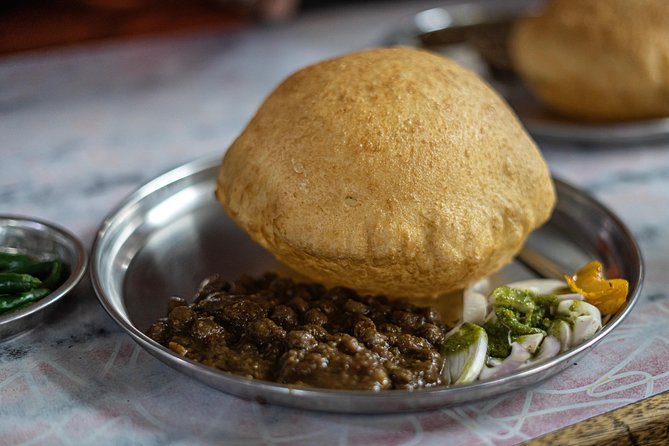
This tour is timed for the evening crowd—when markets feel alive and food stalls are fully in swing. Starting at 5:30 pm helps because you get the sensory payoff (smells, sounds, movement) without it being peak midday heat.
You’re also set up to understand the city, not just eat in it. The guide provides commentary on Indian culinary culture—how spices, street snacks, and restaurant classics connect—so each stop lands with meaning.
You can also read our reviews of more food & drink experiences in New Delhi


Price and what $45 really buys you
$45 might sound like a simple food-tour number, but here the math is better than it looks. You’re paying for:
- A professional guide
- Transport (including metro and a rickshaw ride)
- Multiple tastings across several well-known Old Delhi food stops
- Tea and bottled water
- And dinner at the end
When a tour includes dinner and several tasting stops, it shifts from a snack crawl to a guided meal experience. That matters in Old Delhi, where it’s easy to miss the right stall—or end up at a place that’s more show than food.
Also, bookings tend to happen about 23 days ahead on average, which tells me this sells out for a reason: the evening slot is popular.
The “mobile ticket + small group” setup that actually helps
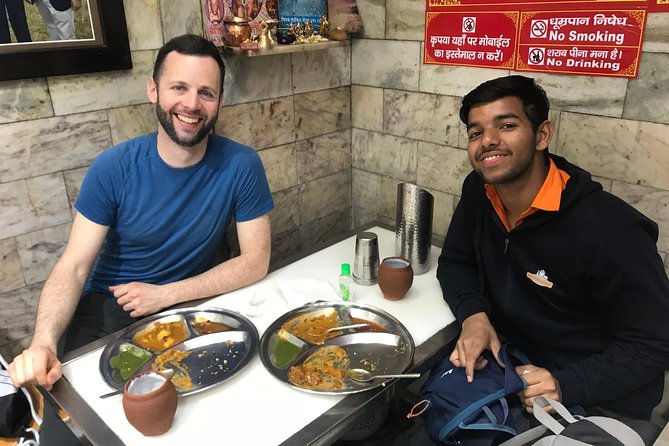
This tour uses a mobile ticket, which is convenient if you’re juggling multiple plans in Delhi. More important: it runs with a maximum of 6 people per booking.
That small size shows up in how the evening flows. You’re not waiting forever at every stall. You can hear your guide, move as a unit, and still take in the sights outside Jama Masjid and along the lanes.
How the route moves: metro, rickshaw, and walking
The evening is designed around three different ways to get around:
- Metro to reposition efficiently
- Rickshaw for close-up street-level travel (especially around the spice market area)
- On foot so you can actually experience the neighborhood texture
The big benefit of mixing transport is that you don’t just “see food.” You see how people move through Old Delhi. And when you’re walking between pockets like Chandni Chowk, Nai Sarak, and the paratha lanes, the city starts to make sense as a set of food districts rather than one giant blur.
Stop 1: Khari Baoli and the spice market lesson
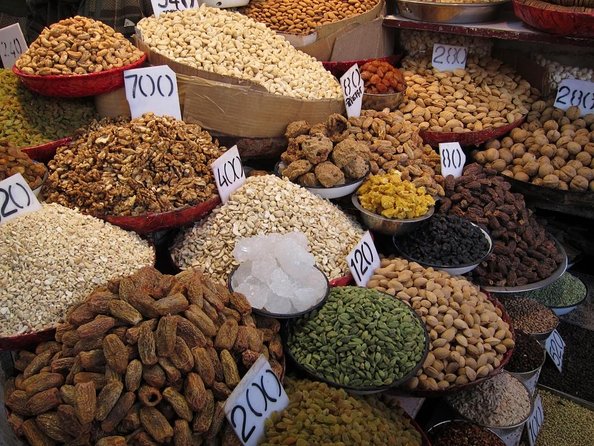
Khari Baoli is your first stop, and you’ll take a rickshaw ride there. It’s known as South Asia’s largest spice market, so this is the part of the tour that primes your senses.
What I like about this start: it gives you context before you start eating. Spices aren’t treated like background. Your guide explains culinary culture and modern food through what you see at the market, so later tastings feel connected rather than random.
A practical consideration: spice markets can be intense—strong aromas, busy lanes, and lots of people stopping to look. If you’re sensitive to smell or you get overwhelmed in crowds, just go in knowing you’ll need a bit of breathing room and a steady pace.
You can also read our reviews of more tours and experiences in New Delhi




Stop 2: Chandni Chowk for food-first street wandering
Chandni Chowk is next, and it’s described as fun for foodies with many safe food options. Even if you know your way around a market, a guide helps you cut through the noise and keep you focused on the right stalls.
This is the stop where you’ll start noticing patterns: how street snacks sit beside sweet shops, how savory food and sweets feed off each other, and how people snack while they shop. Your guide’s commentary connects what’s on the table to broader food culture.
Stop 3: Nai Sarak at 2584-2585 for the food-culture angle
Nai Sarak (specifically the area around 2584-2585) is positioned as a place to learn the secrets behind India’s cuisine. The stop is short, but it’s meant to shift your thinking from eating to understanding.
I see this as smart tour design. The best food tours do two jobs at once: they feed you, and they teach you what to look for. Nai Sarak is the bridge between the big-market energy and the specific tastings that follow.
Stop 4: Old Famous Jalebi Wala for crispy jalebi and hot samosas
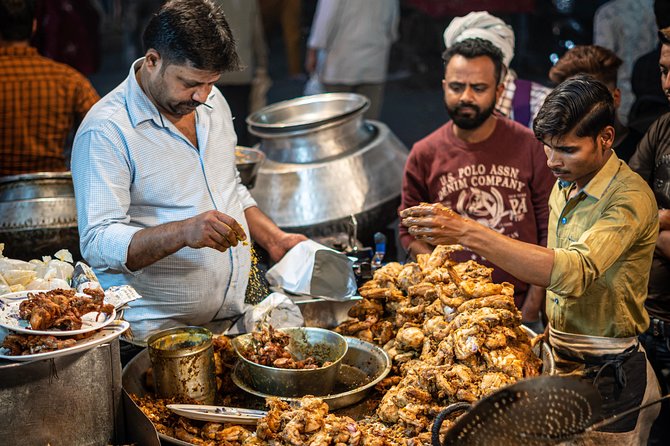
Then the tour snaps from theory into cravings.
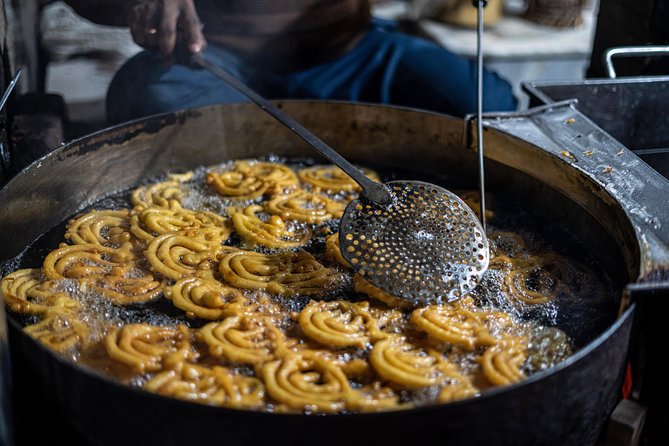
At Old Famous Jalebi Wala, the tasting includes crispy golden jalebis and fresh, hot samosas. This combo is a classic Old Delhi rhythm: sweet meets savory, and the textures contrast in a way that keeps your appetite awake.
Timing-wise, this is also a good moment in the evening. You’ve learned about spice and culture already, so you’re tasting with intention, not just collecting bites.
Jama Masjid: learn from the outside, then connect it to what you ate
You’ll learn about Jama Masjid and see it from outside. This isn’t the kind of stop where you’re meant to be stuck reading plaques. It’s more of a geographic and cultural anchor.
Why it matters for your food experience: Jama Masjid sits in the neighborhood where Mughlai flavors have long been part of the culinary story. Seeing it (even from the outside) helps you place the cuisine in the city’s timeline, especially once Karim’s comes up next.
Stop 5: Paranthe Wali Gali for paratha variety
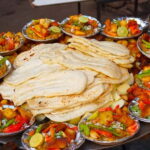
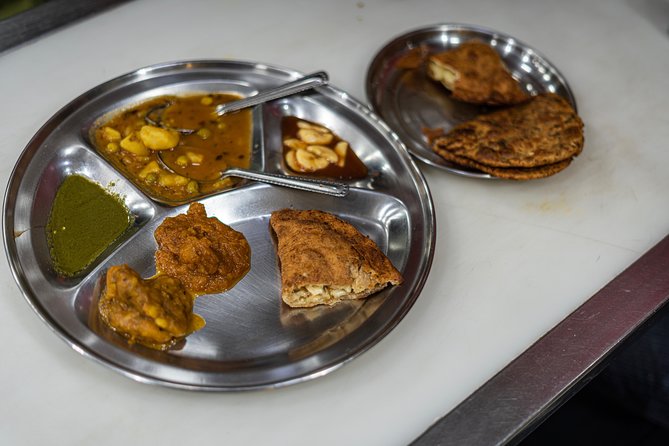
Next is Paranthe Wali Gali, known for paranthas. You’ll try different stuff bread here, so the focus is on variety rather than one single dish.
Paranthas are the kind of food that rewards attention. You can taste how fillings and cooking style change the bite. And because you’re in a lane famous for this specialty, you’re not just guessing—you’re in the right place for paratha culture.
If you’ve never had paranthas before, this is a friendly introduction. If you already love them, this stop is where you can compare styles without having to research stalls on your own.
Stop 6: Karim’s dinner—Mughlai classics near Jama Masjid
The tour ends at Karim’s, one of Old Delhi’s most iconic food institutions. It’s famous for Mughlai cuisine and has been serving for over a century, founded near Jama Masjid.
What you can expect here, based on the tour details:
- Rich curries
- Tender kebabs
- Traditional flavors that have been handed down over time
This stop is where the evening becomes a real meal, not just snacks. By the time you reach Karim’s, you’re already warmed up with street food sweetness and spice-market learning, so the restaurant-style dishes land as the deeper layer of the same food story.
The guides make a difference (and you’ll feel it)
Multiple guides are named in past experiences, and the common theme is that they keep the tour human: engaging, friendly, and ready to answer questions.
You may see names like Salman, Badal, and Pradeep attached to tours. One experience highlighted Pradeep adjusting the itinerary after an earlier-day incident, which is a good sign of flexibility. Another mentioned Salman leading the group with a mix of food and Old Delhi culture. And Badal was described as fluent and easygoing, answering questions and making the evening feel comfortable.
That matters in Old Delhi. When things get hectic, a good guide helps you stay oriented—what to eat, where to stand, and how to read the neighborhood while you’re in it.
Food safety and what to do if you’re nervous
Your tour includes tastings, and it also explicitly mentions safe food options at Chandni Chowk. In practical terms, that means you’re eating because a guide is steering you toward specific vendors rather than wandering and hoping.
I won’t promise anyone won’t get a stomach upset—food anywhere can be unpredictable. But I do like that the route is structured around trusted stops and guided decisions. One past experience even noted that nobody got sick, which lines up with the tour’s emphasis on safe choices.
Your part is simple:
- Pace yourself across the night
- If you get too full, save your curiosity for the next stop
- Drink the included tea/water as you go
Pace, timing, and what to wear
The total duration is about 3 hours 30 minutes, starting at 5:30 pm. Stops range from about 5 to 20 minutes, with time spent moving between food districts by foot and vehicle.
So yes, you should plan on being on your feet. Wear comfortable shoes. You’ll also be dealing with Old Delhi street conditions—crowds, lane traffic, and the occasional weather shift.
One past experience mentioned the tour shortened to about half due to incoming weather. That’s not a guarantee, but it’s a hint: if rain or strong wind hits, you may need to stay flexible.
Where you meet and how it ends
You start at Inner Circle, Block A, Connaught Place, New Delhi (start time 5:30 pm). The tour ends back at the meeting point, so you’re not stuck figuring out your next move in the evening.
That return-to-base detail is underrated value. In a city like Delhi, it reduces stress at the end of a long day.
Should you book this Old Delhi Evening Food Tour?
Book it if you want:
- A guided Old Delhi food evening that mixes street snacks and a proper dinner
- A route that uses metro + rickshaw + walking so the city feels real
- A small group experience (max 6) where the guide can actually talk to you
- A first-time-friendly plan that hits major food areas like Khari Baoli, Chandni Chowk, and Paranthe Wali Gali
Skip or think twice if:
- You hate tight lanes and strong market smells
- You need a very low-walking plan
- You want a quiet, sit-down tasting only (this is street-first by design)
One more practical point: you can cancel for a full refund if you cancel up to 24 hours in advance of the start time, so there’s less pressure if your schedule is still forming.
If you’re landing in Delhi soon and want one evening that connects food, culture, and the rhythms of Old Delhi, this is a smart choice.