REVIEW · NEW DELHI
5 Days Golden Triangle Tour with Ranthambore Delhi Agra Jaipur
Book on Viator →Operated by Agra Taj Visit · Bookable on Viator
A sunrise in Agra, then tigers the next morning. What makes this tour so appealing is the Ranthambore National Park safari plus the classic Taj Mahal sunrise pairing with Delhi and Jaipur in one smooth plan. I like the private, group-only feel (your guide keeps things moving at your pace) and I also like that the driving is handled end to end in a private air-conditioned vehicle. One consideration: entrance fees for monuments are not included, so you’ll want to budget those extra tickets upfront.
You get 4 hotel nights and the big sightseeing blocks without having to stitch plans together yourself. It’s built for first-time visitors, too, because the route hits the heavy hitters while still leaving room for breathing pauses between stops.
There’s also one timing note you should respect: Ranthambore is closed during the monsoon season every year, from July 1 through Sept 30, so plan around that if tiger time is your priority.
In This Review
- Key highlights that matter
- Your 5-day plan across Delhi, Agra, Jaipur, and Ranthambore
- Day 1 in Delhi: Qutub Minar area, Lutyens Delhi, India Gate
- Day 2 in Agra: Taj Mahal sunrise (and Agra Fort after breakfast)
- Day 3 in Ranthambore: 6–9 AM safari drives for tiger odds
- Day 4 in Jaipur: Hawa Mahal, City Palace, and Jantar Mantar
- Day 5 in Delhi: wrap-up and drop-off
- Price and logistics: what you’re paying for (and what you’re not)
- Hotels, meals, and the comfort basics you’ll actually notice
- Guide and driver quality: the difference between seeing places and understanding them
- Who should book this tour (and who might want to tweak it)
- Should you book? My practical take
- FAQ
- Are pickups included for this tour?
- Is the Ranthambore safari included in the price?
- What are the main entrance fees not included?
- Is Taj Mahal included, and is it always open?
- How long is the Ranthambore game drive?
- How many hotel nights are included?
- Is the tour available during monsoon season?
Key highlights that matter
- Ranthambore morning safari timing (6–9 AM) designed for strong viewing chances
- Private guides in Delhi, Agra, and Jaipur so you understand what you’re seeing
- Taj Mahal sunrise visit plus Agra Fort, both UNESCO World Heritage Site stops
- Shared Jeep/Canter safari with naturalist so you get wildlife context, not just driving around
- Professional local support plus a well-known driver pattern (people note Akhtar, also called Ali, for safety and attentiveness)
- Hotels across 3, 4, and 5-star options with twin-sharing, plus dinner and breakfasts included
Your 5-day plan across Delhi, Agra, Jaipur, and Ranthambore
This is a classic Golden Triangle itinerary with a real wildlife day added—so you’re not just doing temples and palaces. You start in Delhi, move to Agra for the Taj and Agra Fort, then head to Ranthambore for an early game drive, before finishing with Jaipur’s icons and a return drop-off in Delhi.
The rhythm is pretty clear: mornings are packed (Taj sunrise, then Ranthambore), while afternoons tend to be dedicated sightseeing. That matters because India rewards early starts, and this tour leans into that pattern instead of fighting it.
Also, it’s marketed as private in the sense that only your group participates. You’re not blending into a random bus of strangers at each stop. You’ll still ride in shared safari vehicles at Ranthambore, but the overall travel days are set up to feel more personal.
Finally, you’ll see how the tour handles practical extras: bottled water, transport by private air-conditioned vehicle, and mobile ticket included. Small things, but they reduce the stress of figuring out the basics on the fly.
You can also read our reviews of more tours and experiences in New Delhi



Day 1 in Delhi: Qutub Minar area, Lutyens Delhi, India Gate
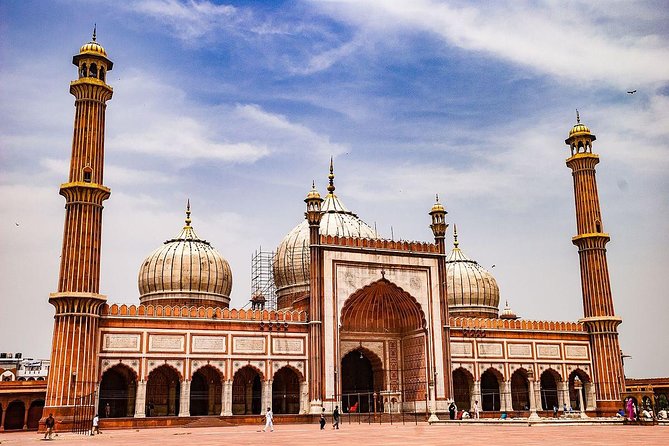
Your day begins with pickup from your Delhi hotel or the airport, which is the easiest way to start. Then you do a half-day Delhi tour that focuses on the city’s key landmarks: Lutyens Delhi, India Gate (the war memorial), and a drive by Parliament. You also get a start at Qutub Minar.
This is a smart opener because Delhi can feel big and confusing. A guide-led introduction helps you get your bearings fast. You’re not trying to read the city while also managing traffic and timing—someone else handles that.
One practical note: the itinerary lists admissions as not included for this day. That means you’ll likely need to pay at the entrance or bring what your guide requests. In other words, don’t assume every gate is covered.
If you’re arriving in Delhi the same day you start touring, this half-day format is a good compromise. It’s enough time to feel the city’s character without exhausting yourself before the longer drives later.
Day 2 in Agra: Taj Mahal sunrise (and Agra Fort after breakfast)
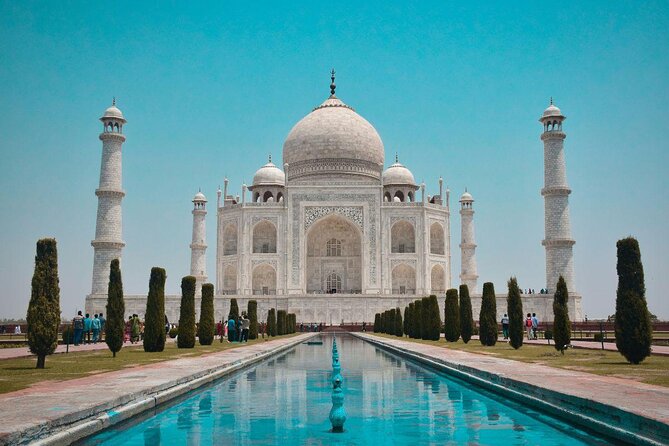
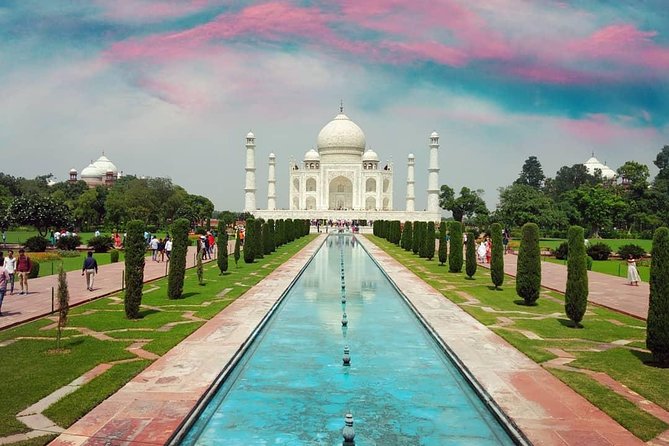
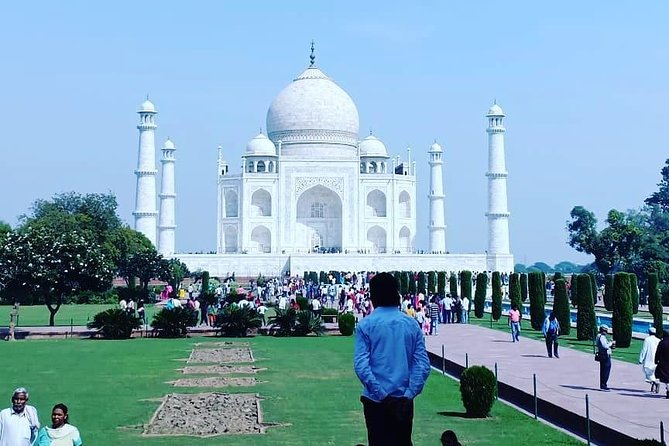
Day 2 is where the tour earns its popularity. You visit the Taj Mahal at sunrise, which is often the best way to see it—lighter skies, fewer crowds, and a calmer start to the day. The tour also notes that the Taj Mahal is closed Fridays, so if your schedule lands on a Friday, your day may shift accordingly.
After breakfast, you visit Agra Fort, another UNESCO World Heritage Site. Agra Fort is a great pairing because it gives you the context of the region beyond the single most famous monument in India. If you only do the Taj, you’ll still enjoy it—but adding the fort helps you understand why this city became such a magnet for power and architecture.
Admissions are not included here either, so keep entrance fees in mind. Also, the Taj and Agra Fort are both big-ticket stops, meaning you’ll want comfortable walking shoes and a light plan for heat. Sunrise is cool-ish, but Agra still warms up quickly once the day gets going.
This day is a strong value if you like structured pacing. The tour’s approach saves you from coordinating transport and timing while you’re trying to match a specific sunrise window.
Day 3 in Ranthambore: 6–9 AM safari drives for tiger odds
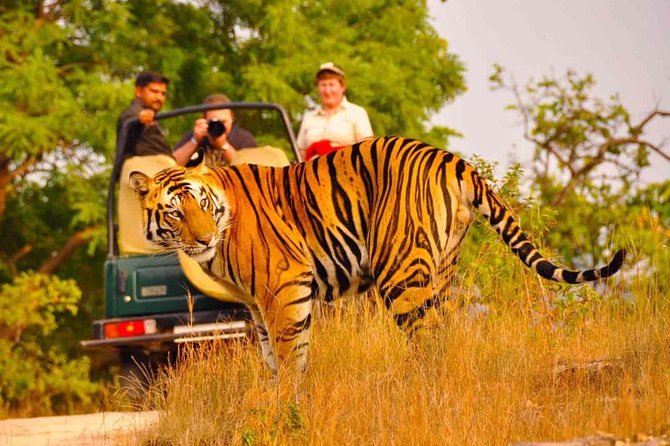
This is the day you came for if you want tigers in the wild. Ranthambore is described as an ideal home for tigers and various wildlife, and the tour gives you an early morning game drive from 6–9 AM for about 3–4 hours.
Here’s what’s important: this isn’t just a drive with a camera. The safari is run in a shared Jeep or Canter format with a naturalist. That matters because you learn how the reserve works—what to watch for, how to read the landscape features (even when tigers stay hidden), and why certain spotting patterns happen.
A quick reality check: no safari can guarantee a tiger sighting. The value comes from being in the right place at the right time, with the right guidance. Even when you do not see a tiger, you can still enjoy native wildlife in their natural environment, which is part of Ranthambore’s appeal.
Timing is everything here, and the tour respects it by scheduling the safari early. If you’re the type who hates waking up too early, this is the one day where you’ll feel it. But it’s also the day when the reserve is at its most energetic for sightings.
One more key consideration: Ranthambore is not open from July 1 through Sept 30 each year. If your travel dates fall in that window, you’ll need a different plan.
Day 4 in Jaipur: Hawa Mahal, City Palace, and Jantar Mantar
After two days focused on Delhi and Agra landmarks, Jaipur gives you the “city of color and craft” feeling—without needing to guess what to do next. This day is a full-day private tour, led by a guide, and it hits the big three: Hawa Mahal, Maharaja City Palace, and Jantar Mantar.
You start with Hawa Mahal, the Palace of Wind. It’s one of those sights that looks instantly recognizable in photos, but in person it’s more about the design and how the building functions as a cultural object. Then you continue to Maharaja City Palace, described as a royal palace with seven storeys.
The tour also includes Jantar Mantar, a stone observatory. Even if you’re not a math person, these instruments are fun because you see how practical science and daily life overlapped in the past. Your guide’s job here is to translate what the stones are doing so you don’t just stare and move on.
Admissions aren’t included for these stops either. That’s normal for these kinds of packages, but it’s worth planning ahead so you’re not doing last-minute card gymnastics while you’re trying to enjoy the day.
Jaipur is also a good day for pace control. Because it’s private, you can ask questions, slow down at details, and avoid feeling rushed through every archway and courtyard.






Day 5 in Delhi: wrap-up and drop-off
The final day is straightforward: after breakfast, you proceed back to Delhi and get dropped off at your desired location in Delhi. There’s no extra marathon sightseeing day tacked on, which is a nice way to end.
This matters because by this point, you’ve done multiple transport days and several major walking stops. Having a calm landing helps you keep the trip from feeling like one long sprint.
If you’re taking a later flight or meeting someone in Delhi, a mid-day wrap-up can make your travel day easier. Just confirm timing with your guide once you have your exact itinerary day order locked.
Price and logistics: what you’re paying for (and what you’re not)
The tour price is $399.20 per person for about 5 days. That number can look “low” compared to custom planning, but you should judge value by what’s included rather than what you’d add yourself.
What’s included:
- 4 night accommodations in 3, 4, or 5-star hotels (twin sharing, based on your choice)
- Transport by a private air-conditioned vehicle
- Professional local tour guides
- Ranthambore morning safari (shared Jeep/Canter) and bottled water
- Breakfasts (4) plus dinner per itinerary
What’s not included:
- Entrance fees for monuments listed as $60.00 per person
- Anything not explicitly mentioned in inclusions
So you’re paying for the big machine: driving, guide time, hotels, and the safari vehicle. That’s where the savings usually are. If you tried to book separately—hotels, driver, guides, and a safari—the process can get messy fast, especially around sunrise timing and safari rules.
One more practical point: the tour notes monsoon closure for Ranthambore, plus Taj Mahal closure on Fridays. That means your best value is when you book for dates that line up with those operating days.
Cancellation-wise, you can cancel up to 3 days in advance for a full refund. If your plans are flexible, that reduces risk.
Hotels, meals, and the comfort basics you’ll actually notice
You’ll stay for 4 nights in a hotel category you choose (3, 4, or 5 star). They’re listed as twin sharing, so if you’re traveling solo you may want to ask about single-room arrangements, but that detail isn’t specified here. What is clear is that the lodging is part of the package rather than something you’d coordinate yourself.
Meals included are breakfast (4) plus dinner according to the itinerary. The tour also states that a vegetarian meal option is available, which is a real comfort on multi-stop trips.
Bottled water is included, and that’s not just a perk. With long days and early mornings, it keeps you from constantly hunting for refills. You’re already managing transport schedules and walking, so having water handled removes one small stress.
The biggest comfort factor, though, is the private vehicle and guide coverage. Your day doesn’t depend on you navigating city routes or searching for ticket counters when you’d rather focus on the monument or the view.
Guide and driver quality: the difference between seeing places and understanding them
The itinerary is packed with named stops, but the experience depends on how it’s guided. From the feedback patterns, one driver name comes up: Akhtar, who is also mentioned as Ali. People highlight him for being attentive—bringing drinks and snacks—and for staying organized with routes and timing.
That kind of care matters in India because small delays can snowball into missed entry windows or rushed photos. When your driver knows the route and your guide keeps the story straight, the trip feels lighter.
Your best tactic: use the guide’s time. Ask what to look for at each stop, then you’ll notice more. That turns the Golden Triangle from a photo checklist into a set of moments you can actually explain later.
Who should book this tour (and who might want to tweak it)
This tour fits you if:
- You want the Golden Triangle essentials—Delhi, Agra, and Jaipur—plus Ranthambore in one trip
- You like sunrise starts and early planning that pays off
- You prefer a private, guided feel without going fully DIY
- You want value in transport and hotels, not just attractions
You might reconsider or compare if:
- You hate early mornings. The Taj sunrise and Ranthambore drive are not late-day activities.
- Your travel dates fall in July 1 to Sept 30, when Ranthambore is closed.
- You’re expecting entrance fees to be fully included. They are not; the tour lists $60 per person for monuments.
If you’re a first-time India visitor, this is also a solid on-ramp. You get the landmarks, the structure, and a wildlife day that most people only manage with separate planning.
Should you book? My practical take
Yes, I’d book this if tiger safari is on your bucket list and you’re traveling during Ranthambore’s open season. The package feels like it’s doing the heavy lifting: hotels for 4 nights, private transport, guides, and the Ranthambore safari window are all baked in.
I’d also budget the monument entrance fees at the start so there are no surprises at the gate. And if you’re picking dates, double-check that your day lines up with the Taj Mahal schedule, since it’s closed on Fridays.
If you want a trip where you spend less time coordinating and more time actually looking at places, this one has the right mix of classics and wildlife. Just be ready for early mornings and bring your best patience for full days.
FAQ
Are pickups included for this tour?
Yes. Pickup is offered from your Delhi hotel or the airport at the start of the trip.
Is the Ranthambore safari included in the price?
Yes. The tour includes a morning jungle safari at Ranthambore Tiger Reserve in a shared Jeep (or Canter).
What are the main entrance fees not included?
Entrance fees for all monuments are listed as an extra $60.00 per person. Admission tickets are noted as not included for the monument stops.
Is Taj Mahal included, and is it always open?
The Taj Mahal is included as a sunrise visit. The tour notes that the Taj Mahal is closed on Fridays.
How long is the Ranthambore game drive?
The game drive is scheduled for an early morning session from 6 AM to 9 AM, and it’s described as 3–4 hours.
How many hotel nights are included?
You get 4 nights of accommodation.
Is the tour available during monsoon season?
No. Ranthambore National Park is not open from July 1 through September 30 each year.