REVIEW · NEW DELHI
Chandni Chowk Old Delhi Food Tour with Spice Market
Book on Viator →Operated by Tour4Fun · Bookable on Viator
Old Delhi can feel like a maze. This tour helps you navigate Chandni Chowk fast while tasting vegetarian street food and visiting key markets, including Khari Baoli.
I especially like that a guide keeps you oriented in tight lanes and explains what you’re eating as you go. I also like the mix: markets, temples, and a cycle rickshaw ride so it’s not just a snack crawl. The main drawback to plan around is that it’s a crowded walking experience, and at least one temple stop (Digambar Jain Lal Mandir) is closed from 12 to 5 PM.
You’ll spend about three hours moving through Old Delhi with a small group (up to 20), starting and ending near the Lal Quila metro area. You get coffee or tea, vegetarian street snacks, and a cycle rickshaw ride—plus plenty of chances to look around without getting lost.
In This Review
- Key Things to Know Before You Go
- Getting Oriented at Shani Mandir Gate (and Why It Matters)
- How the 3-Hour Flow Really Feels: Snacks, Tea, and a Cycle Rickshaw
- Digambar Jain Lal Mandir (1656) and the Birds Hospital Stop
- Gurudwara Sis Ganj Sahib: Golden Dome, Guru Teg Bahadur, and Langar
- Khari Baoli Spice Market: 1,000+ Shops in One Area
- Gadodia Market: A Haveli Rooftop View Over Old Delhi
- Kinari Bazaar for Weddings and Naughara Havelis
- The Famous Old Delhi Street Moment (And Why You’ll Notice It)
- Price and Logistics for a $45 Vegetarian Food Tour
- Who This Tour Suits Best (And Who Might Want a Different Plan)
- Should You Book This Chandni Chowk Spice Market Food Tour?
- FAQ
- FAQ
- How long is the Chandni Chowk Old Delhi Food Tour?
- What is the price per person?
- Is the tour vegetarian?
- What food and drinks are included?
- Is the cycle rickshaw ride included?
- What markets and stops are visited?
- Do the market stops require paid admission?
- When is Digambar Jain Lal Mandir closed?
- What is the meeting point?
- What is the maximum group size?
Key Things to Know Before You Go
- A guide is the real value: you avoid the usual Chandni Chowk confusion and keep your bearings quickly.
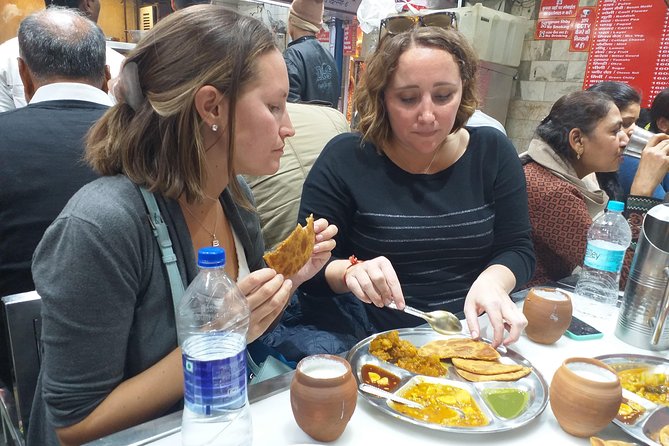
- Vegetarian food is built in: coffee/tea and vegetarian street food snacks are part of the tour.
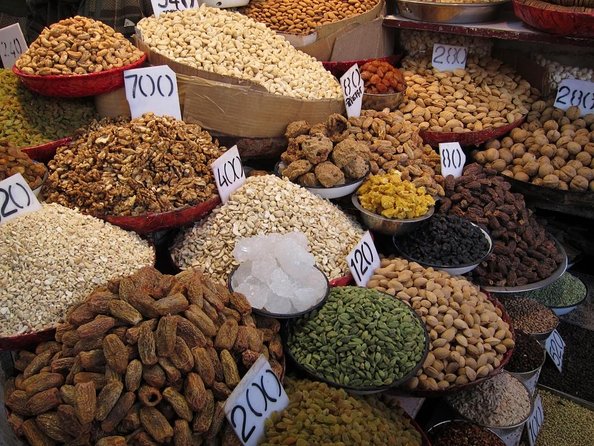
- Khari Baoli is the spice anchor: one stop takes you into a market said to have 1,000+ shops.
- You’ll mix markets and faith stops: Digambar Jain Lal Mandir and Gurudwara Sis Ganj Sahib both fit the story of Old Delhi.
- A cycle rickshaw break helps: it adds fun and gives your legs a breather while still keeping momentum.
- Group stays small: maximum of 20 travelers means less waiting and more attention from your guide.
Getting Oriented at Shani Mandir Gate (and Why It Matters)
The tour starts near the Lal Quila metro station area, at Shani Mandir gate no 01. This matters because Chandni Chowk isn’t the place you want to wander “and see what happens.” The lanes are winding, the crowds are real, and it can be hard to figure out which direction leads to the next market—unless someone is actively guiding you.
I like tours that trade stress for structure. Here, that structure is simple: you follow the guide through the day’s stops, and you’re not stuck trying to read signs while dodging bicycles, people, and street traffic. Even if you’re comfortable using a phone for maps, you’ll still appreciate the human shortcut.
You can also read our reviews of more food & drink experiences in New Delhi


How the 3-Hour Flow Really Feels: Snacks, Tea, and a Cycle Rickshaw
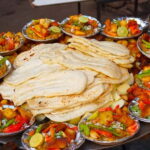
Plan on about three hours of moving time, with a friendly pace and time at each major stop. You’ll also get coffee or tea plus vegetarian street food snacks along the way, which is a practical way to keep energy up in a very active area.
Then there’s the cycle rickshaw ride. It’s not just a photo moment. It gives you a different view of Old Delhi’s street rhythm and saves your legs for the later walking segments. If you’re the type who likes seeing how locals move through the city, this part helps you feel the neighborhood instead of only observing it from one walking lane.
If you get a guide who’s comfortable talking, you’ll likely enjoy the way they connect each bite to the market you’re standing in. Accounts include guides like Gajendra and Achaleshwar being especially friendly and clear about what you’re eating and why it’s there.
Digambar Jain Lal Mandir (1656) and the Birds Hospital Stop
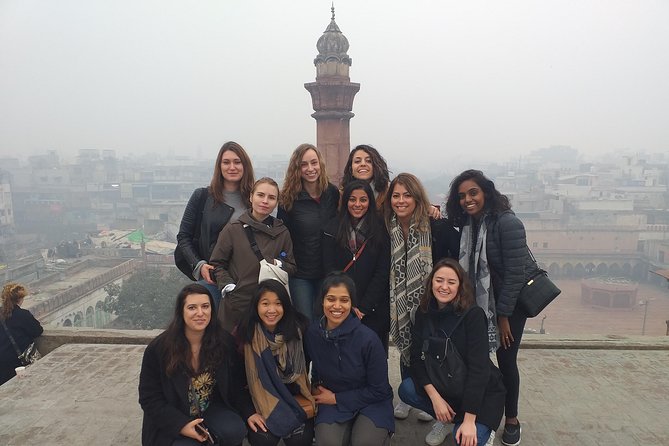
One of the more interesting pauses is Digambar Jain Lal Mandir, built in 1656. This stop isn’t just about architecture; it’s also known for gold-plated painting and a birds hospital. That combination gives you a change of pace from the noise of the markets.
There’s one big practical consideration: the temple is closed from 12 to 5 PM. So if your tour time lands in that window, don’t be surprised if you’ll spend that slot differently. Either way, the lesson for you is to treat faith stops as time-sensitive, not just “we’ll see what happens.”
Even if you’re not a hardcore temple person, this is a good reminder that Old Delhi isn’t only about commerce. It also has quiet pockets where people come for worship and care.
Gurudwara Sis Ganj Sahib: Golden Dome, Guru Teg Bahadur, and Langar
Next up is Gurudwara Sis Ganj Sahib, dedicated to the Ninth Guru Teg Bahadur. The tour highlights the golden-domed presence of the shrine, but what makes it meaningful is the stop at the Langar (free kitchen).
The Langar runs daily with more than 10,000 people eating there, and you can do some service as part of the visit. That detail changes the feel of the experience. Instead of only watching from the sidelines, you’re given a chance to participate in a small way—helping out with the flow of food and service.
A word to you: approach this portion with patience. You’ll be in a busy, organized environment, and “service” here is not a rigid performance—it’s more like being part of the day’s routine for people who rely on the kitchen.
Khari Baoli Spice Market: 1,000+ Shops in One Area
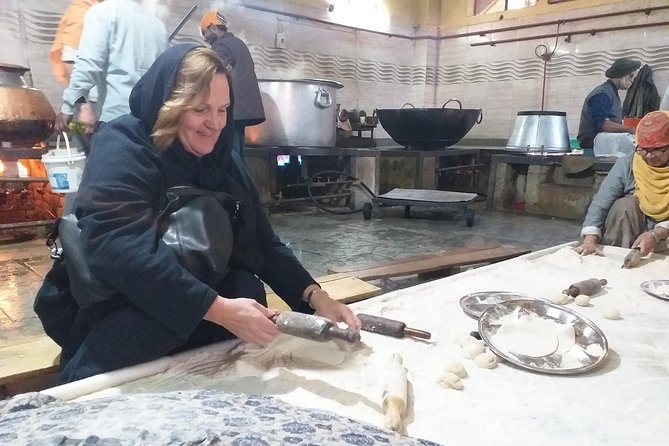
Then you move into Khari Baoli, described as Asia’s biggest spice market. The scale is the point: it’s said to have 1,000+ shops. Even if you don’t buy anything, this is one of those places where the senses do most of the work—sacks, grinders, stacked spices, and that unmistakable smell that follows you down the lanes.
This is also where having a guide pays off. A guide can help you understand what you’re seeing so it doesn’t feel like a wall of powder. And even if your focus is food, it helps to learn how spice markets work: what’s sold, how people navigate the shopping chaos, and why this neighborhood is famous.
Also note the tour includes market entry as free for the Khari Baoli stop. You’ll still need to bring normal street-market awareness—watch your footing, expect crowds, and keep your phone secured.
You can also read our reviews of more tours and experiences in New Delhi





Gadodia Market: A Haveli Rooftop View Over Old Delhi
After the big spice market energy, Gadodia Market feels more human-scale. It’s described as an old haveli of Old Delhi and part of the spice market—almost like a small spice village where people live and work.
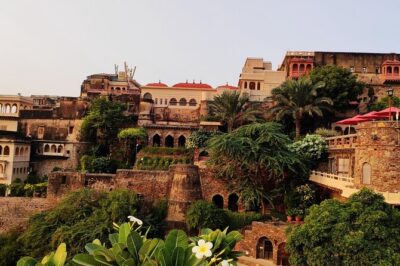
Here’s the detail I really like for your experience: you’ll go to the rooftop of the haveli for a birds-eye view of Old Delhi. That’s a smart break from the ground-level crowd. The view helps you understand the street maze you’ve been walking through.
Practical tip for you: rooftop steps and surfaces can be uneven. Wear shoes that won’t punish you after an hour in the city’s older lanes. If you’re sensitive to stairs or cramped spaces, this is worth factoring in while you plan the rest of your day.
Kinari Bazaar for Weddings and Naughara Havelis
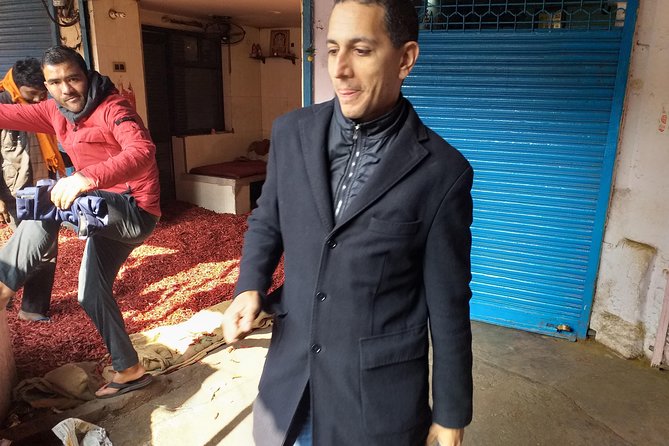
Next is Kinari Bazaar, known as a market for weddings and decorative items for women’s dresses and home decoration. If you’ve never seen a neighborhood marketplace built around celebrations, this is a good education in how culture shows up in retail.
A standout here is the visit to some 350-years-old havelis (Naughara). It’s not just shopping talk. It’s a chance to spot how the old residential buildings connect with the surrounding market life.
Keep expectations realistic: shopping isn’t included in this tour. That means you’re not on the hook to buy anything, but you’ll still see the displays and you may be tempted. If you’re trying to keep spending controlled, this is where your guide’s explanations can help you appreciate what you’re looking at without feeling pressured to purchase.
The Famous Old Delhi Street Moment (And Why You’ll Notice It)
You’ll also stop on one of the famous streets of Old Delhi. The details here are intentionally loose, but the purpose is clear: you get time for atmosphere. This is the part where you might feel the contrast between the structured stops (temples, markets with named areas) and the everyday street flow—people moving, vendors calling, and the city doing what it does.
For your photos, this is where you’ll get the best “you are here” shots. Just remember: street scenes in dense markets are crowded by nature. Keep your phone low while walking and wait for a moment to step aside.
Price and Logistics for a $45 Vegetarian Food Tour
At $45 per person for about three hours, this is a very straightforward value proposition—especially if you count the included basics: coffee or tea, vegetarian street food snacks, and a cycle rickshaw ride. Add in guided navigation through crowded lanes and multiple major stops, and you’re not just paying for food. You’re paying for orientation and context.
Two small logistics points matter:
- The tour uses a mobile ticket and confirmation is received at booking.
- It runs only if conditions are good; it requires good weather.
Also, it’s a small-group experience (maximum 20 travelers). That size helps keep the tour from feeling like a school field trip. If you like asking questions and getting answers, smaller groups tend to make that easier.
If you’re traveling at a busy time, this tour is often booked about 20 days in advance on average. I’d treat it like a popular item, not a last-minute “maybe.”
Who This Tour Suits Best (And Who Might Want a Different Plan)
This experience is a strong match if you:
- enjoy vegetarian street food and want to try more than one thing
- like Old Delhi markets but don’t want to fight your way into the best lanes alone
- want a guided, time-efficient walking format in a crowded area
- appreciate a mix of markets and faith stops, not just food
It’s less ideal if:
- you dislike dense crowds and tight walking routes
- you’re hoping for a shopping-focused tour (shopping isn’t included)
- you’re very sensitive to the midday closure possibility for Digambar Jain Lal Mandir (closed 12 to 5 PM)
Should You Book This Chandni Chowk Spice Market Food Tour?
I think you should book if your goal is simple: taste Old Delhi in a guided, low-stress way that still feels authentic. The guide-led navigation is the backbone, and the food is already planned in—coffee/tea, vegetarian street snacks, and a ride that breaks up the walking.
If your schedule lines up with the temple’s open hours, you’ll get the extra layers at Digambar Jain Lal Mandir and Gurudwara Sis Ganj Sahib with Langar service. If not, you’ll still hit the spice markets and the wedding-market side of Old Delhi, which are the real anchors of the day.
FAQ
FAQ
How long is the Chandni Chowk Old Delhi Food Tour?
The tour lasts about 3 hours.
What is the price per person?
The price is $45.00 per person.
Is the tour vegetarian?
Yes. It includes vegetarian street food snacks.
What food and drinks are included?
You’ll get coffee and/or tea, plus vegetarian street food snacks.
Is the cycle rickshaw ride included?
Yes, a cycle rickshaw ride is included.
What markets and stops are visited?
The tour includes stops at Khari Baoli spice market, Gadodia Market, Kinari Bazaar, Digambar Jain Lal Mandir, and Gurudwara Sis Ganj Sahib, plus time on a famous Old Delhi street.
Do the market stops require paid admission?
Admission ticket is listed as free for Khari Baoli, Gadodia Market, and Kinari Bazaar.
When is Digambar Jain Lal Mandir closed?
Digambar Jain Lal Mandir is closed from 12 PM to 5 PM.
What is the meeting point?
The tour starts at Shani mandir gate no 01 near Lal Quila metro station area (Netaji Subhash Marg / Netaji Subash Place / Lajpat Rai Market, Old Delhi, Delhi 110006). It ends back at the meeting point.
What is the maximum group size?
The tour has a maximum of 20 travelers.