REVIEW · NEW DELHI
All Inclusive Delhi to Agra and Jaipur 3 Day Golden Triangle Tour
Book on Viator →Operated by Traveling Desire · Bookable on Viator
Three cities, one tight itinerary. This 3-day Golden Triangle run stitches together Taj Mahal sunrise and the highlights of Delhi, Agra, and Jaipur with private local guides and door-to-door pickup. It’s a classic route, but the timing and the mix of viewpoints make it feel more than just a checklist.
I really like how the tour builds momentum each day. A smooth start in Old Delhi leads into a memorable Chandni Chowk rickshaw ride, and then you’re back in time for New Delhi’s big monuments like Humayun’s Tomb and Qutub Minar. The guiding style can be very photo-focused too, with names like Azam and Abar showing up as examples of guides who help you get better angles and clearer stories.
One thing to consider: not every stop is a full inside visit. You’ll see the Red Fort from outside, and at spots like Jal Mahal and Hawa Mahal, entry is restricted so you’ll mostly be taking pictures from the outside. Add that to early starts and a fair amount of driving, and you’ll want comfortable shoes and patience.
In This Review
- Key things that make this Golden Triangle tour work
- What you’re really buying for $20 per person
- Delhi Day 1: Jama Masjid, Chandni Chowk, and Qutub Minar in one sweep
- Delhi’s “big three” monuments: Humayun’s Tomb, Qutub Minar, and Lotus Temple
- Agra Day 2: Taj Mahal sunrise, then Agra Fort
- Fatehpur Sikri and the Jaipur arrival late in the day
- Jaipur Day 3: Jaigarh Fort and Nahargarh Fort for views with meaning
- City Palace, Jantar Mantar, and the day’s architecture lesson
- Photo stops: Jal Mahal and Hawa Mahal with restricted entry
- Transport, timing, and what to pack for comfort
- Who should book this, and who might want a different plan
- Should you book this Golden Triangle tour?
- FAQ
- Is pickup included?
- Are entrance fees included for monuments?
- Will I have a hotel during the 3 days?
- Is Taj Mahal sunrise part of the plan?
- What special transport is included at key sights?
- What meals are included?
Key things that make this Golden Triangle tour work
- Taj Mahal sunrise timing plus a battery bus at the complex
- Old Delhi by rickshaw through Chandni Chowk’s markets
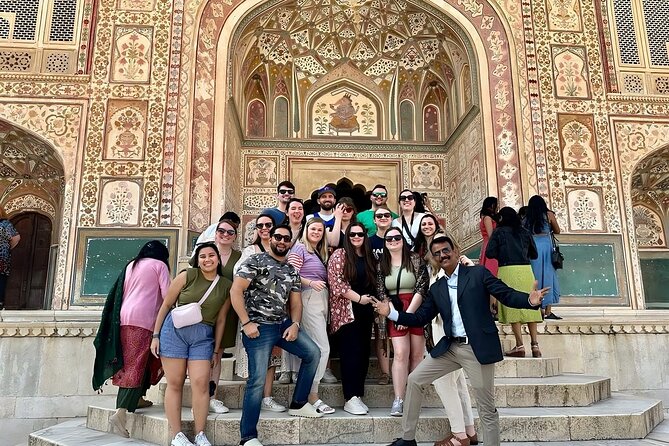
- Private local guides with a track record for strong, practical explanations and photo support (names like Azam, Sameer, Abar show up in guide praise)
- A well-paced Delhi mix: Old Delhi mosques and bazaars plus New Delhi monuments
- Two forts in Jaipur (Jaigarh and Nahargarh) for views beyond the usual postcard stops
- A chance to photograph restricted areas at Jal Mahal and Hawa Mahal
What you’re really buying for $20 per person
The price listed is $20.00 per person, which is hard to ignore. In the real world, that number only tells part of the story. The most important detail is that several high-cost items are included only if you select an option (like entrance fees and hotel accommodation).
Here’s what the package can cover:
- Pickup and drop-off assistance plus an air-conditioned vehicle
- WiFi on board (helpful for maps and messaging)
- Private transportation with local guides
- Rickshaw ride in Old Delhi
- Battery bus ride at the Taj Mahal
- Bottled mineral water and soft drinks during journeys
- 2 nights hotel accommodation (if option booked)
- Breakfast (2)
So the value comes from combining transport, guided sightseeing, and key tickets into one plan. If you book the option that includes entrances and your hotel, you’ll likely feel like you’re paying for convenience more than just sightseeing.
If you don’t select the hotel or entrance option, the “all inclusive” label can feel less meaningful. The tour still runs, but you’ll be budgeting more for where it matters most: lodging and monuments.
You can also read our reviews of more tours and experiences in New Delhi



Delhi Day 1: Jama Masjid, Chandni Chowk, and Qutub Minar in one sweep
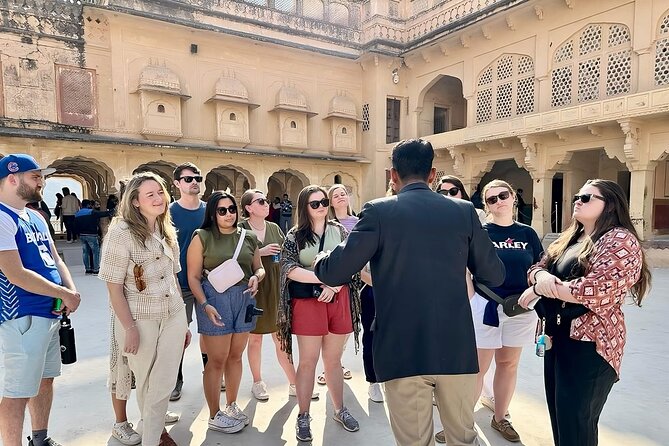
Delhi is two cities in one place. This day leans hard into that contrast: Old Delhi’s crowds and Mughal-era landmarks first, then New Delhi’s grand memorial and garden-like monuments.
Jama Masjid kicks things off with a one-hour guided visit and included admission. It’s a huge, iconic mosque, and seeing it early in the day helps you take photos without fighting the toughest crowd peaks.
Then you shift into Old Delhi’s street-level energy at Chandni Chowk. The highlight here is the rickshaw ride, which is a great way to get your bearings quickly while still feeling like you’re part of the neighborhood. Chandni Chowk is famous for dense market lanes and spice-scented chaos, and the best travel move is to slow down, look up at the architecture you’ll otherwise miss, and buy nothing until you’ve checked prices later.
From there, you’ll get a view of the Red Fort from outside. The building is partly associated with the Indian Army, so entry is not the focus. This is a good reminder to manage expectations: some big names in Delhi are “see it, shoot it, move on” rather than “go inside and explore for hours.”
After lunch, you pivot to New Delhi’s smoother rhythm:
- Humayun’s Tomb with included admission
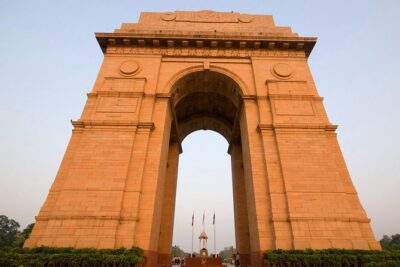
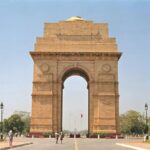
- India Gate and Parliament House photographed from the roadside with historical explanation
- Qutub Minar with included admission (a UNESCO World Heritage Site, and the structure is the point)
- Lotus Temple with free entry
By the end of the day, you’ll have a strong mental map: Old Delhi’s ceremonial scale and market streets, then New Delhi’s monuments on wider roads. It’s the kind of day that makes later exploring easier because you’ve already seen the major landmarks in context.
Delhi’s “big three” monuments: Humayun’s Tomb, Qutub Minar, and Lotus Temple
If you like Mughal and early Sultanate-era architecture, this part of the day is the payoff.
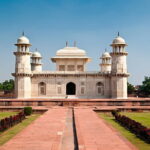
Humayun’s Tomb gives you a sense of Mughal grandeur with a layout designed for calm movement through gardens and marble forms. I like it for how it teaches you the visual language of later Mughal monuments without requiring an all-day commitment.
Qutub Minar is more vertical and more dramatic. The minaret complex is a UNESCO World Heritage Site, and the tower’s height makes even quick viewing feel impressive. A practical tip: wear something comfortable that you can stand in for photos, because you’ll likely spend time adjusting angles as the light changes.
Then Lotus Temple is a different mood altogether. It’s a Bahá’í House of Worship known for its flower-like shape and peaceful atmosphere. The entry is free, which helps you budget, but go in with a traveler’s mindset: this is a place for quiet respect, not a theme park stop.
The common thread among these three is contrast: layered history at Humayun’s Tomb, scale at Qutub Minar, calm geometry at Lotus Temple. If you want Delhi to feel like more than traffic and monuments, this is where you get that sense.
Agra Day 2: Taj Mahal sunrise, then Agra Fort
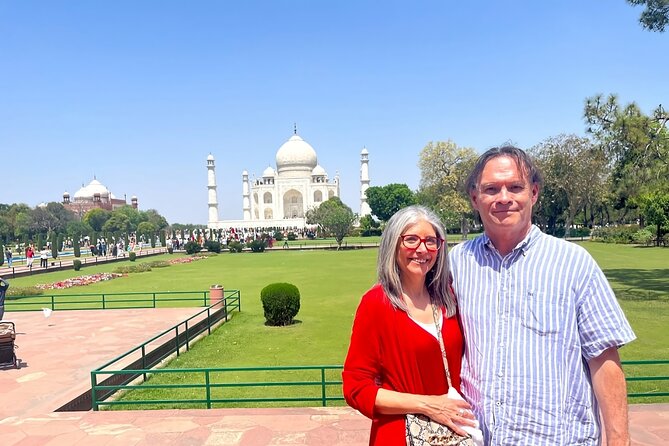
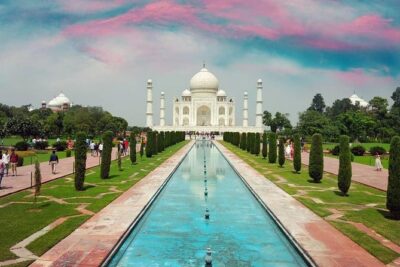
Day 2 is built around one goal: the Taj Mahal at sunrise. You’ll get early pickup around 6:00 AM and spend about three hours there, including included admission. The tour also includes a battery bus ride, which is a smart time-saver in a place where walking can stack up fast.
Sunrise matters for two reasons. First, the light tends to be softer for photos. Second, you avoid the strongest midday crowd crush. Even if you’re not chasing perfect Instagram shots, the atmosphere at sunrise feels more serene and less rushed.
Inside the Taj Mahal complex, you’ll have time to take in the main marble views, then step back to appreciate the scale of the grounds. The practical win is that the timing makes the day feel “earned.” It’s not just visiting a famous spot; it’s visiting it before the city fully wakes up.
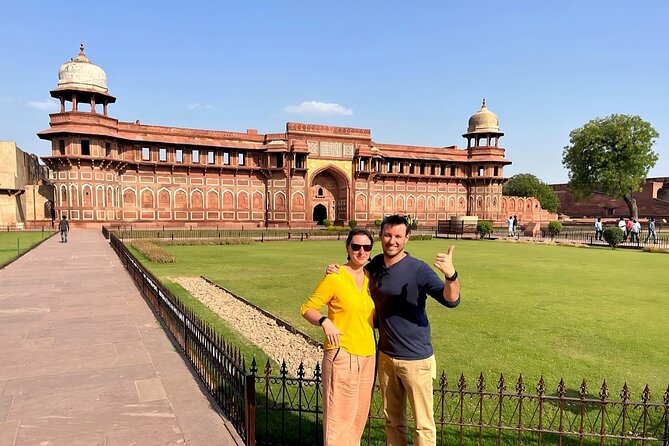
After returning for breakfast and hotel time, the tour continues with Agra Fort. You’ll have included admission and about one hour here. Agra Fort is a strong second anchor because it connects Taj Mahal beauty with the defensive, power-based side of the Mughal world. It’s less about one iconic façade and more about the feeling of imperial control through walls, gates, and courtyards.
If you’re sensitive to early mornings, plan your evening sleep carefully on Day 1. The sunrise start is the main trade-off in the itinerary.
Fatehpur Sikri and the Jaipur arrival late in the day
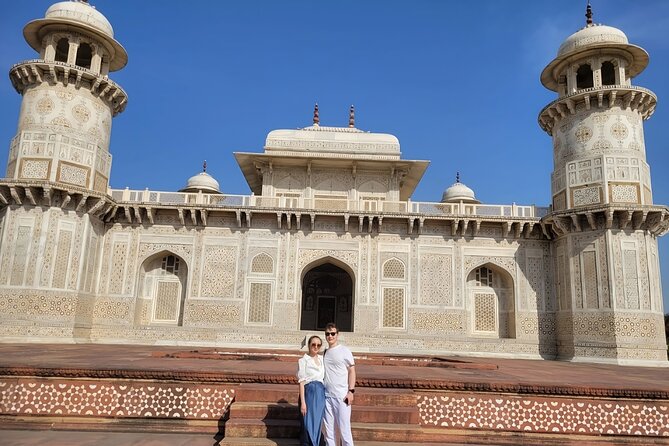
From Agra, you’ll head toward Jaipur with a major stop on the way: Fatehpur Sikri. This is where you get an extra layer of Mughal-era ambition. You’ll visit for about one hour with included admission, and the drive turns the journey into a second sightseeing day rather than just a transfer.
Fatehpur Sikri is described as a small city founded in the 16th century by a Mughal emperor. That’s exactly what makes it interesting: the architecture looks like a statement that the empire wanted to build something lasting, not just something temporary.
Then you drive onward to Jaipur, aiming to arrive around 7:00 PM. The tour includes check-in and one overnight stay (if you select the hotel option). This late arrival is not a drawback if you think of it correctly: it’s a “rest and reset” kind of evening, leaving your sightseeing energy for Day 3.
If you’re the type who likes to explore at night, keep your expectations modest. Your best return on energy comes from using the evening for sleep, shower, and charging your phone and camera.






Jaipur Day 3: Jaigarh Fort and Nahargarh Fort for views with meaning
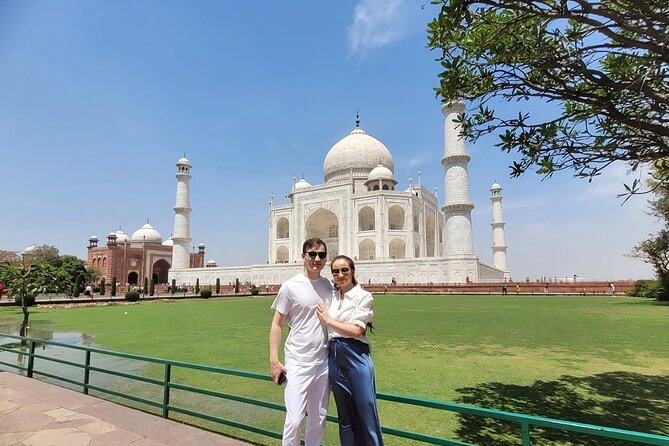
Jaipur is built on lookout points and palace power, so it makes sense that Day 3 starts with forts.
You’ll be picked up at 8:00 AM and begin with Jaigarh Fort. Entry is included and the visit runs about two hours. Jaigarh covers a wide area, and it’s positioned for commanding views across the landscape. What I like about starting with a fort is that it changes how you see the city later. Once you understand the height and layout, the palaces and city structures feel less random.
Next is Nahargarh Fort, about one hour with included admission. It’s known for its extended wall connecting it to Jaigarh Fort, and the name Nahargarh means abode of tigers. Even if you don’t obsess over wildlife legends, the long walls and vantage points give you that classic Jaipur feeling: stone, distance, and a horizon you can actually look at.
These fort visits also set a rhythm for the rest of the day: you’re not just hopping between tourist sites, you’re experiencing the city as something designed for defense and spectacle.
City Palace, Jantar Mantar, and the day’s architecture lesson
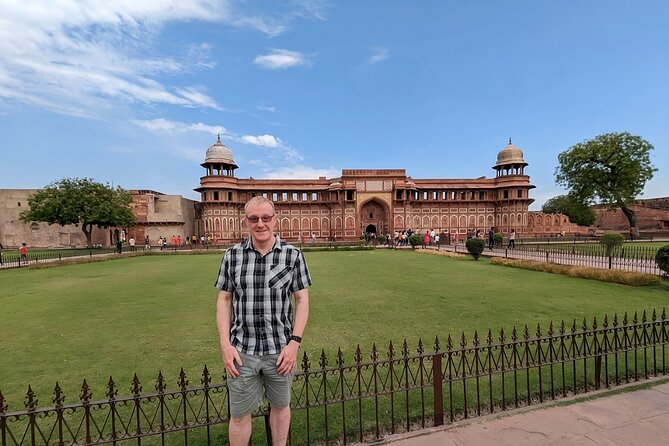
After the forts, the tour shifts toward Jaipur’s signature royal and science-related landmarks.
City Palace of Jaipur is next, with included admission and about two hours. It’s tied directly to the founding of Jaipur and the court of Maharaja Sawai Jai Singh II, so it’s not just a pretty complex. It’s the political center in stone.
Then you’ll visit Jantar Mantar, also known as an observatory. You get included admission and about one hour. This is a different kind of Jaipur stop, built around nineteen architectural astronomical instruments made by Sawai Jai Singh II and completed in the 18th century (the timeline is given in the tour info, though the full date isn’t spelled out). Even if you’re not a science geek, the shapes and scale make it easy to understand that these weren’t decorative objects.
If you’re wondering why a place like this should matter on a heritage trip, here’s the simple answer: it shows how the Rajputs mixed art, measurement, and astronomy in ways that still look impressive today.
Photo stops: Jal Mahal and Hawa Mahal with restricted entry
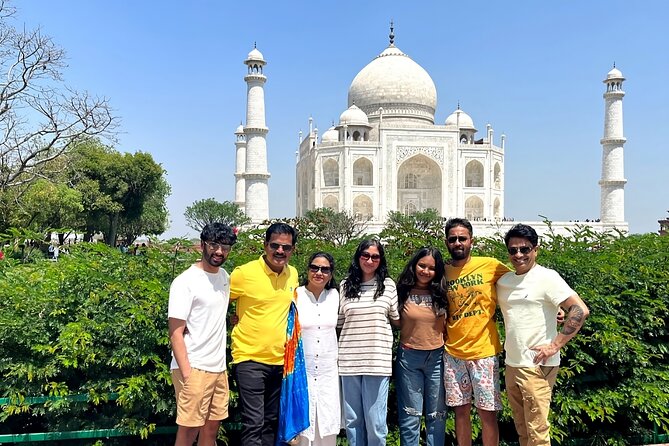
Jaipur does something clever here: it includes the famous exteriors and viewpoints even when entry is not part of the plan.
At Jal Mahal (Palace on Lake), entrance is prohibited, but you can take pictures. So this is a “stand, frame, shoot” stop. The advantage is time. The trade-off is obvious: you won’t explore interiors.
Later, you’ll have another picture-focused stop at Hawa Mahal (Palace of Winds). Again, entry is prohibited, but you can take photos. The building’s red and pink stone look is the reason you’re there, so plan your photo timing based on the light you see from the street angle you’re allowed to use.
Then there’s Patrika Gate at the end of the tour, around 2:00 PM. The tour calls it a great photography spot and that’s exactly the role it plays here: a scenic finale that lets you leave with something visually memorable rather than rushing out the door immediately after the main sites.
Transport, timing, and what to pack for comfort
This is a private tour for your group only, with pickup and drop-off help and a vehicle type that scales by group size. That’s a practical benefit because it usually means less time waiting and fewer “everyone move together” bottlenecks.
A typical pattern you’ll feel:
- Early mornings on Day 2 (Taj) and Day 3 (Jaipur forts)
- Short sightseeing blocks inside a larger day (so you’re not stuck in one place for too long)
- Driving time that’s part of the experience, since Fatehpur Sikri breaks up the long leg toward Jaipur
What to pack based on how this route is paced:
- Comfortable walking shoes (you’ll do a good amount of movement across complex sites)
- Water from your included supply, plus a refill habit if you tend to drink a lot
- A camera strap or small bag you can handle in crowded markets
The tour also includes WiFi on board, mineral water, and soft drinks during journeys, which is helpful when you need to stay powered up between stops.
Who should book this, and who might want a different plan
This tour fits best if:
- You want a classic first-timer Golden Triangle with a tight, guided structure
- You care about Taj Mahal sunrise timing and not just visiting the Taj at any random time
- You like getting your history explained while still keeping enough time to take photos
- You’re okay with restricted entries like Red Fort outside viewing and photo-only stops at Jal Mahal and Hawa Mahal
It might not be the best match if:
- You hate early mornings and long driving days
- You want every famous site to include interior entry and long guided walking
- You’re expecting a true “all inclusive” experience for meals beyond the basics (breakfast is included twice, but meals and other drinks are not)
Should you book this Golden Triangle tour?
If your priority list is Taj Mahal at sunrise, the major Delhi monuments, and Jaipur’s biggest royal viewpoints, I think this plan is a strong choice. The value is strongest when your booking includes the entrance fees and the hotel option, because that’s where the biggest costs and time-savings come from.
If you’re a careful planner, read your option details before paying so you know whether entrances and lodging are covered. Then you can focus on the fun part: sunrise at the Taj, rickshaws through Old Delhi, and Jaipur from fort heights.
FAQ
Is pickup included?
Yes. The tour includes pickup and drop-off assistance, with scheduled pickups such as about 9:00 AM on Day 1 and early pickup around 6:00 AM on Day 2 for the Taj Mahal sunrise.
Are entrance fees included for monuments?
Entrance fees are included if you choose the option that includes monument entrances. On the schedule, many stops note admission tickets included, while some photo stops and free-entry sites are listed as free.
Will I have a hotel during the 3 days?
You get 2 nights hotel accommodation if you book the hotel option. If you choose to book without hotel, you’ll need to arrange your own lodging.
Is Taj Mahal sunrise part of the plan?
Yes. You’ll be picked up early around 6:00 AM to experience the sunrise view of the Taj Mahal, and the visit is listed as about 3 hours with admission included.
What special transport is included at key sights?
The tour includes a rickshaw ride in Old Delhi and a battery bus ride at the Taj Mahal.
What meals are included?
Breakfast is included twice. The tour info also includes bottled mineral water and soft drinks during journeys, but it does not list other meals as included.