REVIEW · NEW DELHI
Delhi Agra Jaipur Golden Triangle Multiday Trip with Safari
Book on GetYourGuide →Operated by Sameday Taj Mahal · Bookable on GetYourGuide
Taj Mahal before the crowds is the win. I like the mix of sunrise Taj Mahal and a private, door-to-door car that keeps the pace realistic while still packing in the big sights. The main thing to plan for: some guides may steer you toward shops, so you’ll want a polite but firm no if you’re not there to buy.
What makes this trip especially workable is the routing. You’re not just bouncing between cities; you’re also hitting Fatehpur Sikri, Abhaneri’s Stepwell, and Ranthambore on the same overall plan, which saves a lot of time and logistics stress. If you can handle early starts and long drive days, this is an efficient way to see the Golden Triangle plus a proper tiger-safari detour.
In This Review
- Key highlights you’ll feel in your days
- How this Delhi–Agra–Jaipur + Safari plan really works
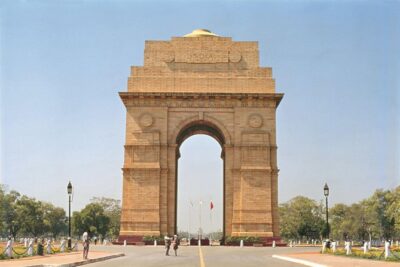
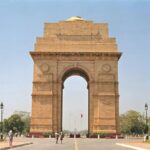
- Delhi first: Qutub Minar, Jama Masjid, Chandni Chowk, and India Gate
- Agra sunrise at the Taj Mahal: worth the early start
- Agra Fort and Itmad-ud-Daula: the architecture side of the story
- Fatehpur Sikri and Abhaneri Stepwell: the road-trip “breather” you’ll appreciate
- Ranthambore tiger safari: doing the safari with the right timing
- Jaipur in 2 blocks: forts, palaces, and the Pink City feel
- Pushkar as an optional detour: Brahma Temple and Pushkar Lake
- Hotels and day-to-day comfort (what to check before you go)
- Transportation: why the private car changes the whole trip
- Price and value: does $135 feel fair?
- Practical tips that keep the day smooth (and low-stress)
- Who this trip is best for
- Should you book the Delhi–Agra–Jaipur Golden Triangle with Safari?
- FAQ
- What are the tour duration options for this Golden Triangle trip with safari?
- Do I get sunrise at the Taj Mahal?
- Is the tiger safari part of the itinerary?
- What transport do we use during the trip?
- Are hotel stays included?
- Are monument entrance fees included?
- Are meals included in the price?
- What languages are the tour guides?
- What should I bring, and are there any rules?
Key highlights you’ll feel in your days
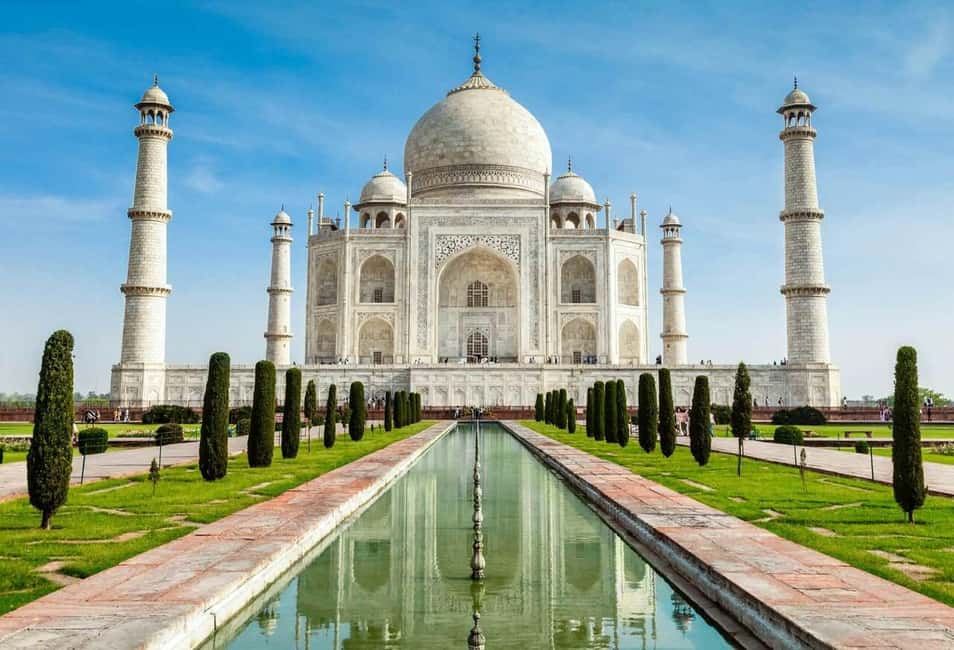
- Sunrise Taj Mahal with skip-the-line access (separate entrance, when monument entrance is selected)
- Ranthambore tiger safari as a true add-on, not a side quest
- Private guides in each city, including examples like Imran and Mehfooz for Agra storytelling
- Fatehpur Sikri and Abhaneri Stepwell stop to break up the drive with real variety
- Jaipur’s core sights in focused blocks: Amber, City Palace, Jantar Mantar, Hawa Mahal, Jal Mahal
- Shop pressure is a real possibility, so set boundaries early
How this Delhi–Agra–Jaipur + Safari plan really works
This is a private multi-day Golden Triangle tour built around the classic circuit: Delhi → Agra → Jaipur, with Ranthambore tiger safari added depending on the option you pick. You’ll travel by private A/C car with a driver and local guides handling the monuments.
The big practical advantage is that you’re doing it with a plan that’s already stitched together. Instead of trying to arrange transport and guides one day at a time (the usual headache), you get a sequence that groups similar travel days. It also means less time “figuring it out” in each city.
Durations run 3 to 7 days, with different versions like 3-day, 4-day, 5-day, and 7-day. All versions follow the same core idea: Delhi highlights first, then Agra at sunrise, then Jaipur.
You can also read our reviews of more tours and experiences in New Delhi


Delhi first: Qutub Minar, Jama Masjid, Chandni Chowk, and India Gate
Delhi can feel like sensory overload. What helps here is that you start with the monuments you’ll remember, then you add the street energy in a controlled way.
On the Delhi day, the sights listed are:
- Qutub Minar
- India Gate
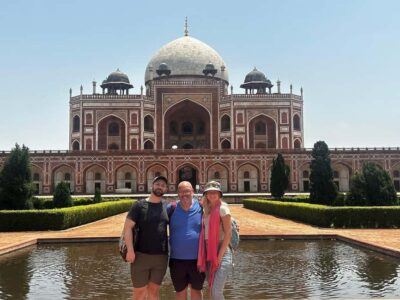
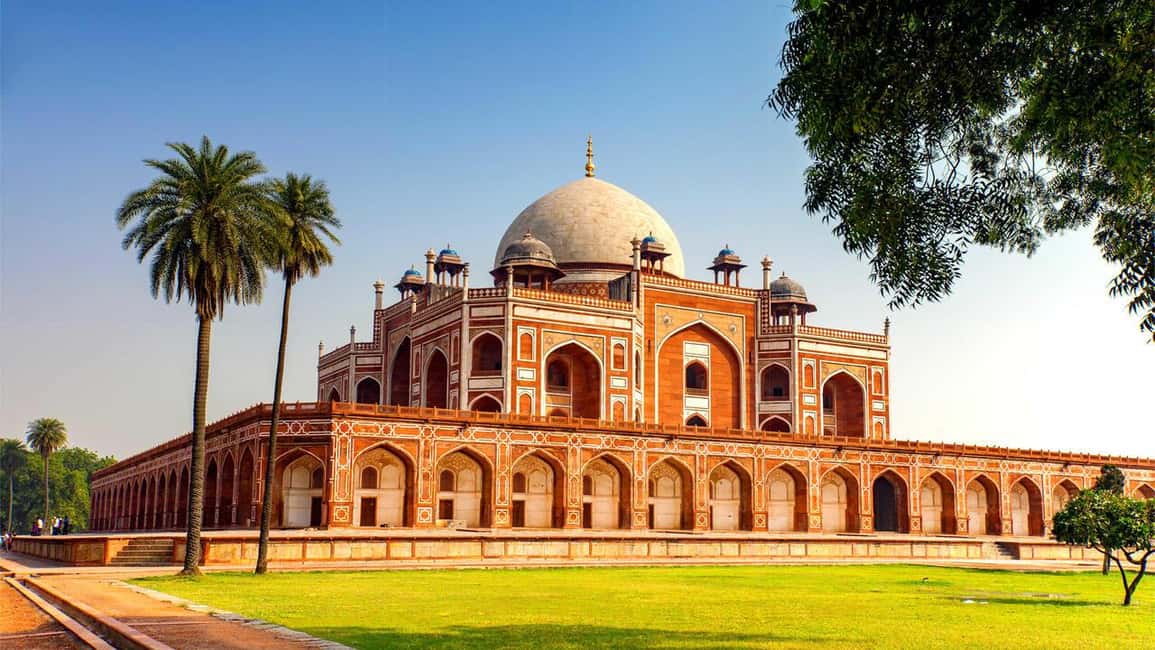
- Humayun’s Tomb
- Lotus Temple
- Jama Masjid
- Chandni Chowk rickshaw ride
- Akshardham
This mix matters. Qutub Minar and Humayun’s Tomb give you the early-history anchor. Jama Masjid and Chandni Chowk add the everyday pulse—plus that rickshaw ride helps you see the old lanes without burning your whole day in navigation.
Then you get the modern-ish contrasts: India Gate for the grand capital scale, Lotus Temple for the clean, quiet geometry, and Akshardham as the big “wow” complex. The guide quality can change how much you get out of these stops—some guides are especially good at explaining why each site looks the way it does, not just what it is.
Agra sunrise at the Taj Mahal: worth the early start
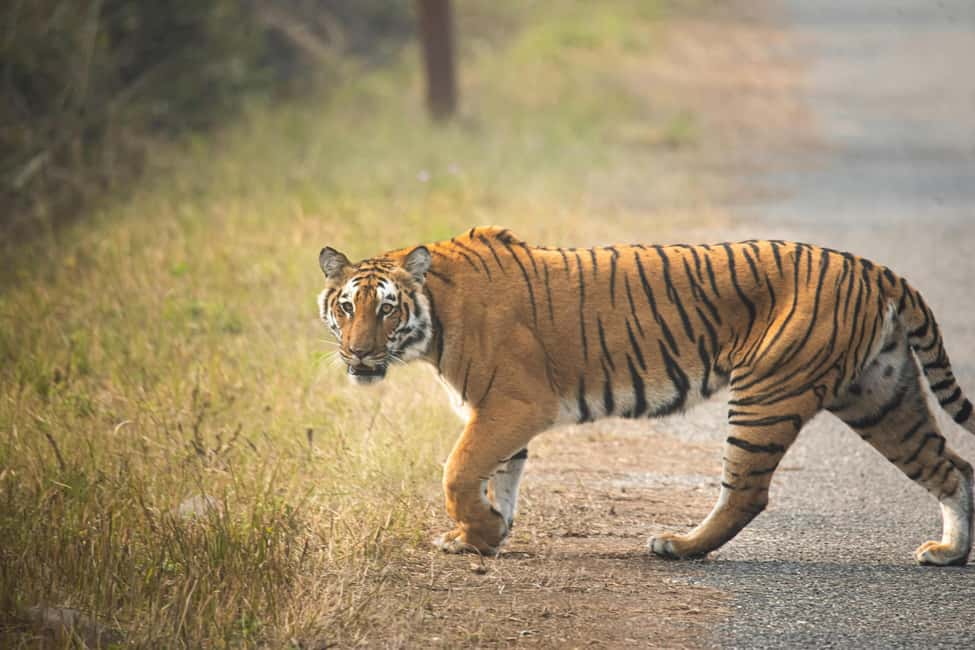
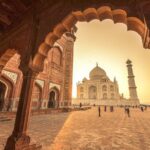
Agra is where the trip earns its postcard. You’ll do sunrise Taj Mahal, which is one of the best times of day to see it: softer light, fewer tour groups than mid-morning, and a calmer start before the city ramps up.
A few things make this version work well:
- The plan gives you early access timing rather than squeezing Taj Mahal into the busiest hours.
- You’ll have a guide to point out the details that most people miss when they’re only looking for the main view.
- If you choose the option, there’s skip-the-line access via a separate entrance.
Once you’re inside the Taj Mahal complex, you’ll also have time to experience it as a designed space—symmetry, perspective, and that slow shift in how it looks as the light changes. Even if you’ve seen photos before, sunrise makes it feel less like an image and more like a place.
Agra Fort and Itmad-ud-Daula: the architecture side of the story
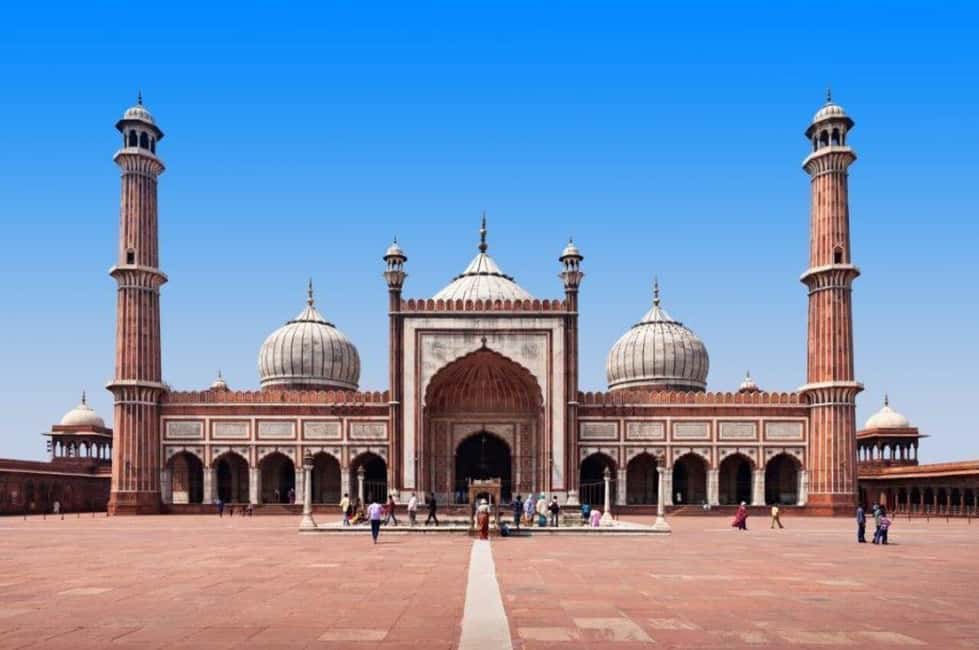
After the Taj Mahal, the itinerary includes Agra Fort and Itmad-ud-Daula. This is smart because it balances the emotional high point with history and craftsmanship you can actually study.
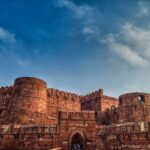
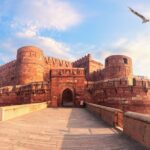
- Agra Fort gives you the defensive-citadel angle—massive walls and layered views of the city and the river-side.
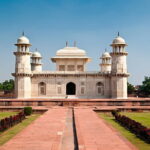
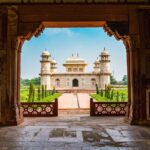
- Itmad-ud-Daula (often called a “mini Taj” by people who want a shortcut) is where you can slow down. The design details here reward a guide who knows how to explain materials, layout, and symbolism.
Many Agra guides in this kind of setup are praised for clear storytelling—names that show up in the guide mix include Imran and Mehfooz, with strong comments about explaining the Taj and Agra Fort context in a way that doesn’t feel like a lecture.
Also, a practical note: Agra is the kind of place where you can lose time if you wander. Having a guide and a private car lineup helps you stay on track.
Fatehpur Sikri and Abhaneri Stepwell: the road-trip “breather” you’ll appreciate
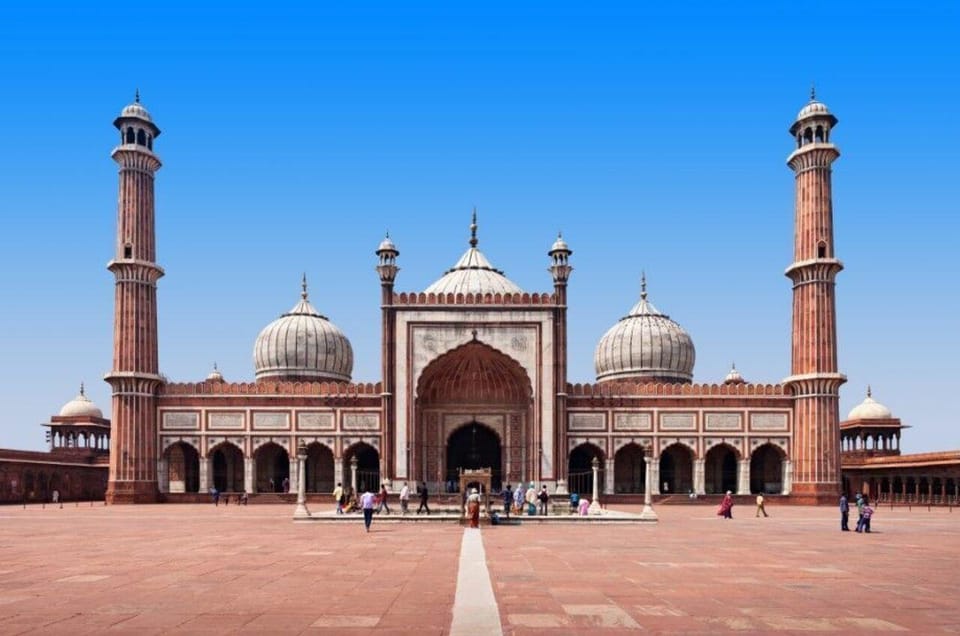
The drive day from Agra toward Ranthambore includes stops at Fatehpur Sikri and Abhaneri Stepwell. This is one of the best parts of the route because it prevents you from spending the entire day just sitting in traffic.
- Fatehpur Sikri is a once-capital site with a strong sense of scale. It feels different from Agra’s more singular “Taj moment.”
- Abhaneri Stepwell is the opposite vibe—more quiet, more architectural, and a great change of pace.
You’ll likely appreciate these stops most if you dislike “transit fatigue.” They break up the long transfer and give you two distinct visuals to add to your mental map.
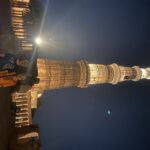

Ranthambore tiger safari: doing the safari with the right timing
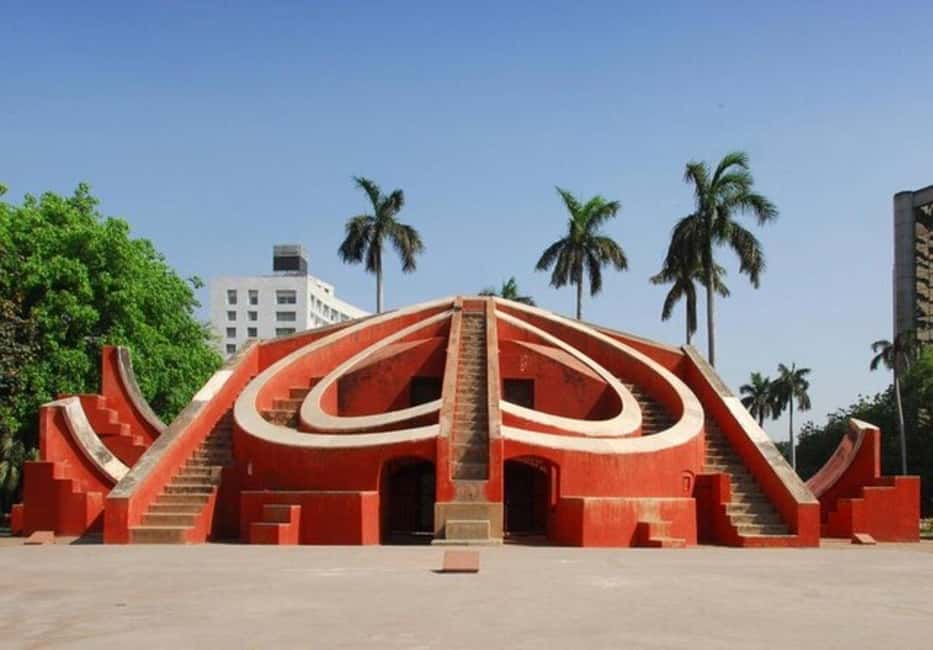
Ranthambore is the tiger safari centerpiece. The schedule calls for a morning jungle safari in Ranthambore, typically after you arrive and settle into your overnight stay.
Here’s what I’d tell you to expect, practically:
- You’re going to be up early.
- The timing is tight around the safari windows, so you’ll want to be flexible if your guide asks you to adjust your plan.
- Even when the itinerary is smooth, safari days can feel variable because wildlife sightings aren’t controllable.
Because this is a private tour, the safari is folded into your personal transportation flow rather than you dealing with messy meeting points. That part matters.
Also note this detail: in Ranthambore, a four-star resort may be provided instead of five-star due to budget constraints. If hotel standard is a big deal for you, I’d treat that as a planning checkpoint.
Jaipur in 2 blocks: forts, palaces, and the Pink City feel
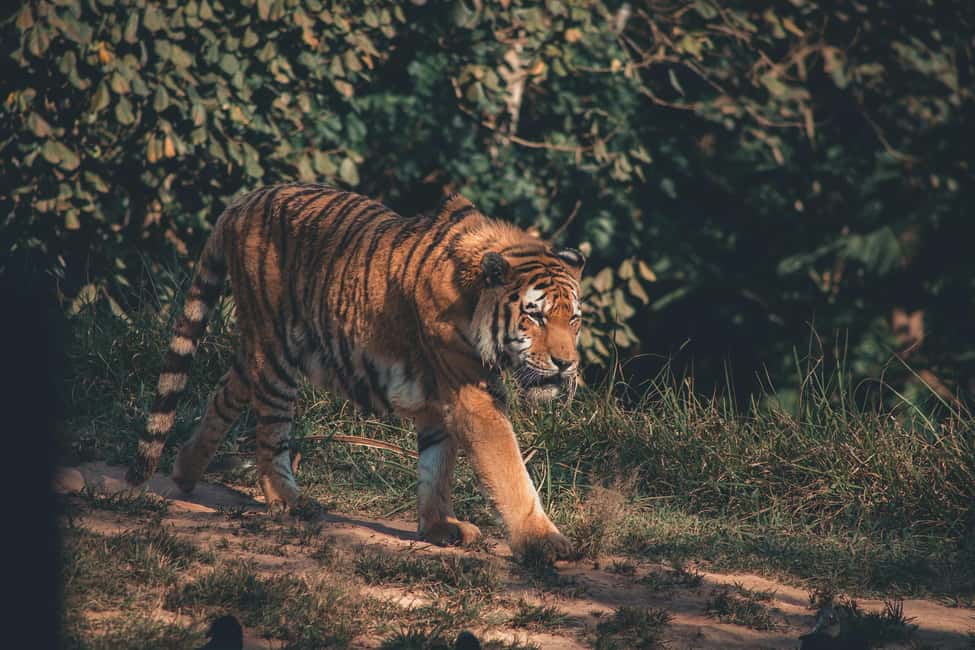
Jaipur gets its own big day(s), and the itinerary lines up the town’s most recognizable sights in a logical sequence.
For the main Jaipur highlights, you’ll see:
- Amber Fort
- City Palace
- Jantar Mantar
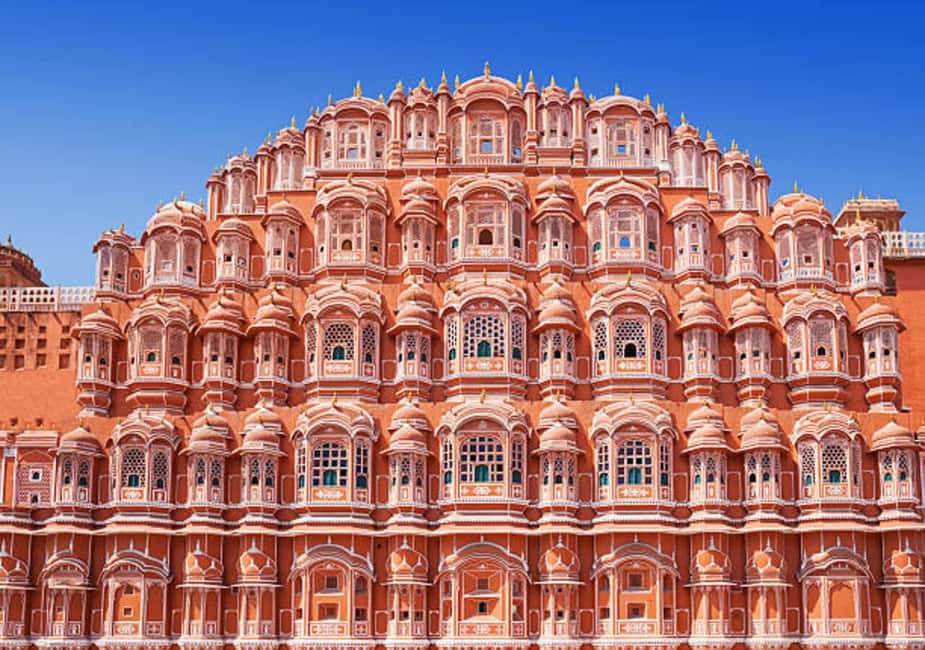
- Hawa Mahal
- Jal Mahal
- Shopping in the Pink City markets
What makes this lineup work is variety. Amber Fort is about grandeur and fort design. City Palace brings you into the royal residence side of the story. Jantar Mantar is a reality check that astronomy and architecture were built together here, not kept in separate worlds.
Then Hawa Mahal and Jal Mahal give you that Jaipur “icon” contrast: one façade built for air and observation, one palace image you mostly see reflected and framed by water.
This is where guide style can really affect your day. Names that come up often for Jaipur include Kapil and Sid, both noted for photo help, pacing, and making the sights make sense fast.
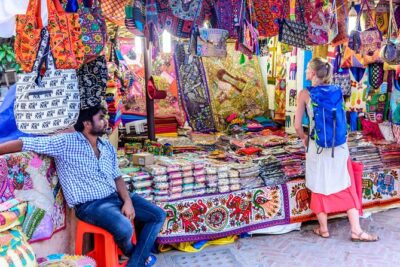
A caution that’s not unique to Jaipur: some guides may try to steer you toward shops. If you want authentic markets without sales pressure, you can keep your boundaries simple: you’re happy to browse, but you’re not there to buy. Stick to it.
Pushkar as an optional detour: Brahma Temple and Pushkar Lake
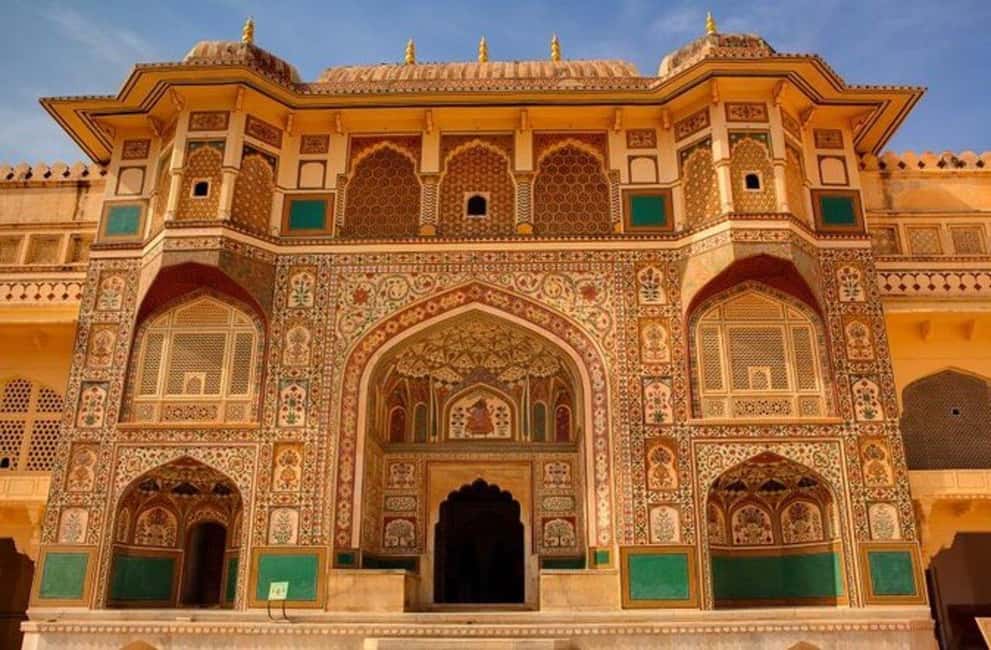
In the 5-day version, plus the longer variations, Pushkar is added. You’ll visit:
- Brahma Temple
- Pushkar Lake
- The local market
Pushkar is a good change of pace from forts and palaces. It’s more about atmosphere and small-scale wandering, and it tends to feel calmer than the big sightseeing days. If you like a little spiritual texture without turning the whole trip into a retreat, this stop hits a nice balance.
Hotels and day-to-day comfort (what to check before you go)
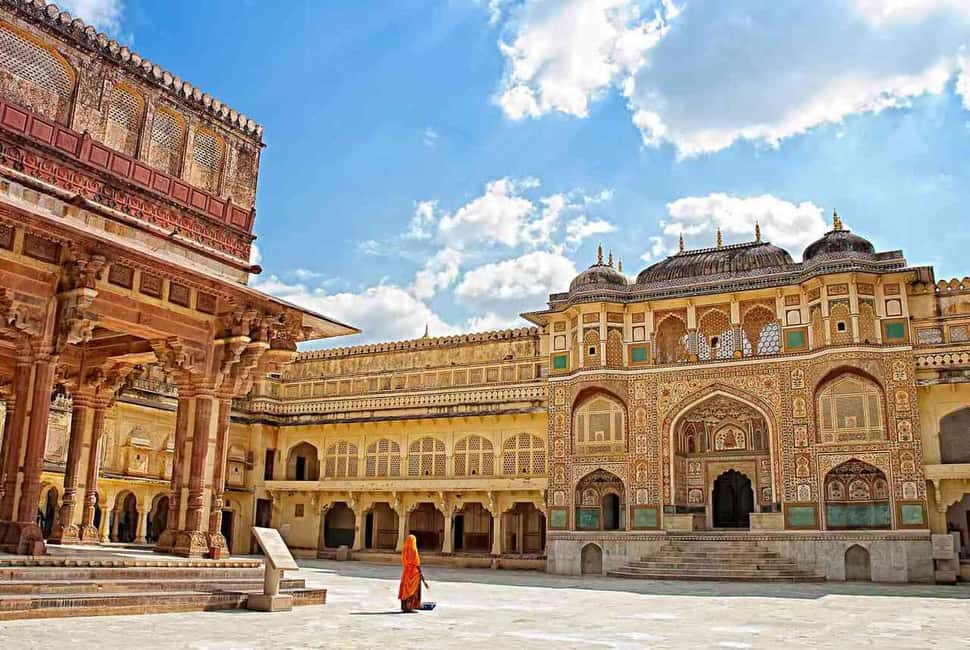
Accommodation is listed as included only if you select hotels. When chosen, the trip advertises 5-star hotels, but there’s a known caveat: in Ranthambore you might get a 4-star resort due to budget constraints.
One practical takeaway from the experience style here: hotel comfort can vary based on the exact property and your own expectations. Some people found the European-style star rating mismatch (a “4-star” feeling less plush than the label suggests). So if you care a lot about room quality, request the best option available for the cities other than Ranthambore—or be mentally ready for that difference.
Also, rooms are twin-sharing by default. If you book as three people, a triple-sharing room is assigned unless you pay extra to split into two rooms.
Finally, you’ll get bottled mineral water during journeys, plus private transport and personal care as part of the package. Meals are not included, so you’ll be choosing from restaurant recommendations or your own finds.
Transportation: why the private car changes the whole trip
This tour is built around private transport:
- 1–2 people: AC Sedan
- 3–5 people: A/C Carens or Innova
- 9–26 people: Tempo Traveller / Mini Bus
That matters in India because drives between Delhi, Agra, Jaipur, and Ranthambore can chew up time quickly. A private car helps you:
- keep schedules realistic,
- arrive at monuments without bus chaos,
- and stop for what you actually need (restroom breaks, quick logistics, photo pauses).
Several drivers are mentioned in the mix of the experience—Pankai Kumar, Ashok, Sahil, Faruk, Shalin, Anil, and Manoj show up as standout examples for being on time and calm in traffic. You can’t guarantee any specific driver, but the overall setup is clearly meant to be driver-led and schedule-friendly.
Price and value: does $135 feel fair?
The price is listed as $135 per person, with duration 3–7 days. Whether it feels like a deal depends on which option you select, because hotel stays and monument entrance tickets are only included when you choose them.
Here’s how I’d judge the value:
- You’re getting private car + private guides across multiple major cities. That alone is usually the expensive part in India.
- You may also get monument entrance tickets (depending on your option). If those are included, the value looks stronger fast.
- You’re also adding a tiger safari day, which typically adds cost and complexity when arranged on your own.
So, if you’re selecting the version that includes hotels and entrances, it’s easier to call this good value. If you’re traveling without those inclusions, you’ll be paying less up front but you’ll need to budget for hotels and ticketing separately.
Practical tips that keep the day smooth (and low-stress)
1) Bring sunglasses. It’s specifically listed, and you’ll feel the benefit in outdoor viewing time.
2) Don’t get pressured by shop detours. Some guides have been known to steer people toward souvenir stops and may push upsells. Keep it simple: say no early and change the subject.
3) Watch your expectations on hotel feel, not just star rating. Ranthambore can be a step down from the five-star target.
4) Build energy for early mornings. Sunrise Taj and morning safari both require you to be ready when you’re told.
5) Meals aren’t included. That’s not bad, it just means you’ll want to plan for lunch and dinner choices on your own terms.
6) If alcohol matters to you, note the rules: alcohol and drugs are not allowed on the trip.
Who this trip is best for
This tour fits you best if:
- you want the classic Golden Triangle without the stress of planning routes,
- you care about seeing more than just Taj Mahal photos,
- you’re excited by adding a real Ranthambore safari day,
- and you like guided context that helps monuments click.
It may feel like a lot if you hate early starts or long drive days. But for most people, the private car and guide structure keeps it from turning into a chaotic sprint.
Should you book the Delhi–Agra–Jaipur Golden Triangle with Safari?
I’d book it if you want a time-efficient, guided route that ties together Delhi, Agra, Jaipur, and Ranthambore without you juggling logistics. The sunrise Taj and the safari morning are the two anchors, and the inclusion of places like Fatehpur Sikri and Abhaneri Stepwell helps the middle of the trip feel intentional.
I would be cautious if you’re very sensitive to hotel quality differences or if shop pressure would annoy you. If that’s you, go in with a plan: choose the best hotel option available, and set boundaries about shopping and extra stops from day one.
If your goal is big sights plus one memorable wildlife day, this is a solid way to do it.
FAQ
What are the tour duration options for this Golden Triangle trip with safari?
You can choose versions ranging from 3 to 7 days. The plan is available as a 3-day, 4-day, 5-day, or 7-day Golden Triangle itinerary with safari depending on the option selected.
Do I get sunrise at the Taj Mahal?
Yes. The itineraries provided include sunrise at the Taj Mahal on the Agra day.
Is the tiger safari part of the itinerary?
Yes. The trip includes a morning jungle safari in Ranthambore as part of the Golden Triangle experience where the safari option is selected.
What transport do we use during the trip?
You travel in a private air-conditioned car. Vehicle type depends on group size: AC Sedan for 1–2 people, A/C Carens or Innova for 3–5 people, and Tempo Traveller/Mini Bus for 9–26 people.
Are hotel stays included?
Accommodation is included if you select the option for hotels. Hotels are described as 5-star, with a note that in Ranthambore a four-star resort may be provided instead due to budget constraints.
Are monument entrance fees included?
Monument entrance fees are included if you select the option for entrance tickets. The tour also mentions skip-the-line access via a separate entrance when entrance is selected.
Are meals included in the price?
No. Meals are listed as not included.
What languages are the tour guides?
Tour guides are available in English, French, Japanese, Spanish, and Italian.
What should I bring, and are there any rules?
Bring sunglasses. The tour also states that alcohol and drugs are not allowed.