REVIEW · NEW DELHI
4-Day Private Delhi, Agra & Jaipur with Ranthambore Tiger Safari
Book on Viator →Operated by Taj Mirror Tours · Bookable on Viator
Delhi to Jaipur in 4 days sounds wild.
This private tour stitches together the Golden Triangle’s big icons with a real Ranthambore tiger safari, so the trip isn’t just monuments and photos.
I especially love that your time is protected by an air-conditioned private vehicle and a live guide who keeps things moving through Delhi’s traffic and across long drives. The other thing I like: the Taj day is designed around the sunrise experience, with guides who can explain history clearly and even help with photos, like Kamran did for one group I read about.
One consideration: monument tickets are not included (often budget about USD 60 per person), and since some sights have strict entry rules, you’ll want to carry a valid photo ID and be ready for a few entry lines.
In This Review
- Key Things Worth Knowing Before You Go
- AC Car Comfort Is the Real Upgrade on This Route
- Day 1 in New Delhi: Qutub Minar, Lotus Temple, and Old Delhi Food Stops
- Qutub Minar and the Qutub complex
- Lotus Temple
- India Gate and the ceremonial zone
- Chandni Chowk lunch and the Old Delhi transition
- Jama Masjid, Red Fort (exterior), and Humayun’s Tomb
- Evening transfer to Agra
- Day 2 Sunrise Taj Mahal and Agra Fort Time You’ll Actually Remember
- Taj Mahal at sunrise
- Breakfast and a calmer mid-morning
- Agra Fort and Itmad-ud-Daula
- Drive onward toward Ranthambore
- Ranthambore Morning Tiger Safari: Getting Value from a Shared Jeep Ride
- How to make your safari time work
- Ranthambore Fort after the safari
- Jaipur Day 3 Transfer: A Needed Breather Before the Pink City Stops
- Day 4 Jaipur Icons: Hawa Mahal to Albert Hall Museum in One Flight Plan
- Hawa Mahal, the Palace of Wind
- City Palace and the royal center
- Jantar Mantar: time-keeping made visible
- Lunch and Rajasthani food break
- Jal Mahal on Man Sagar Lake
- Albert Hall Museum and the final landing
- Price and Ticket Reality: Is $259 Good Value?
- Guide and Driver Quality: Why People Rate This So High
- Small Practical Tips That Prevent Day-Of Headaches
- Should You Book This Delhi–Agra–Jaipur Plus Ranthambore Tour?
- FAQ
- What’s included with transportation on this tour?
- Is this a private tour?
- Are monument tickets included?
- What about the Taj Mahal timing?
- Does the tour include the tiger safari in Ranthambore?
- Can the drop-off be in Jaipur instead of Delhi?
Key Things Worth Knowing Before You Go
- Private, chauffeured transport with parking, tolls, fuel, and taxes handled for you
- Live guide in various foreign languages, plus real local context at each stop
- Sunrise Taj Mahal planning, so you’re not dealing with the later crowds right away
- Ranthambore morning safari with naturalist guidance, usually when wildlife activity is best
- A practical mix of Mughal landmarks and Jaipur icons in a tight 4-day window
- Interior limits at some government buildings (President’s House and Parliament are exterior views only)
AC Car Comfort Is the Real Upgrade on This Route
The Golden Triangle route is long enough that your comfort matters more than you think. This tour includes a private uniformed chauffeur and travel in an air-conditioned vehicle, which is a big deal in Delhi heat and on the highway between cities. You’re not doing the stressful “figure it out” shuffle with multiple taxis or ride-hail apps.
The second hidden win is that you don’t have to micromanage logistics. Parking fees, tolls, fuel charges, and allowances are included, which means fewer roadside surprises and less time spent negotiating small issues. Your guide also rides along, so you get answers while you’re moving, not later while you’re tired.
And because this is private for just your group, you can adjust in small ways without losing the whole day. It’s not a solo backpack rhythm, but it’s also not a rigid bus schedule.
One more practical note: this tour is built for efficiency. You’ll have a lot of short stops mixed with a few longer ones. If you like slow travel and long museum afternoons, you’ll still enjoy it, but your pace will be “on” for most of the trip.
You can also read our reviews of more private tours in New Delhi



Day 1 in New Delhi: Qutub Minar, Lotus Temple, and Old Delhi Food Stops

You start in New Delhi with pickup from your chosen location, and the day is arranged like a greatest-hits sampler of Delhi’s layers: early monuments, modern religious architecture, and then the chaotic-and-fun old city vibe.
Qutub Minar and the Qutub complex
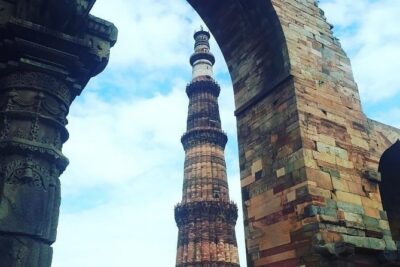
Qutub Minar is the iconic landmark here, and the complex around it rewards you with additional structures you can spot right near the main tower. It’s one of those places where the guide’s explanations make a difference: you start seeing Delhi’s history as more than just names on plaques.
One practical tip: expect walking on uneven surfaces. Wear shoes you can manage comfortably, especially since you’ll face occasional footwear rules later in the trip.
Lotus Temple
Next comes the Lotus Temple, also known as the Bahá’í House of Worship. It’s free and makes a refreshing break from the heavier Mughal look. The architecture is the star, and it’s a good spot to reset your brain before the old city.
India Gate and the ceremonial zone
You’ll pause at India Gate (free), then see the Rashtrapati Bhavan and Parliament House from the outside. These exterior views are planned because interior access isn’t permitted. Even without going inside, it’s still useful for orientation: Delhi’s official axis is part of the story here.
You can also read our reviews of more tours and experiences in New Delhi






Chandni Chowk lunch and the Old Delhi transition
Then you hit Chandni Chowk for lunch. This is one of the more enjoyable parts of the day because it’s not just sightseeing; it’s a taste of North Indian everyday food. You’ll likely choose from classics like biryani and korma, depending on the local restaurant set for the day.
Chandni Chowk can feel like sensory overload. Your guide helps keep the day structured, and having a planned lunch stops you from losing time searching for something that looks safe and open.
Jama Masjid, Red Fort (exterior), and Humayun’s Tomb
You’ll see Jama Masjid (tickets not included) and get Red Fort from the outside, plus Humayun’s Tomb with time to take it in properly. Humayun’s Tomb is often the “wow” moment for people who like architecture and symmetry—the gardens plus the main red-sandstone structure work well for photos and for just standing back and studying the proportions.
Evening transfer to Agra
By the end of the day, you travel from Delhi to Agra for overnight. That long drive matters because it sets up your next day for the big one: the Taj Mahal at sunrise.
Day 2 Sunrise Taj Mahal and Agra Fort Time You’ll Actually Remember
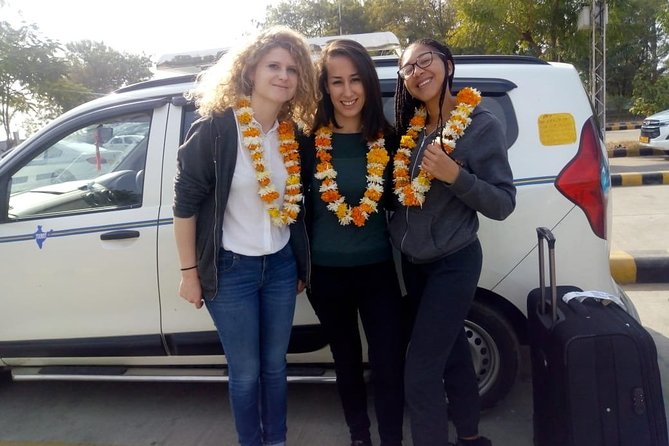
Day two is built around the Taj Mahal experience, and the sunrise plan is the key. The tour explicitly recommends getting there early, which usually means you’re starting in softer light and avoiding the later crush.
Taj Mahal at sunrise
You’ll explore the Taj Mahal in the early morning, and since monument admission isn’t included, you’ll want to have your photo ID ready for entry checks. The guide’s job is to help you understand what you’re seeing—materials, design choices, and the human story behind the monument—so it lands beyond postcard level.
Breakfast and a calmer mid-morning
After Taj, you head to a local restaurant for breakfast with Indian or continental options. This break is important because sunrise mornings can make you hungry fast. It’s also a rhythm-reset: you go from intense landmark time into a more normal meal pace.
Agra Fort and Itmad-ud-Daula
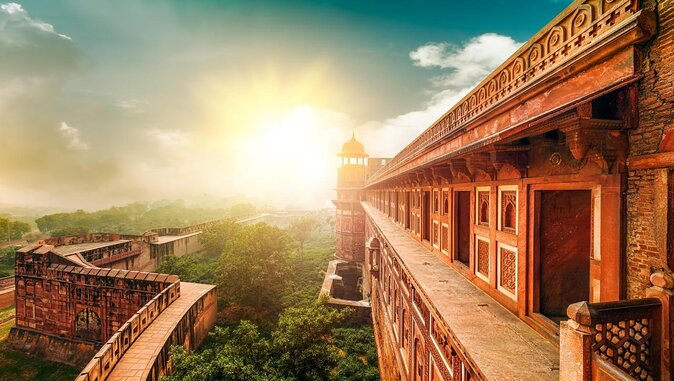
Then you visit Agra Fort and Itmad-ud-Daula, often called the Baby Taj. Agra Fort adds the military-and-royal feel, while Itmad-ud-Daula tends to be about finesse—fine detail and the “how did they do that” style of craftsmanship.
Drive onward toward Ranthambore
Later, you depart Agra for Sawai Madhopur / Ranthambhore and overnight. That timing is practical: it gets you set up for the morning safari without wasting daylight.
Ranthambore Morning Tiger Safari: Getting Value from a Shared Jeep Ride
This is the swing-for-the-fences day. Your morning tiger safari is about wildlife spotting, yes—but also about how the park feels when you’re moving through it early.
You go with expert naturalists who guide the experience. That part matters because it’s easy to miss clues if you don’t know what to look for. The safari is about 3 hours, and it’s done on a shared jeep/canter option if you choose it. Shared can be a good value here: you’re still in the right vehicles, but you aren’t paying for a private ride.
How to make your safari time work
You’ll want to dress for changing conditions. Mornings can feel cooler early, then warm up quickly. Bring sun protection, and keep your daypack simple so you can move quickly at boarding times.
Also, accept that tiger sightings aren’t guaranteed. What you’re buying is your access to the habitat at the time the animals are often active and the chance to notice the rest of the wildlife and landscape that make Ranthambore worth it even when the tiger is shy.
Ranthambore Fort after the safari
After the safari, you have breakfast and visit Ranthambhore Fort, perched on a hill within the park area. This is a nice way to balance adrenaline with history. The fort is said to have been built in the 10th century by the Chauhan dynasty and blends different architectural influences. Even if you’re mainly in tiger mode, the fort gives your brain something else to hold.
Jaipur Day 3 Transfer: A Needed Breather Before the Pink City Stops
Day three is a move day, and that’s not a waste. You head from Ranthambhore toward Jaipur, with time to relax in transit and arrive for overnight.
This matters because Jaipur’s sightseeing day is packed. Having a calmer transfer day helps you enjoy the next morning and afternoon instead of arriving exhausted and treating everything as a chore.
When you reach Jaipur, you’ll settle in and be ready for the classic sights that make the city famous: palaces, observatories, lakeside views, and Indo-Saracenic museum architecture.
Day 4 Jaipur Icons: Hawa Mahal to Albert Hall Museum in One Flight Plan
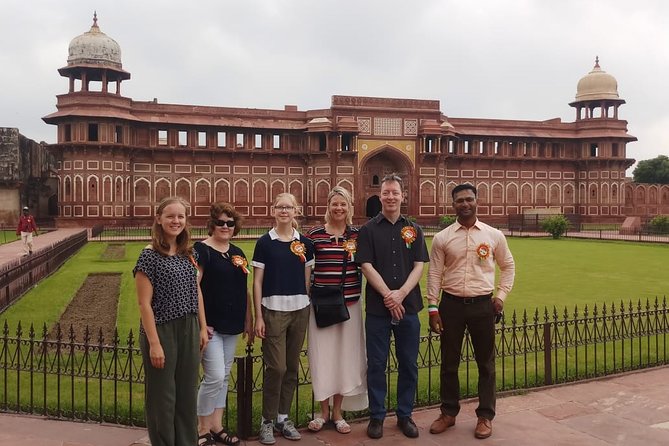
Day four is your full Jaipur loop. It’s packed, but it’s designed to keep the stops close and the timing logical.
Hawa Mahal, the Palace of Wind
You start near Hawa Mahal, the five-storey pink façade with 953 jharokhas. The exterior is iconic, and you’ll have time to walk close and take it in. The monument ticket isn’t included, so plan ahead for entry if you want inside time.
City Palace and the royal center
Next is City Palace of Jaipur, a complex of courtyards, gardens, and palace buildings that reflects Jaipur’s royal seat. Like most major palace sites, it rewards patience. Even if you only have a couple hours, it’s worth focusing on the parts your guide highlights: how the spaces were arranged and what the architecture tells you.
Jantar Mantar: time-keeping made visible
Then you visit Jantar Mantar, a UNESCO-listed 18th-century astronomical observatory built by Maharaja Jai Singh II. The massive instruments feel like science hardware from another world. If you’re someone who likes turning your brain on, this stop is a perfect break from palace courtyards.
Lunch and Rajasthani food break
After Jantar Mantar, it’s lunch at a local restaurant. Lunch is included, and the goal here is simple: refuel with a traditional Rajasthani meal before the lakeside and museum finish.
Jal Mahal on Man Sagar Lake
Then you go to Jal Mahal, the water palace that appears to float on Man Sagar Lake. It’s short time but very photo-friendly, and it gives Jaipur a softer side that contrasts with the stone-and-stair palaces.
Albert Hall Museum and the final landing
Your last sightseeing stop is Albert Hall Museum, the oldest museum in Rajasthan and an Indo-Saracenic style building. If you want a final cultural anchor before the drive back to Delhi, this is a strong finish.
By late day, you depart back to New Delhi for your chosen drop-off location.
Price and Ticket Reality: Is $259 Good Value?
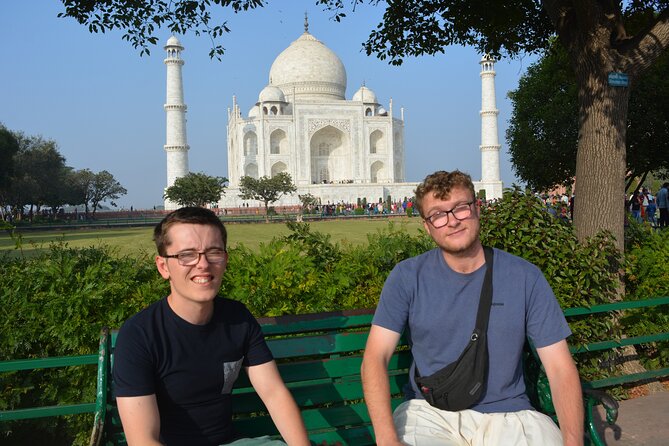
At $259 per person, the deal isn’t about cheap admission. It’s about what’s included: private AC transport with your chauffeur, a live guide, and all the small-but-annoying items like parking, tolls, fuel, and taxes. When you compare that to hiring separate drivers, trying to coordinate guides city-to-city, and dealing with toll and fuel charges yourself, this pricing starts to make sense.
What’s not included is the big-ticket part of your day: monument tickets (listed as approximately USD 60 per person). That means your true all-in cost depends on how many paid entries you decide to take, especially for Taj Mahal and some Jaipur palaces/observatory areas.
So the smart way to budget is:
- Base tour cost: $259
- Add around USD 60 per person for monuments (as a planning number)
- Add hotels and meals if your chosen package level doesn’t include them
- Add any optional upgrades (like 3- or 5-star accommodation if you select that option)
If you’re the type who wants comfort and guidance so you don’t lose time asking questions at every turn, this price is a solid value. If you already know you’ll skip many paid interiors and you don’t care about having a guide, then it becomes more of a convenience purchase than a bargain.
Guide and Driver Quality: Why People Rate This So High
The strongest signal from the experience feedback is that service quality is consistent. People highlight the team’s effort to make the trip smooth, and they specifically praise the driver and guides who handle timing and traffic calmly.
A name that comes up: Neeraj Sharma as a driver who navigated Delhi traffic with patience and kept everything on time. Another standout from the sunrise Taj context is Kamran, described as knowledgeable, easy to follow, and helpful with photos while explaining history clearly.
You’ll also have a live guide in foreign languages, which is a huge value on days like Delhi’s old city and the Taj morning, where the details are easy to miss if you’re reading alone.
Private touring means you’re not stuck with the loudest group pace. It also means you can ask for clarifications without turning the day into a meeting.
Small Practical Tips That Prevent Day-Of Headaches
A few rules and habits will make your days run smoother:
- Carry a valid photo ID for monument entry checks.
- Wear comfortable shoes. You might need to remove them for temples or sacred places.
- For a sunrise Taj plan, aim to be ready early. Even a short delay changes the whole mood of that visit.
- Pack light layers for the morning in Ranthambore and the warmer daytime in Delhi and Jaipur.
- Keep some cash or card options for meals and any monument entries you choose to pay for (since tickets aren’t included).
If you like having a plan, this tour gives it to you. If you want freedom every minute, it may feel tight, but the private setup still keeps things flexible enough to work for most people.
Should You Book This Delhi–Agra–Jaipur Plus Ranthambore Tour?
I’d book it if you want a smart 4-day push that combines the iconic Golden Triangle with a real wildlife day, without the hassle of coordinating transport and guide time yourself. It’s especially good for first-timers to India who don’t want to spend their trip solving logistics.
I’d think twice if you hate early mornings or you want a very slow pace. This trip moves, and most of the magic comes from hitting key sites at the right time—sunrise Taj and a morning safari.
If your priority is comfort, clear explanations, and getting from city to city with fewer stress points, this is a strong option. And with an average rating around 4.9/5 and a high recommendation rate, the “service works” factor looks reassuring.
FAQ
What’s included with transportation on this tour?
Round-trip transportation from Delhi is included. You travel in a private air-conditioned vehicle with a chauffeur, and parking fees, tolls, fuel, and taxes are covered.
Is this a private tour?
Yes. It’s listed as a private tour/activity, and only your group participates.
Are monument tickets included?
No. Monument tickets are not included, and they’re listed as approximately USD 60 per person.
What about the Taj Mahal timing?
The Taj Mahal stop is planned as a sunrise visit, and you’ll also have time for breakfast afterward.
Does the tour include the tiger safari in Ranthambore?
Yes, there is a morning tiger safari stop in Ranthambore National Park. The safari is shared on a jeep or canter, based on the option chosen.
Can the drop-off be in Jaipur instead of Delhi?
Yes. The drop-off location can be arranged in Jaipur instead of Delhi based on your preference.