REVIEW · NEW DELHI
Delhi: All Inclusive Old & New Delhi Full & Half Day Tour
Book on GetYourGuide →Operated by India Tour · Bookable on GetYourGuide
Delhi’s contrast hits hard and fast.
This Old & New Delhi tour is a smart way to see major monuments without spending your day stuck in lines—thanks to a live guide and skip-the-line access. I also like the practical mix of sights and street-level experiences: Jama Masjid, the Chandni Chowk lanes, and a rickshaw ride through the old market energy are the kind of Delhi moments you remember.
One thing to plan around is time and closures. Traffic can slow the route, and on Mondays Lotus Temple is closed (also Akshardham), so you’ll want to build your expectations accordingly—especially if you only have one day in town.
In This Review
- Key highlights worth caring about
- A fast, comfortable way to orient yourself in Old & New Delhi
- Old Delhi morning: Jama Masjid to Chandni Chowk by foot and rickshaw
- Sikh heritage and snack stops: Sis Ganj Gurudwara, Khari Baoli, Paranthe Wali Gali
- Red Fort: Mughal architecture you can actually pace
- New Delhi icons: Qutub Minar, Lotus Temple, and Humayun’s Tomb
- India Gate and Rajpath: the postcard views at street level
- Time, traffic, and how to avoid the usual frustrations
- Price and value: what $20 really means on this route
- Lunch reality check: plan for an extra paid meal
- Who this tour fits best (and who should skip it)
- Guide performance that makes the day feel smooth
- Should you book this Old & New Delhi tour?
- FAQ
- How long is the Old & New Delhi tour?
- What’s included in the price?
- Is lunch included?
- Which monuments and areas will I visit?
- Can the itinerary be adjusted to my flight schedule?
- Are any stops closed on certain days?
- Is the tour suitable for everyone?
Key highlights worth caring about

- Skip-the-line entry so you lose less time waiting and more time looking
- Private air-conditioned car with a driver for smoother Old-to-New Delhi transfers
- Old Delhi street route with Chandni Chowk by rickshaw plus snack stops near Paranthe Wali Gali and Khari Baoli
- UNESCO power hitters including Red Fort, Qutub Minar, and Humayun’s Tomb
- Guide options in English, French, and Spanish, with notable guides like Wahab, Vivek, Sunny, Azhar, Adin, and Anas
- Family-friendly structure, with free spots for children
A fast, comfortable way to orient yourself in Old & New Delhi
Delhi can feel like two different cities glued together: Old Delhi is loud, dense, and historical in every lane; New Delhi is broader, more planned, and built for big monuments and government views. This tour is designed to help you connect those worlds without the stress of figuring out transit across chaos.
You get pickup and drop-off, plus a private, air-conditioned car with a driver. For a first trip—or for a trip where you’re tired from travel—that support matters. It also helps you actually enjoy the walking and the sights instead of spending your best energy bargaining with taxis.
You can also read our reviews of more tours and experiences in New Delhi.



Old Delhi morning: Jama Masjid to Chandni Chowk by foot and rickshaw
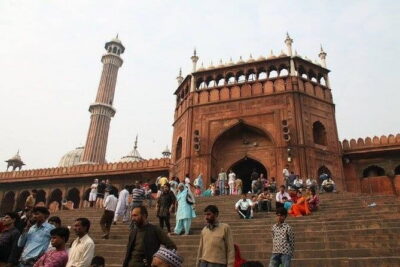
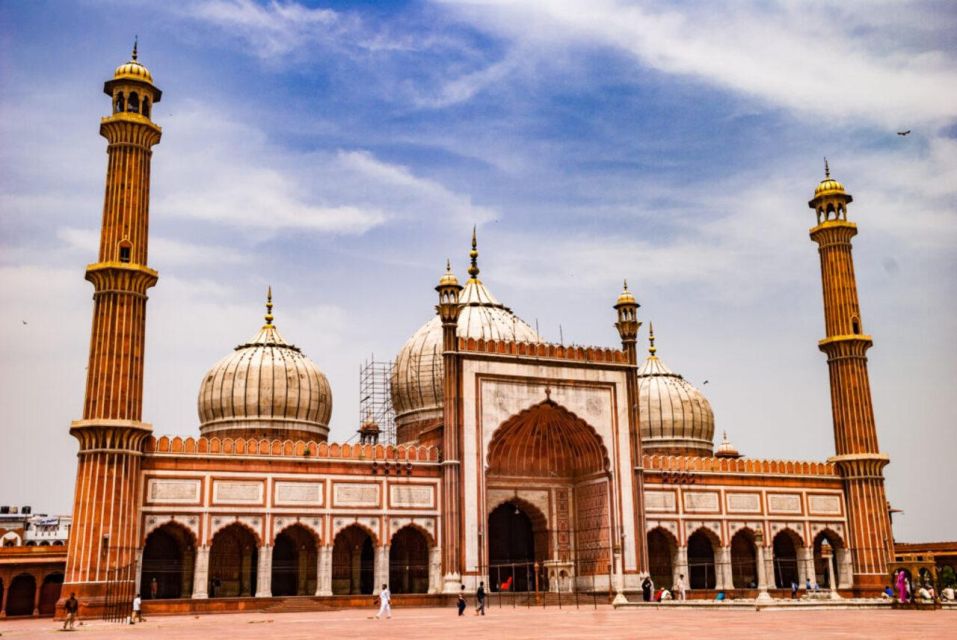
Most days start at Jama Masjid, one of India’s largest mosques, built by Mughal Emperor Shah Jahan. Even if you’re not a big architecture person, the scale lands fast: the courtyard is wide, the compound feels ceremonial, and the details reward slower looking.
From there, you head into Chandni Chowk, one of Delhi’s oldest market areas. This is where the tour earns its keep. You don’t just look from the outside—you work through the narrow lanes and markets, which is the real Delhi experience.
Then comes the rickshaw ride, a simple but powerful way to handle traffic and tight streets. It helps you watch shop life, street activity, and the flow of the neighborhood without having to walk every inch. If you’re traveling with kids or you don’t want an all-day sprint, this is one of the most practical inclusions.
Sikh heritage and snack stops: Sis Ganj Gurudwara, Khari Baoli, Paranthe Wali Gali

Old Delhi isn’t only Mughal landmarks. You also visit Sis Ganj Gurudwara, a significant Sikh temple connected to the martyrdom of Guru Tegh Bahadur. The value here isn’t just religious significance—it’s the atmosphere. You’ll see a community space with a calmer rhythm, which is a nice reset after the market intensity.
Next are the food-and-spice stops: Khari Baoli (spice market) and Paranthe Wali Gali for traditional snacks. This is where the guide’s role really matters. Good guides translate what you’re seeing—what these markets sell, how locals use them, and why the streets look and feel the way they do. The result is that you don’t walk through looking confused; you walk through knowing what you’re tasting and why it exists.
One review-style detail I’d take seriously: if you’re sensitive to crowds or you’re visiting during busy festivals, the streets can get packed. Your guide can help you keep moving and still enjoy the stops, rather than getting stuck.
Red Fort: Mughal architecture you can actually pace
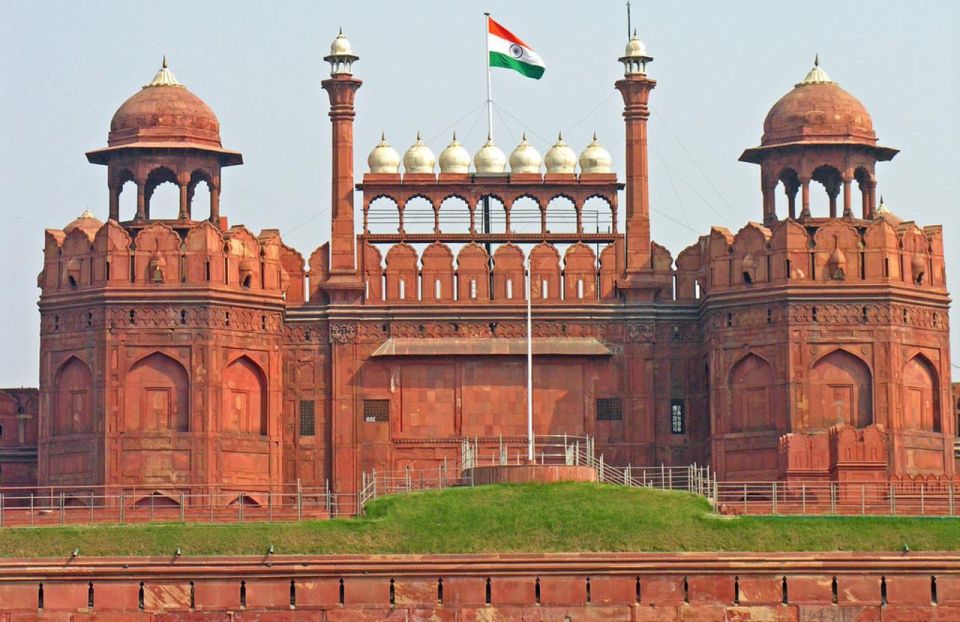
Red Fort is one of those Delhi sights that sounds famous even if you don’t know much about it yet. It’s a UNESCO World Heritage Site and a key symbol of India’s historical layers, built by Shah Jahan in the 17th century.
Inside the fort complex, you’ll have time to explore palaces, gardens, and museums. What I like about including Red Fort in a single-day Old-to-New route is that it gives historical weight to everything you saw earlier in Old Delhi. The market lanes set the scene; the fort shows the power and planning behind the era.
A practical heads-up: the fort can be affected by events. In one case, it was closed due to a political event, and the route was adapted. The takeaway for you is simple: keep a little flexibility in your schedule, and treat itinerary changes as part of the Delhi experience.
New Delhi icons: Qutub Minar, Lotus Temple, and Humayun’s Tomb

After Old Delhi, the tour shifts into New Delhi’s UNESCO big hitters—more open spaces, cleaner lines, and monument-sized perspective.
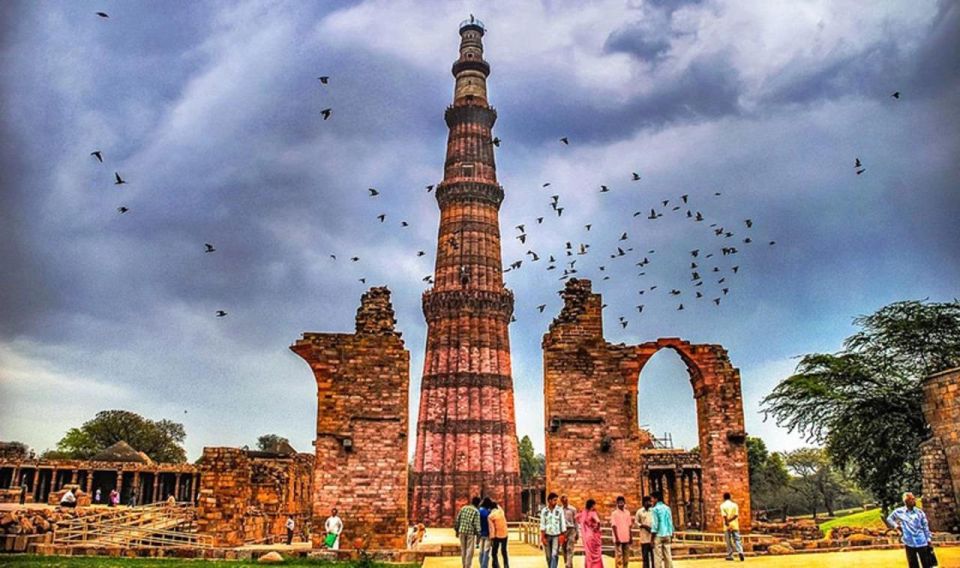
First is Qutub Minar, also UNESCO-listed and tied to the Delhi Sultanate era. The minaret rises from an area with ancient ruins, which makes the whole complex feel like a working timeline. If you’re the type who likes tracing how Delhi’s rulers left their mark, this stop helps you connect the dots.
Then there’s Lotus Temple (Bahá’í House of Worship). It’s known for its distinctive lotus-shaped design and is open to people of all religions for meditation and reflection. I like this contrast point: after busy streets and forts, the Lotus Temple area gives you breathing space and quieter focus—especially around sunset when it’s at its most atmospheric.
Just remember the Monday closure. Lotus Temple is closed every Monday, so check your travel dates. If you’re going on a Monday, you’ll want your guide to adjust the plan so you still get a strong set of monuments.
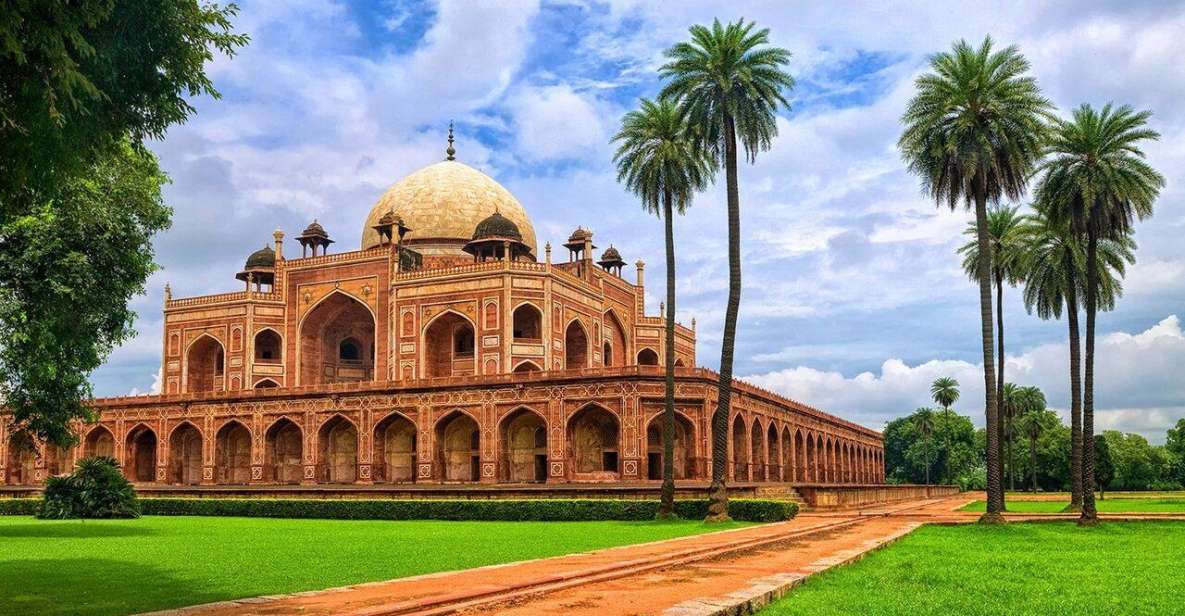
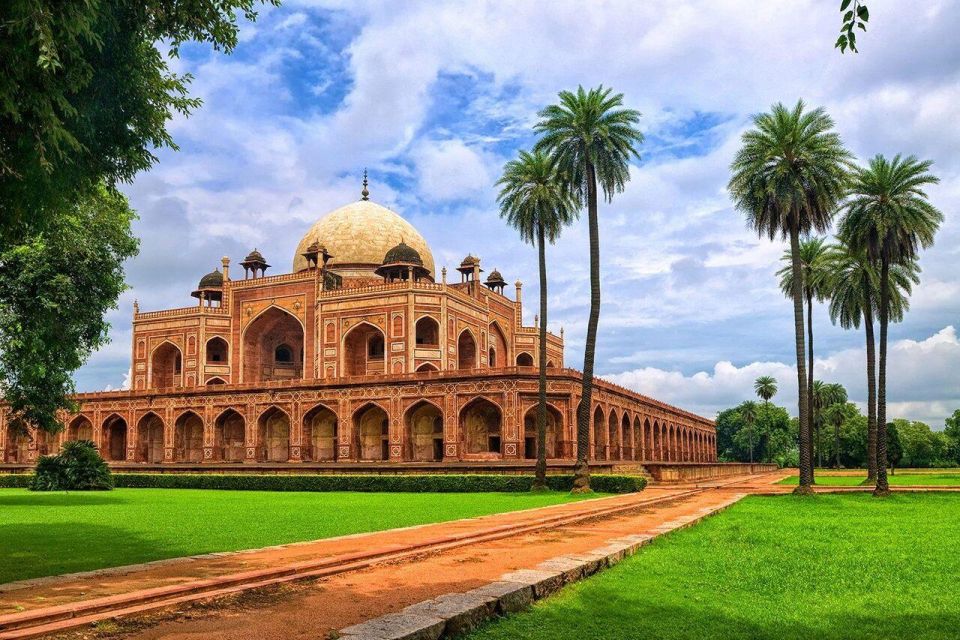
Finally, you’ll visit Humayun’s Tomb, another UNESCO World Heritage Site and a precursor to the Taj Mahal. It’s known for Mughal architecture with Persian influences, plus beautiful gardens. This is one of those places where the setting improves the monument. The gardens help you slow down, and the details reward patience.






India Gate and Rajpath: the postcard views at street level
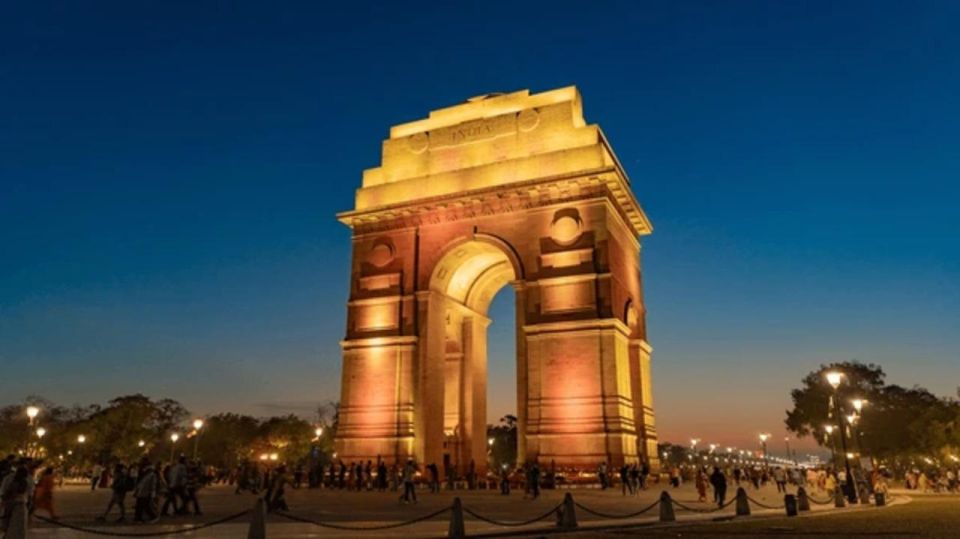
Later, the tour heads to India Gate and Rajpath, part of the central Delhi area near major government buildings. India Gate is a war memorial dedicated to Indian soldiers, and it’s one of those landmarks that feels instantly recognizable once you see it.
On Rajpath, you get classic views toward Rashtrapati Bhavan (Presidential Residence) and Parliament House. If you’re coming from Old Delhi’s tight streets, this part can feel like a reset—wide roads, big angles, easier photo lines.
Time, traffic, and how to avoid the usual frustrations
Delhi traffic is real. Even with a private car, travel time can stretch, and that can affect how much time you get at each stop. If your schedule is tight, aim to visit on a day when you’re not racing against a deadline—especially if you care deeply about a specific monument.
One specific lesson from real experience: on a tight day, Lotus Temple viewing might be limited to outside-only if traffic eats time. That doesn’t mean you wasted the stop; it means you should mentally plan for short stops if your day gets delayed.
Also, protect yourself from the environment. One useful suggestion: bring a mask if you’re concerned about smog. It’s not dramatic, but it can make the day more comfortable.
And bring sunglasses, because Delhi sun plus reflective stone and open courtyards can be harsh.
Price and value: what $20 really means on this route

At around $20 per person, this tour is priced like a budget-friendly shortcut—yet it includes a lot that’s usually extra: entry tickets, a live guide, and pickup/drop-off plus a private air-conditioned car with driver.
Here’s how I think about value for this specific itinerary:
- If you were to book just transport and pay entry fees on your own, the costs add up quickly in a day with multiple UNESCO sites.
- A private guide makes the stops make sense. Even if you only catch the highlights, you’ll get explanations tied to what you’re looking at—like Mughal builders at Jama Masjid and Red Fort, or how Qutub Minar fits the Delhi Sultanate story.
- The included water helps keep the day moving. It sounds small, but it’s one less thing to manage when you’re switching areas all day.
It’s also family-friendly, with free places for children, which can make the math much better if you’re traveling with kids.
Lunch reality check: plan for an extra paid meal
Lunch is pay extra. You’ll get a traditional-food stop, and popular options mentioned include Karim’s (Mughlai cuisine) and Saravana Bhavan (South Indian delicacies).
This structure is good for you if you like choice. It also prevents the all-too-common issue where a tour forces a single buffet that nobody enjoys. Your guide can usually help match the meal to your tastes, whether you want something classic or something more predictable for sensitive stomachs.
If you’re traveling with kids or picky eaters, this is a strong reason to do a guided day instead of trying to self-navigate meal decisions between monuments.
Who this tour fits best (and who should skip it)
This tour works best for you if:
- You want a quick, guided introduction to both Old and New Delhi
- You prefer a structured route with major stops rather than random sightseeing
- You want a private group setup with a guide who can answer questions as you go
- You’re traveling with kids (the free child option is a big plus)
It’s not suitable for pregnant women, and the day includes walking in busy areas and around major monuments. If you need very limited walking, you might want a different pace or a more accessible-focused itinerary.
Also, if you hate crowds, you should know that Old Delhi market areas are busy by nature. A good guide helps you keep moving and still enjoy the sights.
Guide performance that makes the day feel smooth
What consistently pops up from real guide-led experiences here is how much the day depends on the person holding the pace.
I’d take note of the guides named for strong results:
- Wahab: strong overall guidance and a great lunch stop
- Vivek: funny, knowledgeable, and effective at keeping the day flowing
- Sunny: handled Old Delhi markets well and helped a solo traveler feel comfortable and safe
- Azhar: focused on best viewing points in New Delhi and welcomed questions
- Anas / Adin: packed a lot into a day without feeling rushed, including adapting when Red Fort access was disrupted
Even if you don’t know these names ahead of time, the pattern is clear: the guide quality matters, and this tour is built around having one you can rely on. In practical terms, that means less confusion, fewer wrong turns, and better use of limited time.
Should you book this Old & New Delhi tour?
If you have limited time in Delhi and you want a day that actually covers the iconic highlights—Old Delhi monuments, street markets, and UNESCO New Delhi sites—this is a strong option. The best reason to book is the balance: you get guided context and ticketed access, plus a private car so you’re not exhausted just moving between areas.
I’d skip it only if you’re traveling on a Monday and you specifically need Lotus Temple, or if mobility limits make long walking in crowded areas difficult. Otherwise, this is exactly the kind of guided, ticket-included experience that helps you get your bearings fast and still leave with real stories, not just photos.
FAQ
How long is the Old & New Delhi tour?
The experience is offered as a half-day or full-day option, with itineraries running about 4 hours or 8 hours, depending on availability.
What’s included in the price?
Inclusions include pick-up and drop-off, a private air-conditioned car with driver, entry tickets, a live tour guide, mineral water bottles, free for children, and all taxes.
Is lunch included?
No. Lunch is not included and you pay extra during the tour. Options mentioned include Karim’s for Mughlai cuisine or Saravana Bhavan for South Indian food.
Which monuments and areas will I visit?
You can expect stops at Jama Masjid, Chandni Chowk (with a rickshaw ride), Sis Ganj Gurudwara, the spice market (Khari Baoli) and Paranthe Wali Gali, Red Fort, Qutub Minar, Lotus Temple, India Gate and Rajpath, and Humayun’s Tomb.
Can the itinerary be adjusted to my flight schedule?
Yes. Airport pick-up and drop-off are available upon request, and you should provide your flight details when booking. The itinerary can be adjusted to match your schedule.
Are any stops closed on certain days?
Yes. Lotus Temple and Akshardham Temple are closed every Monday.
Is the tour suitable for everyone?
No. The tour is not suitable for pregnant women. It also includes walking through busy areas and around major monuments.