REVIEW · OLD DELHI
Delhi: Old Delhi & Spice Market Tour
Book on GetYourGuide →Operated by Reality Tours and Travel Private Limited · Bookable on GetYourGuide
Old Delhi has a way of grabbing your senses fast, and this tour gives you a guided route through it. You’ll move through the Mughal-era core and the wholesale spice world, with photo stops and short rides that keep the pace realistic. I like that it’s not just big landmarks; you also get time in the market lanes people usually skip, like the paan stands and the flower market.
I also love the combo of historic sights and practical market navigation. You’ll visit places like Fatehpuri Masjid, a Jain temple site, and Gurudwara Sis Ganj, then spend real time in Khari Baoli, Asia’s large wholesale spice market.
One consideration: this is a walking-heavy tour through crowded streets, and it’s not suitable for mobility impairments. You’ll also need to dress modestly for the temple stop and keep luggage/large bags out of the way.
In This Review
- Key Things You’ll Notice Right Away
- Old Delhi With a Plan: Why This 3.5 Hours Works
- Getting Started: Rajiv Chowk to Chawri Bazar by Metro
- Chawri Bazar Lanes: Your First Look at Market Life
- Rickshaw Views: Using Pedicab Time for Orientation
- Fatehpuri Masjid: A Sacred Stop Without the Usual Confusion
- Khari Baoli: Asia’s Largest Spice Market Up Close
- Less-Obvious Corners: Paan Mandi and the Flower Market Feel
- Jain Temple Visit: Slowing Down in a Busy Area
- Kinari Bazar: Accessories, Color, and Photo Opportunities
- Gurudwara Sis Ganj: A Respectful End With Real Community Energy
- Wrap-Up: Metro Back Toward Rajiv Chowk
- Price and Value: What You Pay for and What You Still Need to Budget
- Who This Tour Fits Best (And Who Should Skip It)
- Quick Booking Decision: Should You Book It?
- FAQ
- FAQ
- How long is the Old Delhi Spice Market Tour?
- What sites and markets will we visit?
- Is there a rickshaw or pedicab ride?
- What’s included in the price?
- Are monument entrance fees included?
- Where is the meeting point?
- What should I wear for the temple visit?
- Are large bags or luggage allowed?
- Is the tour suitable for people with mobility impairments?
- Can I cancel for a refund?
Key Things You’ll Notice Right Away
- Khari Baoli’s spice scale: you’ll see wholesale quantities that feel industrial, not boutique
- Rickshaw breaks: short rides that give you views and reset you for the next lanes
- Old Delhi religious mix: mosques, a Jain temple, and Gurudwara Sis Ganj in one run
- Side-market moments: you’ll catch areas linked to paan and the flower market
- Guides with street confidence: people like Sam, Naresh, Neresh, and Hema have been praised for keeping the group moving well
- You’ll come away with options: from photo-worthy corners to spices you can buy as gifts
Old Delhi With a Plan: Why This 3.5 Hours Works
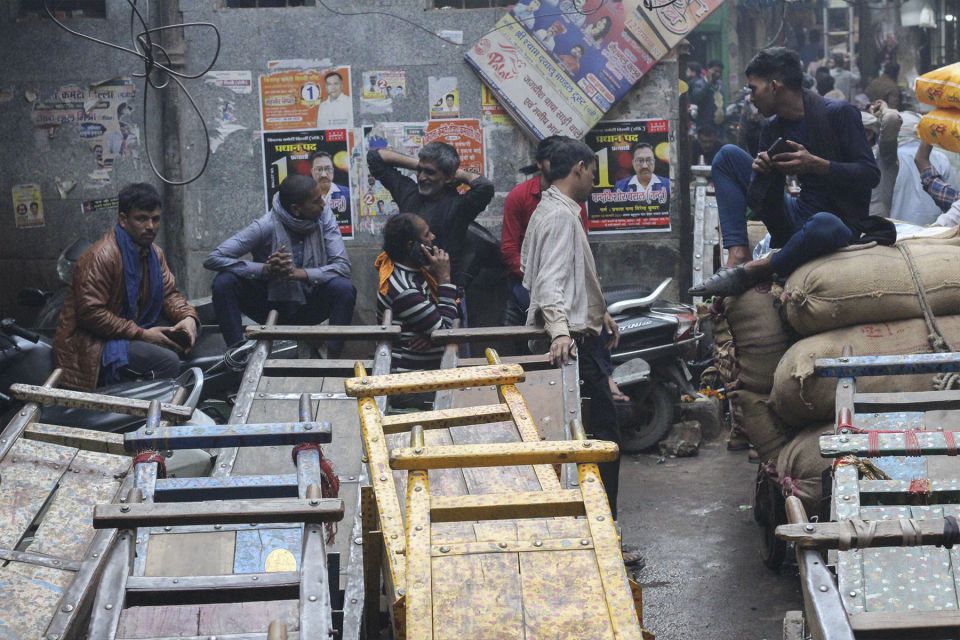
Old Delhi can feel like a living knot. People move fast, lanes narrow, and you can lose your bearings without meaning to. This tour works because it’s timed tightly and structured around short walking segments plus quick metro and rickshaw transfers.
At $17 per person, the value is less about luxury and more about what you’re buying: a local English-speaking guide, a metro ticket, and rickshaw transport. Add in the fact you get access to areas most visitors only see from the outside, and it starts to feel like a smart shortcut through the chaos.
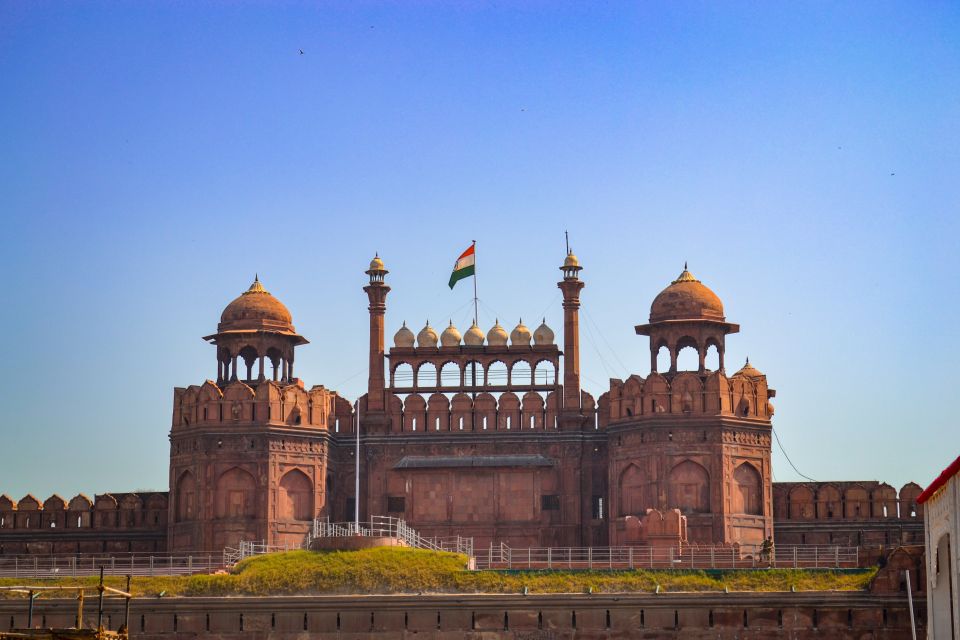
You’ll also get that classic Old Delhi feeling—forts, domes, minarets, and market noise—without needing to build a route yourself. The guide’s job is to keep you oriented, not to turn it into a lecture.
Getting Started: Rajiv Chowk to Chawri Bazar by Metro
Most people begin near Rajiv Chowk, then take the metro for about 10 minutes to reach the market zone. This is one of those small choices that matters: it cuts down transit friction so you can spend more time where the action is.
Once you hit Chawri Bazar, you start with a photo stop and a guided walk. This part helps you read the street—where the crowds are flowing, what streets feel like one-way chaos, and where you can pause without blocking anyone.
Practical note: comfortable shoes matter here. The pavement and crowd density are not designed for sightseeing heels.
Chawri Bazar Lanes: Your First Look at Market Life
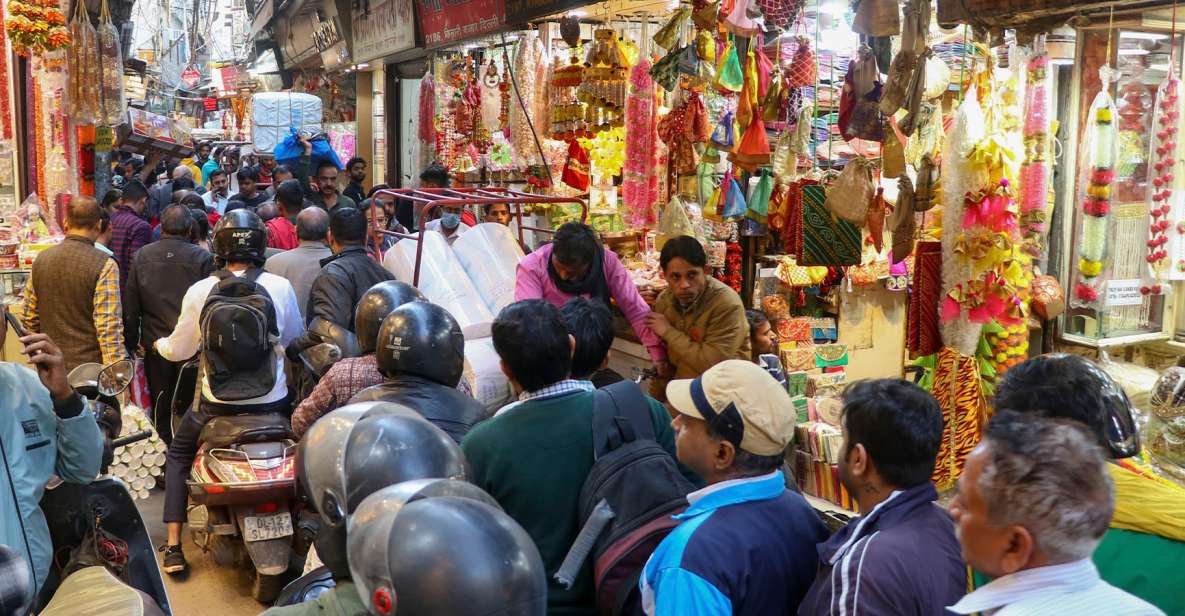
Chawri Bazar is where Old Delhi’s retail energy turns up immediately. Expect tight storefronts, fast-moving customers, and the kind of street scene that feels more real than staged.
This segment is short, but it’s important. It gives you a warm-up so later stops—like Khari Baoli—don’t feel like a sudden jump into the deep end.
If you’re a solo visitor, I like that the tour keeps you together. A welcoming guide—people have praised guides such as Sam for making solo travel feel less daunting—means you’re not trying to decode crowds and directions at the same time.
Rickshaw Views: Using Pedicab Time for Orientation
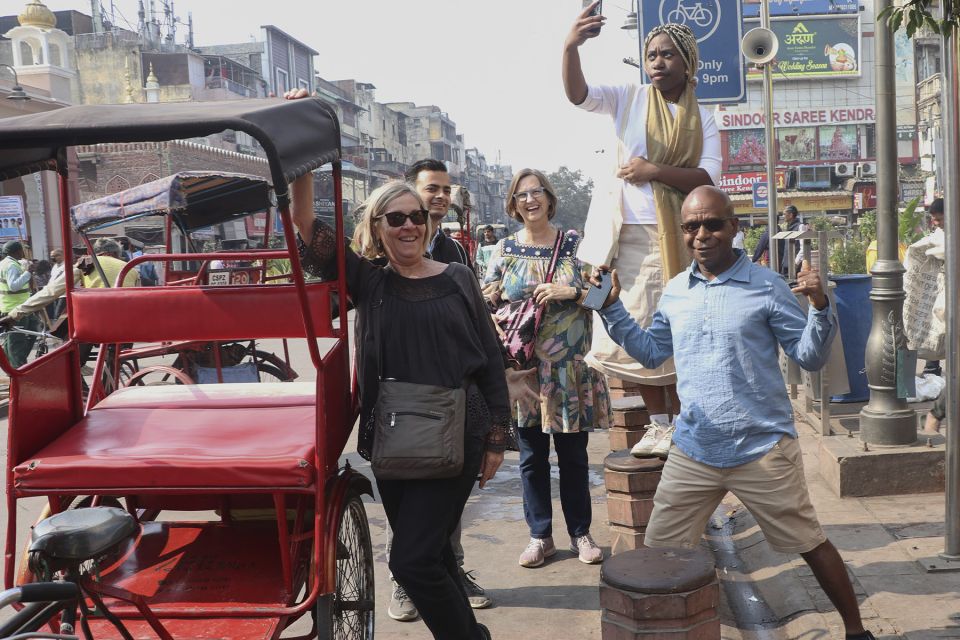
Between stops, you’ll hop on a pedicab/rickshaw for about 10 minutes. This isn’t just transport. It’s a chance to get height and context in a city that rewards knowing where you are.
You’ll also get that skyline-and-street mix—mosque forms, minarets, and the layers of buildings—without walking every single segment. Then you drop back into the lanes with your bearings a little clearer.
The rickshaw breaks are a big reason this tour feels doable. In Old Delhi, walking nonstop can wear you down quickly; short rides keep the experience fun instead of exhausting.
Fatehpuri Masjid: A Sacred Stop Without the Usual Confusion
From there you head to Fatehpuri Masjid for a guided visit and a short walk. This is one of the places where the street noise softens just a bit, and you can actually look at the architecture instead of only surviving the crowd.
What I like here is the focus on context. You’re not just pointing at a building. You’re getting meaning for why it sits where it does in Old Delhi’s historic core.
Dress matters. Since you visit a temple on the tour, you’ll want to be ready for modest clothing: shoulders and chest covered, clothing below the knee, and nothing too tight or revealing. Plan for that now so you’re not scrambling later.
Khari Baoli: Asia’s Largest Spice Market Up Close

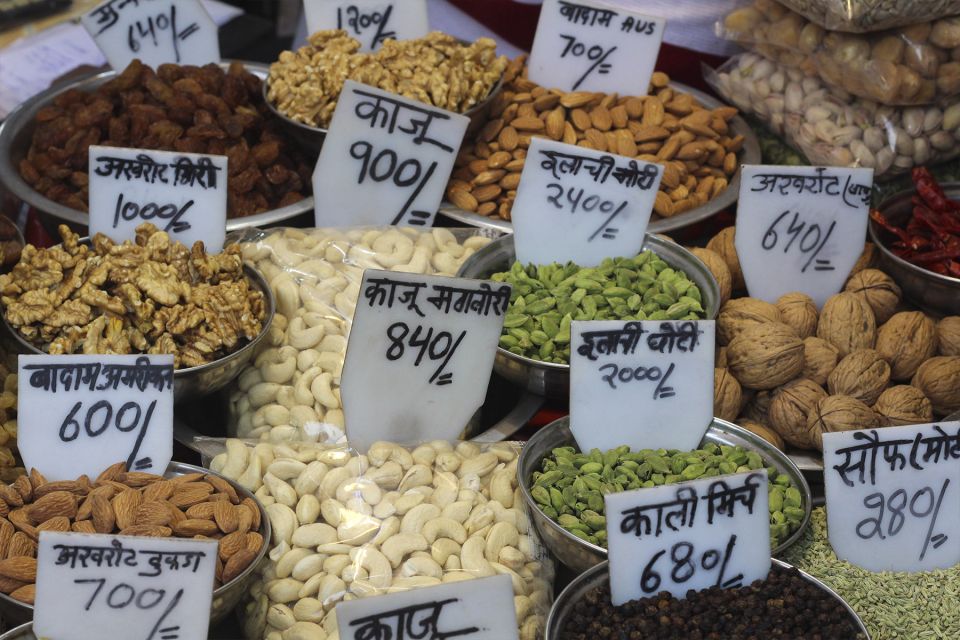
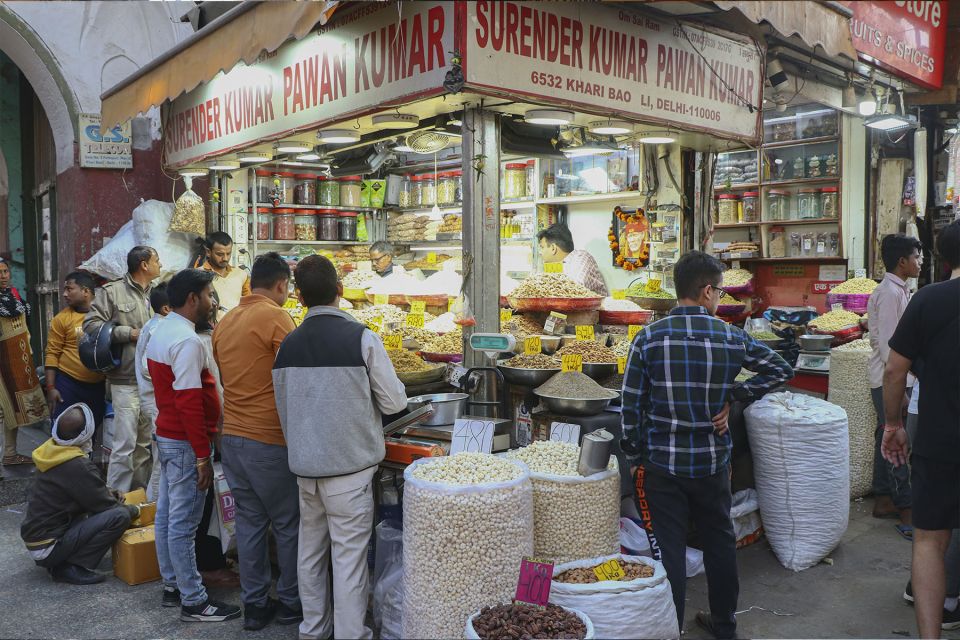
Then comes the main event: Khari Baoli, the huge wholesale spice market. This is where the tour earns its name. You’re not just smelling spices—you’re seeing how markets work when the goal is volume.
The guided walk here is short but focused, which is helpful because the sensory input is intense. Think of it like a guided taste of a much larger place. You’ll learn how spices are displayed, how people shop, and why the market feels almost industrial in scale.
If you want to bring home gifts, this is where you’ll feel the temptation. One strong plus: the price of the tour is low, so you can still budget for spice purchases without blowing your overall trip costs.
Less-Obvious Corners: Paan Mandi and the Flower Market Feel
Old Delhi isn’t only about spices and famous religious sites. Part of what makes this tour memorable is that it nudges you toward lesser-known corners, including areas linked with paan and the flower market.
Even if you’re not shopping, these stops add texture. You start noticing the small industries that keep the city running—people selling, mixing, arranging, and delivering to regular customers.
I find these moments help you connect Old Delhi to everyday life, not just monuments. That’s the difference between seeing Old Delhi and understanding it.
Jain Temple Visit: Slowing Down in a Busy Area
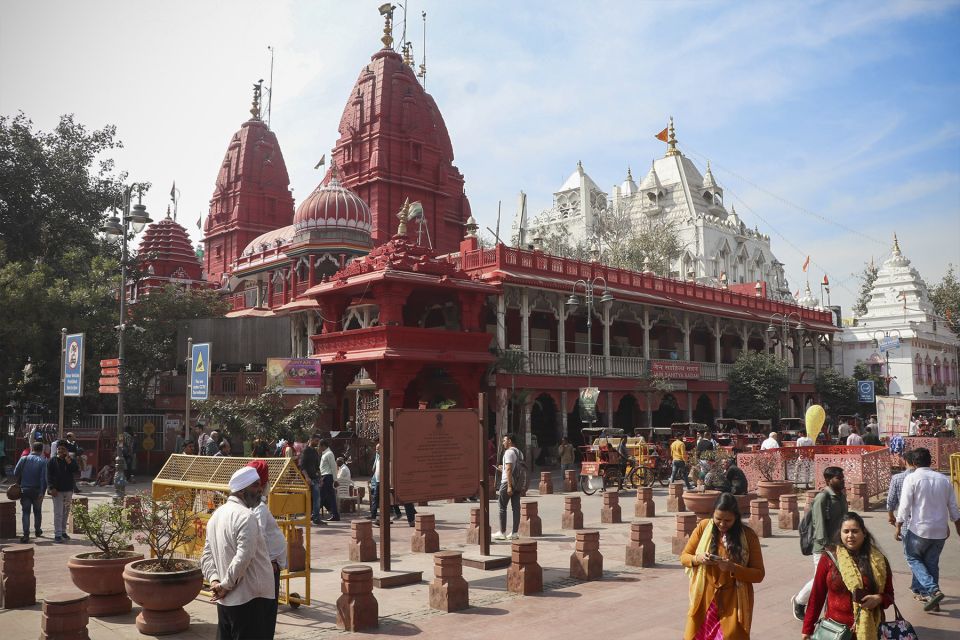
After Khari Baoli, you take another rickshaw ride (about 8 minutes) and continue toward a Jain temple stop: Shri Digambar Jain Atishay Kshetra Lal Mandir. You’ll spend around 15 minutes there with guidance.
This is a quieter change of pace inside a hectic urban layout. It’s also a reminder that Old Delhi’s core isn’t a single story. Different faith communities share the city space, and you feel it on foot.
If you’re the type who enjoys noticing how different religious spaces are used by daily visitors—not just tourists—this stop will land well.
Kinari Bazar: Accessories, Color, and Photo Opportunities
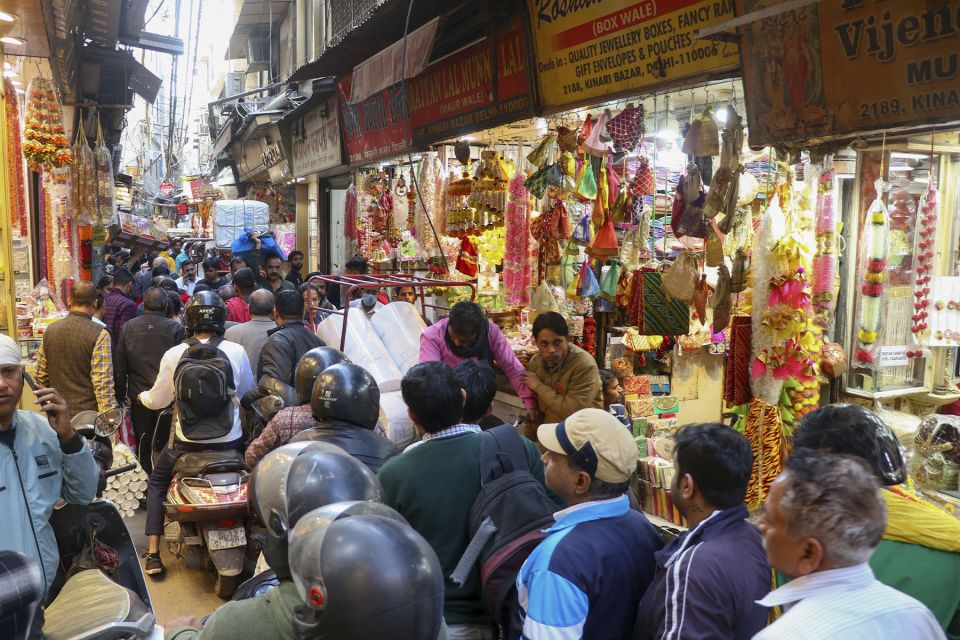
Next up is Kinari Bazar, guided with walking time. This area is known for visual details: small items, trims, and the kind of market display you’ll want to photograph carefully.
One practical thing: keep your pace. Kinari Bazar moves quickly, and photo angles depend on good timing in narrow lanes. Your guide can help you pick moments when it’s safe to stop.
This is also a nice place to reassess what you’ve liked so far. If your focus shifts from spice to craft and color, you’ll have a chance to chase that without derailing the tour plan.
Gurudwara Sis Ganj: A Respectful End With Real Community Energy
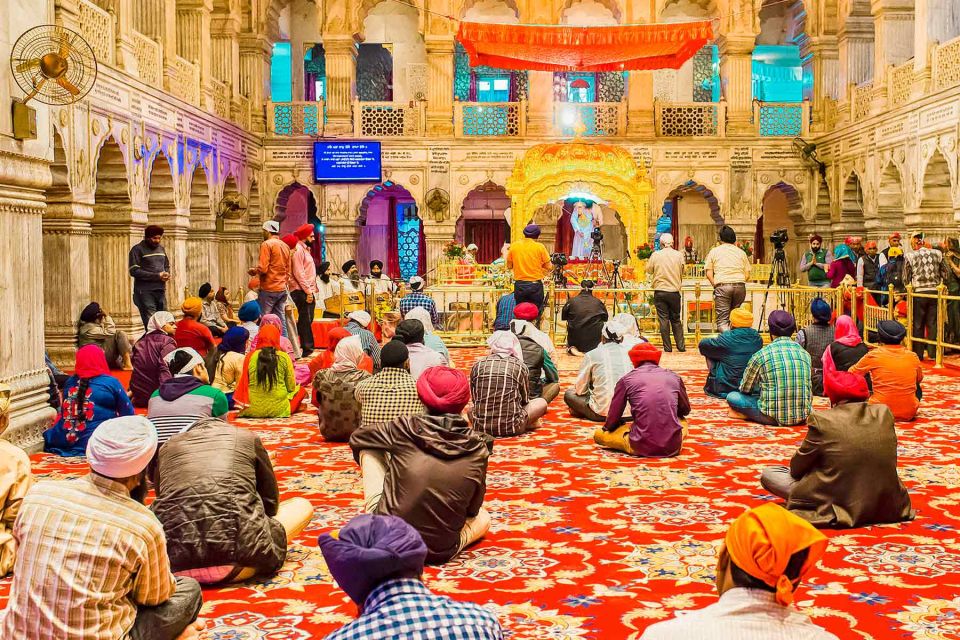
Your final major landmark stop is Gurudwara Sis Ganj, with a guided visit for about 20 minutes. This is one of the tour’s most meaningful parts, not because it’s long, but because it changes the feel of the experience.
Many visitors remember moments like participating in or witnessing the work around the Sikh kitchen. In at least one case, the guide experience included helping with chapatti-making and sharing a meal. You might not have the same exact experience on every departure, but the point is clear: the gurudwara setting isn’t only for sightseeing—it’s part of service.
Even if you don’t get involved hands-on, you’ll likely leave with a stronger sense of why religious spaces stay busy in India’s cities: people come for community, not just architecture.
Wrap-Up: Metro Back Toward Rajiv Chowk
After the Gurudwara, you head back via metro for about 15 minutes and return to drop-off locations around Rajiv Chowk.
I like ending by transit rather than stretching your walking time longer. When you finish around the same central area where you started, it’s easier to plan dinner or a last coffee without needing another navigation battle through Old Delhi streets.
Price and Value: What You Pay for and What You Still Need to Budget
At $17, the tour is priced like a practical local experience rather than a premium sightseeing package. What’s included is clear and useful:
- Local English-speaking guide
- Metro ticket
- Rickshaw ride
What’s not included:
- Entrance fees to monuments
So your real cost depends on whether you choose to pay entrance charges on-site. Either way, you’re getting guided access to key areas and a route that’s hard to replicate on your own without stress.
Also factor in optional purchases. Khari Baoli is the obvious place for spices, but Kinari Bazar and other lanes may tempt you too. You’ll be standing close to vendors, so it helps to decide early whether you want one bag of gifts or a few small items.
Who This Tour Fits Best (And Who Should Skip It)
This tour suits you if you want:
- A guided way through Old Delhi that doesn’t require planning every turn
- Real market time at Khari Baoli
- A mix of mosques and temples plus side lanes like paan and flowers
- A short, structured outing that’s still long enough to feel like a full experience
You might want to skip it if:
- You have mobility limitations. The route is not suitable for people with mobility impairments.
- You hate crowds and tight streets. Old Delhi is busy, and the tour leans into that reality.
If you’re unsure, think of it like this: you’re buying help navigating a sensory city. If crowds drain you fast, this may feel like too much. If crowds energize you, you’ll probably have a great time.
Quick Booking Decision: Should You Book It?
If you want Old Delhi’s spice markets and historic core in one organized evening, I’d say yes—especially for the price. The mix of guided stops, metro + rickshaw routing, and the chance to see lesser-known lanes gives you variety without blowing your day.
I’d book with your expectations set correctly: this is not a slow museum tour. It’s 3.5 hours of walking and street scenes, with a temple dress code and no large bags allowed.
Plan for a little extra time too. One group reported it running closer to 4 hours than the stated duration, which makes sense in a place like this where crowd flow can shift.
FAQ
FAQ
How long is the Old Delhi Spice Market Tour?
The tour duration is listed as 3.5 hours.
What sites and markets will we visit?
You’ll visit Old Delhi’s historic core, including stops such as Fatehpuri Masjid, Khari Baoli spice market, a Jain temple (Shri Digambar Jain Atishay Kshetra Lal Mandir), Kinari Bazar, and Gurudwara Sis Ganj.
Is there a rickshaw or pedicab ride?
Yes. The tour includes rickshaw/pedicab rides, including segments of about 10 minutes and about 8 minutes.
What’s included in the price?
Included are a local English-speaking guide, a metro ticket, and a rickshaw ride.
Are monument entrance fees included?
No. Entrance to monuments is not included.
Where is the meeting point?
The meeting point may vary depending on the option booked. Rajiv Chowk is one of the listed starting options.
What should I wear for the temple visit?
You’ll need to dress modestly: shoulders and chest covered, clothing below the knee, and nothing too tight or revealing.
Are large bags or luggage allowed?
No. Luggage or large bags are not allowed.
Is the tour suitable for people with mobility impairments?
No. It is not suitable for people with mobility impairments.
Can I cancel for a refund?
Yes. You can cancel up to 24 hours in advance for a full refund.