REVIEW · NEW DELHI
Delhi: Textile Trail Tour with Artisan Interaction
Book on GetYourGuide →Operated by India Arrival Tours · Bookable on GetYourGuide
Thread leads the way through Delhi’s markets. This tour is a hands-on look at how fabrics are made and sold, with stops that connect Old Delhi shopping lanes to workshop craft. I like that you’re not just browsing—you’re getting the how-and-why behind weaving, printing, and embroidery.
I also love the human part: you meet artisans and makers who explain their tools and decisions, from dyeing steps to decoration techniques. In the hands of guides like RK (who’s helped keep people together in tight Old Delhi traffic), the experience feels organized even when the streets get loud and crowded.
One thing to consider: it’s mostly walking through markets and shops, and it’s not set up for wheelchair users or people with major mobility limits. Bring comfy shoes, plan for uneven surfaces, and expect you’ll move at a market pace.
In This Review
- Key highlights worth aiming for
- Old Delhi Textile Trail: Where Fabric Knowledge Starts
- Chandni Chowk: Narrow Lanes, Strong Opinions, Real Negotiation
- Shankar Market and INA Market: From Yard Goods to Fashion Details
- Dilli Haat and Hauz Khas: Craft-Centered Shopping with Design Focus
- Shahpur Jat: Workshops, Artisan Talk, and How Techniques Work
- Custom Tailoring in 4–6 Hours: A Real Delhi Advantage
- What the $53 Price Buys You (and What It Doesn’t)
- Shopping Smarter: Raw Fabrics, Trims, and Ethical Choices
- Mobility, Weather, and Comfort: Plan Like a Delhi Pro
- Should You Book the Delhi Textile Trail Tour?
- FAQ
- How long is the Delhi Textile Trail Tour?
- Where are the pickup locations?
- Do I get an English-speaking guide?
- Which places are included in the textile trail?
- Can I get custom tailoring during the tour?
- Is flash photography allowed?
Key highlights worth aiming for
- Old Delhi market time on a tight leash with a guide who helps you stay together in busy lanes
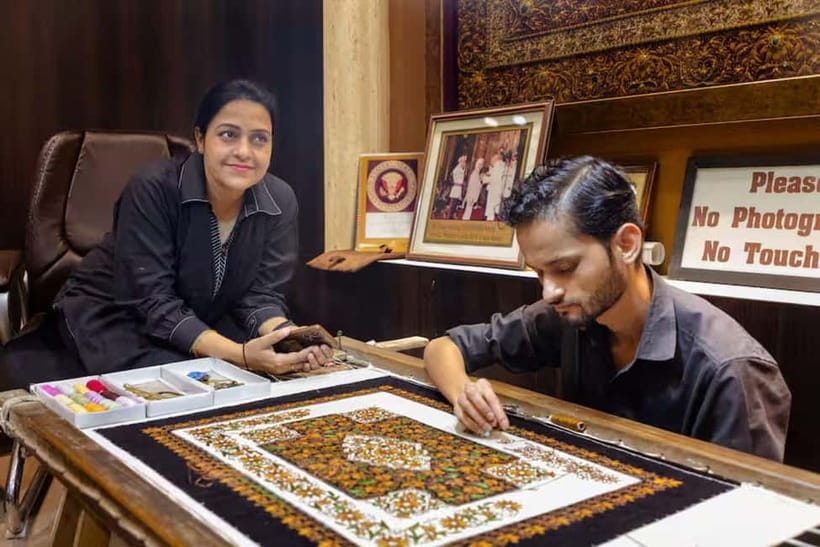
- Real craft demos tied to specific techniques like weaving, block printing, and zari embroidery
- Artisan shopping with direct support for makers and craft centers
- Natural dyeing and step-by-step production concepts (spinning and dyeing through printing and stitching)
- Tailoring on your schedule, with stitching of formal wear and suits aimed for hotel delivery within 4–6 hours
Old Delhi Textile Trail: Where Fabric Knowledge Starts
Delhi’s textile story isn’t locked behind glass. It lives in narrow streets, small storefronts, and workshop rooms where you can actually see materials, tools, and patterns in motion. This tour is built for people who want more than a souvenir sweep.
I like that the pacing is practical. You’ll have a live English guide, private air-conditioned transport, and hotel or airport pickup. That matters in Delhi, where starting on your own can mean wasted time, wrong turns, and getting separated in crowded market corridors.
The tour also makes a point of connecting finished products to the process. Yes, you’ll see scarves, rugs, trims, and embroidered items. But you’ll also hear how they get made: spinning and dyeing, then printing, then stitching and finishing.
You can also read our reviews of more tours and experiences in New Delhi.


Chandni Chowk: Narrow Lanes, Strong Opinions, Real Negotiation
Chandni Chowk is where you feel Delhi’s textile energy in your feet. You’ll spend time in guided browsing that helps you interpret what you’re seeing—what looks similar at first, and what’s actually different in fabric and construction.
This is also where a guide earns their keep. In tight Old Delhi areas, it’s easy to lose sight of your group, especially when traffic mixes with pedestrians. If your guide is RK, you’ll likely notice the focus on keeping you close and moving as a unit, which makes shopping less stressful and more productive.
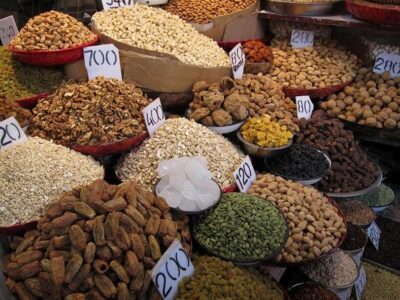
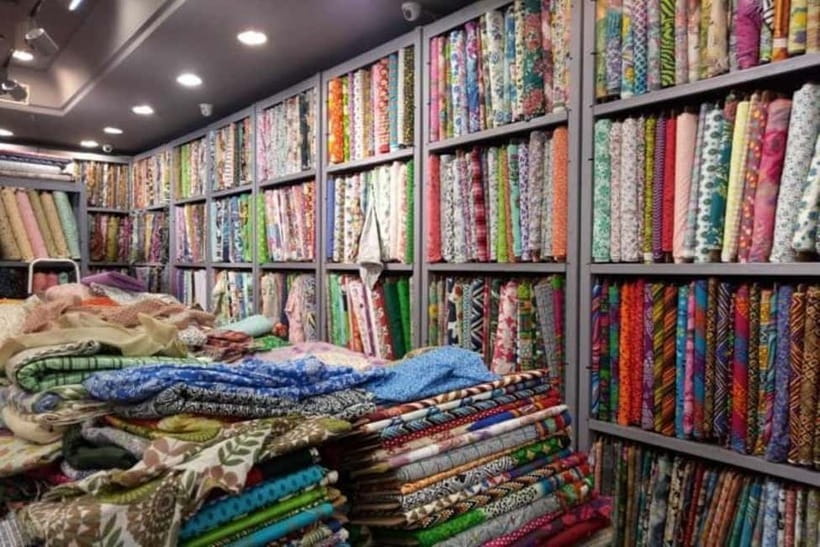
What’s good here is variety without needing a spreadsheet. You can compare raw fabrics and finished goods side by side. You’ll also get oriented to what kinds of textiles are typically sold in the area, so your shopping feels intentional rather than random.
Small practical tips that will help you enjoy Chandni Chowk:
- Wear shoes you can walk in for 1–2 hours without thinking about it.
- Plan to bargain. If you’re unsure, your guide can help you understand what’s reasonable to ask.
- Bring your camera, but remember flash photography isn’t allowed in some craft shops.
Shankar Market and INA Market: From Yard Goods to Fashion Details
After Old Delhi, the shopping vibe shifts. Shankar Market and INA Market are a good bridge between traditional materials and how people wear them today. Expect more focus on fabrics you can recognize fast—cotton, silk, denim-type weaves, and lots of ready-made fashion-adjacent items and trims.
This is where you’ll start seeing the “in-between” pieces that make outfits look finished. Think edging, embroidered details, and fabric blends that change the look and feel of the garment. If you’re planning to tailor something or just want a smarter wardrobe upgrade, this part of the tour helps you learn what to look for before you start spending.
Because your guide stays with you, you can ask questions on the spot. Is a fabric smooth like a particular silk blend or heavier like wool? Does the embroidery have a specific surface pattern? Those details matter when you’re trying to buy with confidence instead of luck.
Also, since private transport is included, you’re not stuck crossing the city in heat or gridlock. That’s a real value point in a 4–8 hour window.
Dilli Haat and Hauz Khas: Craft-Centered Shopping with Design Focus
Dilli Haat is a great contrast to the big market streets. It leans toward craft and maker-focused shopping, where you can slow down and think. You may find textiles presented as part of a broader design culture, not only as goods to resell for profit.
Hauz Khas adds another angle. This stop can feel more style-forward while still keeping craft ingredients in view. You’ll likely see more emphasis on how fabrics are shaped into wearable items and how decorative work shows up in final products.
What you gain from these market stops is perspective. Earlier, you learned to recognize fabric types and construction basics. Here, you can apply that learning to finished pieces—what drapes well, what holds shape, and what decoration technique created that look.
A small note: meals and beverages aren’t included. In past experiences with guides and market time, it’s common to grab something small while you’re out. Just don’t plan your day around full meals being part of the tour cost.
Shahpur Jat: Workshops, Artisan Talk, and How Techniques Work
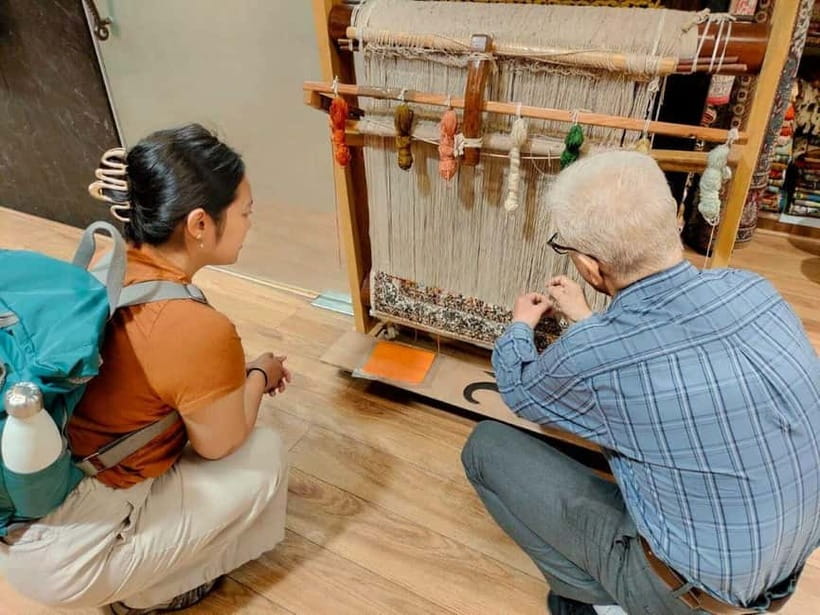
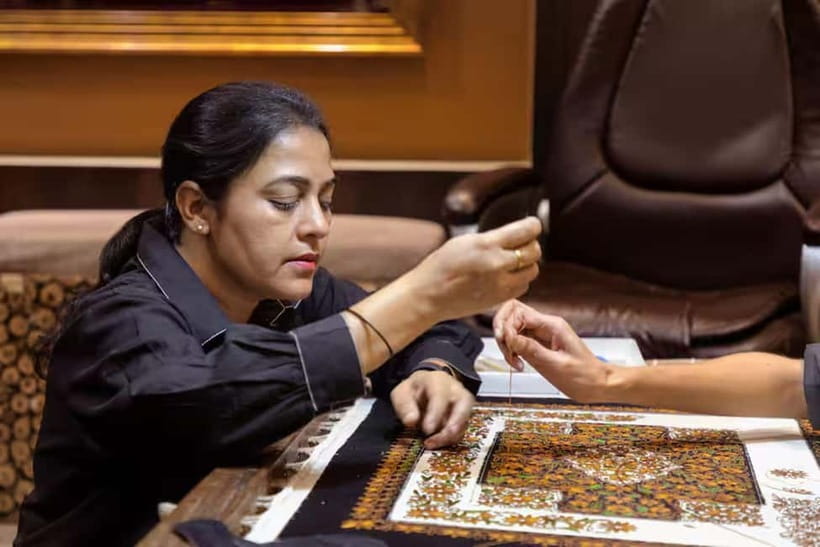
The tour’s most educational section is where you connect product to method. In and around craft areas like Shahpur Jat, you’ll see live demonstrations tied to traditional and evolving textile work.
You should expect demonstrations and explanations related to:
- Rugs and carpet weaving (including how designs and structure get built)
- Pashmina scarf making concepts
- Block printing steps and design transfer
- Handloom weaving ideas
- Zari embroidery and how metallic detailing is applied
- Natural dyeing concepts and how color processes affect the final look
The real value here is the step-by-step storyline your guide will give you. You’ll hear how the work starts at earlier stages—spinning and dyeing—then moves into printing and stitching. Even if you’re not an artisan yourself, this helps you shop smarter because you understand which parts of a textile are labor-heavy and which are more mass-produced.
There’s also an important ethical angle. The tour format includes stops at craft centers and design collectives, including options supported by NGOs and cooperatives that work with rural artisans. That means you’re more likely to buy from the people making the work, not just resellers.
If you get a guide like Shehla, you may notice the friendly, accommodating approach that makes workshop visits easier to follow—especially when the craft details get technical. And if your guide includes help from an associate like Sahil, you might hear extra context about Indian landmarks and history while you move between stops.






Custom Tailoring in 4–6 Hours: A Real Delhi Advantage

One of the most useful parts of this tour is the tailoring option. You can have men’s suit stitching and women’s formal wear customized, with the aim that delivery to your hotel happens within 4–6 hours.
That time window is key. Delhi tailoring can be a long process if you’re not organized, so building it into a tour helps you compress decision-making. You get to see fabrics and trims during the market portion, then you can match your choice to what a tailor can produce quickly.
A few practical thoughts before you order:
- Bring a clear idea of what you want (color, style, and intended use).
- Understand that delivery timing is part of the plan, but wear comfort and fit can depend on your measurements and fabric choice.
- The tour doesn’t include meals, so keep your schedule realistic for trying items and returning for delivery.
This option is especially good if you’re in Delhi for a short stop and you want something specific for a wedding, formal dinner, or a special event.
What the $53 Price Buys You (and What It Doesn’t)
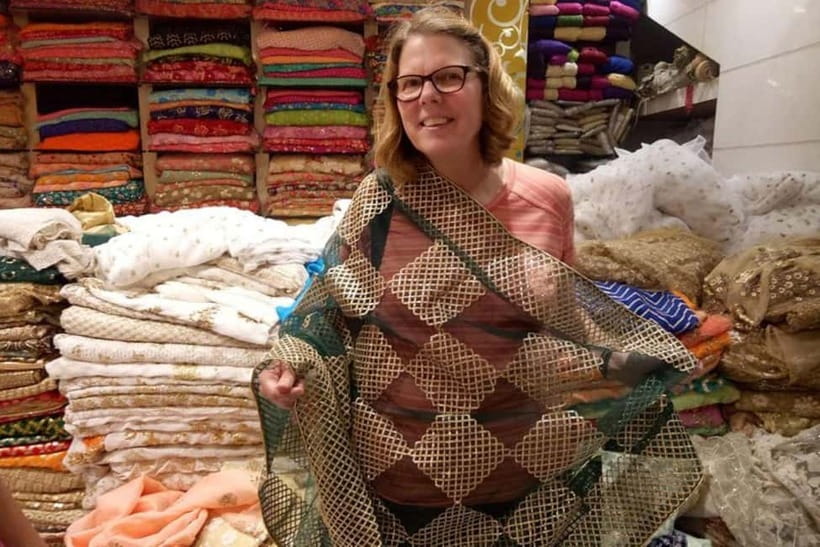
At around $53 per person, the value here comes from two things: transport + guidance through multiple specialized stops. You’re not just paying for access to one market. You’re buying help to connect several markets, plus time with artisans and workshop demonstrations.
Included in the experience:
- Guided textile trail and market visits
- Artisan interactions
- Hotel or airport pickup and drop-off (with multiple pickup zones like Aerocity, Delhi, Faridabad, Noida, and Gurugram)
- Private air-conditioned transport between stops
- Mineral water
- A cycle rickshaw (tuk-tuk) ride cost for visiting Old Delhi markets
Not included:
- Meals and beverages
- Personal shopping expenses
That’s the tradeoff. You’re paying for the learning and logistics, not for what you buy. But that’s also why this tour can work well for your budget: you control the shopping spending, and your guide can help you compare quality across stops so you don’t waste money on the wrong material.
Timing is also built into the price. The tour runs 4–8 hours depending on scheduling and how long you want to spend in shops. The pickup window includes waiting 10 minutes before pickup, so you’ll want to be ready and waiting in the hotel lobby on time.
Shopping Smarter: Raw Fabrics, Trims, and Ethical Choices
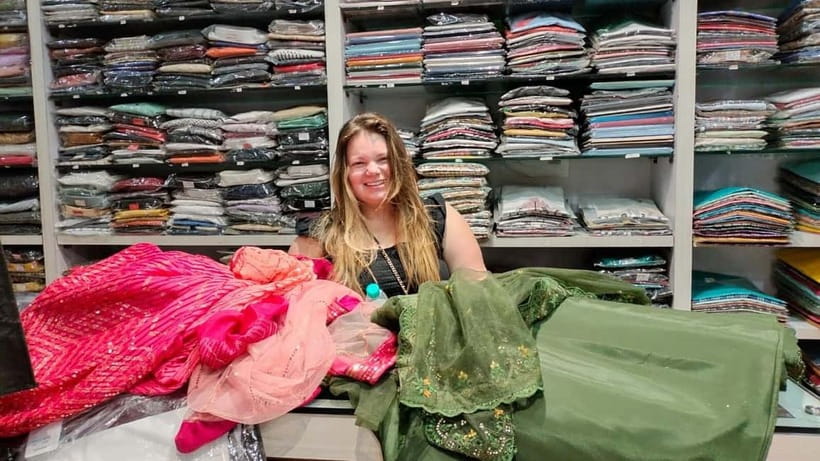
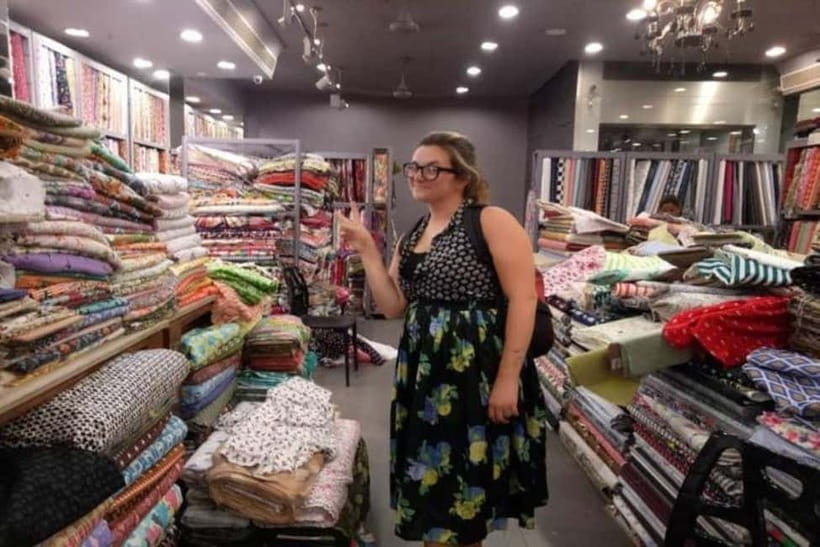
You’ll encounter lots of raw fabrics such as linen, silk, cotton, chiffon, denim, velvet, crepe, georgette, wool, and more. Seeing them in different stores back-to-back helps you understand differences quickly—weight, drape, and how decoration sits on top.
The tour’s ethical shopping approach matters because it nudges you toward maker-based purchases. You’re encouraged to shop directly from artisans and craft centers, which can mean more authentic craftsmanship and more direct support for the people producing the work.
That said, any market shopping can get confusing fast. A practical way to protect your wallet:
- Focus on a short list of what you’re buying (one fabric type, one trim style, one finished item).
- Ask how the work is made when something catches your eye.
- Compare at least two shops before you commit, especially in places like Chandni Chowk where choices can feel endless.
Also, negotiations are normal in these markets. Guides often help you find a fair starting point. Still, keep your expectations realistic: handwork takes time, and good materials cost more.
And if you’re hoping to take photos, remember flash photography isn’t allowed. A lot of craft work looks best in natural light anyway.
Mobility, Weather, and Comfort: Plan Like a Delhi Pro
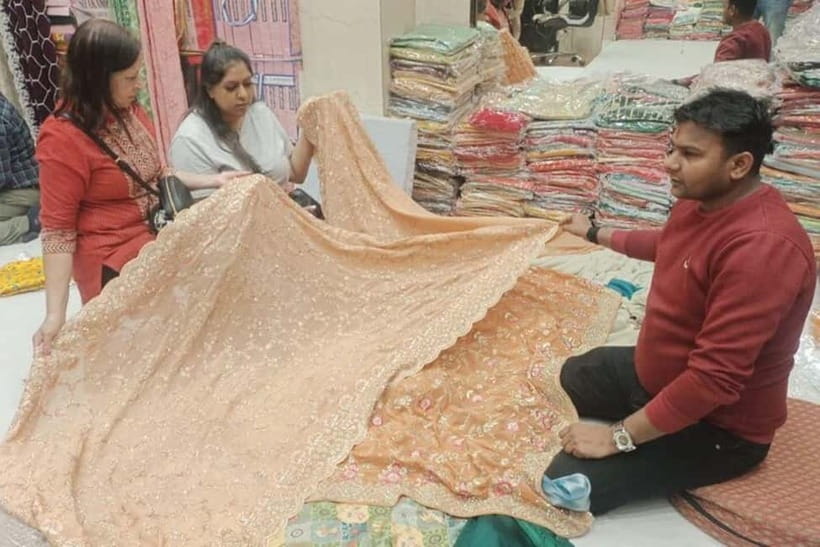
This tour involves walking in markets and shops, including narrow streets. It’s not suitable for wheelchair users, and mobility impairments may make it difficult to keep up with the pace. If you have balance or walking limitations, consider asking your guide ahead of time what adjustments are possible, since a cycle rickshaw-style option has helped other guests in narrow areas.
Weather can shift quickly. If you’re going during monsoon season, plan for rain. You’ll still visit textile businesses, but comfort depends on clothing choices and waterproof footwear.
One more comfort note: bring a camera, but also bring your patience. In Old Delhi areas, you’re mixing pedestrians, vehicles, and dense crowds. This is exactly why having a guide matters.
Should You Book the Delhi Textile Trail Tour?
Book this tour if you want practical textile education, guided market time, and a chance to shop with context. It’s ideal for you if you’re into art and design, you like fabric details, or you’re shopping with a goal—especially if you’re considering tailoring.
Skip it if you need a fully seated experience or you’re traveling with a wheelchair. This route is built around walking and market movement.
If you book, go in with a plan: comfortable shoes, a camera ready, and an open mind about how textiles get made—from spinning and dyeing to printing and stitching. That’s when the tour stops being just shopping and turns into a real Delhi story you’ll remember long after the fabrics are folded in your suitcase.
FAQ
How long is the Delhi Textile Trail Tour?
The tour runs about 4 to 8 hours, depending on timing and how long you spend at each stop.
Where are the pickup locations?
Pickup is available from Aerocity, Delhi, Faridabad, Noida, and Gurugram, with drop-off in Aerocity, Noida, Delhi, Faridabad, and Gurugram.
Do I get an English-speaking guide?
Yes, the tour includes a live guide fluent in English.
Which places are included in the textile trail?
The guided stops include Chandni Chowk, Shankar Market, Dilli Haat, INA Market, Shahpur Jat, New Delhi, and Hauz Khas.
Can I get custom tailoring during the tour?
Yes. The tour includes tailoring options for men’s suits and women’s formal wear, with stitching aimed for hotel delivery within 4 to 6 hours.
Is flash photography allowed?
No. Flash photography is not allowed in the shops during the tour.