REVIEW · NEW DELHI
The Great Indian Food Tour: Old Delhi Food and Heritage Walk
Book on GetYourGuide →Operated by The Lost Compass · Bookable on GetYourGuide
Old Delhi has a way of turning food into a map. This 5-hour food and heritage walk is built around Chandni Chowk-area lanes, markets, and stories, with you eating your way through it rather than stopping for big monuments. It’s chaotic in the good way, and it comes with an English local guide who helps you make sense of what you’re seeing.
Two things I love: the sheer amount of food—think 11–14 tastings with plenty of refills—and the fact that the tour is story-led, not just a snack hop. You learn why dishes exist, how markets work, and what people actually buy and eat day to day.
One consideration: this is a lot of walking through crowds and narrow lanes. If you expect sightseeing-from-a-bus comfort, you’ll be disappointed.
In This Review
- Key takeaways before you go
- Old Delhi, minus the usual tourist trap
- Getting there at Gate 7 Rajiv Chowk (and not losing time)
- The walking plan: markets first, monuments last
- Chandni Chowk and the rickshaw reset
- Wedding-dress alleys and market specialties you’ll remember
- Spice market energy and how to handle the sensory load
- Your food lineup: 11–14 tastings, plus chai and water refills
- If you care about spice level
- Veg, non-veg, and dietary needs: what you can actually choose
- What “no shopping policy” really means for your time
- Pace and comfort: you need good shoes
- Value check: is $43 a fair deal for 5 hours?
- Who should book this tour?
- Guides make the difference (and this tour has strong ones)
- Should you book the Great Indian Food Tour?
- FAQ
- FAQ
- What should I bring for the Old Delhi food and heritage walk?
- Is hotel pick-up or drop-off included?
- Does the tour include shopping?
- What food and drinks are included?
- Can I choose vegetarian or non-vegetarian options?
- Where is the meeting point in Rajiv Chowk?
Key takeaways before you go
- 11–14 food stops with unlimited refills: plan your hunger like it’s part of the itinerary
- Food + heritage focus (no typical monument circuit): you spend time with markets and stories instead of photo stops
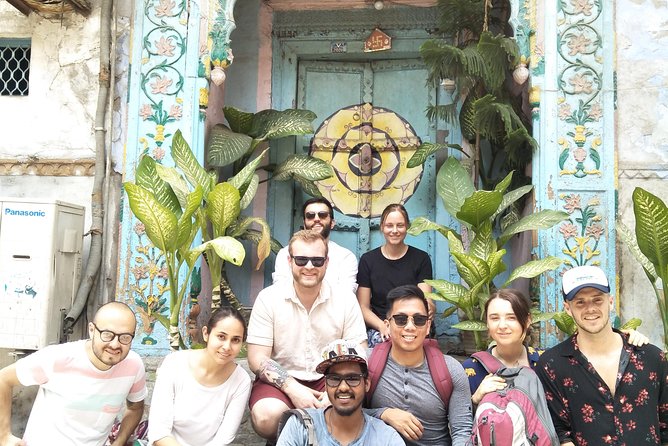
- Small group of up to 10: you move faster, ask questions easier, and get more attention
- Chandni Chowk includes a short rickshaw ride: it breaks up the walking without turning it into a rides-only tour
- Veg and non-veg options, including pure veg: you can choose your style, including vegan tours on certain departures
- No shopping policy: you’re not dragged into sales stops you didn’t plan to visit
Old Delhi, minus the usual tourist trap
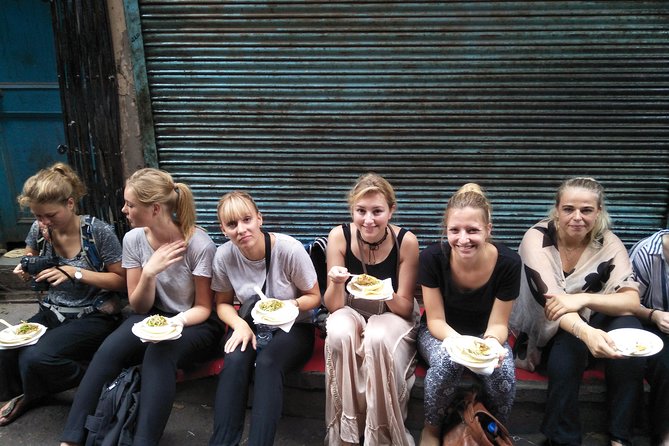
Old Delhi can feel like a maze even on your best day. What makes this walk work is the focus: you’re not trying to “cover” the neighborhood with generic landmarks. Instead, you’re guided through the streets that actually shape daily life—especially the food culture and the market trades that surround it.
I like that the tour is upfront about what you’re signing up for: food, stories, and markets. That means you’re spending your time where locals linger, argue over spice levels, and line up for snacks. You’ll get the sense that the neighborhood isn’t a museum. It’s a living system.
And because the group stays small (up to 10), you’re not stuck watching from the back while everyone else eats and asks questions. You’re part of it—close enough to ask what something is, and close enough to notice details that you’d otherwise miss.
You can also read our reviews of more walking tours in New Delhi


Getting there at Gate 7 Rajiv Chowk (and not losing time)
The meeting point is practical: Gate no 7, Rajiv Chowk Metro Station, opposite the Uniqlo store. You can stand outside the metro gate or outside Uniqlo. That kind of clarity matters because Old Delhi tours live or die by timing. If you arrive late, you’ll feel it immediately in crowds and pacing.
Your guide will be easy to spot, carrying the company bag with the logo. The tour is in English, and it runs for about 5 hours, so you’ll want to arrive with enough buffer to settle in, especially if you’re coming from another part of the city on your own.
If you hate complicated logistics on vacation, this is a good sign. The meeting is simple, and the rest of the “how” is handled for you.
The walking plan: markets first, monuments last
Most of the route is on foot. You’ll be moving through narrow lanes and market streets where everything looks close together and smells like food. The tour does include a small rickshaw ride, but it’s just a break—not a replacement for the experience.
Here’s why this matters: the best parts of Old Delhi are sensory, not scenic. When you walk, you notice the rhythms—how vendors set up, how people choose snacks, and how trades cluster (spices near spice sellers, wedding-related items near wedding-focused areas). A vehicle can be efficient. But it also flattens the neighborhood.
Also, this tour explicitly avoids typical monument stops. That’s a big deal if you’ve already seen Delhi’s “big names” elsewhere. If your time is short, this is how you get a different kind of Delhi—one built on food culture and daily heritage instead of history presented from behind ropes.
Chandni Chowk and the rickshaw reset
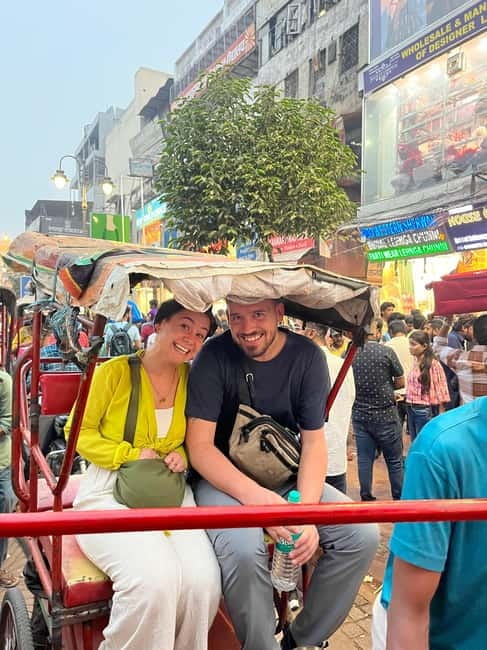
A highlight is the Chandni Chowk area, including a rickshaw ride. Even if you’ve used rickshaws before, this one is useful because it resets you mentally in the middle of dense market walking. You get a moving view without losing the thread of the tour.
Chandni Chowk is also where the tour’s “chaos with control” concept really shows up. The streets can feel overwhelming when you’re alone. With a guide, you’re able to follow the logic: where you’re going and why, what you should look for in stalls, and how the neighborhood’s trade history ties into what you’re eating.
If you want Old Delhi to feel navigable, the rickshaw segment is part of that. It gives your legs a breather and your brain a new angle.
Wedding-dress alleys and market specialties you’ll remember
One of the tour’s more surprising stops is the biggest wedding dress market area. This isn’t about buying fabric. It’s about seeing how Old Delhi organizes its world around life events, and how a market becomes an identity.
You also pass through other market lanes tied to specialties such as spices and local trades. You don’t just get generic “shopping district” vibes. You get context: what sellers do, how customers come in, and how the neighborhood’s trades shape the everyday economy.
I found this kind of market storytelling especially helpful because it turns what could be random sightseeing into a coherent experience. When you understand the purpose of a street, it stops feeling like a blur.
You can also read our reviews of more food & drink experiences in New Delhi




Spice market energy and how to handle the sensory load
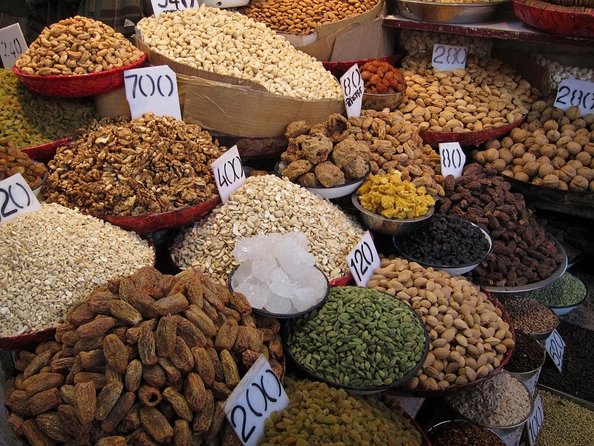
The tour includes Asia’s largest spice market area. That’s a big statement, and even if you’ve seen spice before, Old Delhi’s scale hits differently. Spices here are not background flavor. They’re the main event.
What you’ll want to do is manage your pace mentally. The smells can be intense. The crowd can be intense. The food stops come in a steady rhythm after you’ve walked through enough market chaos to feel the contrast.
Practical tip: don’t try to “power through” the tour like you’re speed-running snacks. Let the guide’s timing guide you. The tour’s structure is built around keeping you engaged for almost 5 hours, not just collecting items on a list.
And because you’ll have water bottles and chai included, you’re not stuck guessing how to stay comfortable while the senses turn up.
Your food lineup: 11–14 tastings, plus chai and water refills
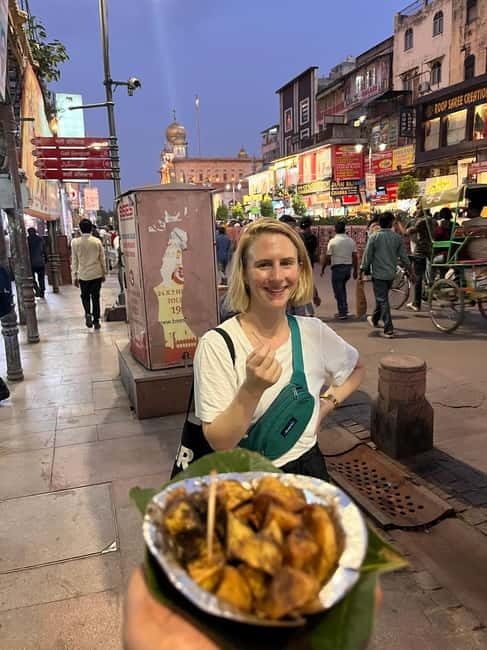
This is a food tour, plain and simple. You’ll try 11 to 14 different food items, with unlimited supplies of food and water during the walk. That’s why the tour tells you not to eat before you go.
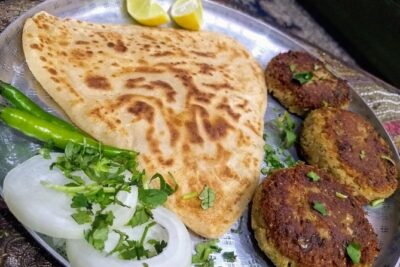
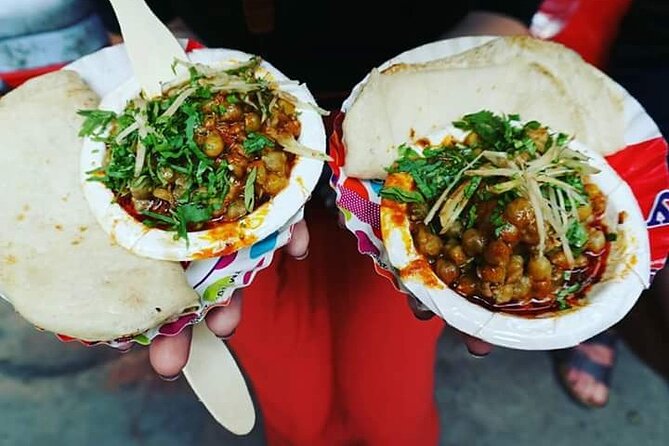
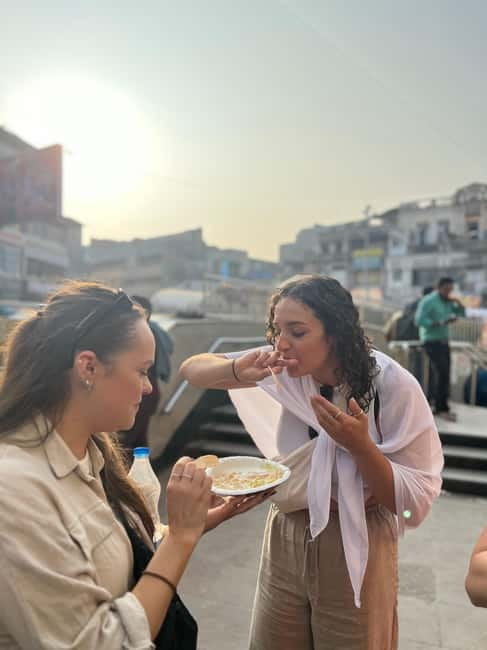
You can also expect a mix of sweet and savory items. People often mention tasting things like samosa, kachori, lassi, and desserts such as mango kulfi, plus classic street snacks and meal-style items like thali. Non-veg choices can include items like butter chicken, depending on what’s being served that day.
One more detail that I think matters: you’re not treated like a passive eater. You get descriptions and context as you go. That makes a difference with Indian food because dishes can seem similar at first glance, but the ingredients and history aren’t the same.
If you care about spice level
The tour includes guidance on spiciness, and the guide can adjust based on what you can handle. That’s huge if you’ve had trouble with very hot food in the past.
Veg, non-veg, and dietary needs: what you can actually choose
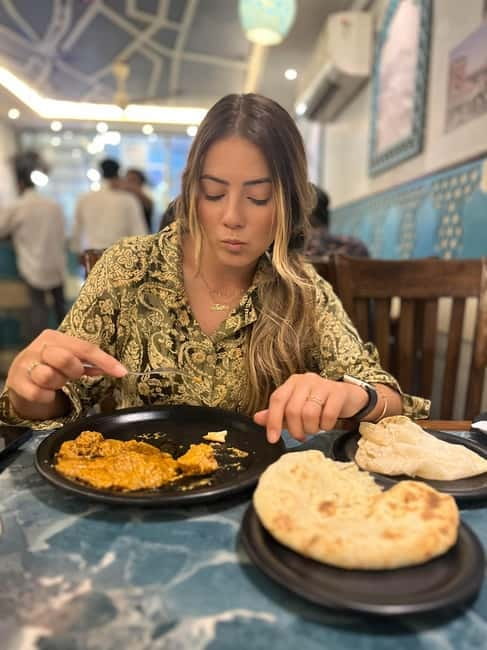
The tour offers both veg and non-veg, and you can opt for pure veg. There are also vegan-focused departures, depending on the day and schedule. That flexibility is a real value-add. You shouldn’t have to settle for a watered-down version of the experience.
If you have a dietary restriction, the tour may be able to adapt. One guest shared that wheat-related options were handled by asking for alternatives like avoiding wheat flour. I can’t promise every adjustment will work the same way every day, but I’d treat this as a good sign: tell your guide what you need, early and clearly, and you’ll be in a better position.
What “no shopping policy” really means for your time
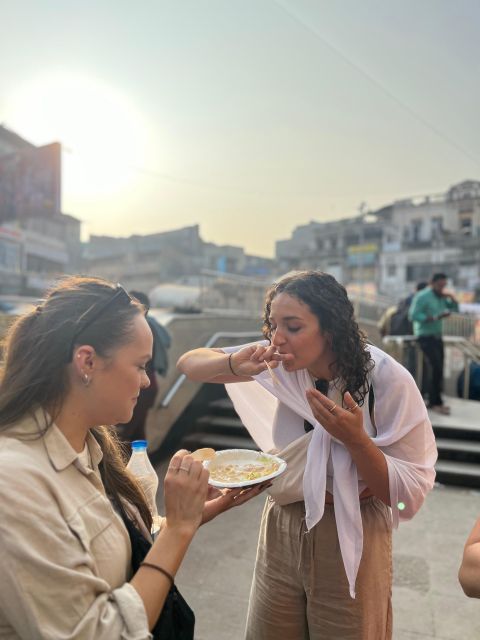
This is one of the best parts for me. A lot of food tours get infected by random shopping stops. This tour keeps a no shopping policy, so you can stay focused on eating and learning instead of getting steered into buying things.
That also keeps the pacing honest. If the route includes markets, it’s because you’re walking through them to understand them, not because you’re supposed to browse a store catalogue.
Pace and comfort: you need good shoes
The tour is mainly walking with a few short rides. That means your comfort depends on your footwear.
Bring comfortable shoes. If your plan is to wear cute but restrictive sandals, I’d rethink it. Old Delhi lanes can be uneven, crowded, and full of stop-and-go moments where you’ll want traction.
Also, come with an appetite mindset. If you show up lightly hungry, you’ll still have a good time. But if you follow the advice and arrive with an empty stomach, you’ll enjoy the full experience instead of feeling like you’re negotiating with your lunch halfway through.
Value check: is $43 a fair deal for 5 hours?
At $43 per person for around 5 hours, the value comes from what’s included, not just the price tag. You get:
- 11–14 food items
- water bottles
- chai and other drinks
- rickshaw rides (small segments)
- an English local guide
If you were doing this on your own, you’d likely spend a similar amount—or more—just feeding yourself across multiple street stops, plus add transport costs and the time required to figure out where to go safely and intelligently. Here, the guide handles selection and pacing.
The small group size (up to 10) also supports the value. You’re not stuck in a huge group where everyone eats at different speeds and nobody gets answers.
Who should book this tour?
You’ll likely love it if you:
- want Old Delhi culture through food, not through monument photos
- enjoy market walking and people-watching
- prefer a small group format
- can handle spice and crowds with a sense of humor
You might reconsider if you:
- hate walking in dense areas
- want a slower, sit-down sightseeing pace
- are looking for a shopping-focused tour (this one avoids that)
Guides make the difference (and this tour has strong ones)
A big reason people rate this tour so highly is the guides. Names you may see include Sonali, Dolly, Parul, Raghu, and Dolly again on different departures. What comes through is a consistent style: friendly hosting, lots of Q&A, and real explanations about what you’re eating and seeing.
Some guides even encourage questions instead of reading a script. That’s important in a place like Old Delhi, where the best experience often comes from noticing a detail and asking what it is.
Should you book the Great Indian Food Tour?
If you’re in Delhi for a short window and you want your experience to feel real, I’d book this. It’s one of the simplest ways to get an education in Indian food culture without turning your day into a checklist.
The decision mostly comes down to your comfort with walking through market crowds and your willingness to eat a lot. If you can do that, you’re in for a memorable 5-hour stretch of food, stories, and street-level Delhi.
FAQ
FAQ
What should I bring for the Old Delhi food and heritage walk?
Wear comfortable shoes. You’ll be walking most of the time and moving through crowded lanes.
Is hotel pick-up or drop-off included?
No. Hotel pick up and drop off are not included.
Does the tour include shopping?
No. The tour follows a no shopping policy, so you won’t be taken into random shopping stops.
What food and drinks are included?
You’ll receive all the food, plus water bottles and chai and other drinks.
Can I choose vegetarian or non-vegetarian options?
Yes. The tour covers veg and non-veg, and you can opt for pure veg or mixed cuisine.
Where is the meeting point in Rajiv Chowk?
Meet at Gate no 7, Rajiv Chowk Metro Station, opposite Uniqlo. You can stand outside the metro gate or outside the Uniqlo store.