REVIEW · NEW DELHI
From Delhi: 3-Days Golden Triangle with Fatehpur Sikri
Book on GetYourGuide →Operated by Sameday Taj Mahal · Bookable on GetYourGuide
Three ancient cities in one tight, smart route. This Delhi-to-Agra-to-Jaipur trip puts you at Taj Mahal sunrise and then sends you into the abandoned Mughal world of Fatehpur Sikri with a local guide who makes the stones easier to read. It’s the kind of plan that cuts down on backtracking, while still getting you the biggest wow moments.
One watch-out: lodging is twin-sharing, and if you book as three people, it’s triple-sharing by default unless you pay to split into two rooms. That’s not a deal-breaker, but it’s worth thinking through before you book.
In This Review
- Key Points That Make This Tour Worth Your Time
- Golden Triangle Basics: The Value of One Private Route
- Day 1 in Delhi: Qutub Minar, Humayun’s Tomb, Jama Masjid, and India Gate
- Agra Overnight: The Real Reason You Don’t Waste Morning Light
- Day 2 Early Taj Mahal, Agra Fort, and Fatehpur Sikri’s Main Sights
- Buland Darwaza and the Mughal Architecture You Can Actually Follow
- Chand Baori and Abhaneri: The Stepwell Stop That Changes the Mood
- Jaipur Day 3: Amber Fort, Panna Meena ka Kund, and City Palace
- Hawa Mahal and Jaipur Bazaars: Finish with the Street-Level Side
- Guides, Tickets, and Skip-the-Line: Less Waiting, More Seeing
- Price and Logistics: What You Pay for at $65
- Who Should Book This Golden Triangle Plan
- Should You Book This 3-Day Golden Triangle with Fatehpur Sikri?
- FAQ
- What is included in the tour price?
- Are monument entrance tickets included?
- Do I need to book accommodation through this tour?
- What language are the guides?
- How do you handle ticket lines at major monuments?
- How is the transportation handled between cities?
- Where will I be picked up from?
- What are the room arrangements like?
- Can I change which monuments are included?
- What are the cancellation and payment options?
Key Points That Make This Tour Worth Your Time
- Taj Mahal at sunrise: You start early so the day begins with one of the world’s most famous sights
- Fatehpur Sikri with a live guide: You get help understanding Buland Darwaza, Diwan-i-Khas, and Salim Chishti’s tomb
- Skip-the-line access: A separate entrance helps you avoid long queues when possible
- Chand Baori stop in Abhaneri: One visit to this stepwell can stick in your memory for years
- Private air-conditioned car with hotel pick-up: Less hassle moving between Delhi, Agra, and Jaipur
- English and Spanish guidance: You can travel with support in either language
Golden Triangle Basics: The Value of One Private Route
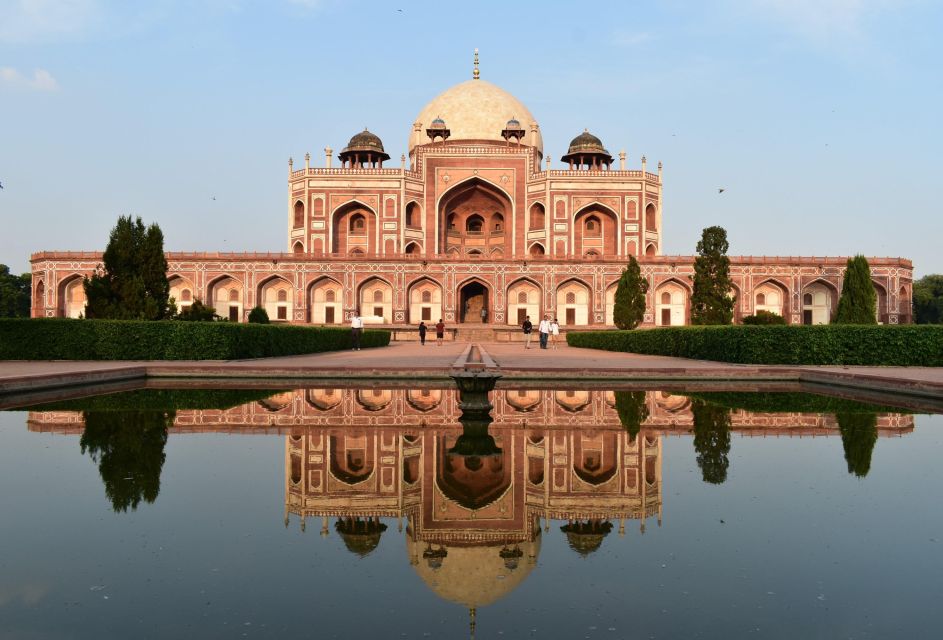
This is a classic Golden Triangle loop, but the practical advantage is the single coordinated route. You’re moving between Delhi, Agra, Fatehpur Sikri, and Jaipur with a private air-conditioned car and pick-up/drop-off from your hotel (or airport). That matters because the time cost in India is real: trains, taxis, and ticket lines add up fast when you’re trying to see a lot.
What you get for a listed price of about $65 per person depends on what you select. The tour includes a private car, local guides, bottled water, taxes, parking, and service charges. Entrance fees and accommodation are included only if you choose the option for them, so double-check what’s bundled for your booking. Either way, paying less out of pocket can happen when you confirm what your package includes before you travel.
You can also read our reviews of more tours and experiences in New Delhi.



Day 1 in Delhi: Qutub Minar, Humayun’s Tomb, Jama Masjid, and India Gate
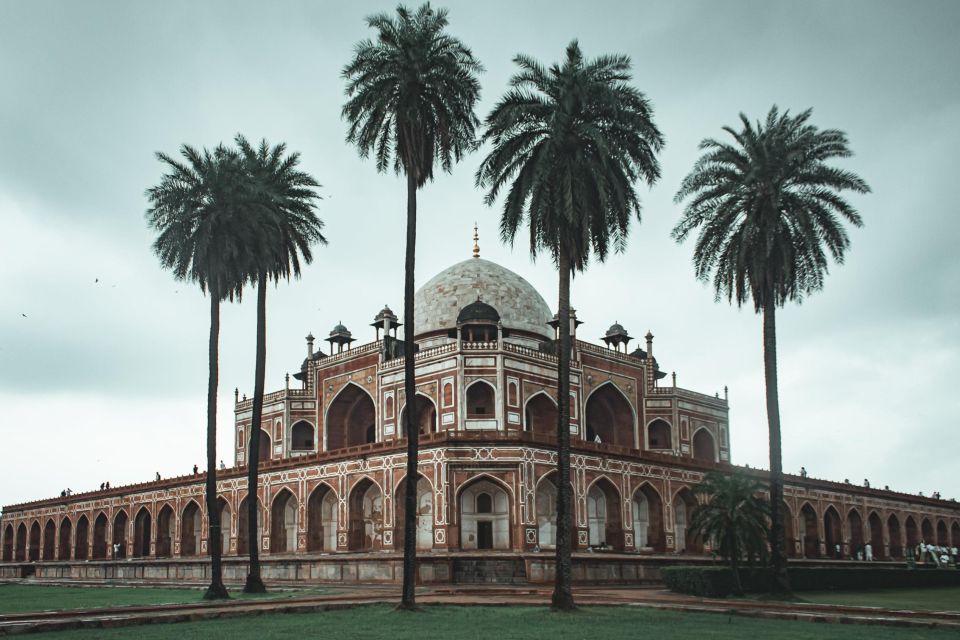
Your first day is built like a greatest-hits tape for Delhi’s Mughal and imperial-era landmarks, with enough stops to get a feel for how layered the city is without turning it into a sprint.
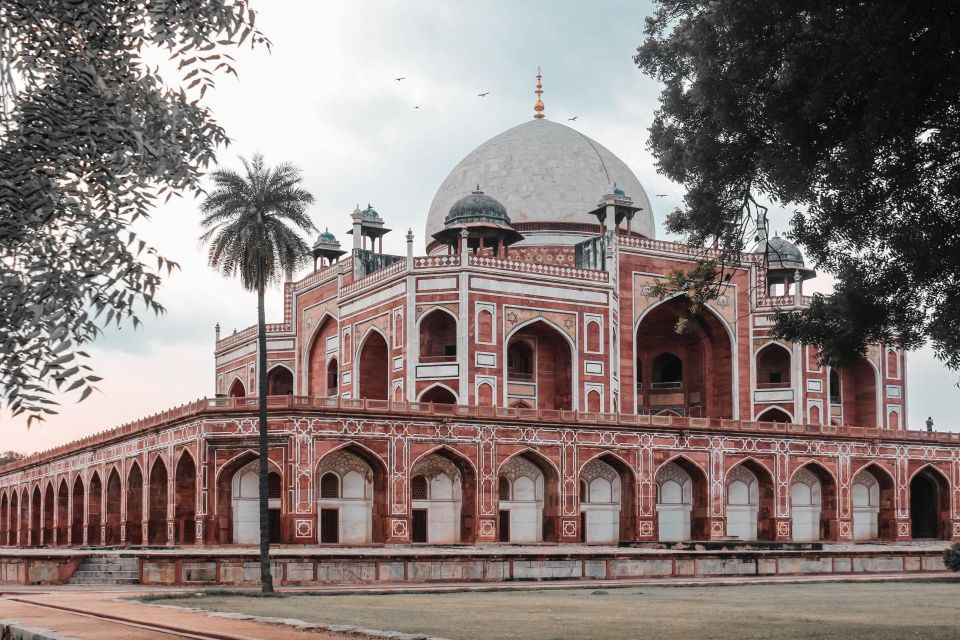
You start with Qutub Minar, one of the city’s signature monuments, and then move through other major sights such as Humayun’s Tomb and the Lotus Temple area. The pacing is important: these are not quick drive-bys; you’re meant to spend time on-site, not just pass by the city from the back seat.
Later, you’ll hit the grand public spaces that help Delhi feel like a living capital. That includes India Gate and Jama Masjid, one of the best-known mosques in the city. You also get a drive-past of Rashtrapati Bhavan and photo time at the Red Fort exterior. Even the exterior stop is useful because it frames what you’ll see later in Agra.
If you have time, Akshardham Temple may be added. It’s one more location that changes the mood of the trip, especially if you like seeing modern Indian monument scale alongside the older UNESCO-era sites.
You end the day in Agra so you’re not burning daylight traveling on the morning you want to see the Taj Mahal.
Agra Overnight: The Real Reason You Don’t Waste Morning Light
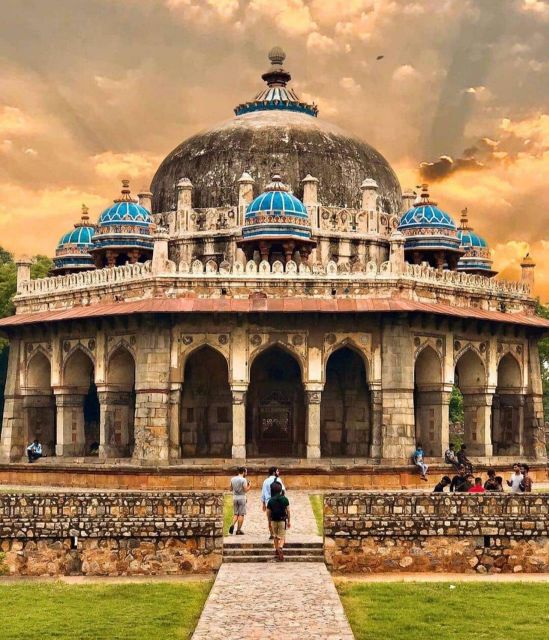
Agra is where your trip shifts from exploring capitals to focusing on Mughal masterpieces. Staying overnight here is not a small detail. It’s what makes the next day’s Taj Mahal sunrise plan realistic without turning your early hours into a travel marathon.
Practically, it also makes the Taj visit feel like the centerpiece. Instead of squeezing it in at the end of the day, you wake up with the intention set: morning light, fewer rushed moments, and a calmer start.
Day 2 Early Taj Mahal, Agra Fort, and Fatehpur Sikri’s Main Sights
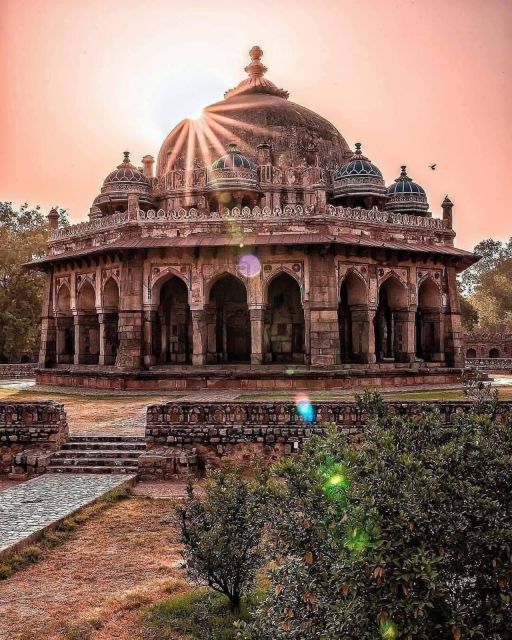
The day starts with sunrise at the Taj Mahal, which is the headline for a reason. The Taj is stunning in photos, yes, but it’s also a monument that rewards understanding. With a live local guide (English or Spanish), you’ll get context on what you’re looking at as you move through the experience.
After the Taj, you go to Agra Fort, a UNESCO World Heritage Site. This is a big shift from one iconic marble symbol to the larger defensive, political world of the Mughal court. If you like architecture that shows power in stone, Agra Fort adds a lot.
Then the route turns west toward Jaipur, but with a major detour: Fatehpur Sikri, the abandoned Mughal capital often called a ghost city. This part is one of the best reasons to choose a guided tour rather than wandering on your own. You’ll visit Buland Darwaza, the Diwan-i-Khas, and the Tomb of Salim Chishti. Each stop is tied to the Mughal story, so a guide helps you connect the dots instead of just collecting sights.
A small but smart advantage here: the tour is set up so you’re not just moving from one location to another. You’re stopping long enough to make the sites feel meaningful.
Buland Darwaza and the Mughal Architecture You Can Actually Follow
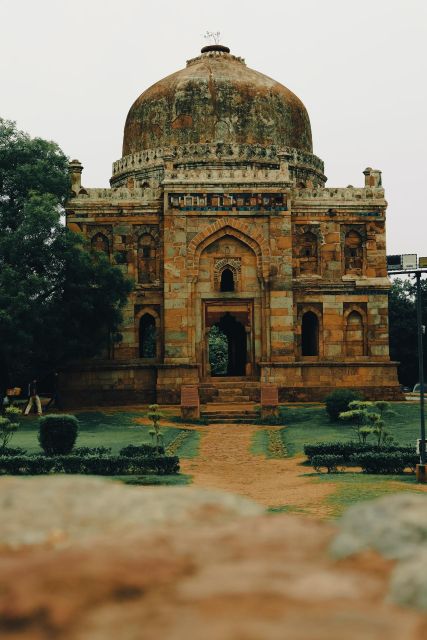
Fatehpur Sikri is the kind of place where it can be easy to feel lost if you don’t know what each structure is for. That’s why the guide part matters.
When you reach Buland Darwaza, you’re not simply seeing a big gateway. You’re seeing a statement made in stone—scale used to signal importance. At the Diwan-i-Khas, the setting helps you understand how space was shaped for court life. And at Salim Chishti’s tomb, the mood changes again, because this is a spiritual anchor as well as a historical landmark.
Guides you might encounter include people like Ali or GG, who are known for connecting site details to wider Indian history and answering follow-up questions. If you like asking why something was built the way it was, this style of guiding can make a real difference.






Chand Baori and Abhaneri: The Stepwell Stop That Changes the Mood
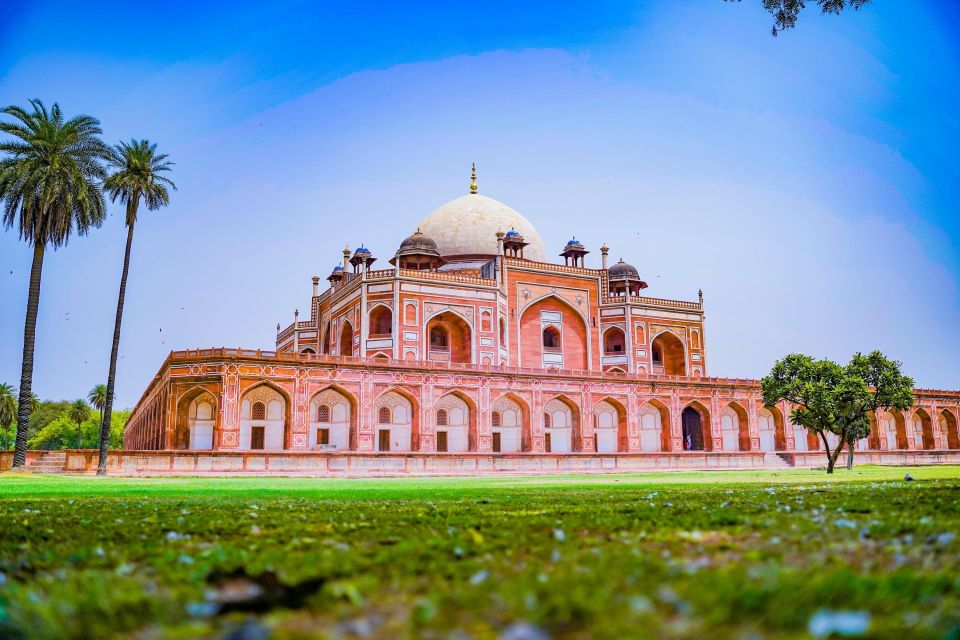
After Fatehpur Sikri, you head to Abhaneri for Chand Baori, one of India’s most intricate stepwells. This is not the kind of sight everyone expects on a Golden Triangle route, which is exactly why it works.
A stepwell is more than a hole in the ground. It’s an engineering solution tied to water storage, community life, and architectural design. Chand Baori’s depth and pattern are the main draw, and the stop gives you a breather from the big monument cycles of Delhi and Agra.
You’ll also get a view of a different side of India outside the usual marble-and-fort track. Even if you only spend a limited time here, the stepwell can provide a memorable contrast.
Jaipur Day 3: Amber Fort, Panna Meena ka Kund, and City Palace
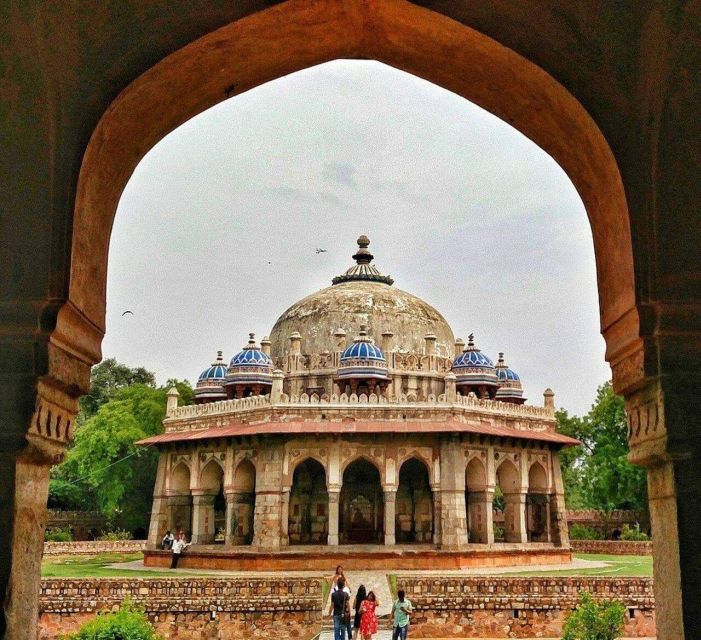
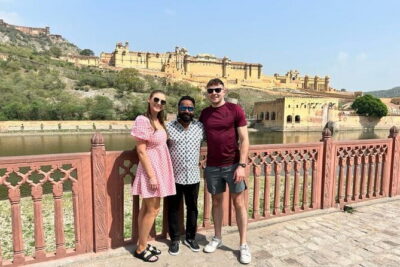
The final day shifts you into Jaipur’s royal visual language. You start with Amber Fort, a must when you’re in this region. Fort architecture is heavy on detail—courtyards, defensive lines, and palace-like spaces—so it rewards a slower pace than you might expect.
Then you stop at Panna Meena ka Kund, a stepwell. Yes, another stepwell—but this one helps balance the day. It’s a different look and feel from Chand Baori, so it doesn’t feel like repetition. You’re getting a sense of how water structures and architecture show up across different regions.
After that, you’ll make a photo stop at Jal Mahal. You don’t need long hours here to enjoy the image, and it works as a calm pause before the bigger indoor-and-courtyard stops.
Then it’s City Palace and Jantar Mantar. City Palace gives you royal residence scale, while Jantar Mantar connects to astronomy and the way old science was built into public spaces. If you like historical objects that have a function you can understand, these stops are a strong pairing.
Hawa Mahal and Jaipur Bazaars: Finish with the Street-Level Side
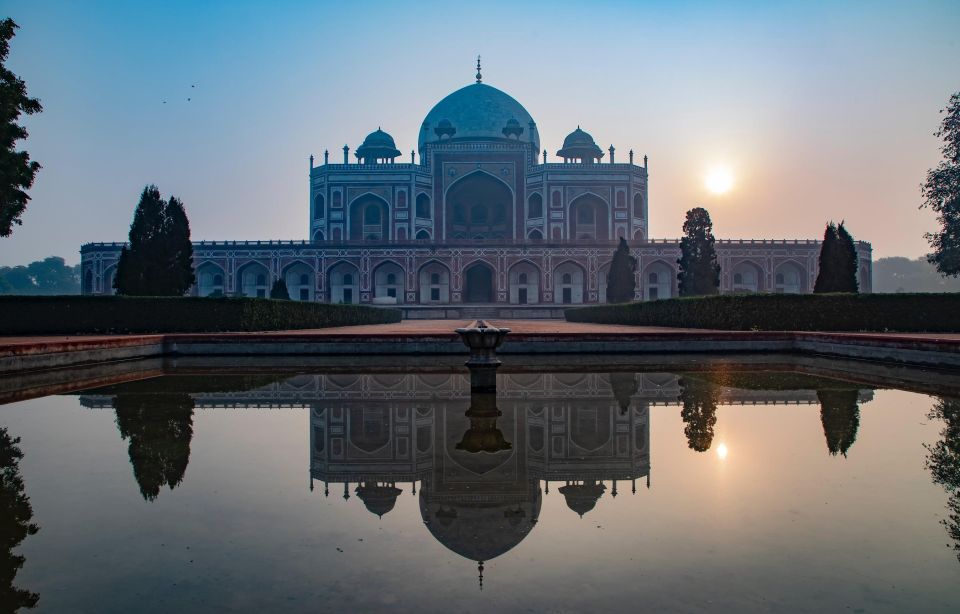
You’ll also see Hawa Mahal, the famous honeycomb facade that looks like a lace screen of pink stone. It’s one of those structures where the shape matters as much as the location, and it’s a perfect photo moment before you spend time with Jaipur’s everyday energy.
Shopping time in Jaipur’s colorful bazaars is included. This is where you get to decide what kind of trip you want the last day to be: you can keep it simple with small souvenirs, or you can take your time browsing and bargaining. Just remember that “time to shop” is still time—you’ll want to choose earlier rather than leaving decisions to the final minutes.
Guides, Tickets, and Skip-the-Line: Less Waiting, More Seeing
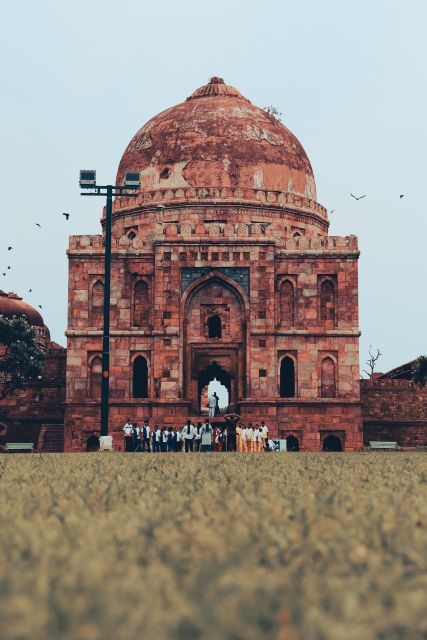
This tour is built around the idea that you shouldn’t lose your day to queues. You’ll get skip-the-line access through a separate entrance, and the guides can help you with entrance ticket purchasing to help reduce waiting time.
The guide quality is repeatedly highlighted. You might meet guides such as Satyam, Azhar, Ali, or GG. The big pattern is that they explain history in a way that makes the monuments easier to understand, and they’re willing to answer questions. If your travel style is curiosity-first, that’s a plus.
Language support is also practical. You can travel with guides in English or Spanish. One detail I like from the guide approach is that Spanish support can be valuable for families—helping older relatives keep up—rather than forcing everyone into one language.
One caution to keep in mind: one person noted a guide arrived late and another mentioned poor personal hygiene habits like coughing or burping without covering. That’s not something you can fully predict, but it’s a reminder to pay attention to basic professionalism. If something feels off, it’s reasonable to ask for clarity or request a new approach in the moment.
Price and Logistics: What You Pay for at $65
At around $65 per person for 3 days, this tour can be great value, mainly because so many costs are baked in: private air-conditioned car, local guides, bottled water, plus all taxes, parking, and service charges. That’s the part you feel right away when you compare it to piecing together transport and guides yourself.
What might change your total out-of-pocket cost is whether you selected monument entrance tickets and accommodation. If you didn’t, you’ll still get the guided routing and car, but you’ll likely pay entrance fees separately (unless entrance fees were chosen in your package). Personal expenses aren’t included, so budget for meals beyond what may be arranged on your own.
Room sharing is another value factor. The default is twin-sharing, and for a party of three it becomes triple-sharing unless you choose two rooms with an extra charge. If comfort matters for your group, plan this early.
Who Should Book This Golden Triangle Plan
This trip fits well if you want a lot of major sights without turning your days into logistical puzzles. It’s especially good if you:
- like a clear structure for seeing Delhi, Agra, and Jaipur
- want guided context while you tour major monuments
- prefer hotel pick-up and a private car over figuring out transport each day
- care about timely Taj Mahal access via sunrise
If you’re the type who enjoys museums but hates standing in line, the skip-the-line approach and ticket assistance are meaningful.
If you’re traveling as a group of three, think carefully about the room setup, since it’s the one practical detail that can quietly affect your comfort.
Should You Book This 3-Day Golden Triangle with Fatehpur Sikri?
I’d book it if your priorities are Taj Mahal sunrise, guided interpretation at Fatehpur Sikri, and a smooth private route through Delhi–Agra–Jaipur. It’s a smart use of time for first-timers who want the big monuments plus at least one memorable curveball like Chand Baori.
Before you commit, do two quick checks:
1) confirm whether entrances and accommodation are included in your exact package, since that changes the real value of the price
2) if you’re traveling as three people, decide whether the default triple-sharing works for you or if you’ll pay for two rooms
If those fit your style, this is an efficient, well-paced way to experience the Golden Triangle without turning the trip into a full-time planning job.
FAQ
What is included in the tour price?
The tour includes hotel or airport pick-up and drop-off, sightseeing by a private air-conditioned car, private tour guides, bottled mineral water, and all taxes, parking, and service charges.
Are monument entrance tickets included?
Monument entrance tickets are included only if you choose the option for monument entrance during booking.
Do I need to book accommodation through this tour?
Accommodation is included only if you select the accommodation option. If you book without hotels, you still get pick-up and drop-off at your own accommodations.
What language are the guides?
The live tour guide is available in English and Spanish.
How do you handle ticket lines at major monuments?
Guides assist with purchasing entrance tickets to help you avoid queues. The tour also offers skip-the-line access through a separate entrance.
How is the transportation handled between cities?
You’ll use a sightseeing vehicle by private air-conditioned car for travel and sightseeing across Delhi, Agra, Fatehpur Sikri, and Jaipur.
Where will I be picked up from?
Pick-up is included from your desired location, such as your hotel or the airport, depending on what you provide at booking.
What are the room arrangements like?
Rooms are provided on a twin-sharing basis. For a booking of three people, a triple-sharing room is allocated by default. If three guests prefer two rooms, an additional charge applies.
Can I change which monuments are included?
Yes. If you want to add, remove, or change monuments in the itinerary, let the provider know and they will try to accommodate your preferences.
What are the cancellation and payment options?
You can cancel up to 24 hours in advance for a full refund, and there’s a reserve now & pay later option where you can book and pay nothing today.