REVIEW · NEW DELHI
From Delhi: 4-Day Private Golden Triangle Tour India
Book on GetYourGuide →Operated by Travel Creators Of India · Bookable on GetYourGuide
Delhi to Jaipur in four days sounds intense—until you see how well it’s paced. What makes this Golden Triangle tour feel smart is the mix of famous sights and the hands-on logistics: a private car with a driver, plus a private guide at every stop, so you’re not hunting for context while the clock ticks. I also like the way the route swaps in major alternatives when a site is closed, instead of leaving you stuck.
Two things I’d put at the top: the daylight Taj Mahal visit (with a battery bus to and from the area), and the guided storytelling that brings Mughal and Rajput history into focus. In the best guide feedback I saw, Saif and driver Hari were praised for clear explanations and timing—exactly what you want when you’re visiting big monuments back-to-back. One thing to keep in mind: entrance fees and meals aren’t included, and some monuments don’t accept cards, so you’ll want cash ready in INR.
In This Review
- Key Highlights Worth Booking For
- Why This 4-Day Golden Triangle Feels Efficient (Not Rushed)
- Day 1: Agra and the Taj Mahal in Daylight (With a Battery Bus Buffer)
- Taj Mahal daylight visit
- Agra Fort and Baby Taj
- Practical note for Day 1
- Day 2: Fatehpur Sikri and Abhaneri’s Chand Baori Before Jaipur
- Fatehpur Sikri: the abandoned Mughal capital
- Chand Baori Stepwell in Abhaneri
- End in Jaipur
- Day 3: Amber Fort, City Palace, Hawa Mahal, Jantar Mantar (Then Back to Delhi)
- Amber Fort: forts with a view
- City Palace: power on the inside
- Hawa Mahal: the honeycomb façade
- Jantar Mantar: the science side of Jaipur
- Drive back to Delhi
- Day 4: Old Delhi + New Delhi Highlights Like Jama Masjid, Chandni Chowk, India Gate
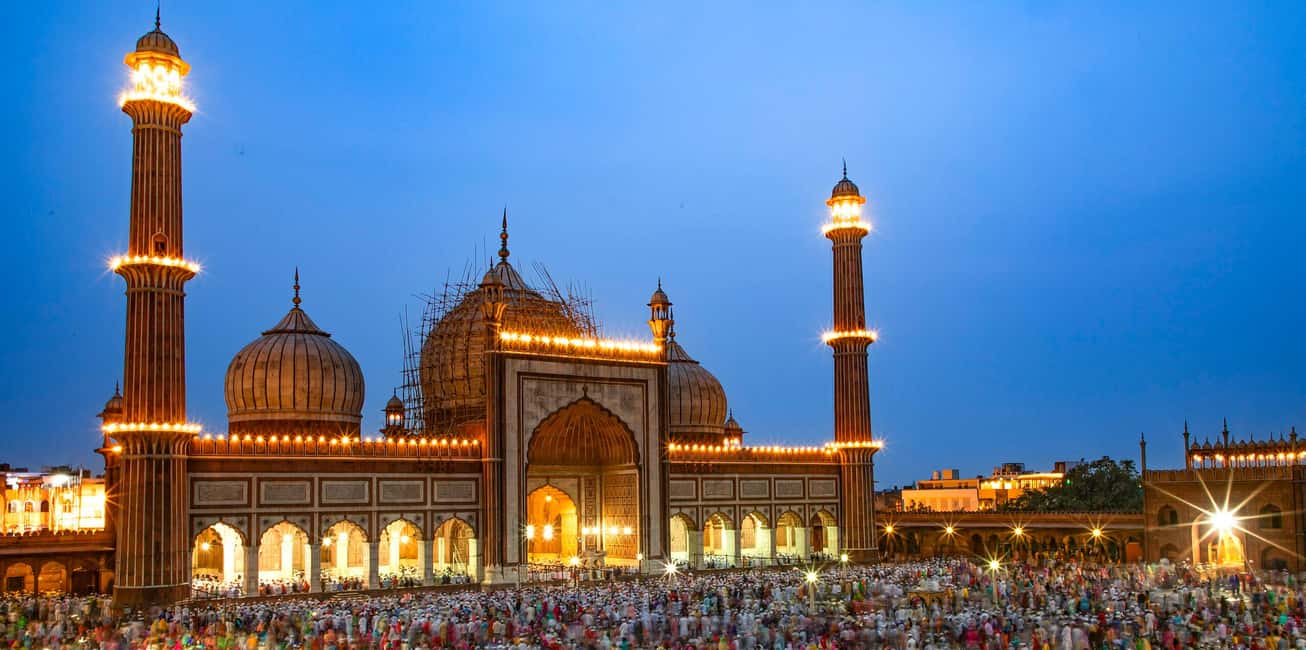
- Old Delhi: Jama Masjid, Chandni Chowk, and Red Fort views
- New Delhi: India Gate, Rashtrapati Bhavan, Lotus Temple
- Final stop: Qutub Minar or Humayun’s Tomb
- Closures and Route Changes: What to Watch Before You Go
- Price and Value: Why $58 Can Work (and When It Won’t)
- Who This Tour Fits Best (and Who Might Want Something Different)
- One Last Tip: Bring Cash, Comfortable Shoes, and a Camera-Ready Mind
- Should You Book This Private Golden Triangle Tour?
- FAQ
- FAQ
- Is this tour private or shared?
- Do I get pickup and drop-off in Delhi?
- Are meals included in the price?
- Are entrance fees included?
- Does the tour include a Rickshaw ride and the Taj Mahal battery bus?
- Is the Taj Mahal always included?
- What happens on Mondays if Red Fort and Lotus Temple are closed?
- What languages are available for the live guide?
Key Highlights Worth Booking For

- Skip-the-ticket-line access so your Taj Mahal and fort time doesn’t get eaten by queues
- Taj Mahal by daylight plus the battery bus ride that saves time and walking
- Fatehpur Sikri and Chand Baori Stepwell for more than just the usual postcard stops
- Jaipur’s top trio: Amber Fort, City Palace, and Hawa Mahal, plus Jantar Mantar
- Old Delhi with a rickshaw ride through Chandni Chowk-style streets
- English-French-Russian-Spanish-Japanese-German guiding, with private group handling
Why This 4-Day Golden Triangle Feels Efficient (Not Rushed)

A Golden Triangle tour lives or dies by logistics. This one is built around a private setup, with a driver and a guide who stays with you through the day’s key sites. That matters because Delhi traffic, ticket lines, and “where do we meet again?” moments are usually what turn a dream trip into a headache.
In four days, you’re covering three cities—Delhi, Agra, Jaipur—without making you coordinate taxis or figure out local transport. The schedule is also structured so the most time-sensitive experiences, like the Taj Mahal approach and the Old Delhi walking/rickshaw moment, happen with the right support.
The other practical win: you’re not relying on a general brochure. You get bottled water, and the guide is there to explain what you’re looking at on-site rather than after you’ve already moved on.
You can also read our reviews of more private tours in New Delhi



Day 1: Agra and the Taj Mahal in Daylight (With a Battery Bus Buffer)
Agra is the dramatic opening act: you start the day with pickup coverage from Delhi (hotel areas like Delhi, Gurugram, Noida, Ghaziabad, Faridabad) or airport meet-up, then head straight to Agra where your guide is waiting.
Taj Mahal daylight visit
The highlight is the Taj Mahal in daylight, which changes the whole feel of the experience. You can see the details on the marble and the symmetry more clearly than you’d get from only moonlit photos later on.
To keep the approach comfortable, the tour includes a battery bus ride to and back. That’s a small thing that pays off—less time shuffling on foot, especially if you’re traveling with jet lag or you just want to conserve energy for photos and explanations.
One more helpful touch: you’ll get skip-the-ticket-line support. That doesn’t make the Taj Mahal smaller; it just protects your time.
Agra Fort and Baby Taj
You don’t stop at the Taj Mahal. The day also includes:
- Agra Fort, a UNESCO World Heritage site tied to Mughal power
- Baby Taj (Itimad-ud-Daulah), famous for its delicate marble inlay work and “jewel box” feel
I like pairing the Taj Mahal with Agra Fort because they tell related stories in different languages. The Taj is romance and spectacle; Agra Fort is authority, defense, and the political machinery behind the beauty.
Baby Taj is the quieter palate cleanser. It’s the kind of stop where a good guide helps you notice the craftsmanship instead of treating it as a brief photo stop.
Practical note for Day 1
You’ll end with an overnight in Agra, which is ideal. It reduces the pressure of trying to squeeze everything into one exhausting day.
You can also read our reviews of more tours and experiences in New Delhi






Day 2: Fatehpur Sikri and Abhaneri’s Chand Baori Before Jaipur
Day 2 is the “Mughal grandeur and stepwell geometry” day, and it’s a big reason this tour feels more interesting than a basic checklist.
After breakfast, you go to two key stops on the road to Jaipur.
Fatehpur Sikri: the abandoned Mughal capital
You’ll walk through Fatehpur Sikri, a site often described as quiet for a reason: it’s the remains of a once-active Mughal center, now mostly still and open to your imagination. With a private guide, it’s easier to connect the dots—what you’re seeing today and why the place was important in its moment.
The value here isn’t just history trivia. It’s atmosphere. You’ll be looking at stone spaces where rulers once planned big things, and you can start to understand how ambition can turn into abandonment.
Chand Baori Stepwell in Abhaneri
Then comes Chand Baori, one of the most extraordinary stepwells in India. The geometry is what hits you first—rows and rows that look almost too precise to be real.
This stop is also a nice change of pace from forts and palaces. It’s architectural rather than royal, and it gives you different kinds of photo angles without feeling like a “same-same” monument day.
End in Jaipur
By evening, you arrive in Jaipur, often called the Pink City. You’ll rest in Jaipur overnight, setting you up for a full royal-culture day on Day 3.
Day 3: Amber Fort, City Palace, Hawa Mahal, Jantar Mantar (Then Back to Delhi)
Jaipur is the day where the tour leans fully into royalty and design. You’ll see the major sights, but the best part is how they connect visually and thematically.
Amber Fort: forts with a view
You start at Amber Fort, with royal halls overlooking the hills. This is the kind of place where your guide’s job matters. Details like how spaces were used, and what you’re looking at from the ramparts, can be lost if you wander without context.
City Palace: power on the inside
Next is City Palace. It’s not just one “pretty building.” It’s an active showcase of how court life and governance lived side by side.
Hawa Mahal: the honeycomb façade
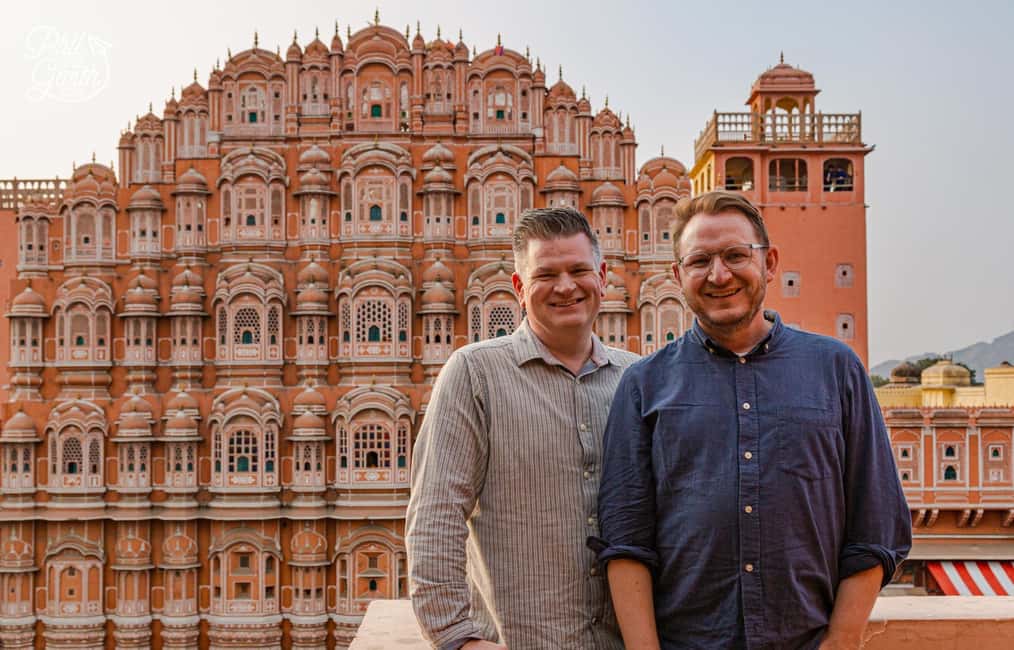
Hawa Mahal (Palace of Winds) is famous for a reason. The front façade is a honeycomb-like design that’s instantly recognizable, and it rewards slow looking. From different angles, you’ll notice how the structure was built to create ventilation and views for people within.
Jantar Mantar: the science side of Jaipur
Then you visit Jantar Mantar Observatory, which adds a different flavor to the royal theme. You’re moving from walls and windows to measurement and astronomy—an easy reminder that the “coolest forts” aren’t the only kind of heritage here.
Drive back to Delhi
Later, you drive back to Delhi for an overnight stay. This is a smart pairing: it means you’re not trying to pack the New Delhi highlights on the same day as the heaviest Jaipur site time.
Day 4: Old Delhi + New Delhi Highlights Like Jama Masjid, Chandni Chowk, India Gate
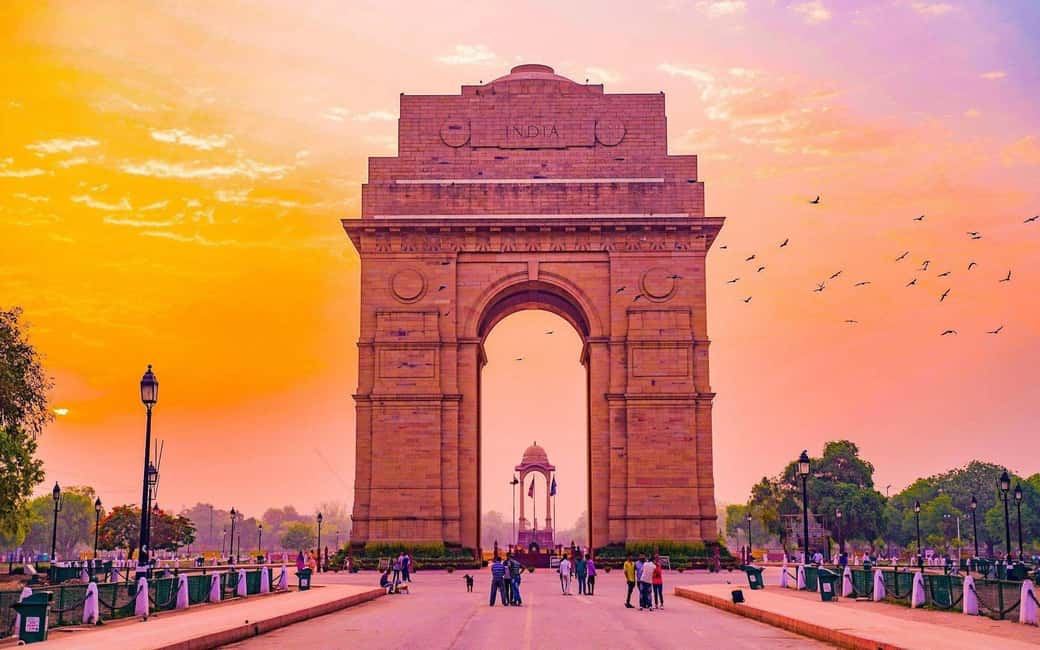
Day 4 is split between older Delhi texture and newer Delhi landmarks. It’s a good way to end because you get both the street-level pulse and the government-city feel.
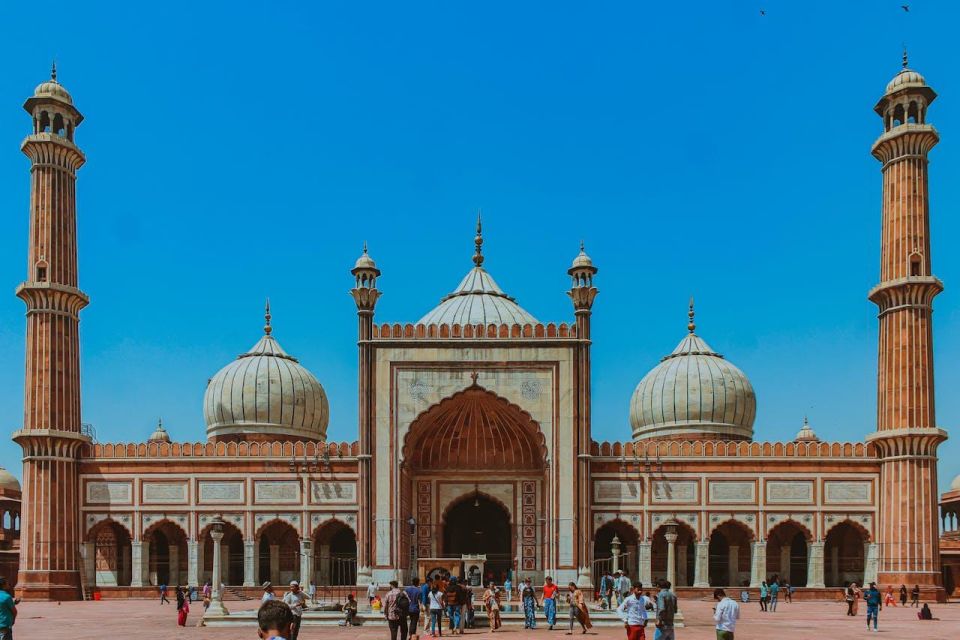
Old Delhi: Jama Masjid, Chandni Chowk, and Red Fort views
You’ll visit Jama Masjid, then ride a rickshaw through the busy lanes connected with Chandni Chowk. A rickshaw ride sounds touristy until you do it—then you realize it’s one of the quickest ways to experience the street rhythm without burning all your energy.
You’ll also admire the Red Fort area, with views timed within the route.
New Delhi: India Gate, Rashtrapati Bhavan, Lotus Temple
After that, the tour turns to New Delhi landmarks:
- India Gate
- Rashtrapati Bhavan
- Lotus Temple (noted for closures on Mondays, see below)
This shift matters. Old Delhi tells you how people lived and traded. New Delhi tells you how the state wanted to project order, design, and identity.
Final stop: Qutub Minar or Humayun’s Tomb
Your last stop is either Qutub Minar or Humayun’s Tomb, depending on routing.
This flexibility is useful because it keeps the tour from falling apart when closures happen.
Closures and Route Changes: What to Watch Before You Go

India’s big sights follow strict schedules. The tour accounts for that, which you’ll really appreciate once you’re there.
- Taj Mahal is closed on Fridays. If your tour lands on a Friday, the route adjusts to Delhi → Jaipur → Agra → Delhi.
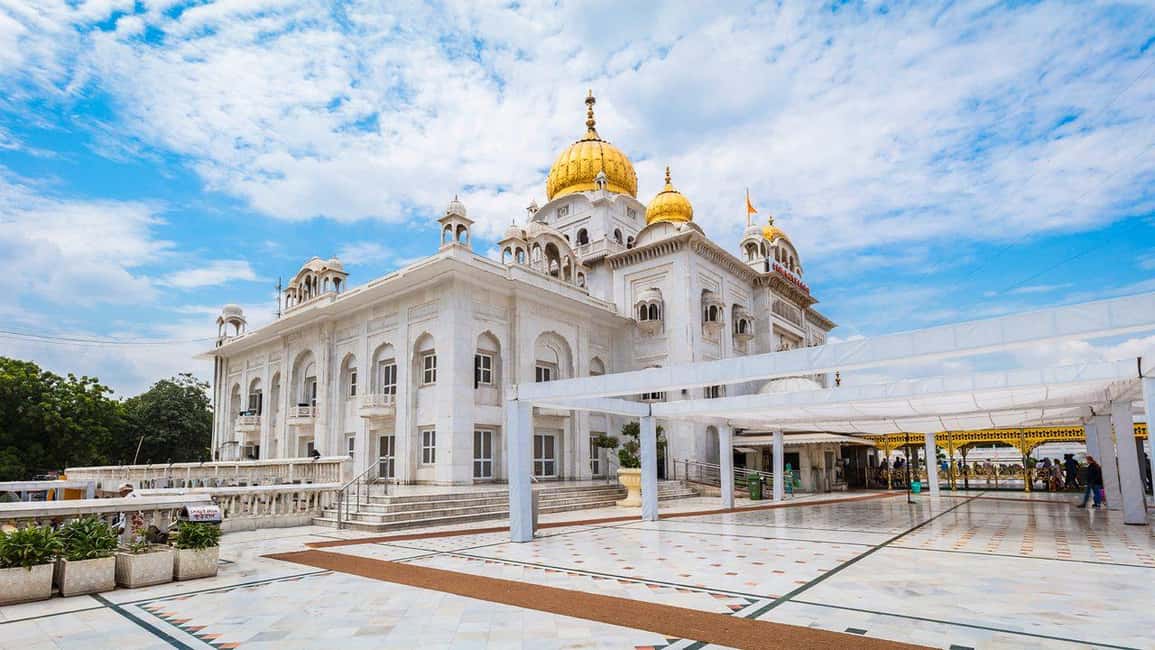
- On Mondays, Red Fort and Lotus Temple are closed. In that case, Gurudwara Bangla Sahib is visited instead.
These aren’t small edits. They can affect the order of travel and which photos you can grab that day, so it’s worth checking your exact dates early.
Also note this: some monuments don’t accept cards, so carry cash in INR for ticket purchases. The guide can help point you toward ATMs, but your best move is just to arrive ready.
Price and Value: Why $58 Can Work (and When It Won’t)
The listed price is $58 per person for a 4-day private Golden Triangle tour. That’s relatively strong value for three cities, a private air-conditioned car with driver, and private guides at all sites.
But the fine print that matters for budgeting:
- Entrance fees are not included
- Meals and beverages are not included
So the real question becomes: can you pay your entrance tickets and some food without stress? If you’re the kind of traveler who prefers guided access (and doesn’t want to haggle day-by-day), the structure here is usually worth it.
Also, a private group and dedicated guide can be a cost-saver compared to paying for a guide at each stop separately. You get one story thread through the trip, not a stack of random audio-guide moments.
Who This Tour Fits Best (and Who Might Want Something Different)
This tour is best for:
- First-time visitors who want the “big names” without planning chaos
- People who want a private driver and guide so the day stays smooth
- Travelers who like architecture, not just temples and photos
- Groups that want flexibility without splitting up
You might want to look elsewhere if:
- You’re on a super tight budget that can’t stretch to entrance fees and meals
- You hate driving days (because there are real travel legs between Delhi, Agra, and Jaipur)
Wheelchair accessibility is listed as available, and the battery bus and rickshaw components suggest the day is planned with movement in mind. If mobility is a concern, confirm what’s possible for your group in advance so the pacing matches your needs.
One Last Tip: Bring Cash, Comfortable Shoes, and a Camera-Ready Mind
You’ll want comfortable shoes for forts, courtyards, and walking portions. Bring your passport, and carry cash in INR since some ticket counters may not accept cards.
One more angle: in the strongest feedback I saw, guides like Saif (and also MS in a separate highlight) were praised not only for explanations, but for practical help—like getting good photos and adjusting to what people need in the moment. That’s the kind of service that makes a “sightseeing tour” feel like a real day out.
Should You Book This Private Golden Triangle Tour?
If you want the classic Golden Triangle route but with planning handled for you—private car, private guides, skip-the-line help, and the right mix of landmarks—this is a solid choice. The daylight Taj Mahal plus Agra Fort and Baby Taj is a strong start, and Fatehpur Sikri and Chand Baori are the kind of detours that make the trip feel earned, not generic.
Book it if you’re okay paying entrance fees and meals on top, and if your travel dates don’t conflict with major closures. If your dates do include a Friday or Monday, the tour’s routing adjustments help you keep moving instead of losing key sights.
FAQ
FAQ
Is this tour private or shared?
It’s a private group. You also get a private guide at all sites and a dedicated private air-conditioned car with a driver.
Do I get pickup and drop-off in Delhi?
Yes. Pickup is included from hotels in Delhi, Gurugram, Noida, Greater Noida, and nearby areas. For Delhi Airport arrivals, the driver meets you at Terminal 3, Exit Gate 4 holding a placard with your name.
Are meals included in the price?
No. Meals and beverages are not included.
Are entrance fees included?
No. Entrance fees are not included. Also, some monuments may not accept cards, so it’s smart to carry cash in INR.
Does the tour include a Rickshaw ride and the Taj Mahal battery bus?
Yes. You get a rickshaw ride in Old Delhi and a battery bus ride to and back for the Taj Mahal area.
Is the Taj Mahal always included?
The Taj Mahal is included, but it remains closed on Fridays. If your tour falls on a Friday, the route adjusts to Delhi → Jaipur → Agra → Delhi.
What happens on Mondays if Red Fort and Lotus Temple are closed?
On Mondays, Red Fort and Lotus Temple are closed. The tour visits Gurudwara Bangla Sahib instead.
What languages are available for the live guide?
The live guide is available in English, French, Russian, Spanish, Japanese, and German.