REVIEW · NEW DELHI
From Delhi: 5 Days Golden Triangle Tour
Book on GetYourGuide →Operated by Agra Voyage · Bookable on GetYourGuide
Sunrise at the Taj changes your day. I love the sunrise Taj Mahal timing, and the way the tour also starts in Old Delhi with a rickshaw through Chandni Chowk. The main drawback to plan for is the long drive between cities plus the frequent shopping stops that can feel pushy if you’re not in buying mode.
You’ll get pickup from your Delhi hotel or the airport, and a live guide in multiple languages. This is a private group setup, and the plan includes an express security check to help you spend more time at sights and less time waiting.
In This Review
- Quick hits before you go
- How the 5 days flow (Delhi to Agra to Jaipur)
- Delhi first: Jama Masjid, Chandni Chowk, Qutub Minar, and Lotus Temple
- Sunrise Taj Mahal in Agra: the whole point of going early
- Beyond the Taj: how Agra Fort and Baby Taj change your perspective
- En route to Jaipur: Fatehpur Sikri’s ghost-city feel and a stepwell stop
- Jaipur’s big stops: Amber Fort, City Palace, Jantar Mantar, and photo time
- Price and logistics: is $129 per person good value?
- Small friction points to keep in mind
- Should you book this 5-day Golden Triangle tour?
- FAQ
- Which cities are included in this 5-day Golden Triangle tour?
- How long is the tour?
- What is the price per person?
- Is pickup included?
- Do I get a live tour guide?
- What languages are available for the guide?
- Is there an express option for security checks?
- Is Taj Mahal open every day?
- Is the tour private and wheelchair accessible?
- What should I bring for the tour?
- Is the tour suitable for pregnant women?
Quick hits before you go
- Sunrise Taj Mahal and a second look later at Mehtab Bagh across the Yamuna
- Old Delhi rickshaw ride through Chandni Chowk’s traditional bazaars
- Agra Fort and Baby Taj for Mughal power and delicate marble details
- Amber Fort + City Palace for the big visuals of Rajasthan and museum time
- Jantar Mantar with the large stone sundial, completed in 1734
- Taj Mahal closure on Fridays can force a schedule swap
How the 5 days flow (Delhi to Agra to Jaipur)
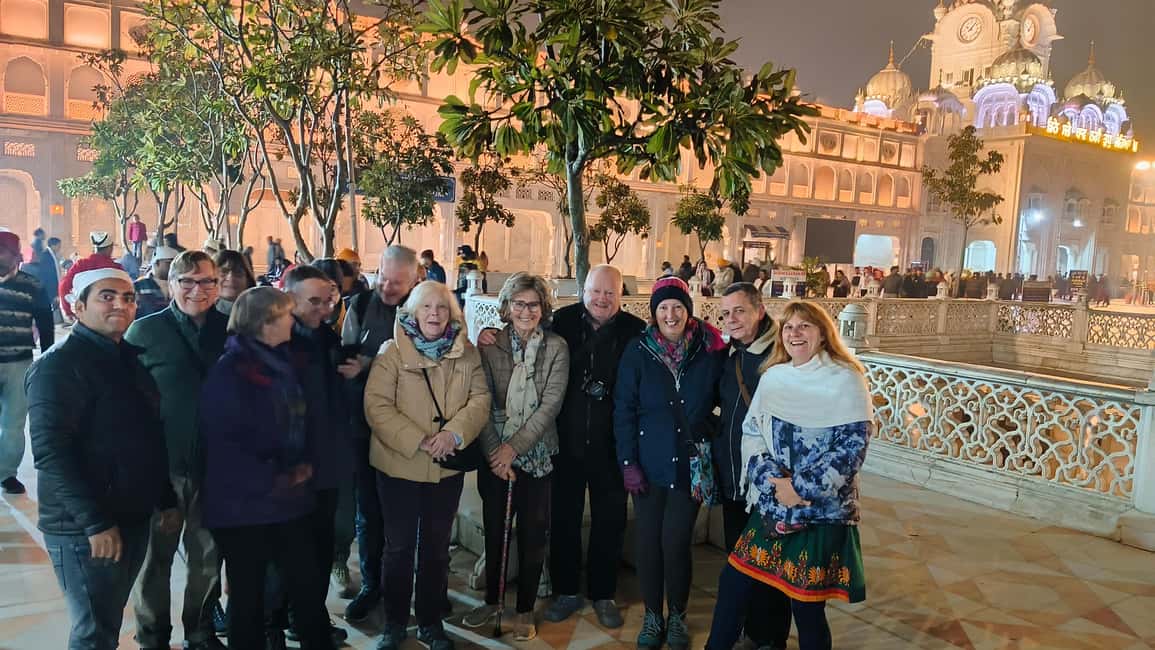
This is a classic Golden Triangle route that stacks three heritage cities in five days. The travel days are real, so you’ll want to settle in and treat the car ride as part of the trip, not a detour.
Because it’s a private group, you’re not squeezed into a mass-market bus routine. You’ll also get pickup included in Delhi and drop-off back in Delhi at the end, which matters if you’re trying to keep your logistics simple.
What you’re really buying here is structure: guided touring of the top monuments, early timing for the Taj, and a tight sequence of Delhi–Agra–Jaipur highlights so you don’t burn time figuring out transportation between stops.
You can also read our reviews of more tours and experiences in New Delhi



Delhi first: Jama Masjid, Chandni Chowk, Qutub Minar, and Lotus Temple
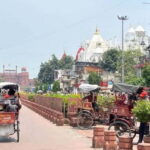
Delhi starts strong, and it doesn’t waste time warming up. You begin with Jama Masjid, one of the most important mosques in India, then head into Old Delhi by rickshaw through Chandni Chowk, where the streets feel built for walking and window-shopping.
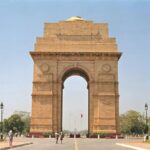
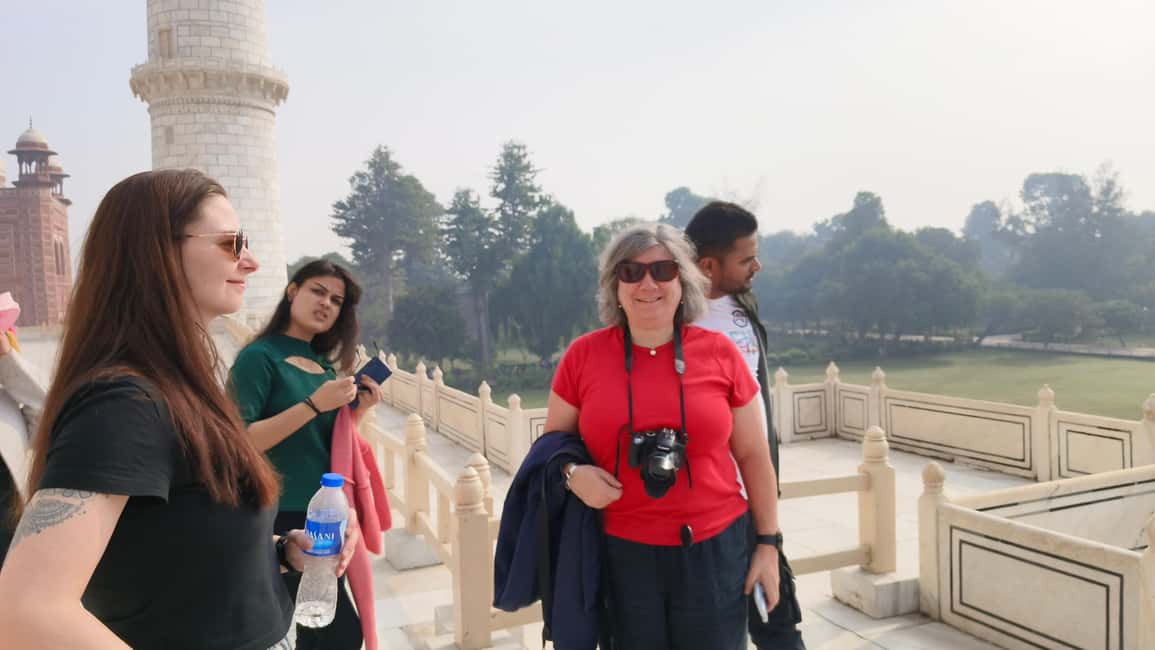
Next comes the quieter, reflective stops: Rajghat for Mahatma Gandhi, plus a drive-by look at the Red Fort and the war memorial scale of India Gate (built in memory of 84,000 soldiers). Then you’ll see the official buildings area and shift to Sikh faith with Gurudwara Bangla Sahib, where the concept of langar means a community meal open to everyone, regardless of background.
The architecture swings wide after that: Qutub Minar shows off an old-world brick tower tradition (built in the 12th century), and the Lotus Temple adds a modern counterpoint with its lotus-flower shape. If you like cities that mix eras instead of forcing you to pick one style, this day gives you that.
Practical note: dress for layers. Delhi mornings and temple environments can mean quick changes in comfort level, and you’ll be on your feet more than you expect.
Sunrise Taj Mahal in Agra: the whole point of going early
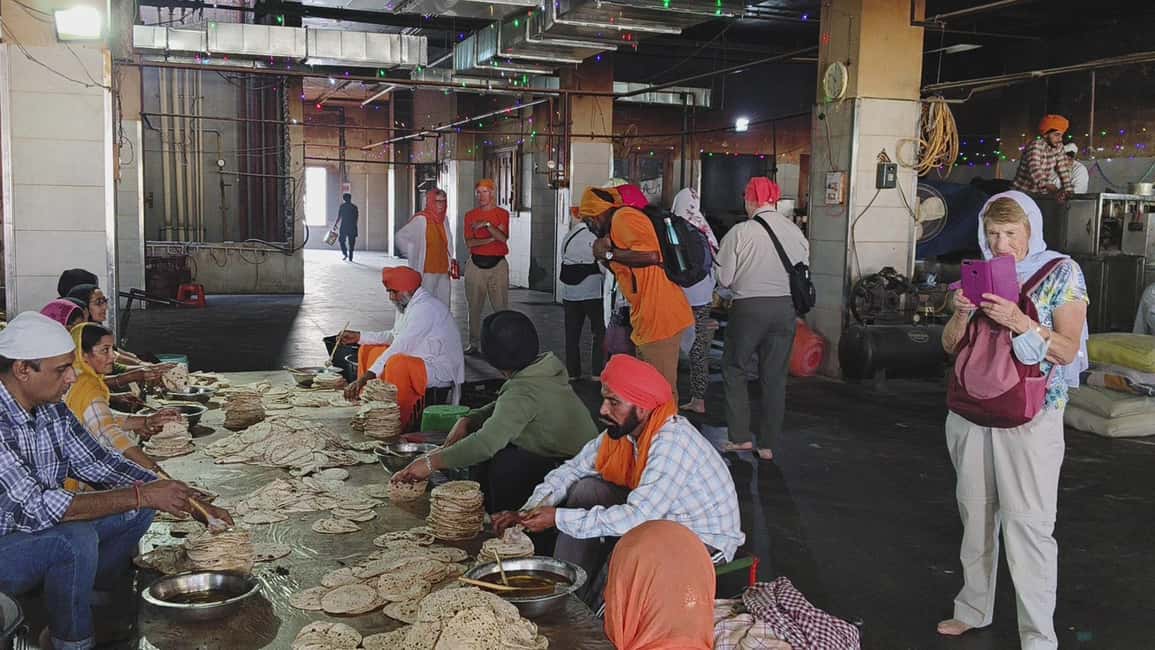
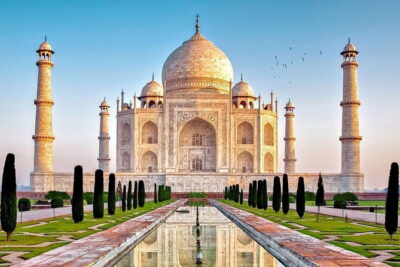
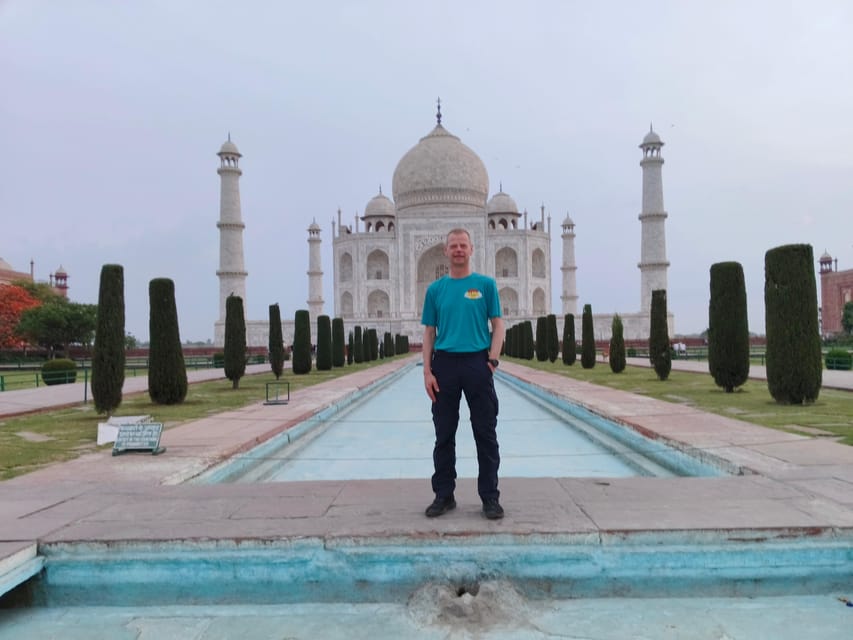
The headline moment is the Taj Mahal at sunrise. That early timing isn’t just marketing—it’s when the lighting feels most flattering and the crowds (typically) haven’t fully hit yet. Even if you’ve seen photos before, seeing it in real time changes how big and detailed it feels.
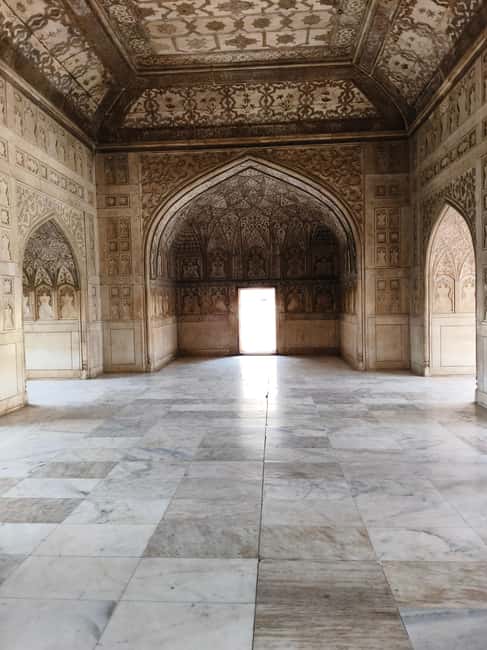
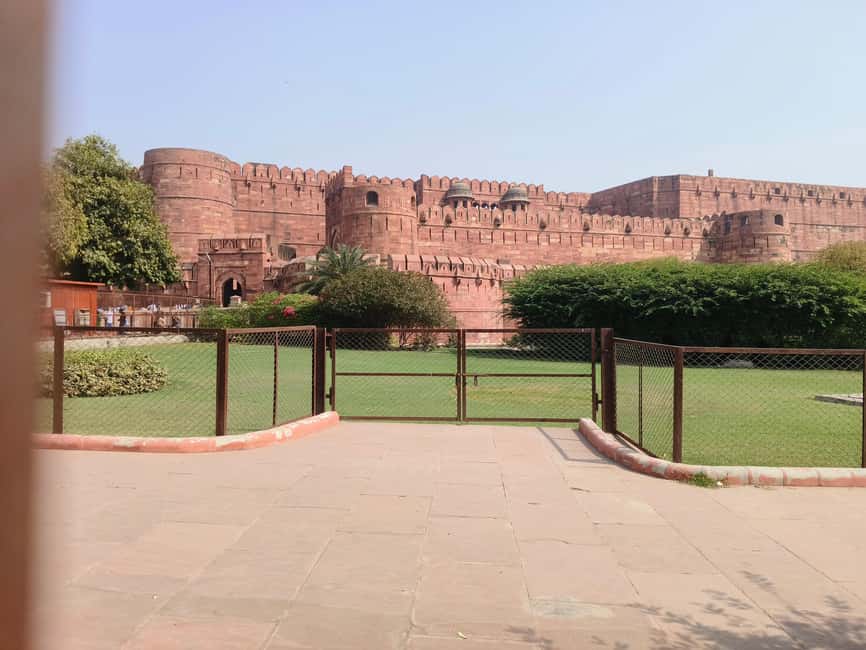
Afterward, breakfast and a second round of Mughal-era sightseeing keep the day moving. Agra Fort is next, linked to Mughal residence under Emperor Akbar, and it gives context for how power was organized beyond the famous marble icon.
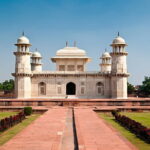
Then comes Etmad-ud-daulah’s tomb, often called the Baby Taj. The draw here is the white marble and the famous decorative ceiling painting style—smaller than the Taj, but often more intimate in how it rewards looking up.
In the evening, you’ll get the Taj again from Mehtab Bagh across the Yamuna River. That viewpoint is a smart pairing: sunrise for spectacle, then sunset for mood and silhouette.
One key planning warning: Taj Mahal remains closed on Fridays. If your dates land on a Friday, expect the visit to adjust around closure.
Beyond the Taj: how Agra Fort and Baby Taj change your perspective

A lot of people come to Agra for the one big photo. I like that this tour doesn’t stop at that. Agra Fort helps you understand the Mughal world that produced the Taj, not just the monument itself.
Then Baby Taj slows you down in a good way. When you’re done with the massive scale of the main complex, this smaller tomb can feel like a lesson in precision—carved detail, marble finish, and ceiling artwork that’s easy to miss if you rush.
If you love architecture and you enjoy learning how empires expressed themselves in stone, these two stops are the bridge between the legend and the craftsmanship.
En route to Jaipur: Fatehpur Sikri’s ghost-city feel and a stepwell stop
On the way from Agra to Jaipur, you’ll visit Fatehpur Sikri, often described as an abandoned or ghost city. It was built by Mughal Emperor Akbar, and walking through the site gives you a real sense of scale and ambition—then an even stronger sense of how quickly greatness can be left behind.
After that, you stop at a step well built in the 8th century AD. These water-step structures can feel unexpectedly fascinating because they’re practical engineering wrapped in human design. The big value for you is variety: you’re not only seeing palaces and tombs; you’re seeing how daily life and survival shaped built form.
A small reality check: one booking described that the stepwell stop wasn’t brought exactly as planned when the group was tired. So if this stepwell matters to you, it’s worth asking your guide early that you’re still including that specific stop.






Jaipur’s big stops: Amber Fort, City Palace, Jantar Mantar, and photo time
Jaipur is built for wow moments, and you’ll hit several of them. First up is Amber Fort, located in the Aravalli hills. This is where the tour leans into mixed styles: Indo-Islamic influences, gold-plated painting, mirror work, and European architectural touches are all part of what you’ll see.
Next is City Palace, the seat of the Maharajas of Jaipur. A large portion is now a royal museum, so you get a sense of how people lived and collected, not just how they ruled. If you like history you can stand inside, this museum time tends to land well.
Then comes Jantar Mantar, a set of nineteen astronomical instruments built by Rajput king Sawai Jai Singh and completed in 1734 CE. It’s also a UNESCO heritage site, and you’ll get time focused on the largest stone sundial. This is one of those stops that changes how you think about science in the pre-modern world.
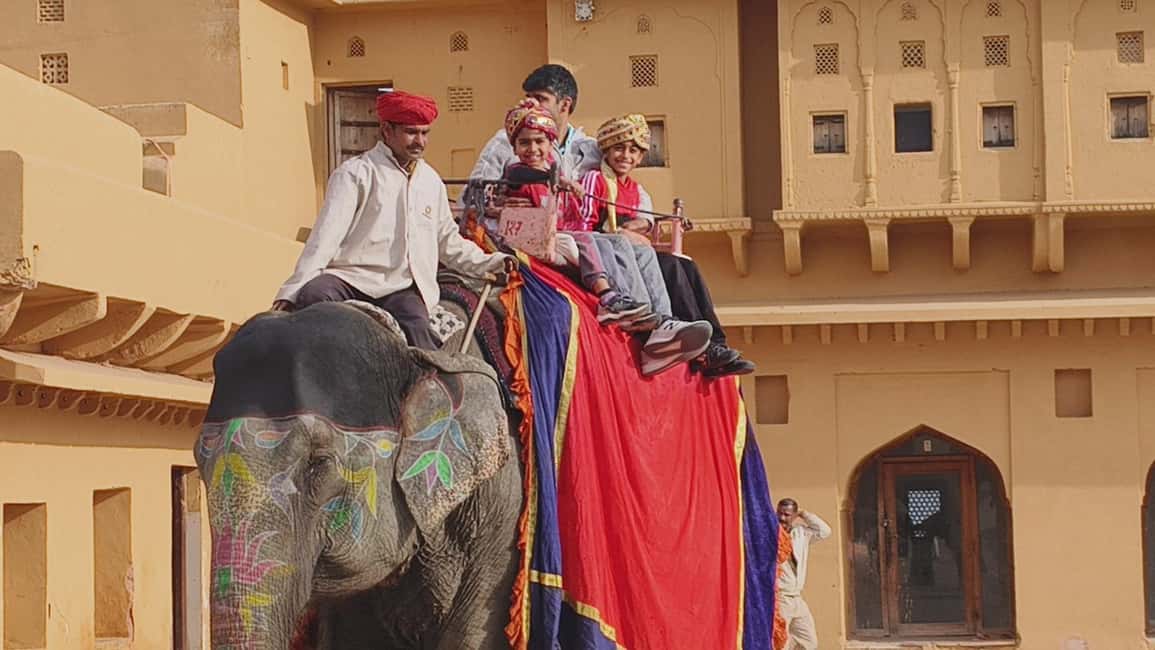
You’ll also have photo stops for Hawa Mahal, known for its dramatic facade, plus Jal Mahal for those waterline views. The tour can include time to explore local arts of Jaipur too, so you’re not stuck only in monuments.
Price and logistics: is $129 per person good value?
At $129 per person for five days, the value comes from the package structure: pickup in Delhi, live guides, private group format, express security to reduce waiting, plus the high-demand sunrise Taj Mahal experience. If you were assembling this yourself with transport and guide time, it would likely cost more in time and money.
Where value can get complicated is outside-the-box spending. One booking described frequent stops at over-priced souvenir shops in each town, and the interaction can feel uncomfortable if you don’t buy anything. That doesn’t mean you’ll be forced to shop, but it does mean your best strategy is mental.
Go in with a plan: decide what you’ll buy (if anything), and be ready to politely decline. You’ll enjoy the monuments more if you’re not negotiating in a shop line between sites.
Also, if you care about a smooth day schedule, ask your guide to keep the pace aligned to the stops you actually want—especially if you’re tired or want to skip a less important add-on.
Small friction points to keep in mind
This tour is well organized, but India travel has a few predictable bumps. One booking credited driver Guddu for safe driving, and that kind of calm matters on long highway stretches. Good driving reduces stress, and stress reduction is its own kind of value.
Guides can vary a bit in style. In named examples, Brajesh Kumar was mentioned for Delhi, Kaleem for Agra, and Hitesh for Jaipur. If your guide is less talkative, you can still get a lot from the landmarks—just ask questions when you want more detail.
The other friction is the pressure around shopping and reviews. One booking described being pushed by a representative to write a positive review to keep things moving. If you run into anything like that, you can simply stick to your own honesty and keep the focus on the monuments.
Should you book this 5-day Golden Triangle tour?
I’d book it if you want an organized first-time Golden Triangle experience with the sunrise Taj Mahal as a priority and you’d rather have a guide handle the flow. The combination of Old Delhi walking/rickshaw energy, Agra’s major Mughal landmarks, and Jaipur’s fort–palace–astronomy sequence is a strong mix for five days.
Skip it (or at least go in carefully) if you hate shopping stops or you’re sensitive to tense interactions when you decline to buy. Also, it’s not suitable for pregnant women, and like any monument-heavy trip, it involves a lot of standing and uneven walking.
If you’re the kind of traveler who values seeing the icons plus understanding the context behind them, this tour fits. If you want totally free-form travel with minimal structure, you may find the fixed stops feel a bit “on rails.”
FAQ
Which cities are included in this 5-day Golden Triangle tour?
It covers Delhi, Agra, and Jaipur.
How long is the tour?
The duration is 5 days.
What is the price per person?
The price is $129 per person.
Is pickup included?
Yes. Pickup is included from your desired location in Delhi, including the airport or your Delhi hotel/place of stay.
Do I get a live tour guide?
Yes. You’ll have a live tour guide.
What languages are available for the guide?
The guide is available in English, Spanish, French, Russian, and German.
Is there an express option for security checks?
Yes. The tour includes express security check to help you skip the line.
Is Taj Mahal open every day?
No. Taj Mahal remains closed on Friday, so the timing can be affected.
Is the tour private and wheelchair accessible?
Yes. It’s a private group, and it is listed as wheelchair accessible.
What should I bring for the tour?
Wear comfortable shoes and comfortable clothes.
Is the tour suitable for pregnant women?
No. It’s listed as not suitable for pregnant women.