REVIEW · NEW DELHI
From Delhi: Ranthambore National Park Day Trip with Safari
Book on GetYourGuide →Operated by Volgang Analysis · Bookable on GetYourGuide
Ranthambore is a long haul from Delhi, but the payoff is simple: a real chance to see Bengal tigers in the wild. I like that the day is built around an open-Jeep safari with an expert guide, plus stops at classic viewing areas like Padam Talao and Rajbagh. The driving schedule is tight, so a well-run day can feel smooth, while a poorly timed one can feel like a lot of waiting.
The biggest thing to watch is logistics. You’re looking at a 6–7 hour drive each way, and multiple pickups can stretch the day, even before you hit the safari gate—so you’ll want patience and a backup plan for how you’ll handle delays.
In This Review
- Key Things That Matter Most On This Ranthambore Day Trip
- A Very Long Day for a Real Wildlife Shot
- The Delhi-to-Ranthambore Drive: Expect Time, Not Comfort Perfection
- Arrival, Check-In, and the Lunch-to-Safari Rhythm
- The Afternoon Open-Jeep Safari: Where the Day Really Happens
- Wildlife odds: what the numbers mean for you
- Ranthambore Fort: A Nice Add-On If Time Allows
- What to Pack and Wear for a Safari That’s Actually Comfortable
- Price and Value: Why $201 Can Be Worth It or Not
- Who This Works Best For (And Who Should Skip It)
- Tips to Improve Your Chances Without Stress
- Should You Book This Ranthambore Day Trip From Delhi?
- FAQ
- What time does the tour start and end?
- How long is the safari inside Ranthambore National Park?
- Is the safari in an open Jeep?
- What guide languages are available?
- What should I bring for the safari?
- Is this tour suitable for kids or wheelchair users?
Key Things That Matter Most On This Ranthambore Day Trip
- 5:00 AM pickup and ~1:00 AM drop-off means you commit to a full travel day, not a quick outing.
- Afternoon safari (about 3–4 hours) gives you time for key lakes and routes inside the park.
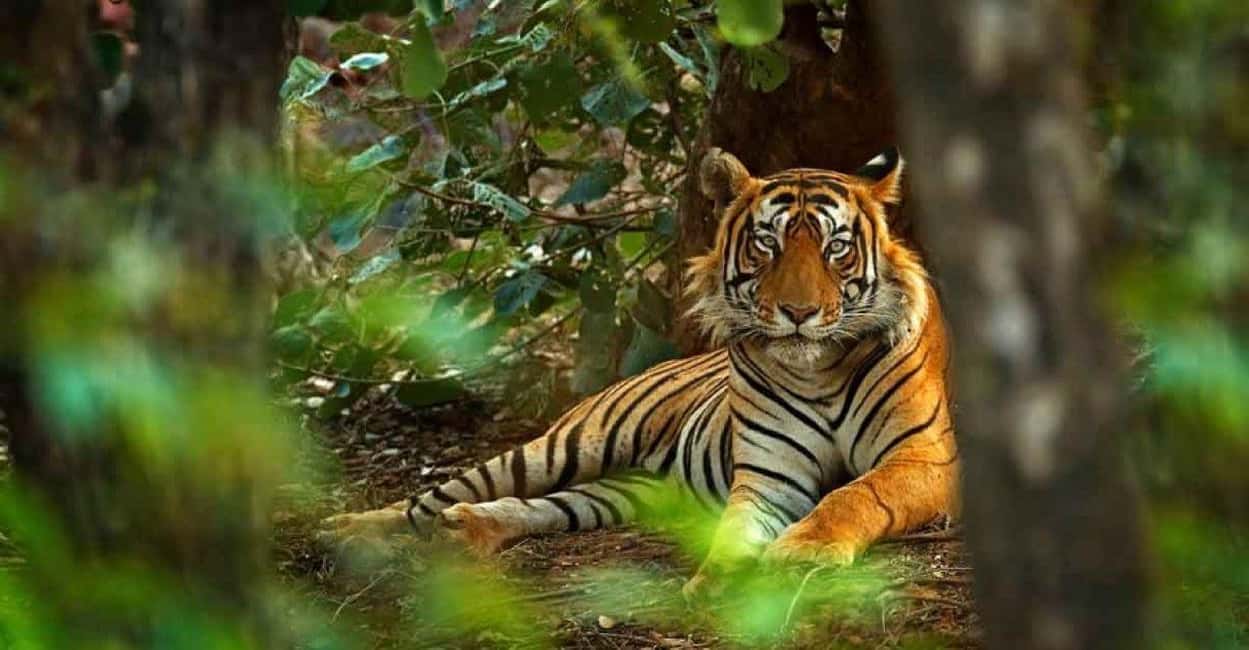
- Seasonal tiger odds shift a lot: about 65% in April–June and 40% in winter.
- Ranthambore Fort is time-dependent, so you may get it or you may not.
- Spotting depends on gear and clothing: binoculars help, and neutral colors keep you comfortable and unobtrusive.
- Guide language can vary, so confirm what language you’ll actually get if that matters to you.
A Very Long Day for a Real Wildlife Shot
Let’s be honest: this is not a relaxed “grab coffee and go” day trip. You leave Delhi early, you spend most of the day in transit and safari time, and you return extremely late. If you’re the type who hates rushing, you might feel the squeeze.
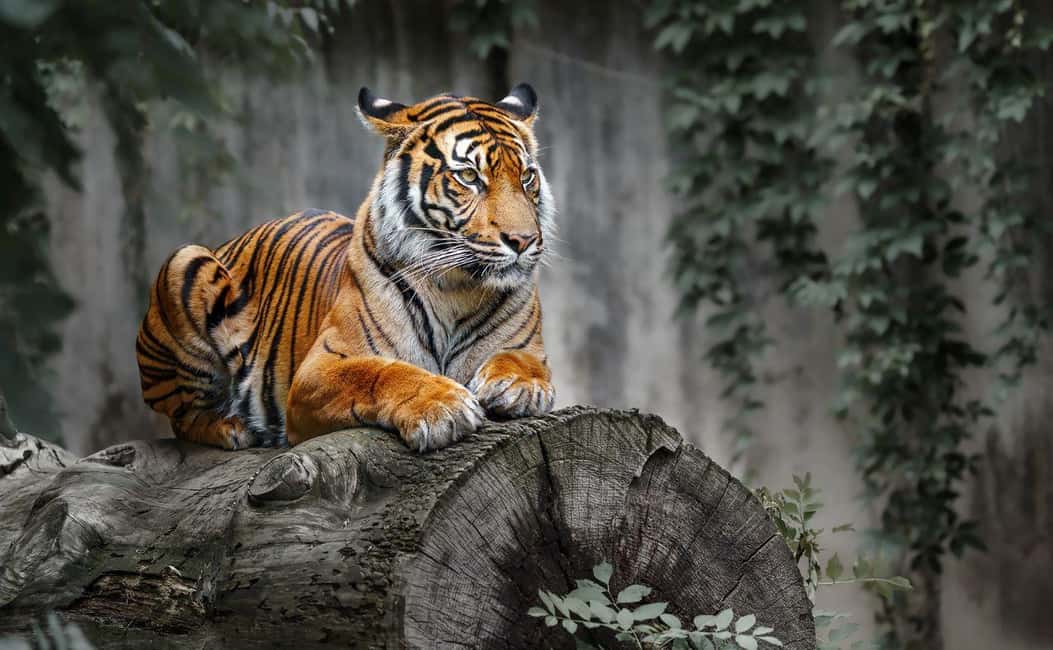
That said, the structure makes sense if your goal is wildlife over sightseeing. The day is set up so that your main event is an afternoon run in an open Jeep, when you’ll cover multiple park zones and have guided help for spotting. You’re also not just looking out a car window—there’s a specific focus on mammal sightings like Bengal tiger, leopard, and sloth bear, plus wetland wildlife such as marsh crocodiles.
You can also read our reviews of more tours and experiences in New Delhi



The Delhi-to-Ranthambore Drive: Expect Time, Not Comfort Perfection
Your day starts around 5:00 AM with pickup from one of three areas: Delhi, Noida, or Gurugram. Then it’s a 6–7 hour drive to Ranthambore, with an optional breakfast stop along the highway. This is the part where your experience will be either smooth or frustrating, mostly depending on how efficiently the pickup route is handled.
One guest experience highlighted just how much the right driver can change the vibe—someone like JOGENFRA was praised for handling traffic and different tourist needs, and for making the long ride less boring with quick cultural explanations and even roadside scenery (including cactus under trees). That’s not something you can guarantee, but it is a good reminder: ask questions early, bring water, and accept that India highway travel often means you’ll move in waves.
Two practical tips:
- Bring a small supply kit (water, snacks if allowed, sunscreen). Stops may be limited.
- Plan to arrive at the park ready to check in, change, and get to lunch without needing a long decompression break.
Arrival, Check-In, and the Lunch-to-Safari Rhythm
You arrive around 11:30 AM and freshen up at a resort or jungle lodge. There’s usually a quick briefing on park rules and safari guidelines before you settle into the next phase.
Then comes lunch around 12:30 PM, described as light. This matters because you’re heading into a Jeep safari starting at 2:00 PM. If you’re the type who needs a big meal to feel human, keep expectations realistic. Your body will also be dealing with heat and sun, so hydrate before you’re standing around.
This is also when you’ll want to pay attention to practical safari rules:
- No smoking
- No flash photography
These small rules can save you from awkward interruptions at the gate.
The Afternoon Open-Jeep Safari: Where the Day Really Happens
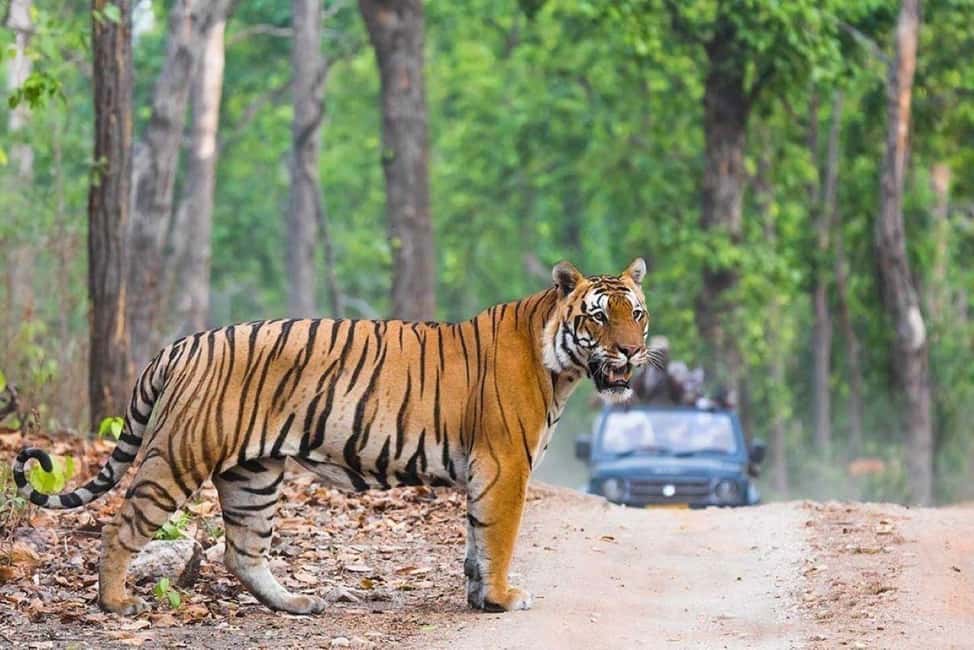
Your safari runs about 3–4 hours, starting at 2:00 PM. You’ll ride in an open Jeep, which is part of the thrill and part of the reality. You’ll want a hat, sunscreen, and comfortable shoes. You’ll also want to be ready for dust and bright light.
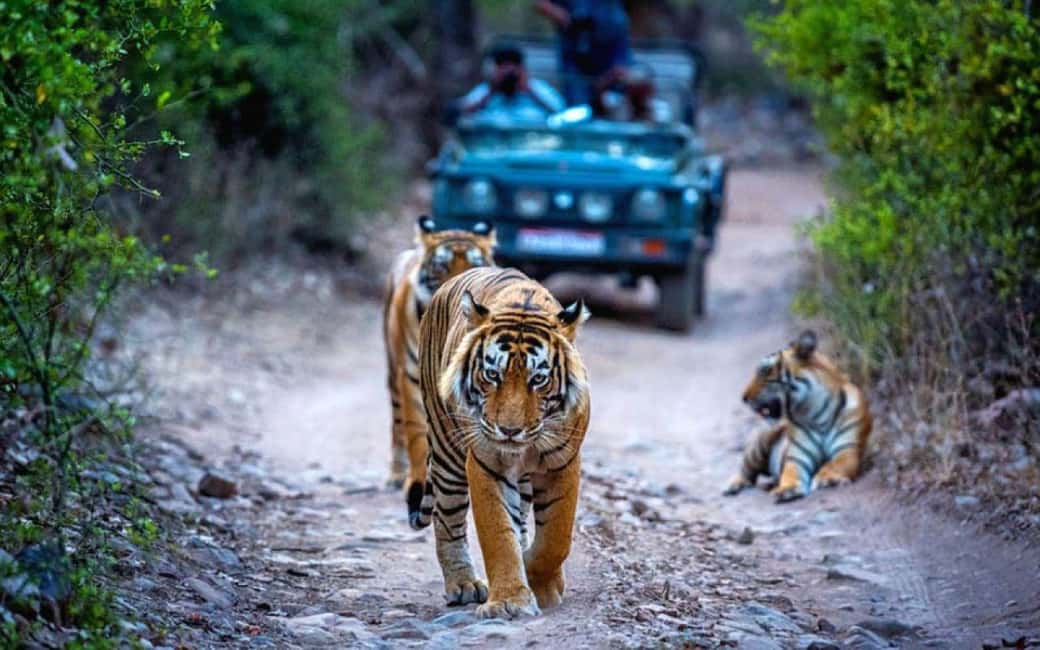
What you’re really buying here is expert scanning. The guide helps you read the landscape and time your route toward likely sightings—especially for Bengal tiger, leopard, and sloth bear. The park is also known for wetland wildlife, including marsh crocodiles, plus diverse birds.
Inside the safari circuit, you may visit iconic areas such as:
- Padam Talao
- Rajbagh
- Malik Talao
And the outing may also include a stop at the historic Ranthambore Fort, depending on timing.
A quick note on binoculars and lenses: the guidance is explicit—bring binoculars and, if you use a camera, consider a 300mm+ lens. Even if you don’t have a long lens, binoculars change everything. You’ll be able to focus on movement and read the trees and reeds like the guide is doing.
Wildlife odds: what the numbers mean for you
Sighting chances are stated as:
- about 65% in summer (April–June)
- about 40% in winter
Those numbers aren’t a promise, but they help you plan emotionally. In summer, your chance feels better on paper. In winter, you should come in ready to enjoy other wildlife and birds, not only the big cats.
You can also read our reviews of more tours and experiences in New Delhi






Ranthambore Fort: A Nice Add-On If Time Allows
The day is safari-first, so the fort visit is not guaranteed. Still, it’s a meaningful historical stop when it fits.
Ranthambore Fort adds texture beyond wildlife. You’re shifting from animal behavior in the open landscape to human history on stone and walls. It’s also a good break from Jeep time, even if it’s quick. If you’re hoping for a specific temple stop, that’s where timing risk shows up—some days run long, and some days get compressed.
So treat fort time as a bonus, not a fixed part of your must-see list.
What to Pack and Wear for a Safari That’s Actually Comfortable
This tour is clear about what you should bring, and you’ll be happier if you follow it.
Bring:
- Comfortable shoes
- Hat
- Camera
- Sunscreen
- Water
- Binoculars
If you’re serious about photos, you’re also encouraged to bring a neutral-colored outfit and consider a 300mm+ lens.
And remember the park-friendly basics:
- Your clothing matters for blending in.
- Bright colors can make the experience less pleasant and can also draw attention during wildlife viewing.
Also, you’ll need your original passport or Aadhar for safari check-in, so don’t rely on photos on your phone.
Price and Value: Why $201 Can Be Worth It or Not
At $201 per person for a one-day trip, you’re paying for three things:
- A private door-to-door transfer from Delhi-side pickup zones
- A guided afternoon safari window inside Ranthambore
- Park-focused routing and access management, including skipping the ticket line
If you compare this to doing everything yourself, you’re essentially paying for the time and stress you don’t want. The drive is long, the safari access is structured, and the guide helps you avoid wasting your limited safari hours on guesswork.
Where value can slip is when service quality doesn’t match the promise. One family report described a mismatch in guide language and a basic dinner setting compared with what was expected. Another independent report described being left waiting for a later safari and confusion around paid attractions due to time limits.
You can’t control everything, but you can protect yourself:
- Before you go, make sure you confirm the language you’ll actually get for the guide.
- Ask what happens if you arrive early or if safari timing shifts, so you aren’t stuck waiting in the heat with no clear plan.
Who This Works Best For (And Who Should Skip It)
This is a safari-focused day trip, so it fits people who can handle a long schedule and don’t need constant downtime. It’s especially good if your priority is wildlife sightings and you’re comfortable with outdoor heat and Jeep travel.
It’s not suitable for:
- Children under 5
- Pregnant women
- Wheelchair users
Also, it’s described as not wheelchair-friendly due to rugged terrain. If you have mobility limits, plan something else.
Tips to Improve Your Chances Without Stress
You can’t force a tiger to appear. But you can stack the odds in your favor and make the day easier.
- Arrive ready for heat: you’ll be outdoors in sun during the safari window, and you may wait at gates. Hydrate early.
- Use binoculars early: don’t wait until the action is over. Start scanning right away so you catch the small movements.
- Listen to the guide: with big mammals, timing and interpretation are everything.
- Keep your expectations wide: even if the tiger doesn’t cooperate, leopards, sloth bears, birds, and crocodilian wetland scenes can still make the day feel complete.
And if you’re lucky enough to get a highly skilled guide, the day can feel far more thoughtful. A guide named Baba was praised for being flexible and well informed, and for adding a bonus like a UNESCO bird sanctuary stop alongside cultural sites. That kind of added value is the difference between a checklist safari and a meaningful day.
Should You Book This Ranthambore Day Trip From Delhi?
Book it if you want:
- a single-day Ranthambore plan that centers on an afternoon open-Jeep safari
- an experienced guide to help you spot wildlife in multiple zones like Padam Talao, Rajbagh, and Malik Talao
- a door-to-door private transfer from Delhi, Noida, or Gurugram
Skip or look for another option if:
- you can’t handle a day that starts around 5:00 AM and ends around 1:00 AM
- you need guaranteed guide language and cultural stops like fort time every day
- you have mobility constraints or fall into the not-suitable categories listed
If you do book, I’d treat it like this: you’re not buying comfort. You’re buying a structured wildlife window with real odds, guided help, and the chance to see India’s big cats—plus a fort stop if the timing works out.
FAQ
What time does the tour start and end?
Pickup is around 5:00 AM in Delhi-area locations, and the drop-off back in Delhi is around 1:00 AM the next morning. The safari itself is scheduled for the afternoon, with the safari running about 3–4 hours.
How long is the safari inside Ranthambore National Park?
The wildlife safari in Ranthambore National Park lasts about 3–4 hours.
Is the safari in an open Jeep?
Yes. You board an open jeep for the wildlife safari.
What guide languages are available?
The tour guide can be English, Russian, French, German, Spanish, or Japanese.
What should I bring for the safari?
Bring comfortable shoes, a hat, camera, sunscreen, water, and binoculars. The guidance also mentions a 300mm+ lens if you use a camera, and neutral-colored clothing.
Is this tour suitable for kids or wheelchair users?
It is not suitable for children under 5, pregnant women, or wheelchair users. The tour is described as not wheelchair-friendly due to rugged terrain.