REVIEW · NEW DELHI
From Delhi : Tajmahal Sunrise tour with Agra fort, Baby Taj, Meal
Book on Viator →Operated by India Travel Choice Private Day Tour · Bookable on Viator
Sunrise at the Taj is different. This Agra day run from Delhi is built to get you there early, with queue-free entry help and a tight set of monuments: Taj Mahal, Agra Fort, and the Baby Taj. You get a private air-conditioned drive, an English-speaking guide, and pickup/drop-off in Delhi-area cities.
I especially like how the guide meets you at the Taj and manages your admission so you are not stuck outside in the busiest hours. I also like the built-in break after the fort, with an optional meal at DoubleTree by Hilton Agra before you head to Itimad-ud-Daulah. One consideration: it is a long day, about 11 to 12 hours, so you’ll want to be ready for early starts and a late return.
In This Review
- Key points that make this tour worth your time
- Why a sunrise Taj Mahal day trip beats a standard schedule
- The Delhi-to-Agra drive: what private A/C actually gives you
- Taj Mahal at dawn: ticket handling and why it matters
- Agra Fort right after: switching from romance to power
- Itmad-ud-Daulah (Baby Taj): the calm finale
- DoubleTree by Hilton Agra meal stop: good value when chosen
- Guides and drivers: where the real experience quality shows
- Price and value: how $10 can still make sense
- Practical tips so you enjoy every stop (not just the big one)
- Who this tour suits best (and who should reconsider)
- Should you book this sunrise Taj Mahal + Agra Fort + Baby Taj tour?
- FAQ
- How long is the Delhi to Agra sunrise tour?
- Where does pickup and drop-off happen?
- Are monument tickets included?
- Is a meal included?
- Do I need to line up for entry at the Taj Mahal and Agra Fort?
- What is the cancellation policy?
Key points that make this tour worth your time
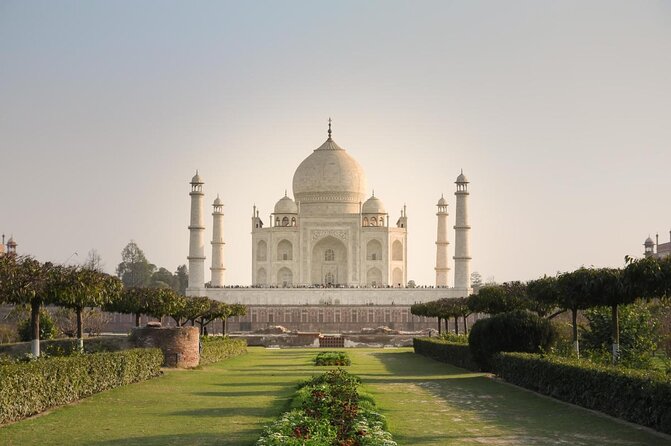
- Dawn timing: you’re scheduled to catch the Taj when it looks its best
- Ticket help at the gate: your guide meets you and handles admission details
- All the major stops in one sweep: Taj Mahal, Agra Fort, and Itimad-ud-Daulah
- Real comfort for the day: private A/C car plus complimentary water
- Optional Hilton meal stop: DoubleTree by Hilton Agra buffet (breakfast or lunch)
- English-speaking guide and consistent driving support: practical, on-the-ground help
Why a sunrise Taj Mahal day trip beats a standard schedule
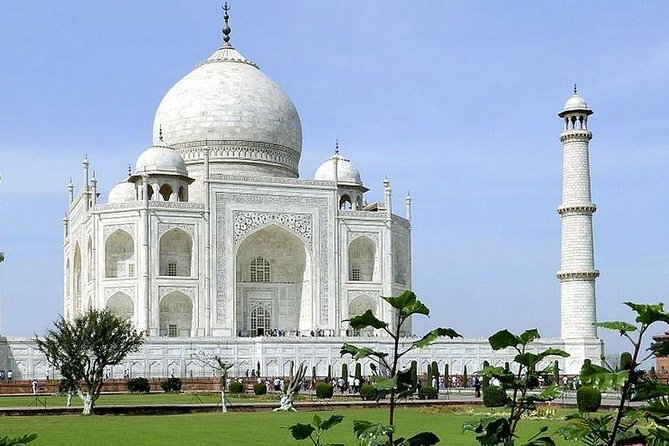
If you’ve only seen the Taj in photos, sunrise changes the whole feel. The white marble looks softer and less harsh, and the area often feels more orderly than later in the day. Doing it from Delhi also means you don’t have to commit to an overnight stay, which is a big deal if your India time is tight.
This plan is also smart in how it groups the sights. You start with the Taj Mahal first, when your energy is highest and the crowds are at their most manageable. Then you shift gears to Agra Fort, and after that you end with Itimad-ud-Daulah, which is smaller and easier to slow down for. That sequencing matters because it keeps you from feeling like you’re sprinting from one massive site to the next without breathing room.
The other quiet win is how much of the stress is handled for you: pickup, private vehicle, parking/tolls, and the guide doing the on-site coordination. You’re still walking and exploring on your own terms, but you’re not fighting logistics from the start.
You can also read our reviews of more tours and experiences in New Delhi



The Delhi-to-Agra drive: what private A/C actually gives you
The day starts with pickup from wherever you choose within the Delhi-area zone: Delhi, Noida, Gurugram, Ghaziabad, or Faridabad. You go by a private air-conditioned car, which is a big comfort upgrade over shared shuttles when you’re leaving early. Even on a comfortable day, that morning route can feel long, so AC plus a private transfer helps you arrive in usable shape.
The ride is also part of the value. You’re paying for time saved: no hunting for taxis, no figuring out where to park, no arguing about the best meeting point. The guide and driver format keeps you moving as a single unit.
One note for planning: the tour runs about 11 to 12 hours. That means you’ll likely be awake early, then back on the road later. If you are sensitive to long drives, pack your essentials (water, a light layer, and something small to snack on if it helps you wait for the included meal timing).
Taj Mahal at dawn: ticket handling and why it matters
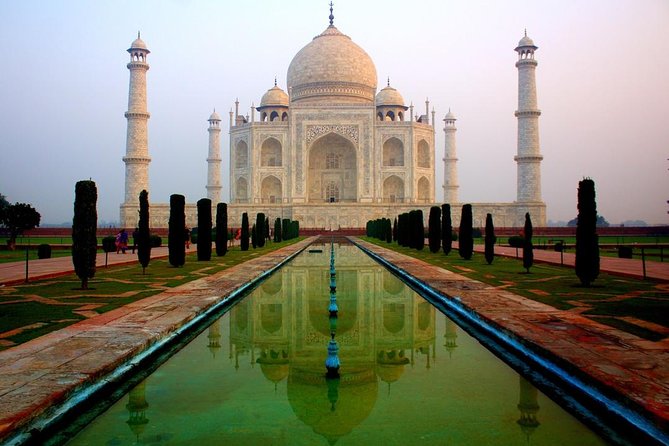
You spend around three hours at the Taj Mahal area. The key detail is how you enter. Your guide meets you at the Taj and provides your admission tickets, which helps you avoid the worst queue crush. That doesn’t make the Taj smaller, but it makes your arrival smoother, and you can put more attention on the building instead of the line.
Once inside, your guide leads you through the Taj Mahal experience. You still have time to explore on your own during that window, but the guided start is useful. It helps you understand what you’re looking at right away: where to stand for the most classic angles, how the view changes as you walk, and what to notice so you don’t just take photos without context.
At dawn, the experience is about light and proportion. The white marble can look almost pinkish or warm depending on the sky, and the shadows help emphasize the carvings and inlay. If you’re going for atmosphere, this timing is the whole point.
Possible drawback? The Taj is still the Taj—high demand and lots of walking. Sunrise helps with crowds, but you’ll still want comfortable shoes and a realistic pace for that three-hour block.
Agra Fort right after: switching from romance to power
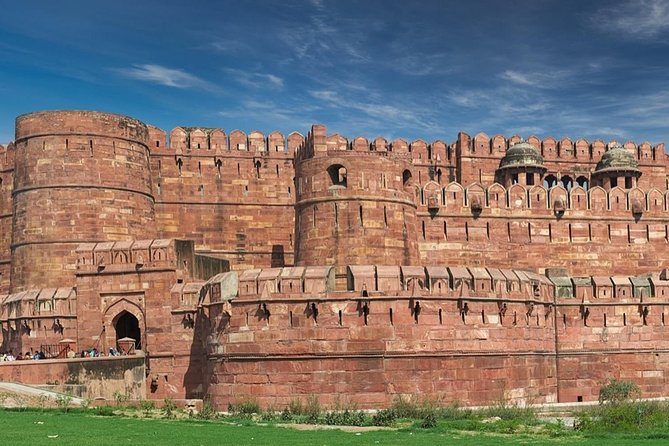
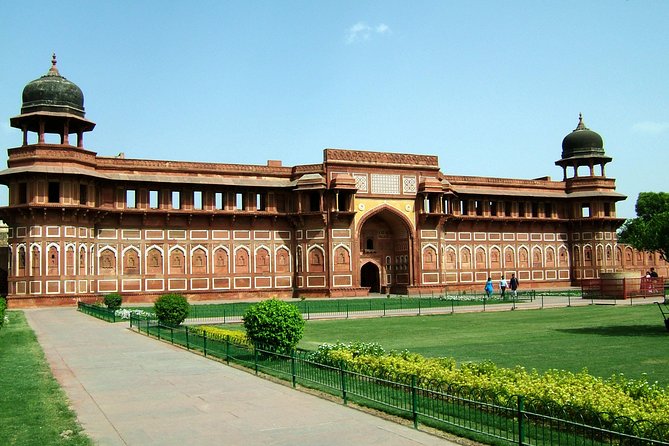
After the Taj Mahal, you head to Agra Fort, with about an hour there. This stop is valuable because it contrasts the Taj’s softness. Agra Fort is more fortress-minded: walls, structure, and the feel of control over the city and river.
Here again, queue management is part of the setup. Your guide provides access permits so you can avoid ticket queues, and you can go in without losing time to basic friction. One hour is not long enough to become an Agra Fort expert, but it is enough to get oriented and see the main areas.
What I like about this pairing is the mental reset. Taj Mahal can make you feel like you’re inside a dream. Then Agra Fort brings you back to history you can feel in the stone. If you care about understanding how a city worked—not just what it looks like—Agra Fort earns its slot.
Itmad-ud-Daulah (Baby Taj): the calm finale
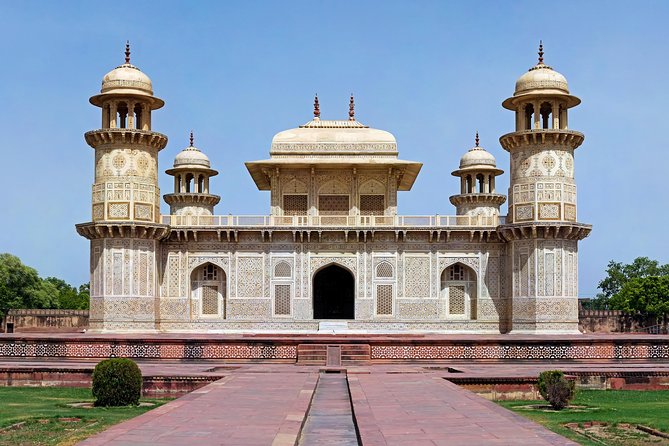
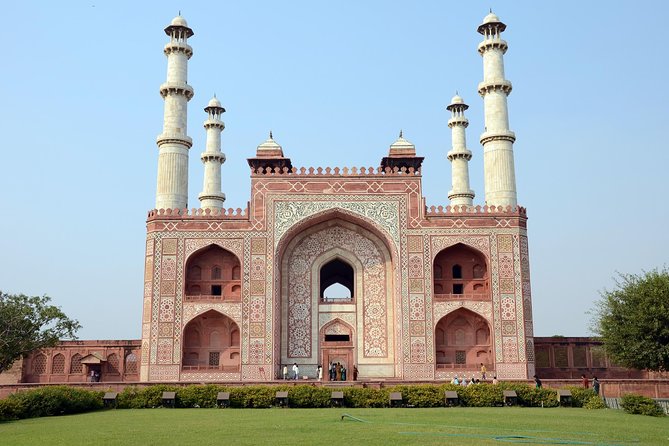
After lunch, you visit Itimad-ud-Daulah, often called the Baby Taj. This is a great final monument because it’s smaller and less overwhelming than the headline sights. You get about 30 minutes here with a guided tour.
The real advantage of including Itmad-ud-Daulah in the same day is variety. If the Taj and Agra Fort dominate your day, you might leave only remembering scale. Baby Taj helps you remember detail: carvings, symmetry, and the way white marble settings can feel delicate instead of monumental.
Timing helps too. By the time you reach Itmad-ud-Daulah, you’ve already done the big-ticket sights, so you can enjoy this one without feeling rushed. For people who like photography, it also gives you a different visual tone than the Taj’s iconic front view.






DoubleTree by Hilton Agra meal stop: good value when chosen
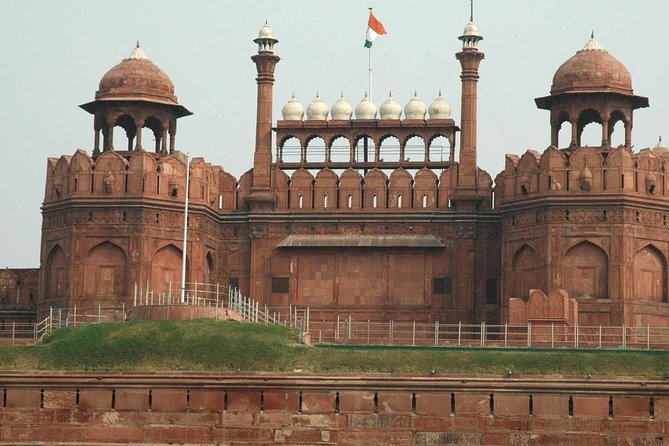
The itinerary includes a meal stop at DoubleTree by Hilton Hotel Agra, and it can be either a buffet breakfast or a buffet lunch depending on your schedule. This is listed as an included feature if you choose the Meal option.
Here’s what this does for you: it prevents the classic day-trip problem where you’re starving somewhere random with unclear food safety and uncertain timing. A set restaurant stop also reduces the need to hunt for food while you’re trying to stay on schedule for monuments.
The details that matter:
- It’s a buffet style at the hotel
- Drinks are not included with lunch (so plan on paying for beverages separately)
- You get about an hour for this break, which is enough time to eat and reset
If you have dietary needs, don’t assume the buffet will match exactly what you eat every day. But having a known hotel restaurant is often easier than improvising in a tight morning-and-afternoon plan.
Guides and drivers: where the real experience quality shows
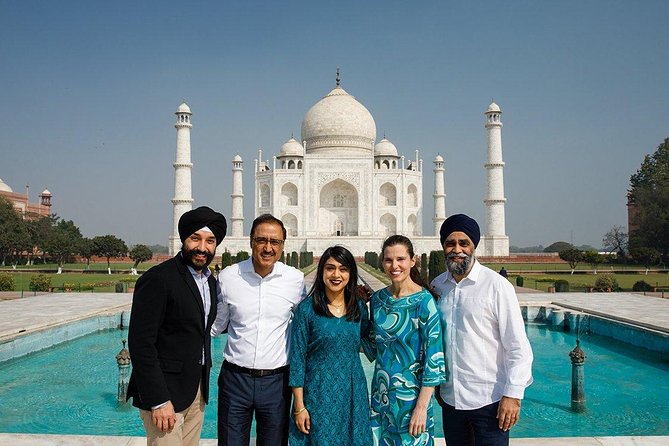
The “tour guide” part is not fluff in this setup—it’s a practical advantage. You get a private live guide as per the itinerary, and you’ll also ride with a private driver in an A/C vehicle.
From real-world feedback tied to this style of tour, a standout theme is clear communication and good coordination. For example, one guide named Sahil paired with a driver named Ashka delivered a complete experience with detailed explanations and smooth airport-to-Agra handling. Another driver, Akash, was noted as being early to pickup a solo participant, which is a big relief when you’re relying on a dawn start. A guide named Raj was also praised as an excellent choice for the Taj portion.
Even the small things matter: using simple tech help when language gets tricky, and making sure you understand what happens next. When you are moving between monuments, you don’t just want someone who knows facts—you want someone who helps you navigate the day.
If you want to get the most out of the Taj Mahal time, pay attention to how your guide frames what you see first. That first 20 minutes can decide whether the rest of your visit feels effortless or confusing.
Price and value: how $10 can still make sense
The price shown is about $10 per person, which is low compared to many private monument tours. The value comes from what’s included and what’s optional.
Included basics that reduce your costs:
- Pickup and drop-off from the Delhi-area range
- Private A/C car for the whole sightseeing day
- Complimentary water bottles
- All parking fees, tolls, fuel, and taxes
- A private live tour guide following the day’s flow
Then you have two optional adds that change what “good deal” means for you:
- Monument tickets are included only if you pick the tickets-included option
- Meal at DoubleTree by Hilton is included only if you pick the meal-included option
So when judging value, think like this: you’re paying for transport, a guide, and time efficiency. If you also choose the ticket and meal options, you’re turning the day into something much closer to a bundled package with far fewer extra purchases at the last minute.
One more way to think about value: sunrise Taj Mahal days can be expensive because of timing and logistics. A tour that handles ticket coordination and avoids queue time is worth paying for, even if the headline price looks surprisingly friendly.
Practical tips so you enjoy every stop (not just the big one)
A day like this rewards preparation. Since you’re doing dawn light, a fort, and then Baby Taj plus lunch, small comfort choices matter.
- Wear comfortable shoes. You’ll be walking more than you expect, especially at the Taj.
- Bring a light layer. Mornings can feel cool in north India even when the day warms up.
- Don’t overpack your day with extra stops. This schedule is already full; add nothing that forces you to rush between monuments.
- If you’re photo-focused, plan to shoot in bursts. The Taj is a place where you’ll want to pause often rather than constantly moving.
- If you selected the Hilton meal option, treat it as your energy reset. Eat, drink water, and don’t snack so heavily that buffet food feels like a chore.
Also keep expectations realistic about time windows. Taj Mahal gets about three hours, Agra Fort about one, and Itmad-ud-Daulah about 30 minutes. You’ll enjoy the day most if you treat Agra Fort and Baby Taj as purposeful highlights, not as deep-dive museum days.
Who this tour suits best (and who should reconsider)
This tour is ideal if:
- You have limited time in India and want a full Agra hit in one day
- You care about sunrise Taj Mahal timing
- You prefer private transport and a guide who handles on-site coordination
- You want queue stress reduced through ticket/permit handling
It may be less ideal if:
- You hate early starts and long drives
- You prefer unstructured days with long free time at each site
- You need a very flexible schedule, since the monument sequence is designed for efficiency
It’s built for people who want to see the big three without turning the trip into a logistics problem. For solo visitors, it can also be a good match because you still get the full private guide support, and pickup timing matters a lot on a sunrise day.
Should you book this sunrise Taj Mahal + Agra Fort + Baby Taj tour?
If you want the Taj Mahal in the morning light and you value smooth logistics, I think you should consider booking. The standout practical strengths are ticket-handling support, a private A/C car, and a guide-led flow that keeps you moving without losing the chance to explore. The optional meal at DoubleTree by Hilton is also a smart way to avoid messy meal hunting mid-schedule.
Before you book, make your decision based on two questions. First, are you ready for an 11 to 12 hour day? Second, will you choose the ticket and meal options if you want the most “all-in” value?
If the answer is yes, you’ll likely get exactly what this format promises: a tightly run Agra day that hits the essential monuments with less friction and more time to actually enjoy what you came for.
FAQ
How long is the Delhi to Agra sunrise tour?
It runs about 11 to 12 hours in total, including travel time and sightseeing.
Where does pickup and drop-off happen?
Pickup and drop-off are offered to anywhere in Delhi, Noida, Gurugram, Ghaziabad, and Faridabad.
Are monument tickets included?
Monument tickets are included only if you choose the tickets included option.
Is a meal included?
A buffet meal at DoubleTree by Hilton Agra is included if you choose the meal included option. Drinks with lunch are not included.
Do I need to line up for entry at the Taj Mahal and Agra Fort?
No—your guide meets you at the Taj Mahal and provides admission tickets, and the guide also provides access permits for Agra Fort to help you avoid ticket queues.
What is the cancellation policy?
You can cancel for a full refund up to 24 hours before the experience starts. If you cancel less than 24 hours before, the amount paid is not refunded.