REVIEW · NEW DELHI
Full Day Old Delhi Food, Heritage, Cultural experience&visit Masterji Kee Haveli
Book on Viator →Operated by Masterji kee haveli dot com · Bookable on Viator
Old Delhi hits your senses fast. This small-group day mixes rickshaw rides with market walking, breakfast, street-food sampling, and a proper meal at Masterji Kee Haveli. I love the small group size (max 10) because the streets feel chaotic, yet you still get time to ask questions and take it all in. I also love how the food stops are paired with the places behind them, from Chandni Chowk’s wedding trade to Khari Baoli’s spices. The main drawback to plan for is the early start and lots of walking in crowded lanes, so comfortable shoes and patience matter.
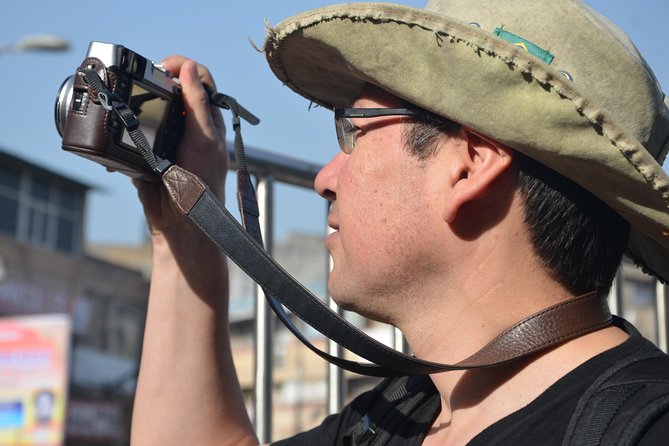
You’ll also get a complimentary online photo album with photographer-snapped mementos. That’s useful here because Old Delhi can move fast—having someone watching the timing means fewer missed shots of both you and the food.
One more practical note: there’s a dress code for places of worship, and women must cover knees and shoulders (no shorts). If you show up dressed for comfort and respect, your day runs smoother.
In This Review
- Key things to look forward to
- Old Delhi by Foot and Rickshaw: how the day flows
- Breakfast and Chandni Chowk Wedding Market: start with the trade behind the sights
- Khari Baoli Spice Market to Gurudwara Sis Ganj Sahib: senses, then quiet
- Kinari Bazar and Dariba Kalan: embroidery and jewelry streets to watch for
- Masterji Kee Haveli dinner and the haveli courtyard meal
- Food included: how to plan what you actually taste
- Price and time value: what $141.25 buys you
- Who should book this Old Delhi food and heritage day
- Should you book Masterji Kee Haveli’s Old Delhi tour?
- FAQ
- How long is the Old Delhi food and heritage experience?
- What time does the tour start, and where do I meet?
- Is there a hotel pickup or drop-off?
- What’s the group size limit?
- What food and drinks are included?
- Do I need to buy tickets for the stops?
- Are rickshaw rides included?
- Is there a dress code?
- What is the cancellation policy?
Key things to look forward to
- Max 10 travelers means you’re not stuck shouting over a crowd
- Street-food tasting plus full meals keeps you fueled for walking and browsing
- Cycle and electric rickshaw rides help you cover Old Delhi without doing it all on foot
- Chandni Chowk, Khari Baoli, and major bazaar streets give you a full sense of how the city trades
- Gurudwara Sis Ganj Sahib adds a calm, cultural stop that’s not just sightseeing
- Dinner (early meal) at Masterji Kee Haveli takes you into a rare surviving haveli setting
Old Delhi by Foot and Rickshaw: how the day flows
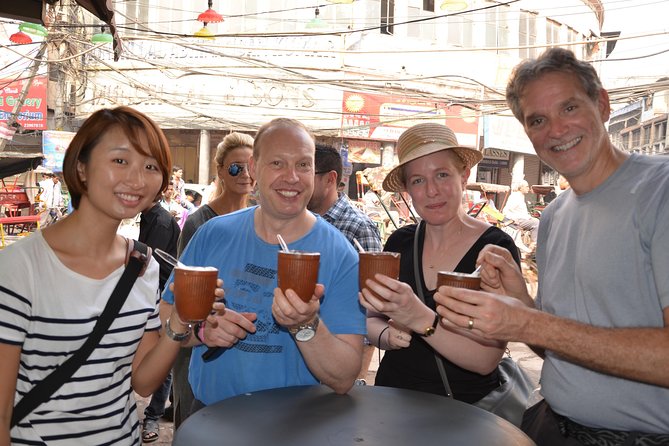
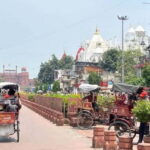
This is a full-day experience designed for the reality of Old Delhi: tight lanes, busy markets, and the feeling that you’re always one turn away from something new. You start in the Old Delhi area and spend about 6 to 7 hours moving through the city. The tour also uses cycle and electric rickshaw rides, which is a big deal. You still walk, but the rides break up the long stretches and get you across busier sections without constant backtracking.
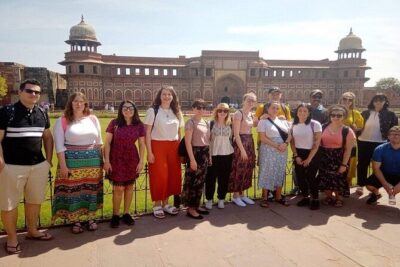
Group size is capped at ten, and that shows in how the day feels. Instead of a fast line through photo stops, you get room to slow down at markets and actually understand what you’re looking at. The format also includes a local friend—storyteller and photographer—so you’re not just eating randomly; you’re hearing what certain foods and trades are tied to.
One practical point: there’s no hotel pickup or drop-off, and the tour ends back at the same meeting point. So you’ll want a simple plan to get to the start location near Ajmere Gate Rd (Bazar Sirkiwalan, Chawri Bazar, Old Delhi).
You can also read our reviews of more food & drink experiences in New Delhi


Breakfast and Chandni Chowk Wedding Market: start with the trade behind the sights
The morning kicks off at Chandni Chowk, known for the Wedding market. This isn’t just one street with souvenirs. You’re walking through wholesale and local bazaars where merchants sell everything wedding-related—from bridal items and shoes to the kind of supplies that make big celebrations possible.
What I like about starting here is the way it sets context. Chandni Chowk can look like one giant blur when you visit on your own. With this tour structure, you learn to notice categories: what’s sold in bulk, what’s tailored, and how the market serves people coming from different parts of the city. It’s also a great place for people-watching, because wedding trade brings energy—shoppers comparing, shopkeepers gesturing, and the whole place humming.
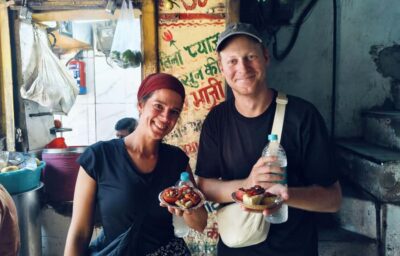
You’ll also build momentum early with breakfast and then keep the energy up as the day continues. The tour includes tea/coffee/lassi along the way, plus street-food tasting. That matters here because Old Delhi is not a sit-and-stroll place. You want enough fuel to stay curious instead of hunting for food every time you get hungry.
Possible consideration: this area can be intense. If you’re sensitive to crowds or strong smells, you’ll still be fine, but you’ll want to keep a steady pace and focus on what your guide is pointing out.
Khari Baoli Spice Market to Gurudwara Sis Ganj Sahib: senses, then quiet
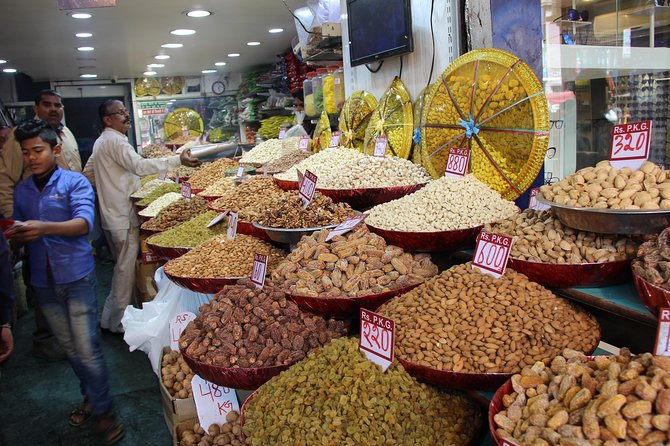
Next comes Khari Baoli, the Spice Market. It’s described as Asia’s largest wholesale spice market, selling spices, nuts, herbs, and food products like rice and tea. Since it’s a wholesale lane, you’ll notice how merchants move in volume—jars, sacks, measuring, and the kind of busy routine that exists because people buy here to stock up.
This is where your senses get a workout in a good way. Spices aren’t just flavor here; they’re part of daily commerce. The tour stop being short (around 30 minutes) is actually helpful. You get the impact without getting stuck in one lane too long.
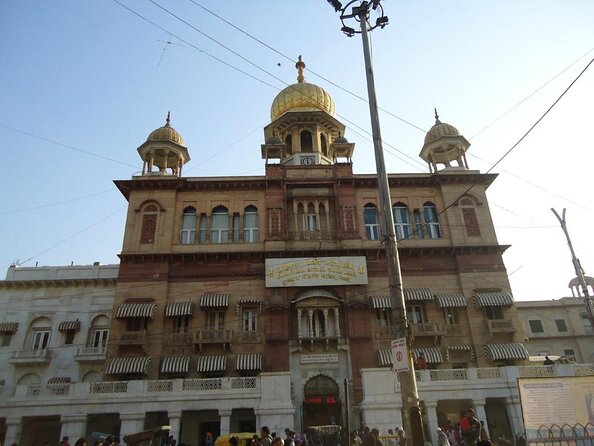
From there, you shift into a very different mood at Gurudwara Sis Ganj Sahib. This is one of the nine historical gurudwaras in Delhi, originally constructed in 1783 to commemorate the martyrdom site of the ninth Sikh Guru, Guru Tegh Bahadur. Even if you’re not religious, this is a meaningful stop because it adds perspective. Old Delhi isn’t only markets and temples as scenery; it’s a living mix of faith, memory, and community.
You’ll have time at the gurudwara (about 30 minutes). This is also where the dress code becomes important. Knees and shoulders must be covered (women: shoulders and knees specifically), and no shorts are allowed. If you plan ahead with the right clothing, you won’t feel rushed at the entrance.
Kinari Bazar and Dariba Kalan: embroidery and jewelry streets to watch for
After the big sensory contrast of spices and worship space, you move into craft and fashion trade. Kinari Bazar is known for embroidery items like lace, thread work, embellishments, borders, stonework, gold/silver work, and garlands. For anyone who likes detail, this is a great stop because you’re not just looking at one shop; you’re seeing the components that make clothing and celebration items special.
The tour gives you about 1 hour here, which is enough time to understand what’s being made and why it matters for special occasions. If you’re thinking about buying something, Kinari Bazar is the kind of place where prices and quality can vary widely. Even if you don’t buy, it’s worth pausing to compare materials and the types of finishing used—because that’s what turns a generic product into something that looks ceremonial.
Then comes Dariba Kalan, a 17th-century street in the Old Delhi area (also associated with Chandni Chowk). Many shops trade in gold, silver, diamond, and costume jewelry, and some also deal in authentic itt. The stop here is around 30 minutes, so treat it like a focused walk: notice the storefronts, the variety, and the way the street specializes.
One thing I’d keep in mind: jewelry streets can encourage impulse buying if you’re tired or distracted. The good news is the tour schedule is short and guided, so you can keep your attention on what you want to see rather than getting pulled too deep into sales talk.
Masterji Kee Haveli dinner and the haveli courtyard meal
The centerpiece of the day (after the markets and food) is the visit to Masterji Kee Haveli, including an early dinner meal. The haveli is described as one of the last standing havelis in Old Delhi, and that’s exactly the point. A lot of Old Delhi is brick and bustle, but havelis are the inside story: courtyards, family spaces, and a sense of how people lived around a central open area.
This part isn’t just about the building. The tour also includes a meal with a local family, and it includes dinner served early at the haveli. That combination matters because eating with context beats eating on autopilot. You’ll likely find the meal pace calmer than the streets, giving your day a natural landing spot.
Dinner at a place like this also makes the earlier stops feel more connected. The wedding market isn’t random. The embroidery streets aren’t random. The spices aren’t random. It all points back to how culture, trade, and daily life overlap in Old Delhi.
If you’re the type who gets worn down by constant walking, this meal stop is a good moment to reset. Bring a little appetite control—between breakfast, snacks, tea/coffee/lassi, street-food tasting, and lunch, your stomach may already be keeping score.
You can also read our reviews of more tours and experiences in New Delhi




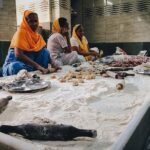
Food included: how to plan what you actually taste
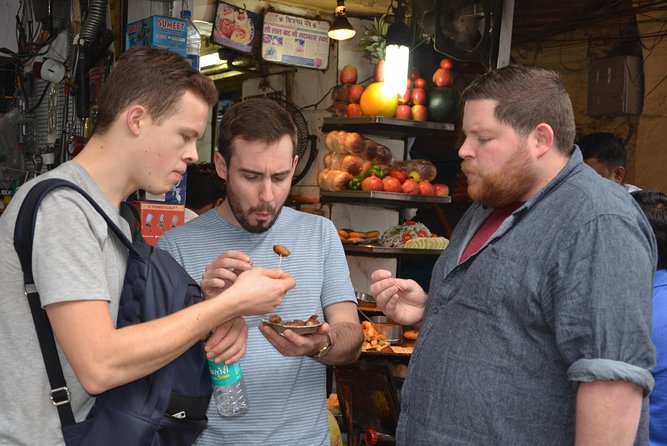
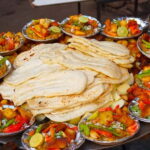
This tour is structured so you don’t just eat one big meal. You get street-food tasting, lunch, and breakfast, plus drinks like tea/coffee/lassi and bottled water. It’s also all included in the price, along with taxes and fees.
So how do you handle it without feeling like you’re forcing food? I suggest you:
- Start with small bites during street tastings and save room for the main lunch/dinner portions
- Pace yourself during Khari Baoli and Kinari Bazar so your appetite stays steady
- Take your time at the haveli meal stop, because that’s the one where the meal experience usually feels more seated and slow
This is a good tour if you want a “best of Old Delhi” approach but don’t want to spend your day choosing where to eat. It’s also good if you don’t want to worry about navigating market streets alone.
Price and time value: what $141.25 buys you
At $141.25 per person, this is not the cheapest thing in Old Delhi—but it’s not a pure sightseeing ticket either. You’re paying for a full day of guided market routing plus multiple meals and drinks, street-food tasting, and both cycle and electric rickshaw rides. The tour also includes a local friend/storyteller/photographer style of hosting and a complimentary online photo album.
In other words, a big chunk of the value is convenience and access. Old Delhi is famous, which means it’s also easy to waste energy trying to find your next step—especially if you’re not familiar with how markets cluster (wedding items here, spices there, craft streets nearby). With this structure, you’re covered.
Time matters too. At 6 to 7 hours, you get a full arc from morning trade markets through craft streets and into a haveli courtyard dinner. That’s a realistic day plan for first-time visitors who want Old Delhi context without turning the trip into a logistical puzzle.
One consideration on value: because the tour has a packed food schedule, you should be comfortable with eating more than one time. If you’re the type who prefers to snack lightly and keep meals minimal, you may want to plan how you’ll handle the quantity.
Who should book this Old Delhi food and heritage day
This tour fits best if you want:
- A guided route through the market core of Old Delhi without feeling lost
- A day focused on food, crafts, and cultural stops rather than monuments only
- A small-group pace (max 10) in one of the busiest parts of the city
- Rickshaw support so you can still enjoy the day even when your legs get tired
It’s also a strong choice if you’re arriving in Delhi and want a way to get oriented fast. Starting at 8:30 am means you’ll beat some later crowds, and finishing back at the meeting point keeps your logistics simple.
If you’re traveling with someone who likes variety—food one minute, worship space the next, then craft markets—this day has the right mix.
Should you book Masterji Kee Haveli’s Old Delhi tour?
If you want Old Delhi through food and culture, with real market context and a haveli dinner that gives the day a calm finale, I’d say yes. The best reasons to book are the small group cap, the mix of street tastings plus full meals, and the way the itinerary connects wedding trade, spices, sacred space, and craft streets.
Skip it only if you strongly dislike crowded lanes or you know you can’t handle a long walking-and-riding day. Otherwise, this is a practical, well-fed way to experience the city’s rhythm without trying to decode it alone.
FAQ
How long is the Old Delhi food and heritage experience?
It runs about 6 to 7 hours.
What time does the tour start, and where do I meet?
The tour starts at 8:30 am at Ajmere Gate Rd, Bazar Sirkiwalan, Chawri Bazar, Old Delhi, New Delhi, Delhi 110006.
Is there a hotel pickup or drop-off?
No. Hotel pickup and drop-off are not included, and the tour ends back at the meeting point.
What’s the group size limit?
The experience has a maximum of 10 travelers.
What food and drinks are included?
You’ll get breakfast, lunch, an early dinner meal at the haveli, street food tasting, and drinks including tea/coffee/lassi plus bottled water.
Do I need to buy tickets for the stops?
The listed admissions for the stops shown are free, and the tour includes all taxes, fees, and handling charges.
Are rickshaw rides included?
Yes. The tour includes cycle / electric rickshaw rides.
Is there a dress code?
Yes. A dress code is required for places of worship and selected museums. No shorts are allowed, and for women knees and shoulders must be covered.
What is the cancellation policy?
You can cancel for a full refund up to 24 hours before the experience’s start time. If you cancel less than 24 hours before, the amount paid is not refunded.