REVIEW · NEW DELHI
Indian Cooking Class in an Authentic Local Home – Learn 6 Dishes
Book on Viator →Operated by Explore Real India · Bookable on Viator
If you like your travel lessons with a spoon in hand, this one fits. This small-group cooking class in a local Delhi home turns North Indian food into a practical, hands-on skill you can repeat at home. You learn the method from spices and ingredients first, not from a restaurant shortcut, then sit down together at the end.
I really like that it’s max 8 people, so the host can slow down and correct your technique as you go. I also love the home-kitchen format: it’s not a studio, so you feel the day-to-day rhythm of an actual Indian family meal.
One thing to consider: it’s a private home experience, so timing matters. If you arrive late or can’t follow the meeting point directions, you’ll lose part of the instruction window.
In This Review
- Key points worth your time
- A Family Kitchen in Greater Kailash: Why This Cooking Class Works
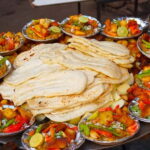
- What You’ll Cook: Curry, Rice, Multiple Breads, and Dessert
- How the Lesson Flows: From Spice Basics to Hands-On Cooking
- Meeting Point in New Delhi: Getting to R-142 GK-1 Without Stress
- Why the Hosts Matter: JD and His Dad’s Teaching Style
- Lunch, Tea, Bottled Water, and Dinner: What’s Included (and Why It’s Good Value)
- Vegetarian and Non-Veg Options: Choose What Fits Your Plate
- Learning Technique, Not Just Recipes: How This Helps You Cook Back Home
- Practical Tips: What to Wear, How to Plan Your Timing
- Who This Cooking Class Is Best For
- Price and Logistics: A Fair Deal for Delhi’s Home-Kitchen Experience
- Should You Book This Indian Cooking Class?
- FAQ
- How long is the Indian Cooking Class in New Delhi?
- How many dishes do I learn in the class?
- What’s included in the price?
- Is it vegetarian-friendly?
- How big is the group?
- Where do I meet for the experience?
- How do I get confirmation and join instructions?
- Is the space comfortable for the class?
- What happens if weather is bad or the class can’t run?
Key points worth your time
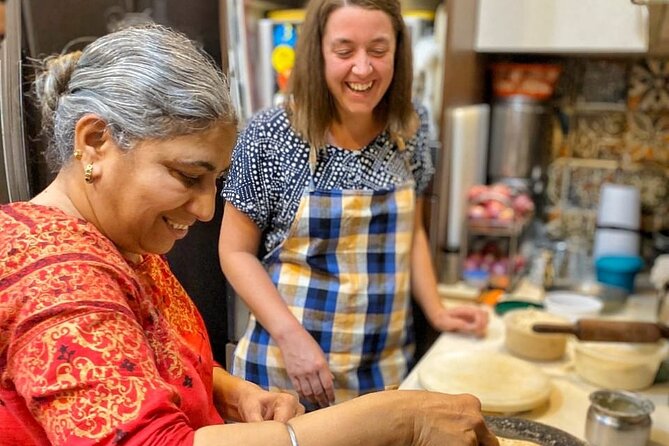
- 6-dish meal learning built around curry, rice, multiple breads, and a dessert
- Spice-first teaching that explains why flavors and aromas work
- Family-style hands-on cooking in a real home kitchen (not a classroom demo)
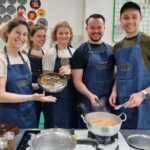
- Small group atmosphere (max 8) for more attention and easier questions
- Air-conditioned comfort and restrooms for a smoother afternoon/evening
A Family Kitchen in Greater Kailash: Why This Cooking Class Works
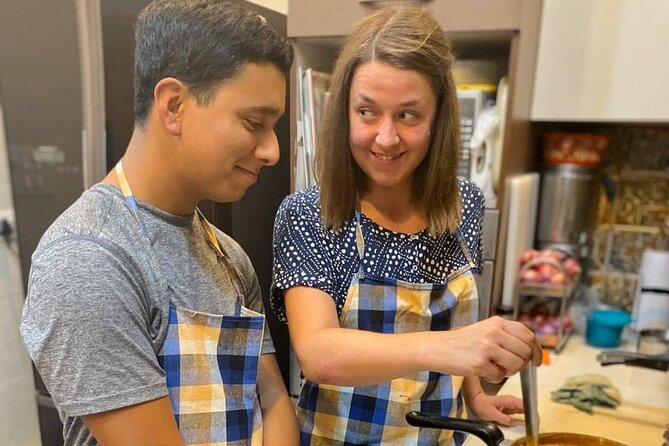
This experience is built around a simple idea: if you understand spices and technique, you can cook Indian food beyond just copying recipes. In New Delhi, that means you’re not standing in front of a screen. You’re in the kitchen with JD and his dad, learning step by step in a family home in Greater Kailash.
The vibe is part instruction, part family meal. You start with the ingredients and the reason behind each move, then you build a full spread—so the class ends the way Indian food often does: with everyone sharing and talking.
The small group size matters more than you might think. When there are only a handful of people, you get feedback while your hands are still warm and your questions are still fresh. That’s the difference between tasting something and actually learning to cook it.
You can also read our reviews of more cooking classes in New Delhi


What You’ll Cook: Curry, Rice, Multiple Breads, and Dessert
The class is described as a 6-dish learning experience, and the meal components line up clearly. You’ll prepare a main dish (often curry-style), a rice dish, three types of bread, and a dessert to finish.
Even if you’re not an expert cook, the structure helps. You’re not jumping between random recipes. You’re learning how one base idea and spice logic can turn into different breads and different flavor profiles.
A few extra details that make this feel more than just “a class”:
- You focus on how spices shape flavor and aroma, not just when to add them.
- You learn that breads aren’t one-off tricks; there’s technique you can reuse.
- The dessert matters here—because Indian meals often land their sweetness intentionally, with a plan, not a last-minute afterthought.
Some sessions are described as producing more than six dishes in the final spread, but the main promise stays consistent: plan on a full meal you helped create.
How the Lesson Flows: From Spice Basics to Hands-On Cooking
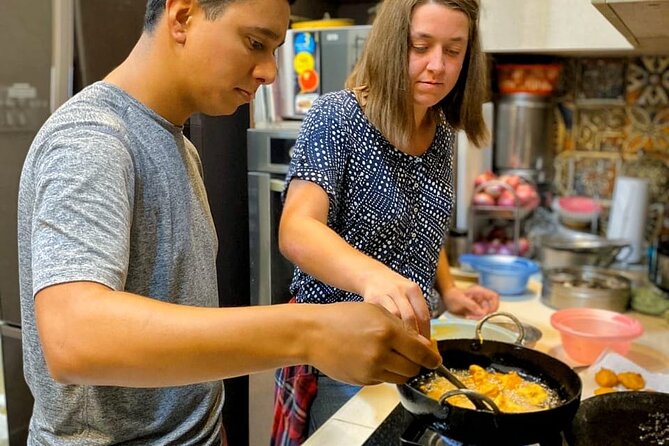
This isn’t the kind of cooking class where you watch mostly. The format is hands-on, with you actively preparing and learning methods as you go.
You’ll typically begin with an overview of the ingredients and spices—how each one contributes to the final taste. That spice-first approach is the backbone of Indian cooking, especially for curry-style dishes, where balance is everything.
From there, you move into the core tasks:
- Working on the main dish and how spices build depth.
- Getting your rice to the right texture and base level.
- Making three breads, which usually means different dough handling and cooking methods.
- Finishing with a dessert that gives the meal a complete ending.
One practical advantage comes through in the way the cooking is taught: you’re less likely to spend your time stuck chopping. In multiple experiences, people highlight that the host helps keep the work efficient so you get more time actually cooking and understanding what you’re doing.
Meeting Point in New Delhi: Getting to R-142 GK-1 Without Stress
The meeting point is listed at R-142 Greater Kailash-1 (Gk-1), Block R, part-1, at Bindra’s House, New Delhi 110048. It’s also noted as being near public transportation, which helps if you’re not starting by private car.
Because this is in a residential area, I’d plan to arrive a bit early. Not because you’ll be rushed, but because a home meeting point is less like a landmark and more like a specific address. If you’re using your phone for navigation, give yourself enough buffer to confirm you’re at the right gate.
Once you arrive, the host family setup is part of the experience. One common detail in the write-ups is the warm welcome—chai and biscuits—before you head into the kitchen and start prep.
Why the Hosts Matter: JD and His Dad’s Teaching Style
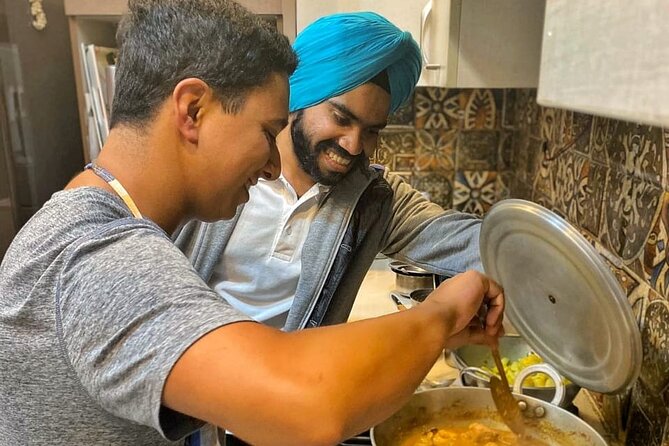
This is one of those tours where the “how” matters as much as the “what.” JD and his dad are repeatedly described as welcoming, patient, and genuinely helpful, and that shows up in how people talk about the learning.
A few strengths to look for in this kind of teaching:
- Patient explanations while you’re cooking, not after you’re done.
- Clear reasoning for techniques, so the dish doesn’t feel like a mystery.
- Attention to hygiene and readiness in the kitchen space.
If you’ve taken classes in big commercial studios, you’ll probably notice the difference fast. Here, the home setup makes it easier to ask practical questions and get a straight answer.
If you’re a solo traveler, that matters too. At least one solo participant specifically noted feeling at ease in the home environment, which is a good reminder that you’re not just being processed—you’re being hosted.
You can also read our reviews of more tours and experiences in New Delhi




Lunch, Tea, Bottled Water, and Dinner: What’s Included (and Why It’s Good Value)
The price is $50.22 per person, and the value is strongest when you look at what’s actually included. You get lunch, coffee and/or tea, bottled water, and dinner.
That’s not just “food on the side.” It changes how you experience the day. You’re not doing a quick lesson and then scrambling to find a meal. You’re cooking, then eating what you made as part of the family-style wrap-up.
This also affects comfort. If you’ve been moving around Delhi all day, having meals covered helps you pace yourself. And since the class includes both lunch and dinner, you’re basically turning it into a structured evening with a real payoff.
The tour also notes that the space is fully air-conditioned and has restroom facilities, which is a big deal in summer heat and also just makes the class feel more relaxed.
Vegetarian and Non-Veg Options: Choose What Fits Your Plate
The course states there are vegetarian and non-veg options, so you can match the cooking to your preferences. One review also points out dietary requirements are accounted for, which is a strong sign that the hosts don’t treat diet as an afterthought.
If you have dietary restrictions, message ahead if anything is critical—especially if it involves allergies or very strict needs. The data we have confirms options exist, but it doesn’t list every possible modification, so asking early is the safest way to make sure the menu fits you.
Learning Technique, Not Just Recipes: How This Helps You Cook Back Home
The best souvenir from a cooking class isn’t spice packets or a photo. It’s a method you can repeat.
This class is explicitly taught from generational technique—food methods passed through families, starting with how each ingredient and spice changes the dish. That’s why the lesson emphasizes the logic behind flavor and aroma.
Here’s what that means for you when you return home:
- You’ll understand why a spice is added and how it transforms.
- You’ll see how bread dough handling connects to the final texture.
- You’ll get a structured way to think about building a curry and balancing it.
When a class teaches only recipes, you’re stuck if your kitchen has different equipment or your ingredients aren’t identical. When a class teaches technique and spice logic, you can adapt.
Practical Tips: What to Wear, How to Plan Your Timing
You’re in a kitchen in a private home, so dress for comfort. You’ll likely be doing hands-on prep and standing at workstations for parts of the session.
Also plan on an active 2.5-hour experience (about 2 hours 30 minutes). It’s long enough to do real cooking, but it’s not an all-day commitment. That makes it a great way to balance sightseeing with skill-building.
Because it’s a mobile ticket experience, make sure your phone battery is charged the day of. Confirmation is also sent at booking, along with joining instructions, so keep an eye on your email or app notifications.
Finally, the experience requires good weather. If conditions aren’t right and it gets rescheduled or canceled, you’ll be offered another date or a full refund, depending on how it’s handled.
Who This Cooking Class Is Best For
This is a great choice if you want:
- Authentic home cooking you can actually learn from, not just taste.
- A small group where you can ask questions and get feedback.
- A structured meal format that teaches multiple skills in one session.
It also works well for food lovers who care about context. The class includes cultural sharing through food—so you’re not only learning technique, you’re learning the story behind what you’re cooking.
If you’re traveling with someone who loves food but isn’t sure they can cook, this type of lesson can be a confidence builder. The repeated emphasis on hands-on, patient teaching is exactly what helps beginners catch on.
Price and Logistics: A Fair Deal for Delhi’s Home-Kitchen Experience
At $50.22, you’re paying for more than ingredients. You’re paying for:
- A kitchen access fee to a real local home,
- Guided instruction with a small group cap (max 8),
- And multiple meals included (lunch and dinner, plus tea/coffee).
If you compare to restaurant meals, the class gives you food plus education. If you compare to cooking classes in big commercial venues, the home setting is often what makes the lesson feel practical and memorable.
One logistics note to keep in mind: the meeting point is a specific address in Greater Kailash-1, so your success depends on finding it on time. If you’re the type who hates hunting for addresses, double-check directions ahead of your start time.
Should You Book This Indian Cooking Class?
I’d book it if you want an evening (or afternoon) that feels like part of a real Delhi household. The spice-first method, the small group size, and the fact that you cook a full meal in an air-conditioned home kitchen make it a strong value.
Skip it only if you strongly prefer large-group, highly scripted experiences—or if you know you’ll struggle to follow a residential address meeting point. Otherwise, this is the kind of activity that gives you something you can use back home: a way of thinking about spices, bread, and cooking technique that goes beyond one single menu.
If you’re in New Delhi and your schedule can handle a 2.5-hour block, this is one of the more practical food experiences you can choose.
FAQ
How long is the Indian Cooking Class in New Delhi?
The class runs for about 2 hours 30 minutes.
How many dishes do I learn in the class?
The experience is described as learning 6 dishes.
What’s included in the price?
The class includes lunch, coffee and/or tea, bottled water, and dinner.
Is it vegetarian-friendly?
Yes. The experience notes that there are vegetarian and non-veg options.
How big is the group?
It’s small-group cooking with a maximum of 8 travelers, and the activity information also states a maximum of 10 travelers.
Where do I meet for the experience?
The meeting point is at R-142 Greater Kailash-1, Block R, part-1 (Bindra’s House), New Delhi 110048.
How do I get confirmation and join instructions?
Confirmation is received at the time of booking, and instructions are sent so you know how to join.
Is the space comfortable for the class?
The space is fully air-conditioned and includes restroom facilities.
What happens if weather is bad or the class can’t run?
The experience requires good weather. If it’s canceled due to poor weather, you’ll be offered a different date or a full refund. It may also be canceled if a minimum number of travelers isn’t met, with a different date or full refund offered.