REVIEW · NEW DELHI
New Delhi: Indian Cooking Class in a Local Home
Book on GetYourGuide →Operated by Explore Real India · Bookable on GetYourGuide
Spices, chai, and a real family dinner. In New Delhi, this class happens in a local home in GK-1 with JD and his father, not a big cooking studio, so it feels personal from minute one. I love that the meal prep is already underway so you spend more time cooking and tasting, less time watching.
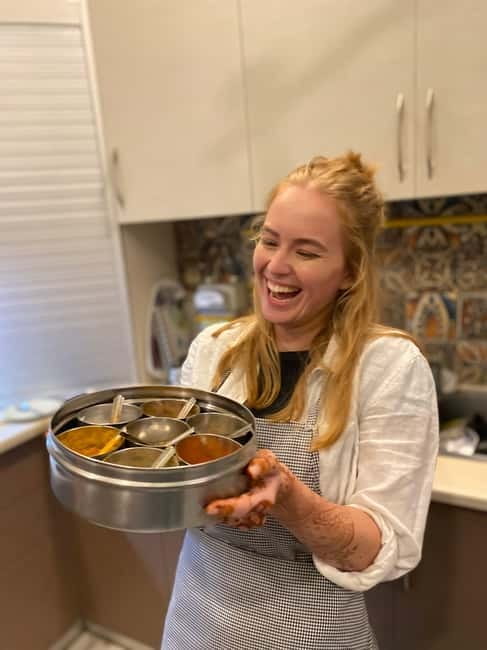
You’ll also like the way the class teaches spices for real-world flavor, not just names in a spice rack. I love the hands-on structure: you work through a full Indian meal—a main dish, rice, multiple breads, and dessert—then sit down together to enjoy it.
One possible drawback: you’re responsible for getting yourself to the meeting address in GK-1, and 2.5 hours is just enough time to learn technique and finish a meal, not to become a curry machine.
In This Review
- Key highlights to know before you go
- A Family Kitchen in GK-1: Why This Delhi Class Feels Different
- The 2.5-Hour Plan: From Tea to Dinner in One Sitting
- Spice Lessons You Can Use Again: Timing, Aroma, and the Last-Step Trick
- Your Menu: Main Dish, Rice, Multiple Breads, Dessert
- Hands-On Instruction with JD and Bindra: Learn the Why, Not Just the How
- Price and Value: What $47 Really Buys in Delhi
- Logistics That Matter: Getting There, Staying Comfortable, and Staying Hungry
- Who This Cooking Class Is Best For
- Should You Book This New Delhi Cooking Class?
- FAQ
- Where is the meeting point?
- How long is the cooking class?
- What is the group size?
- What languages are spoken during the class?
- What will I cook during the class?
- Are ingredients and drinks included?
- Do I get recipes to take home?
- Is the home air-conditioned and are restrooms available?
- Is there free cancellation or a pay-later option?
Key highlights to know before you go
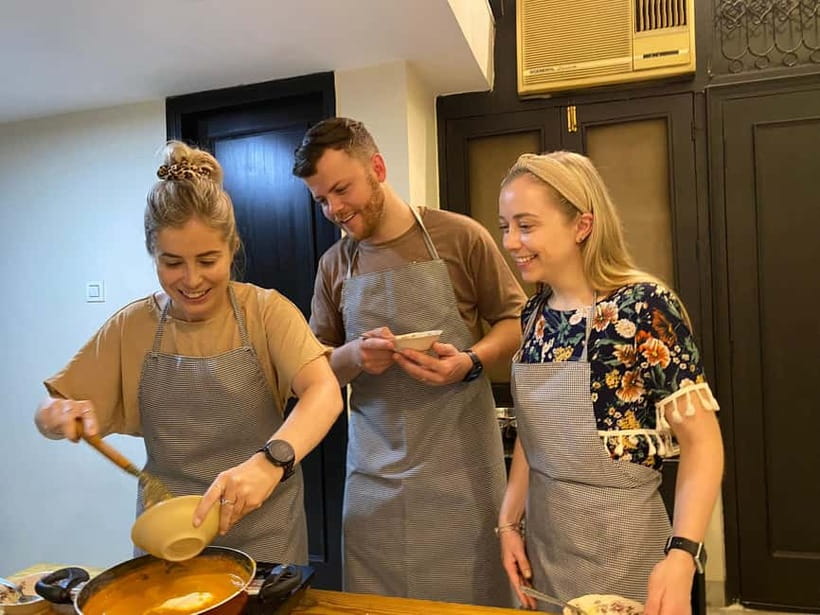
- A family kitchen, not a studio: You’re welcomed into a home setting with JD and his father as your hosts.
- Fresh ingredients and a tight flow: Many steps are ready when you arrive, keeping the class efficient.
- Spices explained with timing: You learn how spices change aroma and flavor, including last-step additions.
- Full meal, not a sample: Main dish, rice, breads, and dessert are all part of the experience.
- Small group limit: Up to 10 participants means you can ask questions and get real attention.
- Air-conditioned home and restroom access: Comfortable basics are handled for you.
A Family Kitchen in GK-1: Why This Delhi Class Feels Different
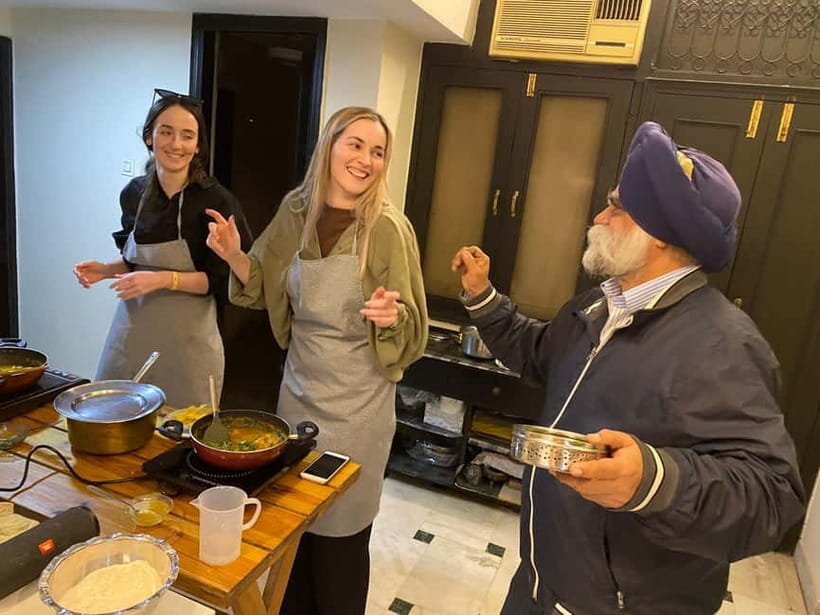
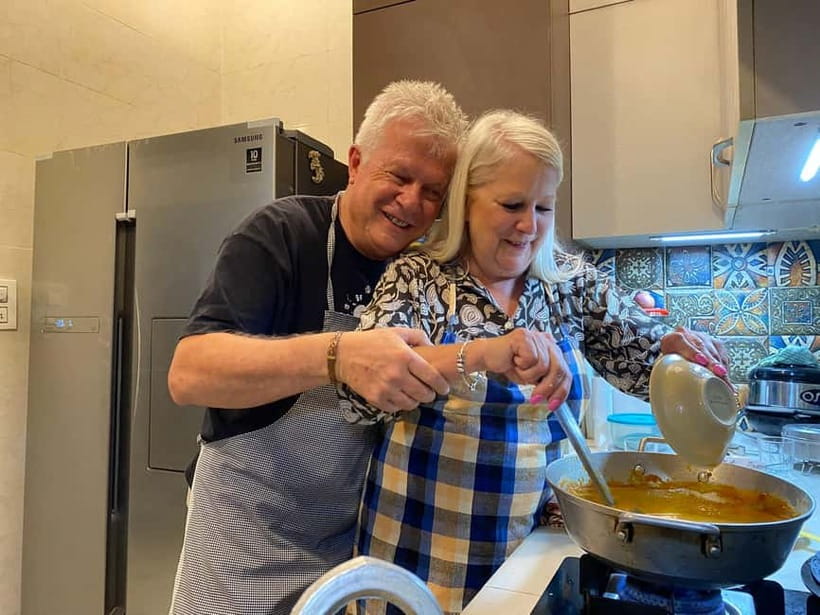
This cooking class is built around one simple idea: learn Indian food by cooking Indian food in an actual family home. You’ll go to R-142 GK-1 (Bindra’s House), then get pulled into the rhythm of a real kitchen with JD leading the session, and his father (Bindra) also involved.
What changes with a home setup is subtle but important. Studio classes often feel like a performance with props. Here, you’re treated more like a friend getting invited into the kitchen, which makes it easier to relax, ask questions, and try things without fear of messing up the sauce.
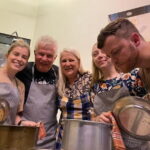
I also appreciate that it’s small. Limited to 10 people, you’re not one face in a crowd. You can hear explanations in English (and there’s also Hindi and Punjabi support), and you’re more likely to get hands-on help when something is cooking too fast or bread dough needs a tweak.
You can also read our reviews of more cooking classes in New Delhi
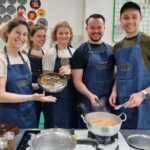


The 2.5-Hour Plan: From Tea to Dinner in One Sitting
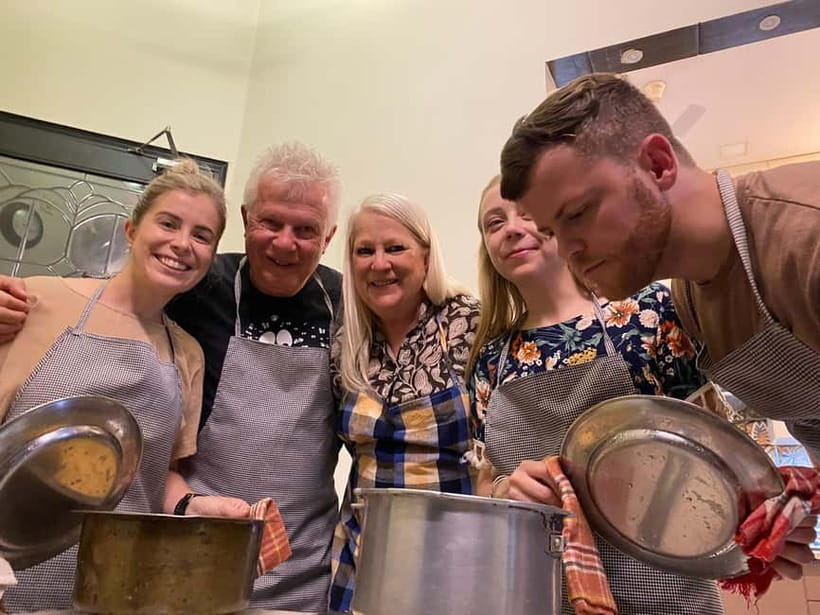
The total time is 2.5 hours, which is exactly long enough to create a full meal and learn the logic behind it. The pace is part of the value here. You’re not taking a day off for one taste; you’re working through a sequence and then eating the results.
A typical flow goes like this:
You arrive at the meeting point in GK-1 and are welcomed into the home. Drinks are included, and tea is part of the experience—some hosts in past sessions have offered house-made chai at the start. You’ll usually meet your guide (JD) and get a quick orientation before the cooking begins.
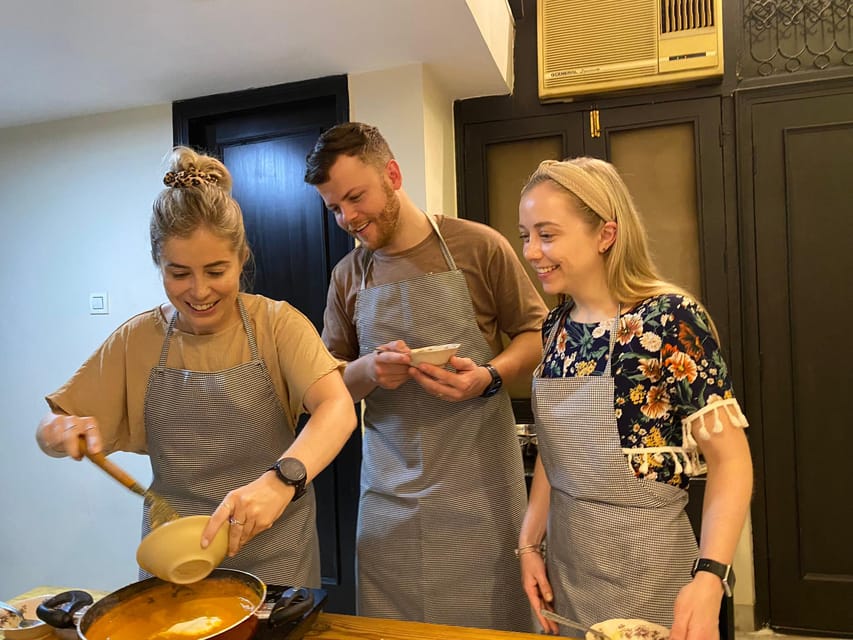
Then you move into the kitchen work. Ingredients are handled and portions are set up so you can focus on cooking steps rather than scrambling for items or re-measuring everything. That matters because Indian cooking is timing-heavy: what you do early sets up what tastes good later.
Next comes the main dish and rice. In past classes, groups have cooked chicken curry types such as butter chicken, and lemon rice has shown up as a rice dish. There are also times when both vegetarian and non-vegetarian curries are prepared, depending on the session.
Along the way, you’re not just following motions. JD explains what spices are doing and when they go in. One repeated takeaway from earlier sessions: the class emphasizes last-step spice additions—small changes late in cooking that can dramatically change the final taste.
Finally, you make breads and dessert. Breads often come in multiple versions, not just one. Dessert is included, and rice pudding has appeared as a common finish.
At the end, you eat together. This is the best part if you like closure: you cook, learn, then immediately taste what you created while things are still fresh and hot.
Spice Lessons You Can Use Again: Timing, Aroma, and the Last-Step Trick
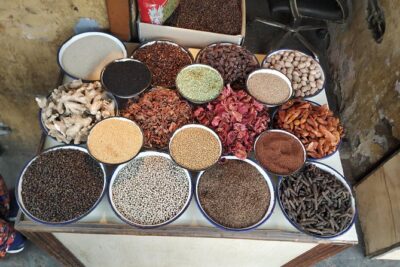
The standout promise here is spice understanding—how spices shape flavor and aroma, not only what’s used. This matters because the same ingredients can taste totally different based on timing and cooking method.
During the class, JD walks you through the reasons behind steps. You’ll learn how spices behave when heated, and why adding some spices earlier creates a different flavor profile than adding them at the end. That last-step idea shows up strongly in people’s feedback: you taste the curry before the final spice additions, then you taste again after. The difference is the lesson.
If you’ve ever tried to replicate Indian food at home and ended up with something that tastes flat, this is the missing link. Many home cooks add spices at one point and hope for the best. Here, you’ll see that the curry’s final character often comes from finishing moves—tiny additions that make the food smell and taste more rounded.
Even if you don’t remember every spice name, you can still use the method: when the spices go in, how the dish smells as it cooks, and how the flavor changes as the sauce thickens.
Your Menu: Main Dish, Rice, Multiple Breads, Dessert
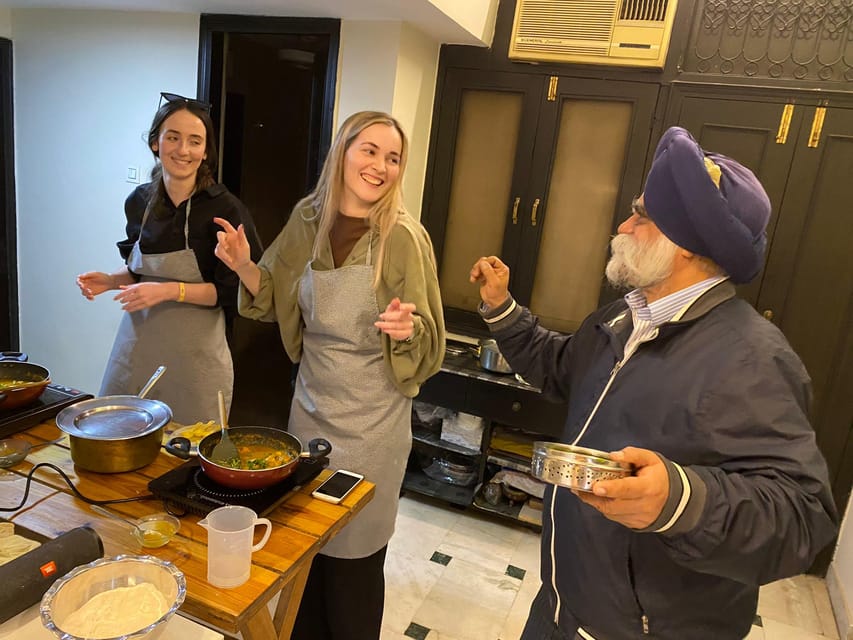
You’ll cook a complete Indian meal. The exact lineup can vary slightly by session, but the structure stays consistent.
Here’s what’s consistently part of the experience:
- A main dish (often a chicken curry style, with some sessions offering vegetarian options too)
- One rice dish (lemon rice has been done in past sessions)
- Multiple breads (you can expect at least two bread types, and many groups end up making three variations)
- A dessert (rice pudding has been prepared as a dessert in prior sessions)
That meal composition is why this class is good value. You’re not learning one technique in isolation. You’re learning how dishes work together: the sauce plus rice plus bread, then dessert to finish the pattern.
Breads are especially useful because they show you Indian cooking beyond curry. You’ll work with dough and learn how bread changes with heat and shape. Past sessions have included making naan-style breads with different flavors, and the hands-on rolling and cooking step is usually where people realize they can actually do this at home.
The rice dish also carries its own lesson. Lemon rice, for example, teaches you how acidity and aromatics can brighten a meal and keep it from tasting heavy.
Hands-On Instruction with JD and Bindra: Learn the Why, Not Just the How
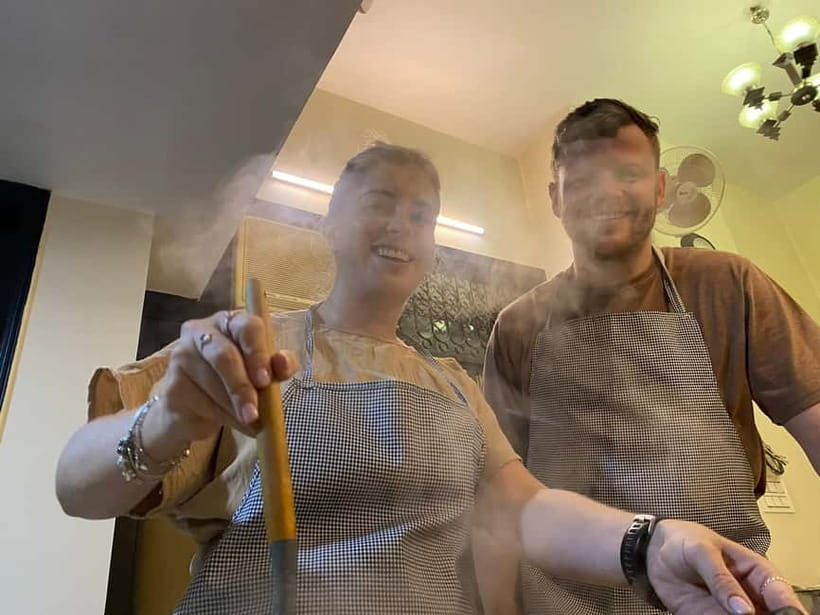
This is a teaching-first experience. JD (the guide and host) leads instruction in English, Hindi, and Punjabi, and his father Bindra is part of the kitchen energy too. People consistently mention that the guidance is clear and practical, with explanations happening at each step.
One reason the class lands well is that the learning isn’t just theoretical. You cook while you learn. You’re tasting along the way, not waiting until the end to get your bearings.
Another detail that shows up in feedback: prep is done in advance. So while you’re working with spices and techniques, you’re not stuck with a mountain of raw chopping right when you arrive. That helps you stay present. You can focus on the important parts—heat control, spice timing, sauce texture, and bread doneness.
By the end, the goal is real confidence. You should walk away with techniques, spice knowledge, and recipes you can recreate later.
You can also read our reviews of more tours and experiences in New Delhi




Price and Value: What $47 Really Buys in Delhi
At $47 per person for 2.5 hours, the price is fair when you look at what’s included. You’re getting:
- A live host and guide time
- Ingredients
- All food and drinks (tea and water are included)
- A full meal worth of cooking and eating
- Recipes to take home
- A small group setting
If you’re comparing to a restaurant, this is not just paying for dinner. It’s paying for instruction and the chance to make the food yourself. In places like Delhi, you can find cheap meals and you can find expensive meals. But cooking classes in a real home setting are usually more about skill and access than about replacing a restaurant dinner.
Also, the home setting helps the value. The meal isn’t delivered; you build it. You’ll leave with a new routine for spices and cooking steps that are hard to pick up from a menu.
Logistics That Matter: Getting There, Staying Comfortable, and Staying Hungry
Two practical notes help you get the most out of it.
First, plan for how you’ll reach GK-1. The meeting point is R-142 GK-1 (Bindra’s House). Transportation costs aren’t included, so build that into your day. If you already have plans in the area, you’ll find it easier to fit the class into your schedule.
Second, eat light beforehand. This class includes a full meal. You’ll be cooking and then eating what you made, so you don’t want to arrive too stuffed or you’ll miss the best part: tasting the final dishes while hot.
Comfort is handled on site. The space is air-conditioned, and restroom facilities are available. There’s also mention of a separate entrance that helps you avoid waiting.
Who This Cooking Class Is Best For
This is a great fit if you want more than a food photo. You’ll enjoy it most if you’re the type who likes to learn technique, then immediately apply it.
It’s also ideal if you’re traveling solo, as a couple, or in a small group, because the format is small (up to 10) and the atmosphere is family-style. People mention leaving not only with recipes, but with a real connection—basically a new friend in Delhi.
If you’re short on time in New Delhi, the 2.5-hour length makes it manageable. If you want a deep, multi-day culinary program, this won’t replace that. But for learning spice logic and leaving with a recipe set you can use, it hits the sweet spot.
Should You Book This New Delhi Cooking Class?
Book it if you want a real home-cooking experience where the focus is on spices, timing, and learning why dishes taste the way they do. At $47, you’re paying for a full meal plus hands-on teaching in a small group, and you’ll likely feel satisfied for the rest of the night when you get that first bite you cooked yourself.
Skip it only if you strongly prefer commercial studios, you dislike home environments, or you need a class that lasts much longer than 2.5 hours to feel fully “mastered.” Otherwise, this is one of the easiest wins for an authentic Delhi food memory you can recreate.
FAQ
Where is the meeting point?
You meet at R-142 GK-1 Bindra’s House in New Delhi.
How long is the cooking class?
The duration is 2.5 hours.
What is the group size?
It’s a small group limited to 10 participants.
What languages are spoken during the class?
The live guide speaks English, Hindi, and Punjabi.
What will I cook during the class?
You’ll prepare a complete Indian meal with one main dish, one rice dish, multiple breads (two types), and a dessert.
Are ingredients and drinks included?
Yes. The class includes ingredients, all food, and drinks like tea and water.
Do I get recipes to take home?
Yes. You’ll receive a collection of recipes along with the techniques you learn.
Is the home air-conditioned and are restrooms available?
Yes. The space is fully air-conditioned, and restroom facilities are available.
Is there free cancellation or a pay-later option?
Yes. You can cancel up to 24 hours in advance for a full refund, and you can reserve now and pay later.