REVIEW · NEW DELHI
Learn 5-6 & Eat 9-10 Veg & Non-Veg Authentic Dish in a Delhi Home
Book on Viator →Operated by Indiavaluetrips · Bookable on Viator
A Delhi home-cooking class beats a restaurant every time. Here, you learn 5–6 typical Indian dishes in the family kitchen with Malika and Anurag, and you also taste at least 10 items, from snacks to bread and dessert. I especially like how the class mixes hands-on cooking with real conversation about food and everyday life, and how it includes both veg and non-veg dishes so you get a full sense of what people actually eat. One thing to consider: this is a home setting, so your experience will depend on the kitchen setup and the pace of the family and chefs that day.
You’ll start the afternoon with an intro chat and a drink of your choice, plus quick Indian snacks, then shift into cooking mode. If you’re hoping for a rigid, timed “demo then sample” format, this may feel a bit more relaxed and interactive than a polished cooking studio.
In This Review
- Key Highlights You’ll Notice Fast
- Dinner Is the Classroom: A Delhi Home-Kitchen Day
- Getting There: Nishat Park Meets a 3:00 pm Start
- The First 30 Minutes: Tea, Coffee, and Street Snacks
- Hands-On Cooking With a Real Chef Plan
- What You’ll Cook: 5–6 Recipes, Not Just a Demo
- The Full Tastings: At Least 10 Dishes, Including Bread and Dessert
- Dinner at the Table: What Your Homemade Meal Includes
- The Conversation Side: Food, Family, and Everyday Meaning
- Price and Value: What $120 Really Buys You
- Who This Class Fits Best
- Should You Book This Delhi Home Cooking Class?
- FAQ
- FAQ
- What time does the cooking class start?
- How long is the experience?
- Where is the meeting point?
- Is this a private class?
- How many dishes will I learn and taste?
- What drinks and snacks are included at the start?
- What does the dinner include?
- Is there food for vegetarians?
- Is transportation included?
- Can I cancel for a full refund?
Key Highlights You’ll Notice Fast
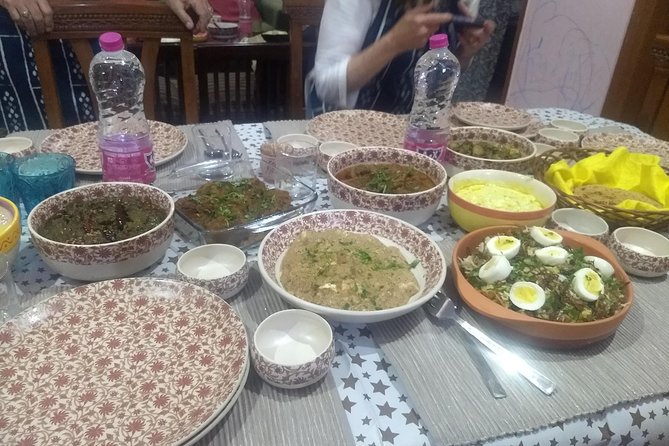
- Malika and Anurag host in their family home, with both actively involved during the class
- Learn 5–6 dishes hands-on while also tasting at least 10 items total
- Tea/coffee start + street-style snacks like chaat with green sauce and dahi bhalla
- Bread and dessert included (you’ll make naan and finish with a homemade dessert)
- Dinner is a full meal, not just a bite: curry, kebab/tikka, lentils, biryani, naan, and dessert
- Dietary customization happens (one pescatarian guest reports a fully customized menu)
Dinner Is the Classroom: A Delhi Home-Kitchen Day
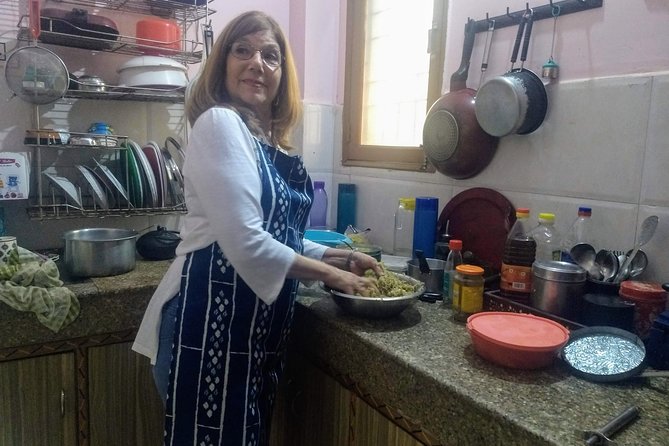
A cooking class in Delhi can be fun, but a home-based one is different. You’re not just watching food get assembled. You’re moving through the steps—prepping, cooking, tasting, and asking questions—while the family explains what’s normal in their routine.
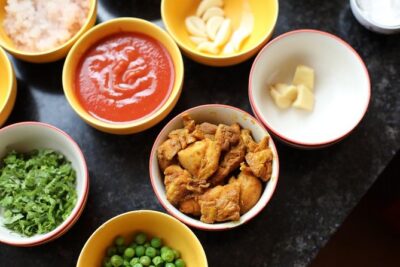
I like that this one is built around two clear goals: learn how to make the food, and eat enough to understand it. You’ll cover curry-style cooking, lentil cooking, and kebab or tikka-style grilling/frying. Then you’ll also get traditional bread and a dessert to round out the meal. It’s the kind of class where the food doesn’t just taste good; it teaches you how the flavors work together.
The private set-up matters too. This is a private tour/activity, meaning only your group participates. That usually means less waiting, fewer distractions, and more time to ask the “why” behind common Indian techniques—like how people balance spice with sourness, or how lentils go from gritty to creamy.
You can also read our reviews of more tours and experiences in New Delhi


Getting There: Nishat Park Meets a 3:00 pm Start
The experience starts at Nishat Park, Sector 15 Dwarka, Dwarka, Delhi at 3:00 pm. The activity ends back at the meeting point. So plan on spending part of your evening in the same area, not hopping across town.
One practical upside: the meeting point is near public transportation, which helps if you’re not staying inside the hotel pickup zone. Another plus is that the experience includes hassle-free transfers from your New Delhi hotel—so you likely won’t need to organize a taxi for the class itself.
The only “timing” consideration is simple: starting at 3:00 pm means you should treat this as your main food moment of the day. With snacks at the start and a complete dinner afterward, you’ll want light lunch plans or you’ll feel stuffed before you even get to the breads and biryani.
The First 30 Minutes: Tea, Coffee, and Street Snacks
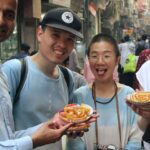
Before you touch ingredients, you’ll settle in with an introductory chat. Your drink choice is masala tea, coffee, or another traditional Indian drink, and it comes with two snack types: mix vegetable pakora and street-style items like chaat with green sauce plus dahi bhalla.
This is a smart start because it calibrates your palate. Chaat brings tang and spice in quick bursts, dahi bhalla adds cooling richness, and pakora gives you that crisp, warm comfort. It’s also a good moment to ask basic questions—like how spicy the family prefers things, or what each dish is meant to accompany.
And if you’re the type who likes to understand food culture, this is where the class often begins to feel personal. You’ll have conversation time during the evening, including talk about food’s role in different Indian occasions and regions, and what day-to-day life looks like in a modern household.
Hands-On Cooking With a Real Chef Plan
This class is built around active participation. Two adult hosts/chefs guide you and cook alongside you, so even if you’re a kitchen beginner, you’ll have structure and support. The goal is not to impress with complicated technique. It’s to make Indian cooking feel doable at home.
You’ll typically learn a selection of dishes that represent the core flavors of Indian home meals:
- Curry-style cooking (there are curry dishes on the menu later too)
- Lentils (lentil cooking shows up in both tasting and dinner)
- Kebabs or tikka-style items
- Traditional bread and rice-based dishes
You’ll also get the logic behind the steps. Indian cooking relies on timing—when spices bloom, when liquid thickens, when a simmer turns “spicy water” into something that coats a spoon. A hands-on class is the fastest way to learn those transitions, because you can see and taste them as they happen.
What You’ll Cook: 5–6 Recipes, Not Just a Demo
One of the most helpful things about this experience is that you’re not just tasting. You’re learning 5–6 dishes in a way that you can later recreate.
Here’s how to think about the “learning” part. Curry and lentils teach you how to build flavor layers. Kebabs and tikka teach you how spices behave with meat (or how seasoning changes texture). Bread and rice teach you how a meal becomes a complete system rather than a pile of separate items.
And it’s not only technique. It’s pacing. Since the hosts work at your pace, you can ask questions during the steps instead of getting stuck after the chef moves on. That matters if you’re new to spices, new to using whole aromatics, or you just want to understand why one step takes longer than you expect.






The Full Tastings: At Least 10 Dishes, Including Bread and Dessert
After you start cooking, you’ll also taste a large spread. The experience is designed around tasting at least 10 different Indian dishes, including breads and dessert.
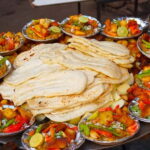
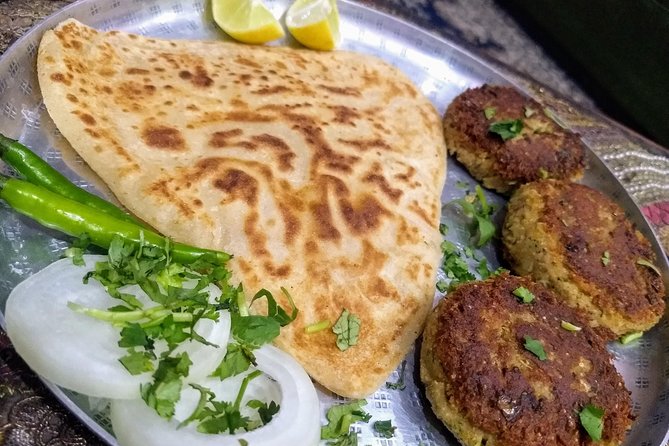
Even if you don’t count every bite, you’ll get a clear sequence: snacks first (pakora, chaat, dahi bhalla), then cooked items (curry/lentils/kebab/tikka), and finally breads and a homemade dessert at the end.
A big practical point: tasting multiple dishes in one sitting teaches you how to match textures and flavors. For example, lentils are forgiving and comforting, while a kebab or tikka adds smoky or spiced edge. Pairing those with bread helps you understand what people mean when they say food is meant to be eaten together, not separately.
Dinner at the Table: What Your Homemade Meal Includes
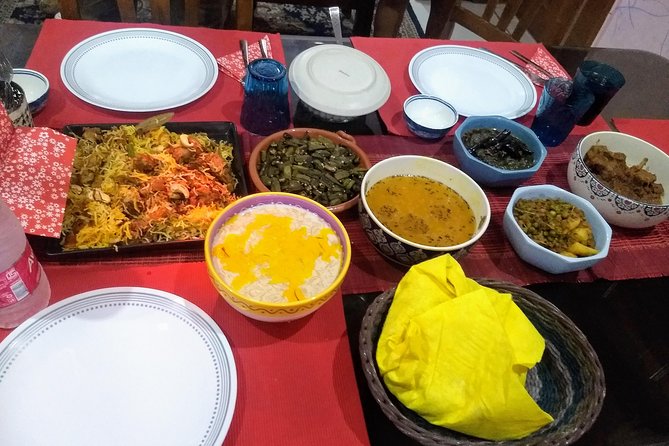
The dinner is where the whole class clicks into place. Your included dinner components are listed clearly, and you’ll choose from these options during the evening:
- Chicken or mutton curry (any 1)
- Tikka or kebab (any 1)
- Lentil
- Dry vegetable with cottage cheese
- Mutton or chicken biryani
- Naan
- Homemade dessert
This is a strong meal for value because it’s not one signature dish. It’s a structured menu: curry + a grilled/fried protein item + lentils + a vegetable dish + biryani + bread + dessert. You’ll finish with the kind of “I get the meal” satisfaction you rarely get from cooking classes that end with just tasting one course.
If you care about diet or preferences, note this detail: a pescatarian guest reports the hosts customized the entire menu. That suggests they ask questions ahead of time and can adjust at least some dish choices for dietary needs.
The Conversation Side: Food, Family, and Everyday Meaning
A Delhi home-cooking class works best when it includes stories, not just recipes. Here, conversation is part of the program. During the evening, you’ll learn more about local life and customs, including how food connects to Indian occasions and regional differences.
One especially meaningful detail from the way the hosts approach the evening is that you’re seeing a modern household in action. The experience highlights two adults from distinct cultures, traditions, and faiths living harmoniously together, and both participate in the class. That makes the evening feel less like a performance and more like learning in a real home.
If you like travel moments that feel human—where someone tells you what a dish means to their family—this is likely to land well.
Price and Value: What $120 Really Buys You
At $120 per person, this doesn’t compete with the cheapest group street-food walk. It competes with the better end of culinary experiences because you get several things stacked together:
- Hands-on teaching (you’re learning 5–6 dishes)
- Heavy tasting (at least 10 dishes, plus breads and dessert)
- A full dinner with multiple courses and options
- Snacks and drinks at the start
- Private setting for your group
- Hotel transfers handled as part of the experience
So the value is in the total package: your time, your eating, and the instruction. If you’ve ever spent money on a cooking class and then walked away still wondering how it tasted when it was fresh off the pan, this structure helps. You’re not only learning what to do—you’re eating the results in the same setting.
Booking tends to happen about 9 days in advance on average, so if you have specific dates (especially around weekends), it’s smart to reserve sooner rather than later.
Who This Class Fits Best
This experience is a great match if you:
- Want authentic home-cooking instead of a factory-kitchen class
- Are a culinary beginner who benefits from step-by-step help
- Like to eat a lot while learning how to recreate flavors later
- Want a private setting with hosts who will talk through dishes and customs
It’s also a good fit for visitors who enjoy cultural conversation. You’ll hear about food’s significance in Indian occasions and regions, plus you’ll get a look at household life through the way the hosts cook and host.
Should You Book This Delhi Home Cooking Class?
I’d book it if your main goal is to leave with both skills and a satisfying dinner. The combination of hands-on learning, bread and dessert, and a multi-course meal makes it feel complete. And the fact that hosts plan ahead and can customize at least some menu choices (like pescatarian) is a strong sign for anyone with preferences.
I’d think twice if you want purely vegetarian food only, or if you dislike home-kitchen settings and prefer a very formal studio environment. Also, starting at 3:00 pm means it’s not ideal if you already have big dinner plans elsewhere.
If you’re aiming for an evening that feels real, not scripted, this is a good Delhi choice.
FAQ
FAQ
What time does the cooking class start?
It starts at 3:00 pm.
How long is the experience?
It’s approximately 7 hours, with the cooking class portion described as about 6 hours.
Where is the meeting point?
The start point is Nishat Park, Sector 15 Dwarka, Dwarka, Delhi, India.
Is this a private class?
Yes. It’s a private tour/activity, and only your group participates.
How many dishes will I learn and taste?
You’ll learn 5–6 dishes hands-on and taste at least 10 different Indian dishes, including breads and dessert.
What drinks and snacks are included at the start?
You’ll have masala tea, coffee, or another traditional drink, plus snacks like mix vegetable pakora, chaat with green sauce, and dahi bhalla.
What does the dinner include?
Dinner includes chicken or mutton curry (any 1), tikka or kebab (any 1), lentil, dry vegetable with cottage cheese, and mutton or chicken biryani, plus naan and homemade dessert.
Is there food for vegetarians?
Vegetarian items are included, and the experience covers both vegetarian and non-vegetarian dishes.
Is transportation included?
Hassle-free transfers from your New Delhi hotel are included, but private transportation is listed as not included.
Can I cancel for a full refund?
Yes. You can cancel up to 24 hours in advance for a full refund. If you cancel less than 24 hours before the start time, the amount paid is not refunded.