REVIEW · NEW DELHI
Private Custom Shopping Tour: Delhi’s Bustling Markets
Book on Viator →Operated by Delhi Airport Service · Bookable on Viator
Delhi markets are a sensory workout.
This private custom shopping tour lets you pick 3–4 markets and shop at your own pace with a guide who helps you move fast through the crowds. I like that the day is flexible, not a rigid checklist, and that you’re not stuck watching from the sidewalk.
Two things I really like: first, the combination of air-conditioned private transport plus hotel pickup/drop-off means you spend your energy shopping, not negotiating traffic. Second, guides like Raj (Rajmalani) are known for being fun and practical—good at pointing you toward the right stalls and helping with the back-and-forth of price and quality.
One thing to keep in mind: if you’re nervous about getting steered into “organized” shops, set clear expectations with your guide ahead of time. Some people care a lot about avoiding tourist-markup stores, and your best move is to communicate your style early.
In This Review
- Key things to know before you go
- How this private Delhi market tour actually feels
- Price and value: what $62.37 covers
- Choosing your 3–4 markets: the smart way to plan
- Stop-by-stop: what to expect and what to watch for
- Dilli Haat: traditional crafts without the chaos of Old Delhi
- Chandni Chowk (Pasar Chandni Chowk): noisy lanes, serious variety
- Khan Market: books, brands, and less friction
- Hauz Khas Village: a slower pace with arts and cafés
- Sarojini Nagar Market: bargain clothing, big energy (especially weekends)
- Janpath Market: street shopping for cotton clothes and export-surplus finds
- Connaught Place: classic shopping geometry with plenty of options
- Lajpat Nagar Central Market: accessories, clothes, footwear, bags
- Hauz Khas alternative: Santushti Shopping Complex for quieter boutique-style browsing
- Malls when you want air-conditioning: Select Citywalk and other Saket-area options
- Paharganj: budget buys near tourist lanes
- The guide factor: what you should ask for
- Food stops: where “sampling” fits your budget
- Timing, walking, and market days that can trip you up
- Who this tour is best for
- Should you book? My practical take
- FAQ
- FAQ
- How many markets can I choose during the tour?
- How long does the shopping tour last?
- Do I get hotel pickup and drop-off?
- Is the transportation air-conditioned?
- Is a guide included?
- Are meals included?
- Are there market closures I should know about?
- What’s the cancellation policy?
Key things to know before you go
- Pick 3–4 markets so your time matches your shopping goals.
- Private guide + private vehicle helps you navigate narrow lanes without getting lost.
- Shop independently, then regroup—you control how long you stay at each place.
- Sunday closures vary by market (Sarojini Nagar is closed on Mondays).
- Comfort is real: AC transport and bottled water are included.
- Food is optional: you may get a chance to sample, but meals aren’t guaranteed.
How this private Delhi market tour actually feels
Delhi shopping doesn’t work like a tidy mall crawl. The streets change every few blocks. One lane is all fabric and phone cases; another is spices, snacks, and bargaining on top of bargaining.
That’s exactly why I think this type of tour is worth it. You get the local logic—where to go, how long to stay, and how to avoid wasted hours—without giving up your own shopping time. The guide handles the route and timing, and you do the walking, trying, and deciding.
And since it’s private for groups of up to six, you’re not stuck doing “everyone buys the same thing” shopping choreography. If your partner wants streetwear while you want traditional crafts, you can split attention without losing the day.
You can also read our reviews of more private tours in New Delhi



Price and value: what $62.37 covers

At about $62.37 per person for a 4–6 hour day, the value isn’t just the shopping. You’re paying for three practical upgrades:
- Hotel pickup and drop-off (from Delhi city hotels or a private residence).
- Private, air-conditioned transportation to connect distant market areas.
- A personal shopping guide who helps you make faster choices in crowded, confusing places.
For Delhi, those logistics matter. Traffic can eat half your day fast if you’re doing it solo. Here, you’re budgeting for a driver plus a guide so you don’t burn time on navigation.
Also worth noting: group discounts apply for 2+ people, and the tour includes bottled water. Carbon offset is included too, which won’t change your shopping, but it is part of the package.
Choosing your 3–4 markets: the smart way to plan
The tour is built around your selection. You’re not limited to one “theme.” You can go Old Delhi, then switch to design-led neighborhoods, then finish with big-brand browsing.
Here’s how I’d think about it:
- If you want traditional crafts and textiles, lean toward Dilli Haat or the handicraft-focused options.
- If you want bargains and everyday clothes, Sarojini Nagar and Janpath are classic picks.
- If you want books, brands, and calmer pacing, Khan Market works well.
- If you want arts + café breaks, Hauz Khas Village is an easy fit.
A realistic combo for many people is one Old Delhi stop (for energy), one “deal” stop (for shopping value), and one “style” stop (for variety). Your guide can help you decide the order based on crowds and flow.
Stop-by-stop: what to expect and what to watch for
Dilli Haat: traditional crafts without the chaos of Old Delhi
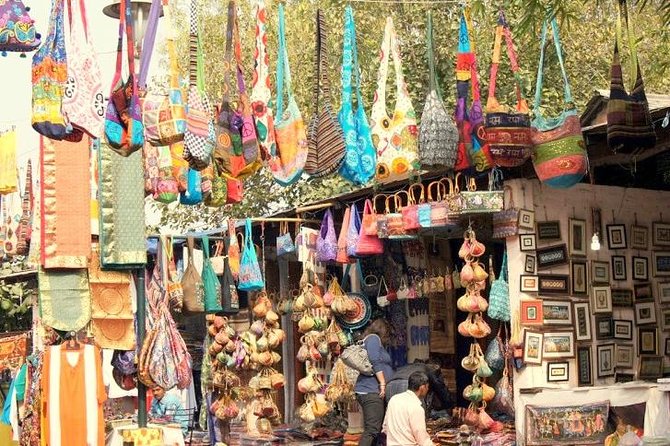
Dilli Haat is a government-managed market built for crafts, textiles, and regional Indian goods. It’s a strong choice if you want souvenirs that feel intentional—handicrafts, handlooms, and items you can actually picture bringing home.
Typical experience: you wander stalls, compare materials, and pick what fits your budget. It’s also a decent start point if you want the day to feel less like a stampede right away.
Possible drawback: it can feel more “market-like” and less raw than the lanes of Old Delhi. If you specifically want chaos and micro-stores, you’ll likely prefer Chandni Chowk later.
You can also read our reviews of more shopping tours in New Delhi





Chandni Chowk (Pasar Chandni Chowk): noisy lanes, serious variety
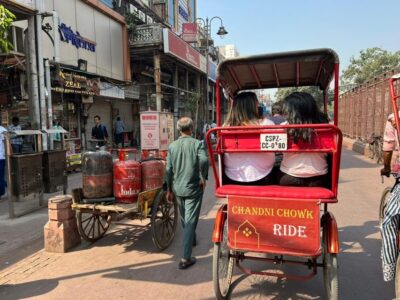
This is the classic Old Delhi experience: narrow lanes where people, bikes, and cycle rickshaws share space. The market area is known for jewelry, electronics, fabrics, and snacks.
Why it’s so popular: you get a stacked mix of categories in a small radius, which makes it great for quick comparisons. If you’re the type who likes to hunt, this is where a guide really earns their fee—finding the right lanes, pointing you toward wholesale sections, and helping you not waste time.
A practical caution: some wholesale sub-markets in Chandni Chowk may be closed on Sundays. If you’re traveling on a weekend, ask your guide what lanes will be open that day so you don’t plan your entire shopping strategy around one assumption.
Khan Market: books, brands, and less friction
Khan Market is an older, more established shopping complex with a mix of regular stores, boutiques, and up-market restaurants. You’ll find everything from books to clothing, plus a comfortable mix of Indian and international options.
For me, it’s the “reset” stop. After the intensity of Old Delhi, Khan Market feels more controlled. It’s also easier if you want quality checks without fighting for elbow space every two minutes.
Possible drawback: it won’t be your best choice if you’re chasing the cheapest prices. It’s more about variety and vibe than bargain-bin pricing.
Also keep in mind: some shops may be closed on Sundays.
Hauz Khas Village: a slower pace with arts and cafés
Hauz Khas Village is a chic area that used to be a village and now mixes boutiques, galleries, and clothing with contemporary cafés and restaurants. It can also include musical performances depending on the day.
Why it works: you get shopping plus breaks built into the neighborhood. If your feet need a rest, you’re not far from a café stop.
Possible drawback: it can skew toward style and trend. If your priority is deep discount clothing, you’ll probably do better at Sarojini Nagar or other bargain-focused areas.
Sarojini Nagar Market: bargain clothing, big energy (especially weekends)
Sarojini Nagar is known for clothes ranging from cheap basics to more styled options, and it can be packed on weekends. This is the “try a lot, compare fast, bargain hard” kind of market.
Why it’s worth it: you can score good-value outfits if you’re patient. It rewards shoppers who like variety and don’t mind sorting through racks.
Possible drawback: crowd levels. If you hate dense spaces, pick another market. Also, Sarojini Nagar is closed on Mondays—plan around that.
Janpath Market: street shopping for cotton clothes and export-surplus finds
Janpath is where you go for street-style shopping, with small kiosks selling cotton clothes and curios. A lot of the clothing is described as export-surplus, and prices are usually very low for the category.
Why it’s fun: you can browse quickly and stumble across items you wouldn’t think to look for. It’s a good stop for small gifts and casual wear.
Possible drawback: the sheer range can be overwhelming. Going with a guide helps because you can set a goal—like “tops only” or “one souvenir category”—instead of wandering aimlessly.
Connaught Place: classic shopping geometry with plenty of options
Connaught Place is a circular market area that’s been around for a long time and is still a major shopping hub. You can mix shopping with people-watching here because it’s easier to move through than Old Delhi lanes.
Why it works: it’s a convenient place to “anchor” the afternoon, especially if you want a change of pace between more intense markets.
Possible drawback: it’s not necessarily the best place for bargain hunting if that’s your main goal. It depends on which stores you choose inside the area.
Lajpat Nagar Central Market: accessories, clothes, footwear, bags
Lajpat Nagar is popular for accessories, clothing, footwear, and bags. The mix is broad, so you can find both everyday items and more fashion-forward pieces.
Why it’s useful: it’s a good “one-stop” zone if your shopping list includes multiple categories.
Possible drawback: like other big clothing areas, it can get crowded and you’ll still need time to compare.
Hauz Khas alternative: Santushti Shopping Complex for quieter boutique-style browsing
Santushti Shopping Complex is described as a serene, bohemian boutique shopping destination tucked in gardens, with terracotta-roofed shops for designer clothing, jewelry, home décor, and Indian crafts.
Why you might pick it: it’s a tonal shift from street markets. If you want something more boutique and less pushy, this can be a breather.
Possible drawback: it’s not the place to chase ultra-budget pricing.
Malls when you want air-conditioning: Select Citywalk and other Saket-area options
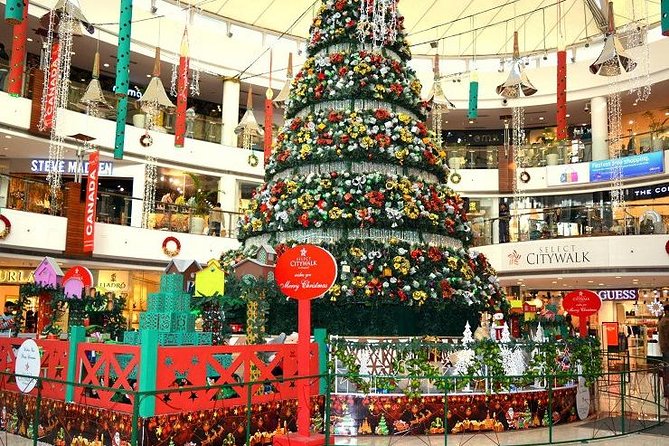
If you’re shopping in warmer months or you’re tired of negotiating crowds, malls become a practical option. Select Citywalk is listed as open every day, with department stores, electronics, lifestyle goods, and food courts.
The tour also mentions three adjacent Saket malls: Select City Walk, DLF Place Mall, and MGF Metropolitan Mall. Using a mall stop makes sense if you’re splitting your time across old and new Delhi styles.
Possible drawback: you lose the street-market feel. If you mainly want authentic street shopping, malls should be your secondary stops.
Paharganj: budget buys near tourist lanes
Paharganj is a touristy area known for budget-friendly clothes, trinkets, and tailor shops that handcraft clothing to order.
Why it’s useful: if you want low-cost items and flexible tailoring options, it’s a convenient neighborhood.
Possible drawback: the area is tourist-linked, so expect more hustle.
The guide factor: what you should ask for
The strongest praise in the feedback patterns points to one thing: having a guide who helps you shop smarter, not just walk with you.
You’ll get the most out of this tour if you’re upfront. Before you start, I’d tell your guide:
- What you want to buy (categories, brands, materials).
- Your price range.
- How you feel about organized shops versus independent browsing.
One lower rating story mentioned frustration after asking not to be taken to organized tourist-markup shops. That’s your clue: your preferences matter, and the earlier you say it, the better your day will feel.
Also, if you get a guide like Raj (Rajmalani), the tone can be playful and practical. One review specifically mentioned Raj was knowledgeable and fun, and that he tailored the trip to match requests. Another mentioned Vandy as a guide who was exceptional, with an overall great day supported by the driver service.
Even if your guide’s personality differs, the best guides do the same core job: keep you moving and help you verify quality.
Food stops: where “sampling” fits your budget
This tour includes opportunities to sample food at the markets, but food and drinks aren’t included unless specified. That means you should budget for snacks.
A review highlighted trying momos during market time. Another mentioned lunch at a real Indian restaurant as a special moment, but lunch was at the traveler’s own expense.
My advice: treat it as pay-as-you-go. If you want a meal, plan to pick one market day food break you’ll actually enjoy instead of grabbing random bites at five different stalls.
Timing, walking, and market days that can trip you up
The tour runs about 4–6 hours with a moderate amount of walking. Wear comfortable shoes. You’ll be in-and-out of different market lanes, and even short stops can add up fast.
For timing: some markets or sub-markets may have limited hours. The data specifically notes:
- Sarojini Nagar is closed on Mondays.
- In Chandni Chowk, some wholesale sub-markets may be closed on Sundays.
- In Khan Market, some shops may be closed on Sundays.
- In Paharganj, some shops may be closed on Sundays.
- Gurgaon and Saket malls are open every day.
This is why your “market selection” matters. If you’re traveling on a Sunday or Monday, ask your guide which markets will be best that day so you don’t lose time to closures.
Who this tour is best for
This is a great fit if:
- You want private time with a guide instead of a group bus tour.
- You enjoy bargaining and comparing, but you don’t want to guess your way through tight lanes.
- You want a blend of Old Delhi energy and more manageable stops.
It may be less ideal if:
- You strongly dislike crowds and street shopping.
- You’re looking for a purely high-end shopping day with no bargaining atmosphere.
- You’re not interested in any flexibility—because the best part of this tour is choosing markets and pace.
Should you book? My practical take
Book this tour if you want the best of Delhi shopping with less stress. The value comes from the private transport, the pickup, and a guide who helps you shop with intent—not just wander.
Don’t book it on autopilot if your top priority is avoiding organized tourist shopping. Message your preferences early and be direct about the kind of stores you want—or don’t want. If you do that, the tour’s flexibility becomes your advantage.
If you want a smooth day, pick a mix: one Old Delhi market for energy, one bargain-focused stop for value, and one calmer stop for a reset. That combination usually turns a “shopping day” into a story you’ll remember.
FAQ
FAQ
How many markets can I choose during the tour?
You can choose up to three or four markets, and the itinerary is flexible so you can set the pace and time at each place.
How long does the shopping tour last?
The duration is about 4 to 6 hours.
Do I get hotel pickup and drop-off?
Yes. Pickup and drop-off are offered from Delhi city hotels or private residences. For Gurgaon, transfers are limited to hotels within 10 km of Delhi airport.
Is the transportation air-conditioned?
Yes. You travel by air-conditioned private vehicle between markets.
Is a guide included?
Yes. The tour includes a personal shopping guide or markets expert, and the tour is private for your group (up to six people).
Are meals included?
Food and drinks are not included unless specified. The tour may offer opportunities to sample food at the markets.
Are there market closures I should know about?
Sarojini Nagar is closed on Mondays. Some wholesale sub-markets in Chandni Chowk may be closed on Sundays, and some shops in Khan Market and Paharganj may also be closed on Sundays. Select Citywalk and the Saket malls are open every day.
What’s the cancellation policy?
You can cancel for a full refund up to 24 hours in advance. If you cancel within 24 hours of the start time, the amount paid is not refunded.