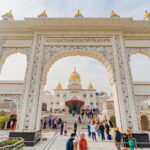
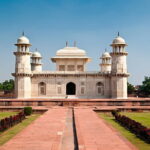
One morning can teach you a lot without feeling like homework. This National Crafts Museum visit mixes serious craftsmanship with a village-style setting, then wraps with lunch in Delhi. I love how the museum design helps you see how Indian makers connect different materials and traditions in one space.
Two things I especially liked: first, the standout detail work—stone and wood carvings on doors, windows, lintels, and posts—gives you something to look at even when you’re just walking between galleries. Second, the crafts demonstration program is a real crowd-pleaser because you get to watch many artisans work rather than only reading labels.
The only drawback I’d flag is simple: the tour includes museum entry and transport, but a local guide isn’t included. If you want heavy storytelling tied to specific objects, you may need to read the signage closely or bring your own curiosity.
In This Review
- Key things to know before you go
- National Crafts Museum Delhi: where architecture is part of the show
- Crafts demonstration program: watch artisans work, not just talk about craft
- The museum plus lunch: a practical Delhi plan that keeps your day moving
- Price and logistics: what you get for $79 per person
- Timing, dress code, and how to prepare for the day
- Using the visit like a pro (even without a guide)
- Who should book this National Crafts Museum with lunch?
- Should you book it?
Key things to know before you go
- Village-style museum layout: The whole site is conceived after an Indian village world, so crafts feel connected instead of separated.
- Hands-on crafts demonstration program: You’ll see a rotating set of 50 crafts persons every month from different parts of India.
- Face-to-face with design detail: Expect stone and wood carvings on architectural elements like doors and lintels.
- Folk and tribal paintings on the walls: Paintings appear in passages, so you keep encountering art as you move.
- Private-group tour with pickup: Only your group goes, and you’re picked up from your Delhi hotel.
- Lunch is planned, but drinks cost extra: You’ll have lunch at a famous local restaurant, while drinks aren’t included.
National Crafts Museum Delhi: where architecture is part of the show
If you like museums that reward slow walking, the National Crafts Museum is a good match. The site is built around an idea of an Indian village, where crafts that might seem unrelated can sit side by side. That matters because it changes how you read the collection—you’re not just ticking off categories, you’re noticing how makers share techniques across materials and styles.
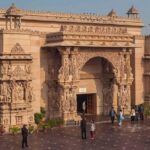
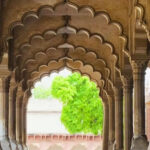
What really grabs me is the architectural detailing. The museum has a diverse display of stone and wood carvings on practical parts of the building—doors, windows, lintels, and posts. That’s not decoration-only. In many craft traditions, the boundary between “building” and “art” is thin. Here, you can sense that same approach just by looking at the carved edges and panels while you move through the galleries.
You’ll also see folk and tribal paintings laid out across wall canvas in the passages. This placement is smart for visitors. Instead of forcing you to sit and read for hours in one room, the art shows up in your walking route. It keeps your attention engaged and makes the museum feel like a series of short, varied experiences.
A small tip from how I approach places like this: give yourself permission to linger at the carved sections. Even if you can’t identify every motif, you’ll start noticing patterns—repeated shapes, similar ways of turning a flat surface into something textured and dimensional.
You can also read our reviews of more museum experiences in New Delhi

Crafts demonstration program: watch artisans work, not just talk about craft
The highlight for many people here is the crafts demonstration program. The format is participatory in the sense that you’re not only observing behind glass—you get a chance to watch crafts persons at work. The museum rotates the program, and the schedule notes 50 crafts persons each month from different parts of India. That rotation is a big deal for value because it means the program isn’t a single static “show” that you could replicate elsewhere.
In plain terms, this is the kind of activity that teaches you how craft actually happens:
- You see process, not just finished pieces.
- You can compare techniques across makers.
- You get a better feel for why certain tools and materials lead to certain outcomes.
I also appreciate that the emphasis isn’t just on pottery or painting—this museum concept supports a broader range of crafts. The building carvings and the painting passages help set a context, and then the demonstrations give you the working side of the story.
If you’re the type who likes to learn by watching, you’ll probably leave with more than photos. You’ll remember specific actions: the rhythm of making, the way artisans move between steps, and how attention is focused on details that might not look dramatic from far away.
The museum plus lunch: a practical Delhi plan that keeps your day moving
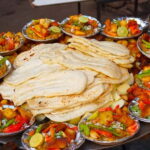
This experience isn’t a half-day “wander until you’re tired” plan. It’s structured: you visit the museum for about 2 hours (museum stop), then you finish with lunch at a famous local restaurant.
Lunch at a scheduled point is more than convenience. Delhi days can be hit-or-miss if you’re hungry and trying to find a good meal on the fly. Having lunch included in the flow helps you avoid the classic problem: you spend energy bargaining for directions, then end up with a meal that’s fine but not memorable.
Just know what is—and isn’t—covered. The tour includes lunch, but drinks are not included. That means if you want bottled water beyond what’s provided, or you’d like a soda/juice with your meal, budget for it.
Also, the experience runs 3 to 6 hours (approx.) overall. That range gives some wiggle room depending on how quickly you move through the museum and how long the crafts program runs at that time. If you want to stack another activity later, consider keeping your next plan flexible.
Price and logistics: what you get for $79 per person
At $79.00 per person, the value largely comes from the “day friction” you’re paying to remove. You’re not just buying museum entry—you’re buying the hotel pickup and transport by private vehicle, plus bottled water and admission included.
Here’s what stands out as good value:
- Admission ticket included means you don’t have to handle entry hassles.
- Transport by private vehicle matters in Delhi, where travel time can be unpredictable.
- Bottled water included keeps you comfortable during the morning.
What’s not included (and can affect value for some people):
- A local guide is not included. The tour description suggests you won’t have an extra person inside the museum explaining objects in depth.
- Drinks at lunch are not included. Small cost, but it adds up if you order more than water.
So who is this priced right for? If you want an easy morning with pickup and a planned end point, $79 is reasonable for the convenience. If you want a guide-led, object-by-object lecture inside the museum, you might feel like the $79 is missing a layer.
And one more practical detail: the experience offers a mobile ticket and group discounts. That can help if you’re traveling with friends or you’re part of a group booking.
Timing, dress code, and how to prepare for the day
The tour starts at 8:00 am, with pickup offered from your Delhi hotel. Morning timing works well here. The museum experience doesn’t require a full day, and starting earlier generally helps you avoid the worst parts of Delhi’s daily traffic rhythm.
Dress code is smart casual. That’s flexible—think comfortable shoes that can handle a museum floor and enough layers for indoor walking. You don’t need to dress up for a formal event, but you do want to look presentable and move easily.
Because this is a private tour/activity with only your group participating, you can expect a calmer feel than crowded big-bus tours. You still share the museum space with other visitors, but the transport and the experience management are for your group only.
You can also read our reviews of more tours and experiences in New Delhi




Using the visit like a pro (even without a guide)
Since a local guide isn’t included, your best strategy is to decide what you want to get out of the museum before you arrive. Here are a few simple ways to make the most of it without extra interpretation:
- Pick one focus for photos. Either carvings (doors/windows/lintels) or the paintings in passages. Trying to photograph everything can make you forget what you saw.
- Watch for the building details. The museum’s design is part of the “collection,” not just a frame.
- Treat the demonstrations as the learning engine. Even if you don’t know the craft terms, watching the steps gives you context for what you later see on display.
- Plan a small shopping wish list. One review mentioned a wish for a book store about these crafts. If you like reading material to take home, don’t assume the museum has a strong shop—make room in your day for a separate stop later if you want.
I like tours like this most when I show up with curiosity and then let the place do its job. The museum gives you the structure; you bring the attention.
Who should book this National Crafts Museum with lunch?
This tour makes the most sense if you:
- Want an organized morning in Delhi with pickup and private vehicle transport.
- Like craft and design, especially things you can see in detail—wood, stone, and painting.
- Learn well by watching people work, thanks to the crafts demonstration program.
It may not be ideal if you:
- Are specifically looking for a guide-led deep dive inside the galleries. Since a local guide isn’t included, you’ll rely on signage and your own questions.
- Want lots of free time for shopping or a long sit-down museum lecture. The museum stop is listed at about 2 hours, so it’s more “focused visit” than “all-day museum day.”
Based on the rating and comments, the people most satisfied tend to enjoy browsing multiple galleries and learning about past craft traditions. One review also called the experience awesome and said the guide was helpful—so if you’ll have any staff assistance during your visit, that’s a good sign to look forward to.
Should you book it?
I’d book this National Crafts Museum + lunch experience if you want a clean, well-timed Delhi plan that swaps confusion for structure. The $79 price feels fair when you factor in pickup, private transport, admission, bottled water, and a real end point with lunch.
Skip or rethink if you’re the kind of traveler who needs a guide to explain everything in detail, since a local guide isn’t included. Otherwise, it’s a strong choice for craft lovers and for anyone who wants to see how Indian makers connect art, building, and process in one morning.
If you want, tell me what else you’re doing in Delhi that day, and I can suggest how to slot this in without rushing.