REVIEW · NEW DELHI
Kailash Colony Market Tour & Amritsari Cooking Class in New Delhi
Book on Viator →Operated by Traveling Spoon · Bookable on Viator
A market-to-home dinner feels like a cheat code. You start in Kailash Colony Market and then cook Amritsari-style favorites in Shivani’s bungalow with a shared meal afterward.
I love how this feels like a real Delhi evening, not a staged show. The house visit, the welcome drink, and the way you shop for ingredients first make the lesson stick. I also like the hands-on focus: you learn how to make 2–3 dishes (often including dal makhni, paneer options, and rotis) and you eat what you made.
One thing to plan for: there’s no hotel pickup, so you’ll need to get yourself to the meeting point in Chirag Enclave, Greater Kailash.
In This Review
- Key things I think you’ll care about
- Kailash Colony to Shivani’s Kitchen: Why this format works
- Arriving at Chirag Enclave and settling into a Delhi bungalow
- Kailash Colony Market walk: seasonal produce and spice shopping with purpose
- Back in the kitchen: learning dal makhni, paneer, and rotis
- The meal afterward: shared eating, conversation, and local beer
- Lunch or dinner timing: how to choose the right slot
- Price and value: what $148 per person really covers
- Who this suits best (and who should pass)
- Practical tips that make the day smoother
- Should you book this Kailash Colony market tour and Amritsari cooking class?
- FAQ
- How long is the Kailash Colony Market Tour and Amritsari cooking class?
- Are lunch and dinner options available?
- What’s included in the price?
- Is hotel pickup or drop-off included?
- Is there a vegetarian option?
- Where does the tour start and end?
Key things I think you’ll care about
- Real market shopping first: you’ll walk Kailash Colony Market and can grab a few ingredients to bring the flavors home
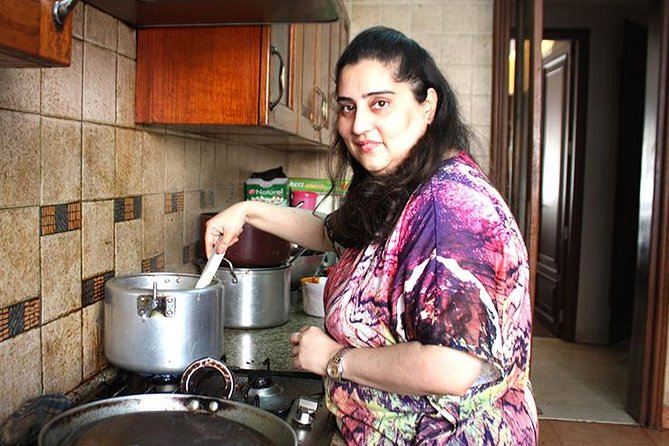
- A hands-on cooking lesson: you cook for about 1 hour, guided by your host Shivani
- Amritsari-focused dishes: you’ll learn North Indian staples linked to the Punjabi city Shivani is from
- Food and drinks included: lunch/dinner options plus beverages, including local beer
- Private group experience: it’s only your group, so it stays personal
Kailash Colony to Shivani’s Kitchen: Why this format works

If you’ve ever tried to cook Indian food later and wondered why it never tastes the same, this is the kind of class that fixes the weak link. The market walk comes first, when you can actually see the seasonal produce and understand the ingredients before you’re mixing anything in a bowl. Then the cooking happens in a home kitchen, where you’re not just watching—you’re doing.
I also like the tempo. You’re not spending half the time in transit or waiting around for the next step. The whole experience is built around three big moments: a welcome at the home, a market visit, and then a cooking-and-eating block that ends with you talking over your meal.
And because it’s based around an authentic home setting, you get something you won’t get from a big demo kitchen: the small, practical rhythm of how real meals get put together.
You can also read our reviews of more shopping tours in New Delhi


Arriving at Chirag Enclave and settling into a Delhi bungalow
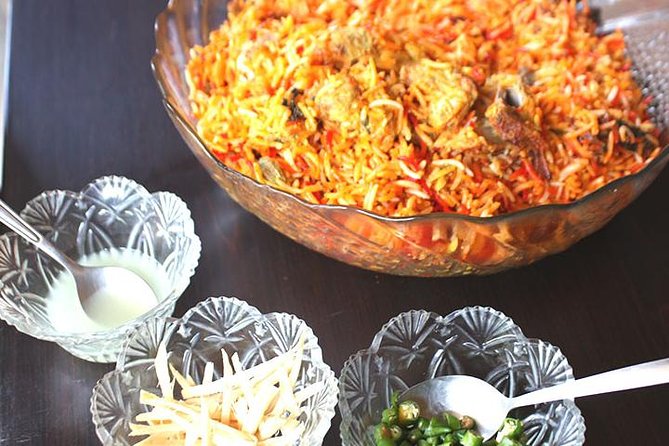
Your start point is Chirag Enclave, Greater Kailash (near public transportation). There’s no hotel pickup, so pick lodging that makes that commute easy—or budget a bit of time to get there without stress.
When you arrive, your host Shivani welcomes you into her home. The setting is a bungalow, and there’s a small outdoor seating area. In winter, that outside space is where they like to barbeque meats and paneer (fresh Indian cheese). Even if you’re not there in peak barbeque season, the home vibe is part of the appeal: you feel like you’ve come to eat with someone you know, not like you’re checking off an activity.
After a welcome drink, you head out to the market. This order matters. You’re not yet hungry, so the market sights and smells land as information, not distraction.
Kailash Colony Market walk: seasonal produce and spice shopping with purpose
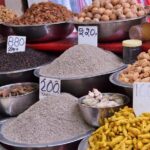
The market portion is the ingredient brain of the whole experience. You’ll go to Kailash Colony Market with Shivani and learn about different kinds of seasonal produce. That’s useful, because Indian cooking often depends on what’s good right now, not just what’s available year-round.
You may also pick up a few ingredients before returning home. This is a sneaky-smart part of the tour: if you buy spices you can identify and understand, you’ll be more confident using them later at your own stove. It’s also how the class turns into something practical, not just a one-time dinner.
In the best versions of this experience, the market walk comes with clear explanations about spices and how they show up in cooking. You may hear comparisons about different spices and their uses, which makes it easier to choose what to buy and how to use it. (One past participant mentioned being guided by a friendly helper named Farheen who was especially good at explaining spice-market uses and Indian culture questions.)
What to watch for during your walk:
- Look for what feels seasonal and fresh rather than just the most expensive labels.
- If a spice is used in one of the dishes you’ll cook, ask how it’s used there (even one quick tip helps later).
- If you’re vegetarian, think ahead about which ingredient choices you want to make for your final meal.
Back in the kitchen: learning dal makhni, paneer, and rotis
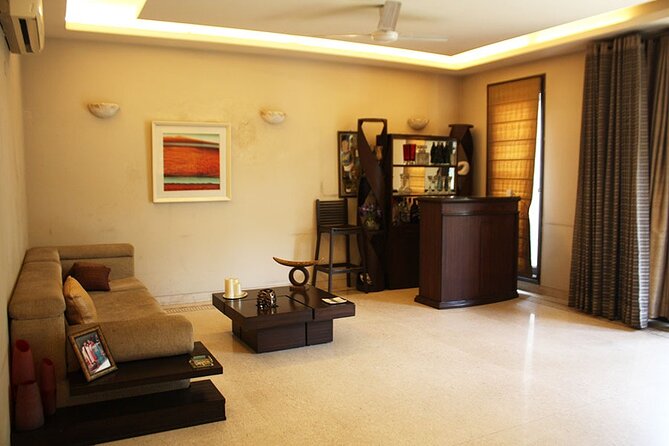
Once you’re back home, Shivani teaches you how to cook 2–3 dishes during the cooking lesson. The total cooking time is about 1 hour, and then you share the meal you helped prepare.
Common dishes you can expect to learn include:
- Dal makhni: described as a slow-cooked dish using whole black lentils, kidney beans, butter, and cream
- A paneer dish: you’ll get to work with fresh Indian cheese as part of the lesson (exact dish style can vary)
- Rotis: flatbreads that anchor a lot of North Indian meals
Even if you’re a confident home cook, Indian cooking can feel different because of the layering: spice, fat, and technique all matter together. What’s great here is that you’re not trying to guess that layering at home later. You’re making it once, with someone who can correct you in real time.
Also, this is designed for people who actually want to cook. If you’re more of a sit-and-watch type, you might not get the same satisfaction, because the experience is built around doing. The payoff is that you’ll leave with a mental model for how these dishes come together and what each step is trying to accomplish.
Vegetarians are welcome. If you want a vegetarian option, you’ll need to mention it when booking so the class can be adjusted.
The meal afterward: shared eating, conversation, and local beer
After cooking, you get to sit down and eat together. This part matters more than it sounds. In a normal restaurant meal, you taste first and learn later (or never). Here, you’ve made the food, so you taste with context.
Your host’s house setup makes conversation easy. You’re not rushed out the door right after the class. You’ll share the meal over conversation with Shivani, which is where you can ask the kind of follow-up questions that don’t fit into a cooking lesson. Things like what ingredient substitutions work, what to look for at the market, or why one dish tastes different from another.
Food and beverages are included. That includes local beer, which is a fun detail if you like pairing a warm, spiced meal with something cold. It also turns the experience into a full evening, not a quick workshop.
One more practical point: because it’s either a lunch or dinner-time option, choose based on your energy. A dinner class can feel like a built-in reward after sightseeing. A lunch option can be great if you don’t want your day to run late.
You can also read our reviews of more tours and experiences in New Delhi





Lunch or dinner timing: how to choose the right slot
You can book a lunch or dinner-time experience. The choice is simple: pick the one that matches your appetite for the rest of the day.
For lunch:
- You might enjoy it if you plan to explore later afterward.
- It can be easier if you don’t want to be out late.
For dinner:
- It’s ideal if you’re looking for a satisfying, social end to your day.
- The home meal format feels especially natural in the evening.
Either way, the duration is about 3 hours 30 minutes (approx.). That’s long enough to get meaningful cooking time and a real meal, but not so long that you lose your whole day.
Price and value: what $148 per person really covers
At $148 per person, this isn’t a budget activity. But it also isn’t trying to compete with cheap group cooking demos. You’re paying for three valuable things happening together:
- A private, intimate experience in a real home (not a rented studio)
- A market tour with your host, including guidance on seasonal produce and ingredient choices
- A hands-on cooking lesson plus a shared meal, with beverages included (local beer)
The one cost that isn’t included is hotel pickup and drop-off. So if you rely on taxis or ride-hailing a lot, factor that into your real total. The upside is that the meeting point is near public transportation, so you can likely manage the commute without it becoming expensive.
If you’re a solo traveler, the value can feel even better. You’re not forced into a chaotic group setting, and the home setting tends to make it easier to ask questions. One past participant specifically said they felt well looked after as a solo traveler, and that the market walk plus the cooking helped them feel less intimidated about recreating Indian food at home.
Who this suits best (and who should pass)
This class is a great match for:
- Home cooks and foodies who want more than tasting
- People who like learning by doing, not just watching
- Anyone interested in North Indian cooking traditions connected to Amritsar
- Solo travelers who want a friendly, structured experience without feeling stuck in a crowd
It might be less ideal if:
- You want major sightseeing between stops. This is about food and home hospitality, not monuments.
- You prefer classes with lots of written recipes handed out afterward. (You’ll learn by cooking, and your notes will likely come from what you observe and ask in the moment.)
- You need someone else to manage transportation. Since there’s no pickup, your ability to reach Chirag Enclave smoothly matters.
Practical tips that make the day smoother
A few details will help you get the most out of the experience:
- Plan your arrival: because there’s no pickup, give yourself buffer time to reach Chirag Enclave, Greater Kailash.
- Bring your questions: the best learning usually comes from asking follow-ups while you’re cooking and again during the meal.
- Tell them dietary needs: vegetarian options are available, and you should advise any dietary requirements at booking so the dishes fit you.
- Use the mobile ticket: the experience uses a mobile ticket, so make sure you can access it easily on your phone.
- Expect seasonal ingredient talk: the market portion focuses on what’s available and good seasonally, so don’t expect every ingredient to be the same year-round.
Also, keep your expectations realistic about the market segment. It’s not a shopping spree. It’s more like ingredient reconnaissance plus a chance to buy a few key items tied to what you’ll cook.
Should you book this Kailash Colony market tour and Amritsari cooking class?
Book it if you want an evening where you learn practical cooking skills you can repeat, not just a nice meal. The combo of a local market walk plus a hands-on lesson in a real home is exactly the kind of format that makes travel food stick with you.
Skip it if you’re strictly chasing big-ticket sightseeing or you absolutely need hotel pickup. And if you’re picky about timing, double-check whether lunch or dinner fits your schedule—3 hours 30 minutes is meaningful.
For most food-focused travelers, though, this is the kind of experience you’ll remember when you’re standing in your own kitchen later, trying to recreate dal makhni warmth or working with paneer and rotis without second-guessing what you’re doing.
FAQ
How long is the Kailash Colony Market Tour and Amritsari cooking class?
It’s approximately 3 hours 30 minutes.
Are lunch and dinner options available?
Yes. You can choose either a lunch-time or dinner-time option.
What’s included in the price?
The tour includes the private market tour and cooking class with your host Shivani, plus beverages including local beer.
Is hotel pickup or drop-off included?
No. Hotel pickup and drop-off are not included, and the experience ends back at the meeting point.
Is there a vegetarian option?
Yes. Vegetarian options are available, but you should advise them at the time of booking.
Where does the tour start and end?
It starts at Chirag Enclave, Greater Kailash, New Delhi 110048, and it ends back at the meeting point.