REVIEW · NEW DELHI
Old and New Delhi: 8-Hour Private City Tour
Book on GetYourGuide →Operated by Crystal India Holidays · Bookable on GetYourGuide
Delhi can feel like a lot. This private 8-hour route helps you see the top sights of both Old and New Delhi without spending your day wrestling with transport.
I especially like how the tour mixes big monuments with everyday street life. In Old Delhi you get a rickshaw ride plus a walk through the Spice Market area, so you’re not just looking at buildings. In New Delhi, the plan ties together landmark stops like Qutub Minar, Humayun’s Tomb, and India Gate with meaningful visits such as Gurudwara Bangla Sahib and Raj Ghat.
One consideration: if you’re traveling on a Monday, Red Fort, Lotus Temple, and Swaminarayan Akshardham remain closed, so you’ll need to plan around that.
In This Review
- Key Things You’ll Notice
- A Private 8-Hour Route That Keeps Delhi Manageable
- Pickup, Car Comfort, and How the Day Flows
- Old Delhi: Friday Mosque, Red Fort, Chandni Chowk, and a Rickshaw Ride
- Jama Masjid Streets to Chandni Chowk: What Makes the Area Worth Your Time
- Khari Baoli Spice Market: A Scent Trail You Can Actually Enjoy
- Red Fort to Qutub Minar: Two Delhi Worlds in One Day
- Humayun’s Tomb, Lotus Temple, and the Value of Contrast
- India Gate to Gurudwara Bangla Sahib to Raj Ghat
- Agrasen Ki Baoli Step Well: The 60 x 15 Meter Detour Worth Taking
- Drive-Past Stops: Presidential Residence, Parliament, and Akshardham
- Price and Value: Why $26 Can Make Sense
- Guide and Driver Quality: Flexibility Without the Push
- Who This Tour Fits Best (and Who Should Skip It)
- Should You Book This Tour?
- FAQ
- FAQ
- How long is the Old and New Delhi 8-Hour Private City Tour?
- Do I get pickup and drop-off from my hotel or the airport?
- Is this tour private?
- Which Old Delhi sites are included?
- Which New Delhi sites are included?
- Are entry fees included?
- Is lunch included?
- Are Red Fort, Lotus Temple, and Swaminarayan Akshardham open every day?
Key Things You’ll Notice
- Private, air-conditioned transport keeps the long day comfortable
- Hotel or airport pickup and drop-off removes hassle in a city that’s not shy about traffic
- Old Delhi rickshaw + Chandni Chowk/Khari Baoli makes the market area feel real fast
- A guide who explains history and culture helps the sights make sense, not just look impressive
- A choice of entry-ticket options saves time at monuments when you want convenience
- Agrasen Ki Baoli step well is a striking pause: about 60 meters long and 15 meters wide
A Private 8-Hour Route That Keeps Delhi Manageable

This tour is built for people who want the highlights of Delhi, but don’t want their day turned into a scavenger hunt. The core value is the pacing: you cover Old Delhi and New Delhi in one block of time, with a driver and a private local guide to connect the dots.
You’re also getting structure. Delhi has an endless supply of things to see, which is wonderful, but it can also lead to wasted time. Here, you’re guided along a route that hits major anchor sites in each area, then fills in with market streets and cultural stops that round out the story of the city.
One practical plus: it’s private or small groups. That matters when you want your day to feel flexible, not like you’re stuck following a rigid line.
You can also read our reviews of more city tours in New Delhi


Pickup, Car Comfort, and How the Day Flows

You start with pickup from your hotel or the airport in a private car, then you ride between Old Delhi and New Delhi in air-conditioned comfort. That’s not just comfort for comfort’s sake. In Delhi, time is often lost to distance and traffic, and the car reduces that friction.
Your guide travels with you alongside the driver and explains what you’re looking at. You can also customize the tour to match your interests and hobbies, or to focus on neighborhoods you care about most. If you’re the kind of traveler who likes a plan with wiggle room, that’s a big deal.
If you choose the option with included entry tickets, you’ll likely spend less time sorting through monument logistics on the spot. If you choose lunch (only if that option is selected), it helps keep the day from turning into a series of rushed meals between stops.
Also remember the simple basics: wear comfortable shoes. This is a day with walking—especially around market areas and stone steps at cultural sites.
Old Delhi: Friday Mosque, Red Fort, Chandni Chowk, and a Rickshaw Ride

Old Delhi is where Delhi turns on the lights. The streets around the Friday Mosque (Jama Masjid) and Chandni Chowk are all movement—people, sounds, smells, and that steady sense of daily rhythm.
The Friday Mosque stop matters because it anchors you in the religious and architectural scale of the area. Even if you’re not a history fanatic, you’ll feel the role this part of Delhi plays in the lives of locals.
Then there’s the Red Fort, one of the most recognized symbols of Delhi. This is the kind of place where a guide helps you see past the postcard view. You’re not just looking at walls—you’re learning how power, craft, and city life intersected here over time.
Chandni Chowk adds the street-level layer. It’s known for its commercial energy, and you’ll likely get a feel for why so many people come here for goods and daily errands. This tour keeps it more manageable than wandering on your own, because you have an agenda but still get time to experience the atmosphere.
And yes, you get a local rickshaw ride in Old Delhi. That small detail is more than a novelty. A rickshaw moves you through the neighborhood at a human pace, which helps you read the street. It can also help you avoid the classic tourist problem here: spending your energy fighting for a route instead of noticing what’s around you.
Jama Masjid Streets to Chandni Chowk: What Makes the Area Worth Your Time
This tour’s Old Delhi portion works because it hits multiple layers at once. You’re not only doing monuments; you’re also touching the commercial pulse.
Jama Masjid gives you the formal, spiritual architecture. Chandni Chowk pulls you back to everyday life and shopping energy. Together, they show how the city’s identity is built from both grand public spaces and local routines.
One smart expectation-setting tip: Old Delhi’s appeal is tightly linked to sensory overload. That’s part of the point, but it’s also why having a guide and a plan is helpful. You’ll be in motion, and you’ll want someone to steer you toward the important sights and safer walking paths without turning it into a sprint.
Khari Baoli Spice Market: A Scent Trail You Can Actually Enjoy

The Spice Market (Khari Baoli) walk is one of the highlights for a reason. This isn’t just “look at spices.” It’s a living marketplace where the smells are immediate and the energy is continuous.
I like this part because it lets you experience Delhi with your senses, not just your camera. The spices are the obvious draw, but what really makes it work is the street context: you see the way people trade, pause, and move through the same lanes every day.
If you’re the kind of traveler who likes food culture, this is a strong match. Even if you’re not buying anything, the experience of walking through a spice market helps you understand why markets matter in Old Delhi. They’re economic engines and social meeting points at the same time.
A practical note: markets can be dusty and crowded. Bring extra patience and don’t overpack your day with extra stops right before this. You’ll enjoy it more if you treat it as a main event.
You can also read our reviews of more private tours in New Delhi






Red Fort to Qutub Minar: Two Delhi Worlds in One Day

By the time you switch from Old Delhi to New Delhi, you’ll notice a clear change in mood. New Delhi feels more planned, with large avenues and major monuments set within broader spaces.
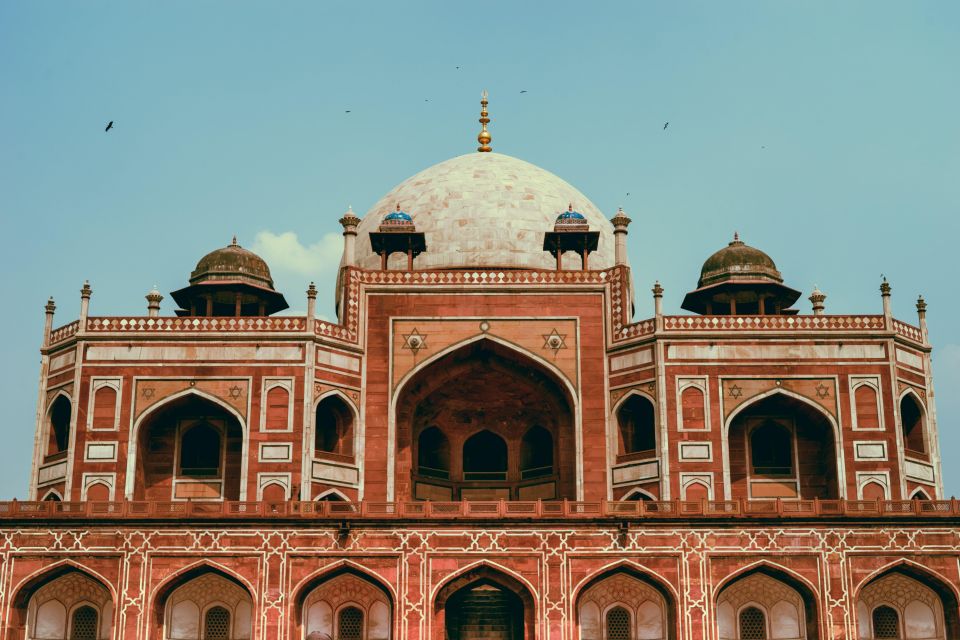
In New Delhi, you’ll visit Qutub Minar and Humayun’s Tomb—two stops that are often grouped together for a reason. They give you a sense of Delhi’s long architectural story: monumental, symmetrical in places, and clearly meant to impress across generations.
Qutub Minar is the kind of site where scale takes over your brain. You can read it as a single tower, but it also connects to the broader complex feeling of the area. Humayun’s Tomb adds a different emotional tone, more reflective and garden-like in pacing (based on how these spaces are designed), and it helps show how Delhi’s elite built meaning into landscapes.
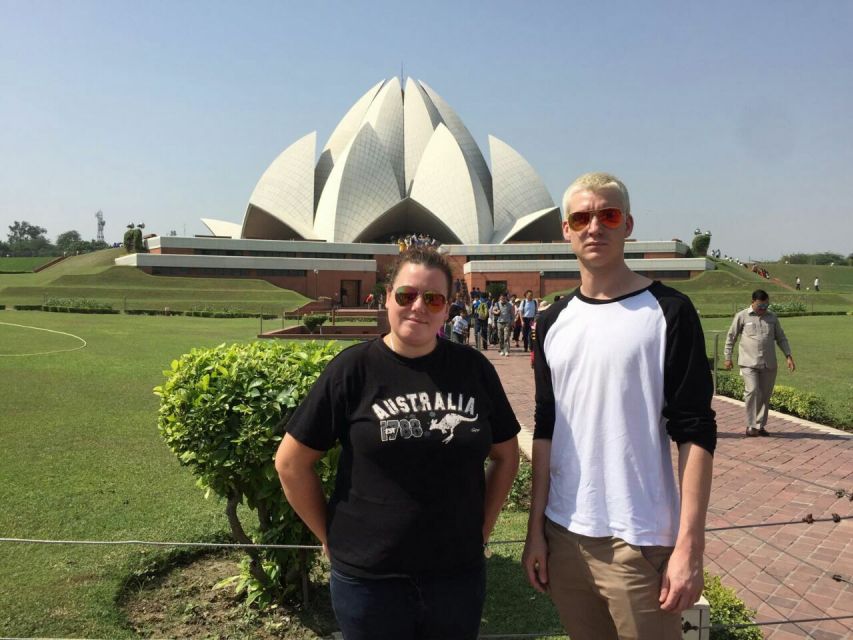
Then the tour adds modern spiritual architecture with the Lotus Temple. This is a great contrast stop after older monuments because it shifts the visual language and makes you notice how Delhi’s religious life continues to evolve.
Humayun’s Tomb, Lotus Temple, and the Value of Contrast

I think the best tours don’t just stack monuments. They compare them. This one does that naturally as you move from Old Delhi’s tight lanes into New Delhi’s open monumental spaces.
Humayun’s Tomb gives you historical weight. Lotus Temple brings a calmer, contemporary feel. That contrast helps your brain organize what you’re seeing. Instead of thinking, Wow, more buildings, you start thinking, This is how Delhi’s identity layers over time.
Also, keep Monday closures in mind. If your travel dates fall on Monday, Lotus Temple is among the sites that remain closed, along with Red Fort and Swaminarayan Akshardham. Plan your expectations accordingly.
India Gate to Gurudwara Bangla Sahib to Raj Ghat

From the major historical sights, the tour moves into places that connect to national identity and spirituality.
India Gate is a classic Delhi landmark, tied to how the country remembers and reflects. It’s also a useful reset stop: a large open space where you can breathe a bit after smaller lanes.
Gurudwara Bangla Sahib brings you back to lived religious culture. It’s a meaningful stop because it’s not just about buildings. The atmosphere around a gurudwara is often the point—community, routine, and a sense of calm during a hectic day.
Raj Ghat adds the final layer: remembrance and reflection. It’s a different emotional register than the market and the forts, and that makes it a helpful ending point for many visitors. It turns the day from sightseeing into something more personal.
A quick tip: for reflective sites, give yourself a few minutes to slow down. If you keep rushing, you’ll miss what makes those stops stick.
Agrasen Ki Baoli Step Well: The 60 x 15 Meter Detour Worth Taking
Agrasen Ki Baoli is one of those Delhi stops that feels surprising until you’re there. It’s a historical step well, about 60 meters long and 15 meters wide, with stone steps that invite you to look longer than you expect.
This stop is valuable because it’s a different type of Delhi landmark. Instead of forts or temples you immediately recognize, you get infrastructure with a strong human story: water access, engineering, and everyday use all turned into architecture.
It also works as a timing tool. Step wells are a natural place to take a break during a day that includes multiple major monuments. You’ll get a pause that isn’t just sitting in a car.
Drive-Past Stops: Presidential Residence, Parliament, and Akshardham
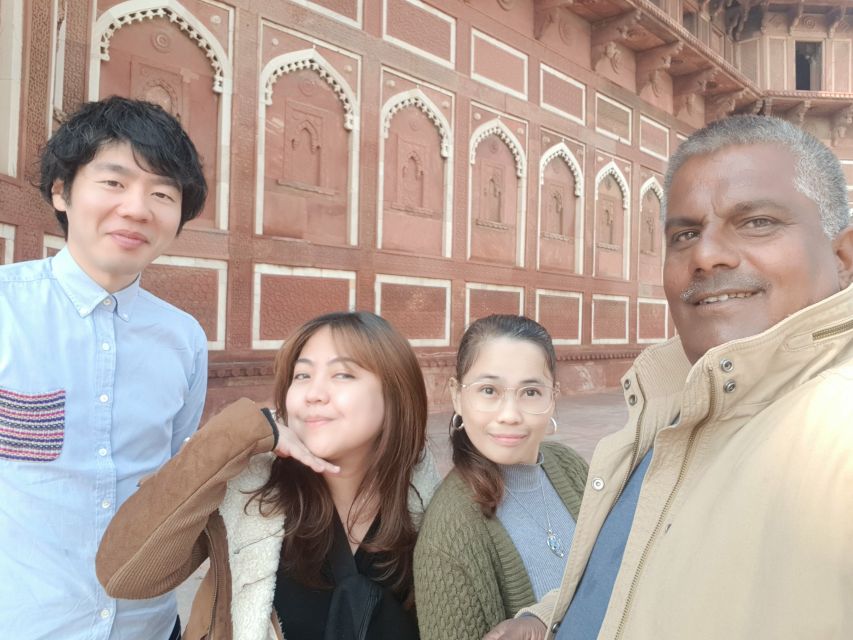
You’ll also drive past high-profile buildings and landmarks, including the presidential residence, parliament house, and Akshardham Temple.
These drive-past moments are useful if you want context without adding extra walking time. They help you understand Delhi’s layout and why the city’s monumental geography feels the way it does.
One caution: Swaminarayan Akshardham is among the sites listed as closed on Mondays. Since you might only be driving past it, that closure still matters if your day plan includes time around that area.
Price and Value: Why $26 Can Make Sense
At around $26 per person for an 8-hour private city tour, the value depends on what you choose. The biggest cost drivers in this kind of experience are transport, a private guide, and entry fees if you opt for them.
This tour includes private, air-conditioned transport, hotel/airport pickup and drop-off, bottled water during the journey, and a rickshaw ride in Old Delhi. If you select the option with included entry tickets, you’re also reducing the hassle of paying and managing monument access on the spot.
Lunch is included only if you select that option, so check that before you plan your day meals. If you don’t add lunch, you’ll want to budget time for it separately.
In my view, this price can be a good deal when you care about not wasting time. Private guiding is what turns a list of sights into a coherent day, especially when you’re covering both Old Delhi and New Delhi in one stretch.
Guide and Driver Quality: Flexibility Without the Push
One of the best aspects of tours like this is how the guide handles pace. The tour is described as customizable, and that flexibility is where you get real value.
A good guide helps you adjust in the moment: if you want more time at a monument, less time at a shop street, or a different order based on your interests, you’re not locked in. A driver can also make the day easier by handling the practical side, so you can focus on what you came for.
Also keep expectations realistic. If a major site is closed on your day, your guide will have to work with that. Since Monday closures affect multiple key sights, it helps to ask early about what will be open before you invest your energy in a specific plan.
Who This Tour Fits Best (and Who Should Skip It)
This tour is a strong match if you want:
- an efficient overview of Old and New Delhi in one day
- a private guide who explains history and culture as you go
- a mix of monuments plus local street life, especially the Spice Market area
- the convenience of pickup, drop-off, and optional entry tickets
It may be less suitable if you:
- use a wheelchair, since the tour isn’t suitable for wheelchair users
- prefer fully open-ended wandering without structure, because this is still an organized route
- are traveling on a Monday and specifically want Red Fort, Lotus Temple, or Swaminarayan Akshardham, since they remain closed that day
Should You Book This Tour?
Yes, consider booking it if your priority is highlights with guidance and low stress. This is the kind of day that works well early in a Delhi visit because it gives you context fast: forts, tombs, major national landmarks, a gurudwara, and a step well, all tied together with an explanation-focused guide.
If your dates include Monday, you can still book, but adjust your expectations. Plan to rework the day around closures, and don’t assume every major monument will be accessible.
And if you care about comfort and efficiency, the private air-conditioned car, hotel/airport pickup, bottled water, and optional included entry tickets are exactly the details that make the day feel worth it.
FAQ
FAQ
How long is the Old and New Delhi 8-Hour Private City Tour?
The tour lasts 8 hours.
Do I get pickup and drop-off from my hotel or the airport?
Yes. The tour includes hotel/airport pickup and drop-off.
Is this tour private?
It’s offered as a private or small-group tour, with private car transport.
Which Old Delhi sites are included?
Old Delhi includes the Friday Mosque (Jama Masjid), Red Fort, Chandni Chowk, and the Spice Market/Khari Baoli area, plus a local rickshaw ride.
Which New Delhi sites are included?
New Delhi includes Qutub Minar, Humayun’s Tomb, Lotus Temple, India Gate, Gurudwara Bangla Sahib, Agrasen ki Baoli, and Raj Ghat, plus drive-past sights like the presidential residence and parliament house.
Are entry fees included?
Entry fees to monuments are included if you choose the option with included entry tickets.
Is lunch included?
Lunch is included only if you select the lunch option.
Are Red Fort, Lotus Temple, and Swaminarayan Akshardham open every day?
No. Red Fort, Lotus Temple, and Swaminarayan Akshardham remain closed every Monday.