REVIEW · NEW DELHI
4 Days Luxury Golden Triangle Tour to Agra and Jaipur From Delhi
Book on Viator →Operated by Tajmahal Tour Holidays · Bookable on Viator
Three cities, one smooth plan.
This 4-day luxury Golden Triangle is built for people who want to see Delhi, Agra, and Jaipur without the daily hassle of arranging cars, tickets, and timing. I love that you get a private AC car with a professional driver plus a local guide, so the stops make sense beyond quick photo moments. I also like the practical add-ons like water bottles, parking/taxes covered, and even a mobile ticket. One consideration: key sights have separate admission fees, and you should budget about $60 per person on top of the $109 tour price.
The itinerary also works because it mixes “headline” icons with a few smart detours—like Qutub Minar and the stepwell at Panna Meena ka Kund—so the story of each city feels fuller. Taj Mahal is timed for sunrise, which is the kind of thing that can make or break your photos and your mood. Just know the days are naturally full, with drive times like 3 hours to Agra and 4 hours onward to Jaipur.
In This Review
- Key points worth knowing before you go
- What “luxury” really means on this Golden Triangle run
- Delhi in one day: from Qutub Minar to Jama Masjid
- Qutub Minar: the skyline landmark with real context
- Lotus Temple: calm architecture when the city is loud
- India Gate, Parliament House, and Rashtrapati Bhavan: the classic “government Delhi” loop
- Jama Masjid: Old Delhi’s big Mughal moment
- The Delhi-to-Agra drive: do it with patience
- Agra’s two-night energy: sunrise Taj Mahal plus Mughal forts
- Taj Mahal at sunrise: why early lighting is worth it
- Agra Fort: the Red Fort of Mughal power
- Itmad-ud-Daula (Baby Taj): the “quietly important” stop
- Jaipur Day 3: palace, science, and a lakeside pause
- Panna Meena ka Kund: the stepwell that deserves a stop
- City Palace: where styles mix on purpose
- Hawa Mahal: quick photo time with a purpose
- Jantar Mantar: ancient astronomy you can actually visit
- Jal Mahal: the “from here is enough” stop
- Where your time and comfort come from: hotels, breakfasts, and pacing
- Price and value: what $109 covers (and what it doesn’t)
- The human touch: guides and drivers who make the day easier
- Who should book this 4-day luxury Golden Triangle
- Should you book this tour?
- FAQ
- How long is the tour?
- Where does the tour start and end?
- What’s included in the price?
- Are hotel stays included?
- Are entrance tickets included for Delhi, Agra, and Jaipur?
- Is pickup included?
- Is this a private tour or a shared group tour?
- Can I cancel and get a full refund?
Key points worth knowing before you go

- Private AC car all the way, so you’re not stuck negotiating transport between cities
- Local guides on the ground, including named Delhi and Agra experts like Maninder and Sam in past departures
- Taj Mahal at sunrise, a rare chance to experience it before the crowds build
- Big Delhi highlights plus Old Delhi: Qutub Minar, Lotus Temple, India Gate, and Jama Masjid
- Jaipur highlights in one sweep: City Palace, Hawa Mahal, Jantar Mantar, and a lakeside view at Jal Mahal
- Admission tickets aren’t included, so plan for about $60 per person for entrance fees
What “luxury” really means on this Golden Triangle run
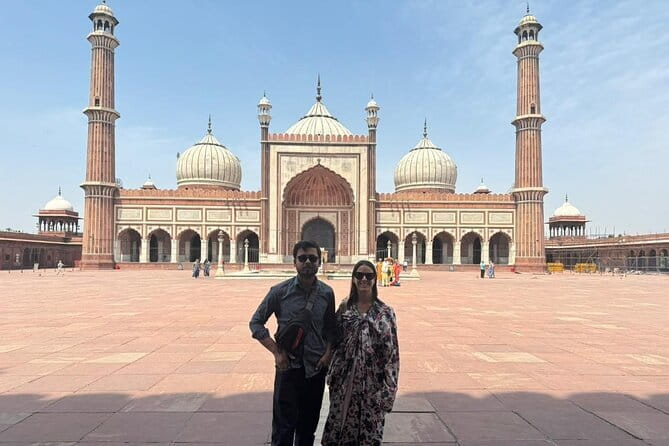
“Luxury” here isn’t about silk robes and personal butlers. It’s about reducing friction. You’re traveling between three major cities—each with traffic, crowds, and ticket lines—and this plan keeps that headache off your plate.
You’ll ride in a private AC car with a professional driver. That matters because the Golden Triangle route is famous for distances, not just attractions. You’re also getting a local tour guide, which is the difference between wandering and understanding—especially at places like Qutub Minar, Jantar Mantar, and the Mughal-era sites around Agra.
One more practical note: the tour includes a mobile ticket and group discounts, which usually makes it easier to coordinate day-of. You’ll also have parking and all taxes handled, plus a water bottle each day—small things that keep the day from turning into an expense scavenger hunt.
You can also read our reviews of more tours and experiences in New Delhi



Delhi in one day: from Qutub Minar to Jama Masjid
Delhi can overwhelm you fast. This route keeps you moving, but it’s not random. It starts with Qutub Minar, then layers in modern Delhi landmarks, and finally swings into Old Delhi.
Qutub Minar: the skyline landmark with real context
Qutub Minar is UNESCO-listed and famous for its height, but the best part is what it represents. Built in the 12th century, it marks an early chapter of Muslim rule in India. It’s the kind of monument where a guide helps you notice the details you’d otherwise miss—workmanship, style, and why it matters historically.
Expect about one hour, and remember: admission is not included.
Lotus Temple: calm architecture when the city is loud
The Lotus Temple (Bahá’í House of Worship) gives your brain a breather. It’s free to visit and it’s completed relatively recently (1986), which makes it feel like a contrast to many older sites in the city.
You’ll likely have about 30 minutes here. It’s enough time to walk around, spot the design lines, and soak up the quiet before you’re back in traffic.
India Gate, Parliament House, and Rashtrapati Bhavan: the classic “government Delhi” loop
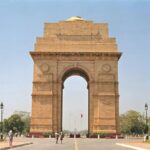
India Gate is the easy win—free, iconic, and great for a quick reset in the middle of a busy day. Then the tour continues past major political landmarks like Parliament House (Sansad Bhavan) and Rashtrapati Bhavan (the President’s residence). These stops are shorter, and much of the experience is visual: getting your bearings and seeing what “New Delhi” looks like at street level.
Times are brief here—around 15 to 20 minutes each—so don’t expect a long museum-style visit. But it’s efficient, and it helps you understand the city layout.
You can also read our reviews of more tours and experiences in New Delhi
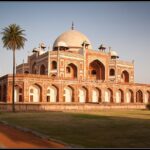





Jama Masjid: Old Delhi’s big Mughal moment
Jama Masjid is one of the largest mosques in India, built by Shah Jahan in the 17th century. This is where the day’s tone changes from formal government architecture to Mughal-era grandeur.
You’ll have about 45 minutes, but admission is not included. If you go, dress respectfully and plan for crowds and the usual Old Delhi bustle. A guide can be especially helpful here for navigation and etiquette.
The Delhi-to-Agra drive: do it with patience
After the Delhi day, you drive to Agra via Yamuna Expressway and overnight in Agra. The drive is listed as about 3 hours, so you’ll get a full evening to recover, eat, and sleep.
Agra’s two-night energy: sunrise Taj Mahal plus Mughal forts
Agra is the city most people come for, and it’s also the easiest place to get disappointed—if the timing is wrong. That’s why sunrise at the Taj Mahal is such a big deal.
Taj Mahal at sunrise: why early lighting is worth it
You’ll visit the Taj Mahal for about 3 hours and the tour specifically frames it as a sunrise experience. Early morning light softens the building, reduces harsh shadows, and can make the gardens and surrounding views look more serene than mid-day heat.
Admission is not included, so plan to handle that when you arrive. If you’re sensitive to early starts, bring a realistic mindset: the payoff is the atmosphere, not just the photos.
Agra Fort: the Red Fort of Mughal power
After the Taj, you move to Agra Fort, also UNESCO-listed and built by Mughal Emperor Akbar. It’s known for its architecture and its role as a symbol of Mughal authority.
You’ll spend about 1 hour 30 minutes. Admission isn’t included. This stop is where a guide really helps, because fort layout can be confusing if you’re just walking between walls and courtyards. With interpretation, it turns into a story of power and planning.
Itmad-ud-Daula (Baby Taj): the “quietly important” stop
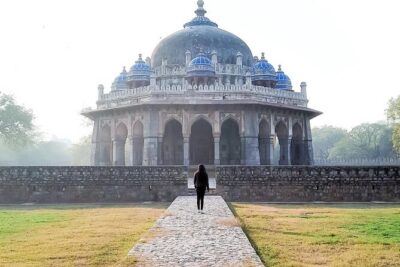
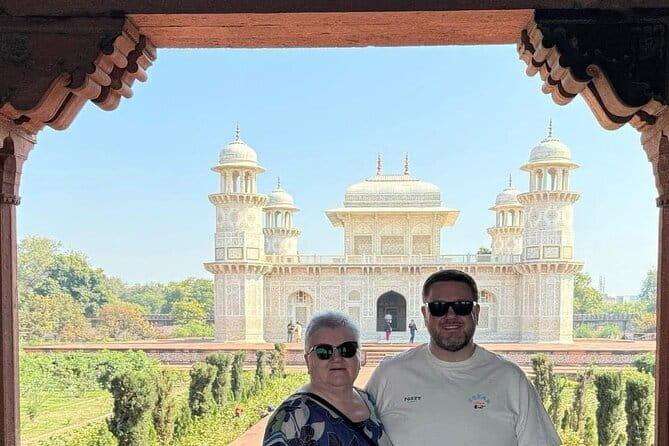
Itmad-ud-Daula—often called Baby Taj Mahal—is a mausoleum built in the early 1600s by Nur Jahan for her father. It’s about 30 minutes in the plan and admission is not included.
This is the kind of stop people skip because they assume it’s not as famous. Don’t make that mistake. It’s a smaller scale, but it can feel more intimate, and it gives your eyes a break after the biggest icon of all.
Jaipur Day 3: palace, science, and a lakeside pause
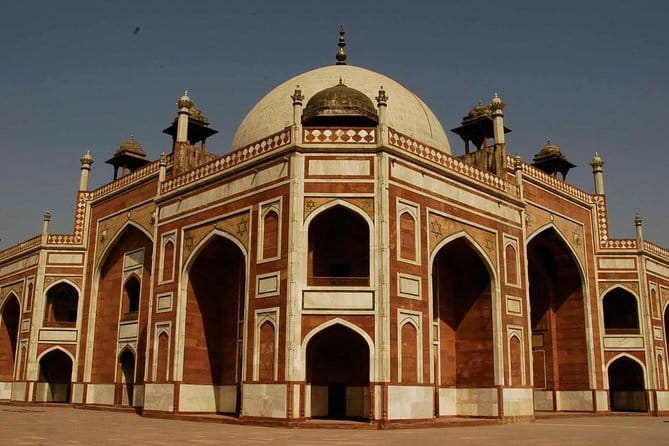
Jaipur can feel like it has 20 things to see at once. This schedule chooses major landmarks and spaces them just enough to keep the day from collapsing.
Panna Meena ka Kund: the stepwell that deserves a stop
You start with Panna Meena ka Kund, a stepwell. It’s only around 15 minutes in the plan, and admission is not included.
Even though it’s short, it’s a good “different from the obvious” break. It gives you a glimpse into how water structures shaped daily life in Rajasthan, even when the city’s famous buildings take all the spotlight.
City Palace: where styles mix on purpose
The City Palace complex is about 1 hour. It’s built by Maharaja Sawai Jai Singh II in the 18th century and is described as a blend of Rajput, Mughal, and European architectural styles.
Admission isn’t included. This is one of the stops where you’ll feel the advantage of a local guide: it’s easier to understand what you’re looking at when someone explains why the styles were combined and how the complex functioned.
Hawa Mahal: quick photo time with a purpose
Hawa Mahal (Palace of Breeze) is about 30 minutes. It has a five-story façade, and it’s one of Jaipur’s iconic symbols.
Admission is listed as free. It’s short, but it’s a smart stop because it captures the city’s look in one iconic frame—especially if you’re walking past and then stopping to view the façade from multiple angles.
Jantar Mantar: ancient astronomy you can actually visit
Jantar Mantar is an ancient astronomical observatory, built in 1734 by Sawai Jai Singh II and UNESCO-listed. You’ll spend about 1 hour, and admission is not included.
This is one of those attractions where a guide can turn confusion into interest fast. The structures are precise, and without context they can look like big decorative stone instruments. With context, they become a lesson you can walk through.
Jal Mahal: the “from here is enough” stop
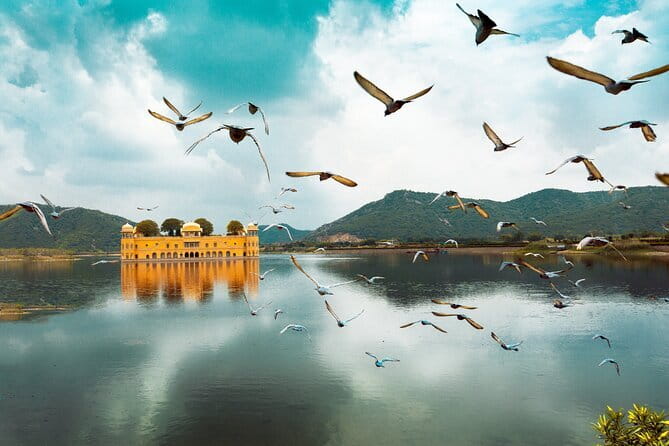
Jal Mahal means Water Palace. You’ll have about 15 minutes, and admission is listed as free. It sits in the middle of Man Sagar Lake, so you’re mainly enjoying views from the outside and surrounding area.
This is a nice palate cleanser at the end of a full sightseeing day. Don’t expect a long interior visit based on the time here—plan to enjoy the setting and photos.
Where your time and comfort come from: hotels, breakfasts, and pacing
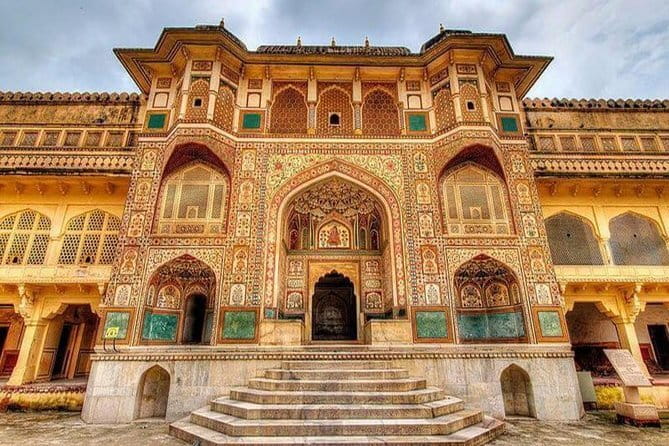
The tour includes 3 nights accommodation if you choose the option with hotels, and it includes breakfast for 3 days. That means you’re not starting each day “half hungry” while you hunt for food. Breakfast included is one of those details that quietly makes the schedule work.
You’ll also have parking and all taxes included, which helps avoid the small delays that can happen when each attraction requires separate payment arrangements.
The pacing is full, though—because it’s four days for three big cities. You’ll be out sightseeing most of the day, then returning to your hotel area at night. If you love slow travel, this may feel brisk. If you prefer not to waste daylight, it’s a solid fit.
Price and value: what $109 covers (and what it doesn’t)

At $109 per person, this tour is positioned as a budget-friendly way to access a private-car Golden Triangle. The big question is: what makes it worth it?
Here’s the value logic as it stands:
- You’re paying for private AC transport plus a professional driver, which alone can cost a lot when you book locally
- You get local guides, which turns “see stuff” into “understand what you’re seeing”
- You also get water, and basics like parking/taxes are handled
- You may get top-rated hotel stays depending on the option you pick, plus breakfast
What isn’t included is the admission spend—about $60 per person for Delhi, Agra, and Jaipur entrance fees. That means your real total is closer to the tour price plus tickets. Still, that ticket budget is usually manageable if you’re planning to visit the major landmarks listed.
If you’re the type who hates lining up, coordinating, and translating ticket counters, this plan is a smoother deal than piecing it together yourself.
The human touch: guides and drivers who make the day easier
The biggest praise in this style of tour tends to be about people. Based on past experiences, guides like Maninder (Delhi) and Sam (Agra) have been called out for being informative and accommodating, including helping with recommendations and practical photo help. In other departures, you might see guides such as Shan and Amit, with drivers like Saddam or Kayiner noted for courteous service and even good stop suggestions along the way.
Even if guide assignments vary by date, the consistent takeaway is this: you’re not just handed a checklist. You’re guided, and that changes how much you enjoy each site—especially in Delhi’s Old City and around Agra’s larger complexes.
Who should book this 4-day luxury Golden Triangle
This is a great fit if:
- You want Delhi, Agra, and Jaipur without managing transportation between them
- You value a guide who can explain what you’re seeing, not just mark locations on a map
- You prefer comfort: private AC car, shorter friction, and set timing
You might want a different plan if:
- You dislike early starts, since sunrise at the Taj Mahal is part of the core experience
- You prefer slow travel with longer stays in fewer places (this route is packed)
- You’d rather handle admissions yourself and don’t want the hassle of budgeting the extra ~$60
Should you book this tour?
If you want the Golden Triangle highlights delivered with fewer moving parts, I think this is a smart booking. The value isn’t only the price tag—it’s the combination of private transport, local guidance, and a sunrise Taj timing that most independent plans struggle to coordinate cleanly.
Book it if you want a confident itinerary and people who keep the day running. Skip it if you’re a slow-travel minimalist or if sunrise is a deal-breaker. For most first-timers, though, this is a strong way to see the classics while still getting real context.
FAQ
How long is the tour?
The tour runs for approximately 4 days.
Where does the tour start and end?
It starts in New Delhi. On the final day, you’ll be dropped off anywhere in Delhi, Gurugram, or Noida, including the airport, or dropped off at Jaipur Airport.
What’s included in the price?
Included options listed are 3 nights accommodation (if booked with hotels option), a private AC car with professional driver, local tour guide, water bottle, parking and all taxes, and breakfast for 3 days.
Are hotel stays included?
Accommodation is included only if you booked the option that includes hotels.
Are entrance tickets included for Delhi, Agra, and Jaipur?
No. Admission fees are not included and are estimated at around $60 per person.
Is pickup included?
Yes, pickup is offered.
Is this a private tour or a shared group tour?
It is private. Only your group participates.
Can I cancel and get a full refund?
Yes. Free cancellation is available up to 24 hours in advance for a full refund.