REVIEW · NEW DELHI
Old Delhi: 3-Hour Tuk-Tuk/Rickshaw Tour
Book on GetYourGuide →Operated by Keeper Landwey · Bookable on GetYourGuide
Old Delhi hits your senses hard, fast. This 3-hour tuk-tuk loop is the practical way to see the big sights and the market streets without getting worn out by traffic and foot dodging. You’ll ride past colorful bazaars, then pause for places that actually explain why locals treat this part of Delhi like the center of everyday life.
I especially love how the tour pairs major religious landmarks with street-level markets. Jama Masjid gives you that jaw-drop scale, while the chance to try langar at a Sikh gurudwara turns the visit from sightseeing into something you can feel and understand. Guides like Arham, Vasu, and Junaid show up again and again in the vibe people mention: clear explanations, humor, and a real focus on making you comfortable.
The one thing to consider is that some parts are not guaranteed on timing and days—most notably the minaret at Jama Masjid can be closed, and the main markets shut on Sundays so your stops may shift.
In This Review
- Key highlights worth circling
- Meeting by Red Fort and getting oriented fast
- The tuk-tuk ride: your shortcut through traffic chaos
- Jama Masjid: the scale of India’s largest mosque
- Khari Baoli: spice market scents and why the guide talks medicine
- Chandni Chowk: fueling up with chai and samosa
- Gurudwara Sis Ganj and langar: how community kitchens work
- Jain Mandir and the bird hospital: a calmer ending
- Price and value: why $25 works for this route
- Safety and etiquette that actually help in Old Delhi
- Who this tour suits best (and who should skip it)
- Should you book this Old Delhi tuk-tuk tour?
- FAQ
- Where does the tour meet?
- How long is the tour?
- What’s included in the price?
- Are water or meals provided?
- What languages are the guides?
- What should I bring and wear?
- Is Jama Masjid the same for everyone?
- Is it suitable for wheelchair users or pregnant women?
Key highlights worth circling
- A tuk-tuk ride that saves your legs while still getting you deep into Old Delhi’s lanes and bazaars
- Jama Masjid courtyard time, plus possible minaret views if it’s open
- Khari Baoli’s spice market with hands-on context about smells and medicinal uses
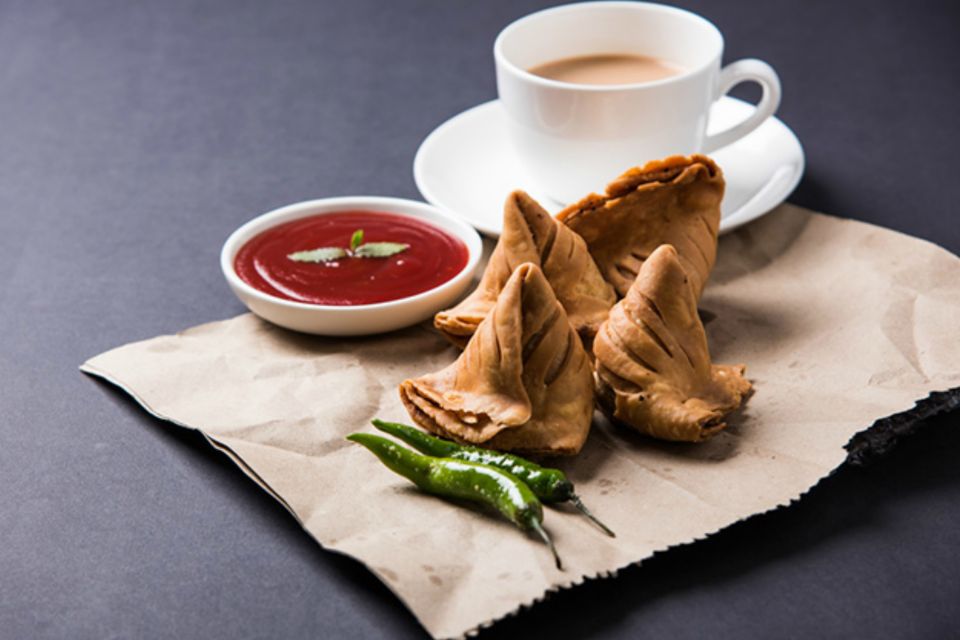
- Chandni Chowk snack stop featuring chai and samosa to keep you fueled
- Gurudwara Sis Ganj and langar for a real taste of Sikh community hospitality
- Jain Mandir and its bird-focused charitable work for a calmer, reflective ending
Meeting by Red Fort and getting oriented fast
Your tour starts near the Red Fort area, at the gate of Sunehri Masjid on Nishad Raj Marg (opposite the Red Fort parking). Your guide waits outside the Green Banner that says Sunehri Masjid, so you can spot them without wandering for long. If you’re coming by metro, the Jama Masjid stop on the Violet Line is the easiest reference point.
I like this setup because it gets you into Old Delhi without wasting time. In a place where streets can feel like they change every time you turn a corner, meeting at a recognizable landmark helps you get your bearings fast. Also, the guide being English-speaking (and sometimes Spanish) matters here, because explanations make the sights click instead of just blur.
This is a “show up and go” experience. The tour does not include hotel pickup, so plan to arrive at the meeting point on your own and on time.
You can also read our reviews of more tours and experiences in New Delhi


The tuk-tuk ride: your shortcut through traffic chaos
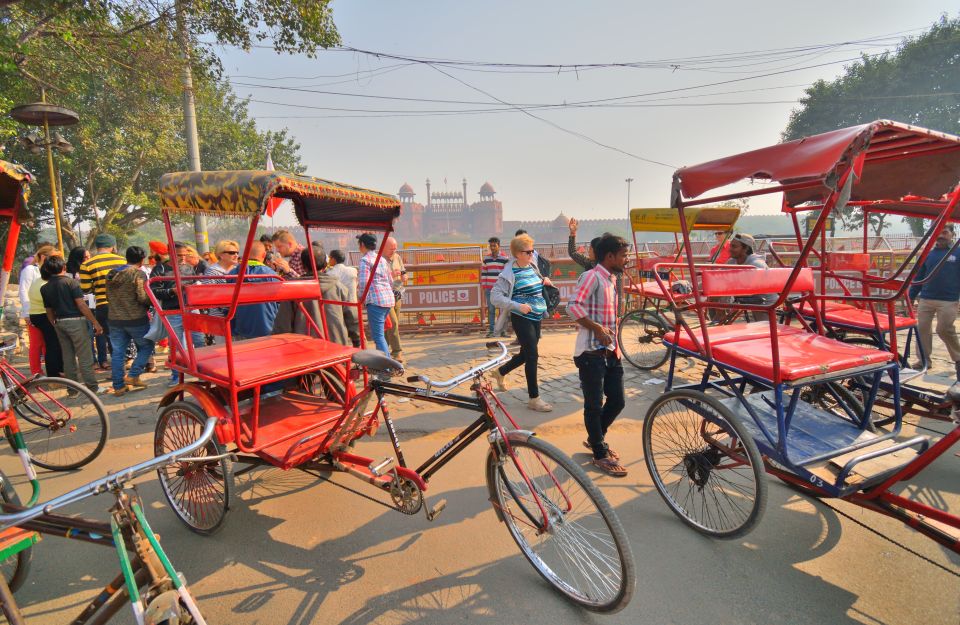
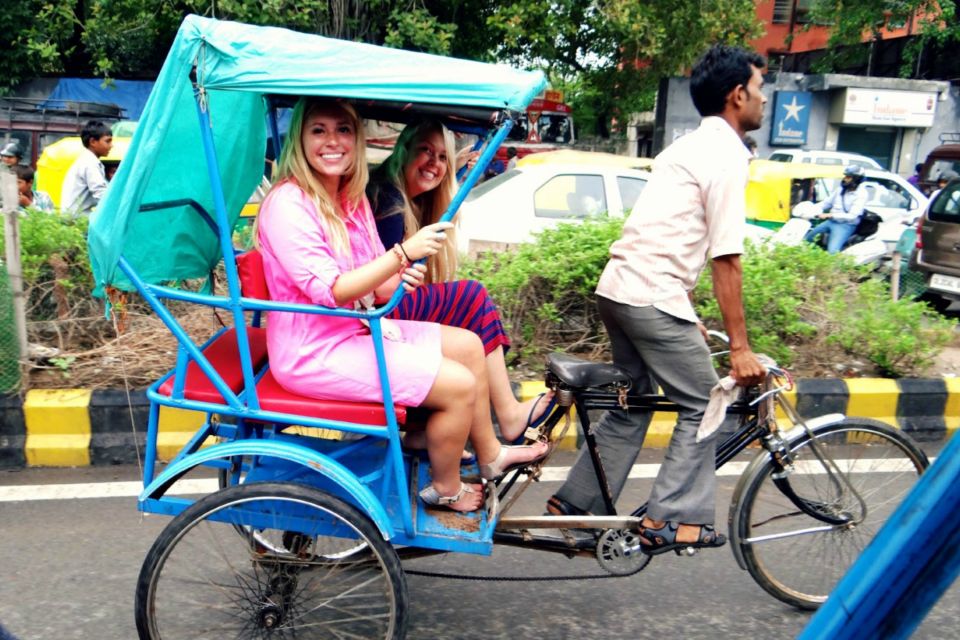
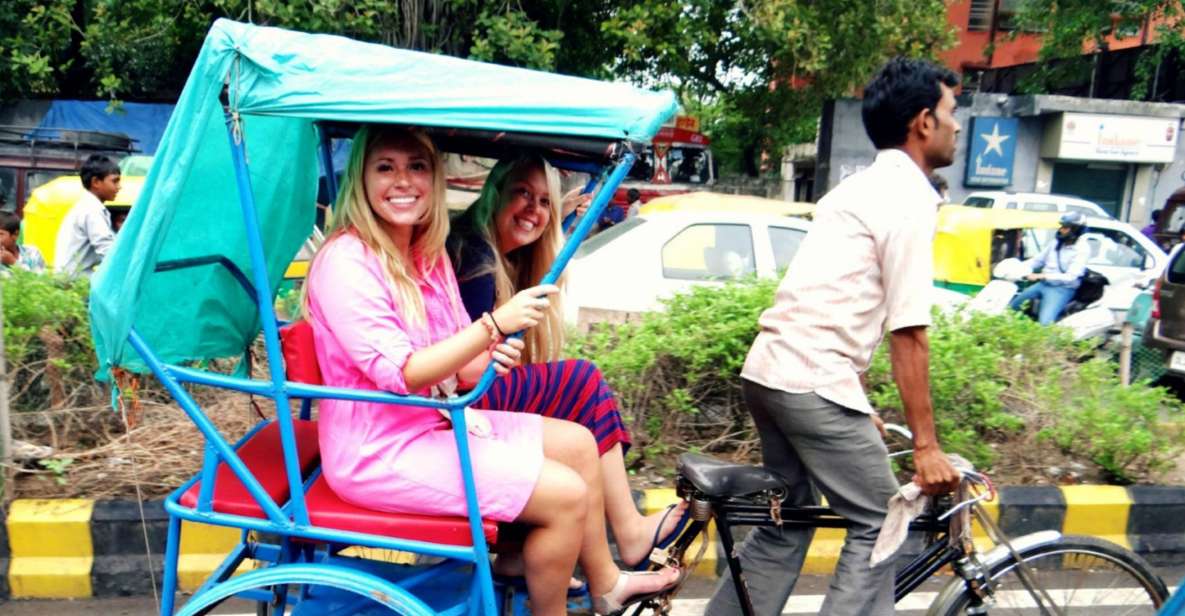
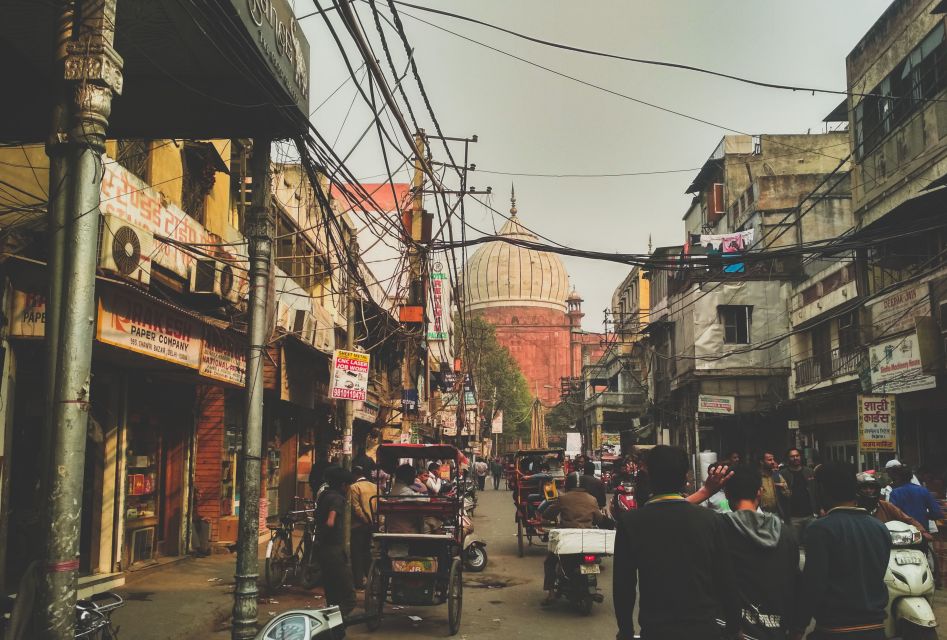
The core idea is simple: you travel in a modified cycle rickshaw-style tuk-tuk instead of walking the whole time. Old Delhi can be intense—pedestrians, vehicles, scooters, bicycles, and vendor calls competing for your attention. Riding gives you mobility without losing the street view, and you get that skyline peek between buildings that you’d miss on foot.
I also think the tuk-tuk is the right tone for this neighborhood. It feels local, slow enough to look around, yet nimble enough to move with the flow. Several guides are praised for making people feel safe while navigating narrow lanes, and that’s exactly what you want when you’re new to the area.
What you should know: you’ll still do some walking at stops. Comfortable shoes are a must, even if the tuk-tuk is doing the heavy lifting.
Jama Masjid: the scale of India’s largest mosque
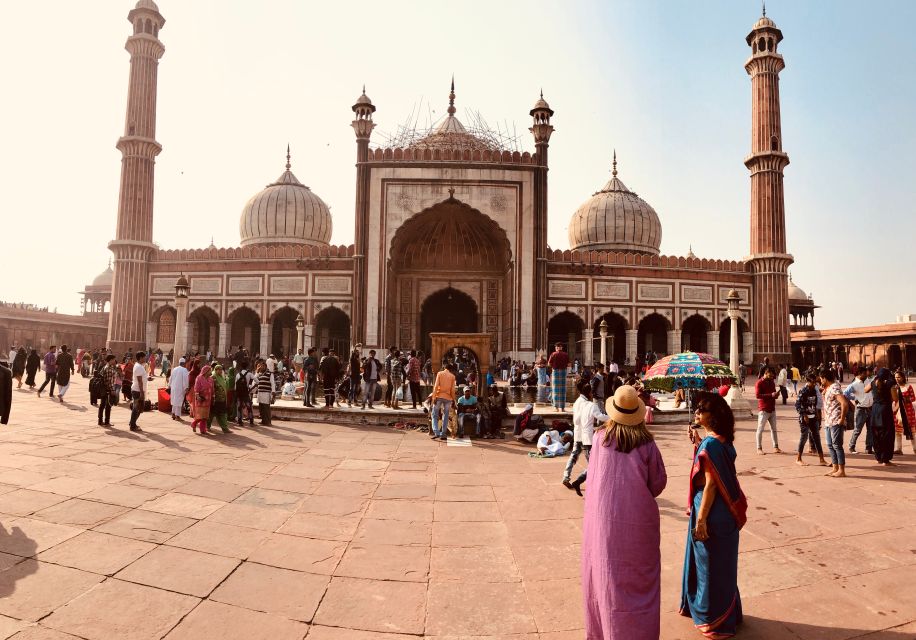
Your first major stop is Jama Masjid, described as India’s largest mosque. You’ll spend time in the red sandstone courtyard, taking in the size of the complex and the way people move through it. If you’re lucky—and if access is open—you may be able to climb a minaret for views over Old Delhi.
Even when you can’t reach the minaret, the courtyard itself is the point. It’s one of those places where the architecture makes you slow down, not just look. And because you’re with a guide, you’re not guessing what you’re seeing.
Practical note: in places of worship, you must remove your shoes and socks. Follow your guide’s instructions on what areas you can enter and how to behave while inside.
Possible drawback: the minaret may be closed. If views from the top are a big priority for you, treat this as a bonus, not a promise.
Khari Baoli: spice market scents and why the guide talks medicine
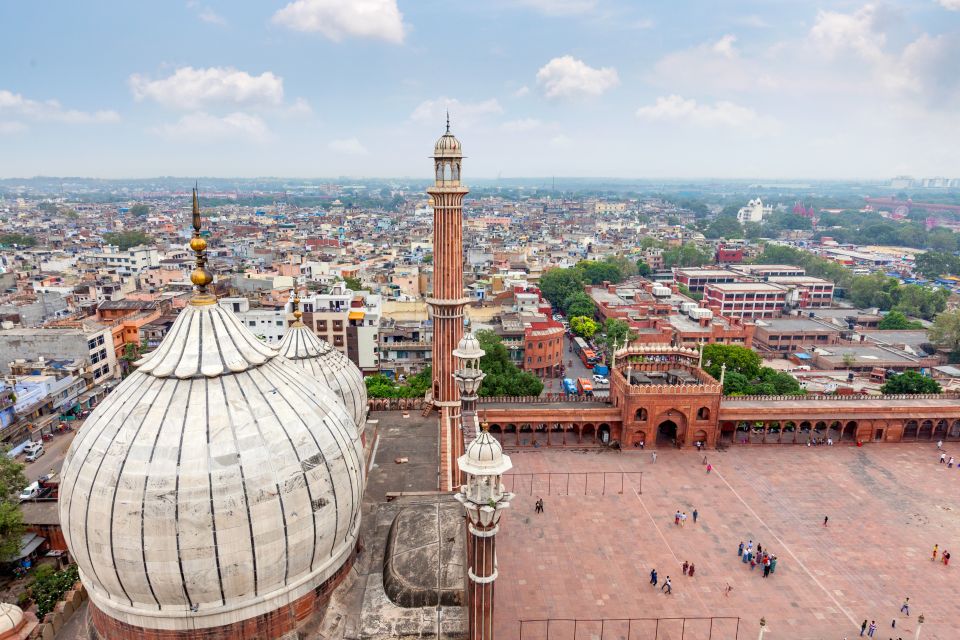
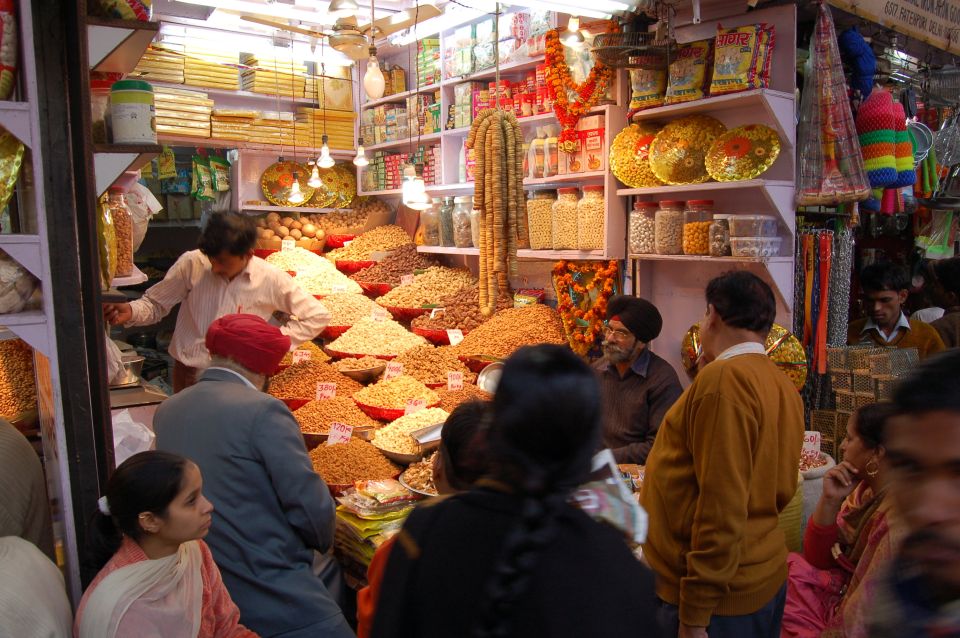
Next up is Khari Baoli, which is known as Asia’s largest spice market and has existed since the 17th century. This is where Old Delhi turns from landmark photos into sensory reality. The lanes narrow, the air smells strong, and you’ll see spices organized in a way that makes you understand how seriously locals treat cooking and trade.
What makes this stop more valuable than a quick photo break is the way the guide explains spices beyond taste. You’ll get hands-on information about the world of spices and their medicinal and health benefits. I love this angle because it turns the market into a learning moment—you start noticing not just colors and shapes, but what people believe spices can do.
A tip for you: don’t feel pressured to buy anything the moment you step into a stall. Take a beat, listen, and taste only if that’s offered and you’re comfortable. Markets like this work on attention, so keep yours with the guide and the plan.
Chandni Chowk: fueling up with chai and samosa
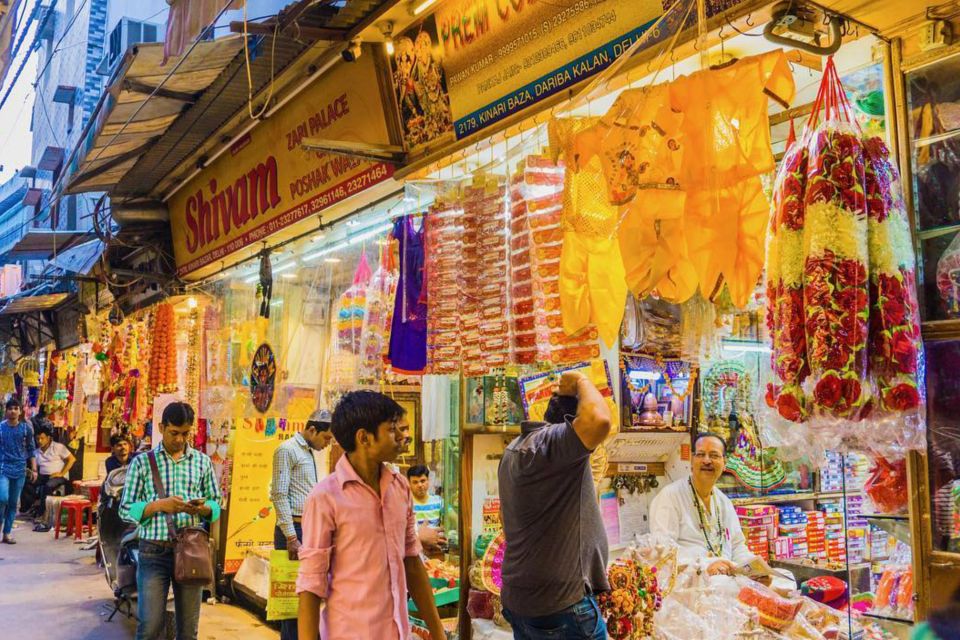
After the spice market, the tour builds your appetite with a stop near Chandni Chowk, often described as a famous area for street food. This is the moment where the experience becomes very human: you get your tea-and-snack break rather than trying to find food on your own in the middle of the crowd.
The included snack part is chai and samosa, so you get a classic combo without planning chaos. It’s a smart way to keep energy up for the next religious stops, especially if it’s warm or you’ve already been walking earlier that day.
If you have dietary needs, plan ahead in how you manage snacks. The tour explicitly includes tea and snacks, but it doesn’t list special meal options.






Gurudwara Sis Ganj and langar: how community kitchens work
Your next stop is Gurudwara Sis Ganj, a significant Sikh prayer house. Here you’re not just looking at architecture; you’re stepping into a living community space. You’ll spend some time interacting with locals and then try langar, the community kitchen service.
This is one of the most meaningful parts of the tour because langar is a practical lesson in values. Instead of hearing about hospitality in a classroom way, you see how food is shared and how the community functions together. It’s also a reminder that Old Delhi isn’t only about old monuments—it’s also about present-day daily life.
Dress and footwear matter. Like other places of worship on the route, you’ll follow the no-shoes expectations and any instructions from staff and your guide.
One consideration: this portion can be busy, so staying close to your guide isn’t just for logistics—it helps you move smoothly through crowds with less stress.
Jain Mandir and the bird hospital: a calmer ending
To finish, you’ll visit Jain Mandir, home to a charitable hospital for birds. This stop shifts the mood. After intense markets and large worship spaces, you get something quieter and more reflective, plus an explanation of the tenets of Jain religion.
I like endings like this because they keep the tour from feeling like a checklist. You still learn something, but it’s not only sensory overload now. It’s a different kind of perspective on faith and charity in the city.
As with the other stops, follow your guide’s instructions on entry and respectful behavior.
Price and value: why $25 works for this route
At $25 per person for a 3-hour tour, the value mainly comes from three things you’d otherwise have to piece together yourself. First, you get the tuk-tuk transport through the busiest stretches. Second, you get a professional English-speaking guide who ties stops together with explanations. Third, you get tea and snacks included, so you’re not spending your limited time hunting food.
Also, the tour includes skip the ticket line, which can matter on busy sights. Even if you don’t spend ages waiting, saving that friction helps when your day is already packed.
What’s not included is water. Bring your own if you’re the type who drinks often, especially if you’re going during warmer hours.
Safety and etiquette that actually help in Old Delhi

Old Delhi is crowded. It’s also full of small temptations for distraction—vendors, phone calls from stalls, and people trying to get your attention fast. Your guide will help with the flow, but you still need smart habits.
Here are the big practical reminders the tour emphasizes:
- Stay close to your guide at all times and follow their instructions.
- Watch for pickpockets in crowded areas, and keep attention on your phone, camera, wallet, and other belongings.
- In temples and places of worship, remove your shoes and socks as required.
I’d add one more reality-check for you: bring what you need and keep it light. The tour does not allow pets or luggage/large bags, which is a good sign—you’ll move easier and the experience stays comfortable.
Who this tour suits best (and who should skip it)
This is a great choice if you want a first taste of Old Delhi without spending your whole day navigating it on foot. I’d especially recommend it to you if you:
- Have limited time but want both major landmarks and local markets
- Like food experiences like chai and samosa, plus spice-market learning
- Prefer a guide who can explain what you’re seeing, not just point and go
It’s not suitable for pregnant women or wheelchair users, based on the tour’s requirements and physical constraints. Also, because it’s a short 3 hours with multiple stops, you’ll want to be comfortable with some walking.
Should you book this Old Delhi tuk-tuk tour?
If you’re trying to see Old Delhi efficiently—and you want more than just photos—this tour is a strong yes. The combination of Jama Masjid, Khari Baoli, Chandni Chowk snacks, and langar hits the neighborhoods’ main stories in a way that feels organized but still local. You’ll also get that safety-and-sanity boost from riding a tuk-tuk instead of trying to walk through traffic chaos.
Book it if you want a guided sampler that still includes real street life and community culture. Just go in knowing that the minaret might be closed and that Sunday markets may change, and you’ll be happy with what you get.
FAQ
Where does the tour meet?
The meeting point is the gate of Sunehri Masjid on Nishad Raj Marg, Lal Qila, Old Delhi, New Delhi, Delhi 110006. It’s opposite the Red Fort parking, and your guide waits outside the Green Banner stating Sunehri Masjid.
How long is the tour?
The tour lasts 3 hours.
What’s included in the price?
The price includes the tuk-tuk tour, a professional English-speaking guide, and tea and snacks. The tour also includes skip-the-ticket-line access.
Are water or meals provided?
Tea and snacks are included, but water is not included.
What languages are the guides?
The tour offers a live guide in English and Spanish.
What should I bring and wear?
Bring comfortable shoes, sunglasses, sun hat, and sunscreen.
Is Jama Masjid the same for everyone?
Jama Masjid is open to all visitors, but the minaret may be closed depending on access rules that day.
Is it suitable for wheelchair users or pregnant women?
No. The tour is not suitable for wheelchair users or pregnant women.