Old Delhi overwhelms fast, this tour helps. I especially liked the tried-and-tested street food approach (with history and ingredients) and the behind-the-scenes feeling at Gurudwara Sis Ganj Sahib’s mega kitchen, where 15 thousand+ people eat for free every day. The one possible drawback: this is a market-and-crowd style experience, so if you want quiet, slow, and museum-paced, you might find the energy a bit intense.
What makes this tour genuinely useful is how it connects religion, food, and the spice world into one logical route. You’ll hit Chandni Chowk, see Red Fort from outside, visit major religious sites (including Sikh and other historic places), and then spend real time where flavors begin—Asia’s largest spice market, plus a secret spice mansion.
You also get practical value for the price: street food tastings, photo stops, a rickshaw ride, and a guide who shares money-saving tips for India and even helps you with basic Hindi so you can move around with more confidence. Expect about 3 to 3.5 hours starting near Lal Qila Metro and ending back at the same point.
In This Review
- Key highlights to look forward to
- Starting Point: Why Lal Qila puts you in the right frame of mind
- Chandni Chowk market: your first real lesson in Old Delhi
- Gurudwara Sis Ganj Sahib: seeing the mega kitchen changes how you think about food
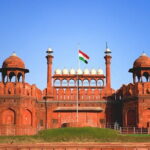
- Red Fort from outside: a quick anchor, not a time sink
- Fatehpuri Mosque and the religion mix: history you can actually connect
- Asia’s largest spice market: where flavors start making sense
- The secret spice mansion: a slower look with more flavor context
- Street food tastings: samosa, jalebi, paratha or choley bhature, and chai
- Rickshaw ride in Old Delhi: fun transport and a new perspective
- Learning Hindi basics: why it helps in real life
- Tips for saving money in India: value beyond the route
- Price and time: is $30.13 worth it?
- Who should book this Old Delhi Odyssey
- Should you book this tour?
- FAQ
- What is the duration of the Old Delhi Odyssey tour?
- Where does the tour start and end?
- What’s included in the food portion of the tour?
- Which major areas and landmarks are visited?
- Is there a rickshaw ride?
- Does the tour include a spice-focused stop beyond the main market?
- Is cancellation free if plans change?
Key highlights to look forward to
- Food you can order with confidence: explanations of history and ingredients for samosa, jalebi, paratha or choley bhature, and chai
- Gurudwara Sis Ganj Sahib mega kitchen access: see how the free meal system works, day after day
- Spice-focused stops: Asia’s largest spice market and a secret spice mansion for deeper flavor context
- Historic landmarks without the rush: Red Fort seen from outside, plus Fatehpuri Mosque (about 370 years old)
- Photo-friendly lanes: Nau Ghara Gali’s nine houses area is built for good pictures
- Fun, local transport: a rickshaw ride through chaotic Old Delhi streets
Starting Point: Why Lal Qila puts you in the right frame of mind
The meeting spot is Metro Station Lal Qila in New Delhi, right by Chandni Chowk territory. That matters because Old Delhi isn’t the place you want to spend your first hour trying to understand where you are. Starting near Lal Qila helps you jump straight into the neighborhood’s rhythm.
The tour is around 3 to 3.5 hours, and the pace is “compact and efficient.” You’re moving through markets and religious sites that define what Old Delhi feels like on a normal day, not a staged idea of it. The group size tops out at 100, so it’s not a tiny private walk, but it’s also not an unmanageable crowd where you can’t hear your guide.
One small but real detail: you’ll have a mobile ticket. That sounds minor, but in busy places it saves you from last-minute searching and makes check-in smoother.
You can also read our reviews of more food & drink experiences in New Delhi


Chandni Chowk market: your first real lesson in Old Delhi
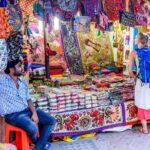
Chandni Chowk is the obvious headline, but the good part is what you learn there. This isn’t just a walk past shops. You’re guided through the market with an eye toward how food, religion, and commerce tie together in everyday life.
I like how this setup gives you fast context. In Old Delhi, smells, noise, and crowds can blur together. With a guide, the sensory overload turns into information: what you’re seeing, why it’s there, and what to look for on future days.
If you’re a first-timer, you’ll also appreciate the direction the route gives you. You’re not stuck deciding what to try alone, and you’re not guessing how to approach vendors. Instead, you can focus on tasting and learning, then take those skills back out into the market.
Gurudwara Sis Ganj Sahib: seeing the mega kitchen changes how you think about food
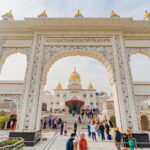
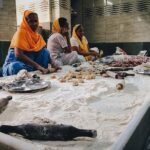
One stop you’ll remember for a long time is Gurudwara Sis Ganj Sahib. You’re not only looking at the temple from the outside. You also get access to the mega kitchen setup, where 15 thousand+ people eat for free every day.
That number does a lot of emotional work. It turns what could be a “quick temple photo” into a lesson about service at scale. You’ll hear how the system functions as part of everyday Sikh life, not as a special show for tourists.
In terms of value, this is one of the biggest reasons to book. Most food tours give you snacks. This one pairs the snacks with a real cultural reason for why food matters here. And because it’s a kitchen experience tied to a major place of worship, it also gives you a sense of how the day flows around community meals.
Practical note: you’ll want to follow the site’s expectations for respectful behavior and dress. Your guide will help you navigate the basics so you can focus on understanding what you’re seeing.
Red Fort from outside: a quick anchor, not a time sink
You’ll see Red Fort from outside. That’s an intentional choice. Instead of turning the day into a long ticket hunt or an all-day fortress visit, you get a visual anchor for the area you’re walking through.
Why that matters: Old Delhi feels like a web of lanes and markets, and it’s easy to lose the sense of the bigger picture. A clear landmark like Red Fort helps your brain place everything else you experience—religious sites, markets, and spice areas—into a coherent map.
This stop works best if you’re trying to cover multiple highlights in one afternoon without exhausting your schedule. If you want a deep, museum-style explanation of Red Fort, you’ll likely want a separate visit later. But as part of an odyssey focused on religion, spices, and food, seeing it from outside makes sense and keeps you moving.
Fatehpuri Mosque and the religion mix: history you can actually connect
Another highlight is Fatehpuri Mosque, described as about 370 years old and among Delhi’s second largest mosques. Seeing it within the flow of Old Delhi gives you a different angle than reading about it later.
I like how the tour doesn’t treat religion like a checklist. You visit a Sikh gurdwara, then you move through other historic religious spaces (including Jain and Hindu temple areas from outside). That helps you understand Old Delhi as a lived neighborhood where different faiths share space and public life.
You’ll also get strong photo opportunities along the route. One of the standout areas is Nau Ghara Gali, the nine houses lane known for good pictures. Even if you aren’t an Instagram person, these lanes help you slow down. They break up the market chaos with a more composed street scene where you can step back and frame what’s around you.
You can also read our reviews of more tours and experiences in New Delhi




Asia’s largest spice market: where flavors start making sense
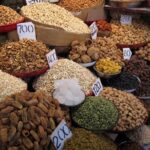
Then you get to the spice part—big and important. Asia’s largest spice market is exactly the kind of stop that can be confusing without guidance. Spices in a market aren’t just products; they’re part of culinary identity.
This tour helps you connect what you smell and see to what you’ll taste. You learn about ingredients and how specific spices relate to the foods you’re eating. That turns the spice market from a sensory spectacle into useful knowledge you can use later.
Also, if you’re into photography, this is a naturally photogenic stop. Bright colors, hanging containers, sacks, and the movement of the market give you plenty of material. You’ll take photos, but you’ll also leave with a better idea of what to look for the next time you’re shopping for spices.
One extra win: you’re not done after the big market. The day includes a visit to a secret spice mansion. That adds variety, so you don’t feel like you’re only seeing one version of the spice world.
The secret spice mansion: a slower look with more flavor context
A secret spice mansion sounds like a marketing line, but what it really gives you is breathing room. After you’ve walked through the busiest market moments, this kind of stop can feel like a reset.
You’re likely to get more explanation here about spices, how they’re used, and why certain ingredients show up in classic street foods. It’s the kind of stop that makes you realize you didn’t just come for snacks—you came to understand what you’re tasting.
If you enjoy buying a few quality items without getting overwhelmed, this section is where you can ask more pointed questions. You also learn in the process how to handle ordering and choosing with less guesswork later.
Street food tastings: samosa, jalebi, paratha or choley bhature, and chai
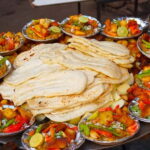
Let’s talk about the food, because that’s a major reason people book. The tour is built around tasting different varieties of tried-and-tested Indian street food, with an emphasis on safety. You’ll try samosa, jalebi, paratha or choley bhature, and chai.
What I like here is the pairing of tasting with explanation. The tour doesn’t just hand you food. It adds history and ingredient context, so you understand what’s in the bite and what makes it taste the way it does. That makes each stop feel like part of a lesson, not random snack stops.
For example:
- Samosa helps you understand the idea of filling + crunch + spice balance.
- Jalebi gives you a window into sweet syrup textures and how Indian sweets are built.
- Paratha or choley bhature connects you to comfort-food textures and how chickpeas and dough-based dishes show up across regions.
- Chai ties the whole thing together with a warm, simple drink that locals treat as daily rhythm.
One practical takeaway: because you’ll be taught about ingredients, you’re better equipped to decide what fits your preferences. If you’re cautious about specific ingredients or want to avoid certain flavors, this type of guided explanation helps you ask more informed questions.
Rickshaw ride in Old Delhi: fun transport and a new perspective
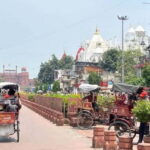
A highlight that keeps the experience from becoming only walking is the rickshaw ride through chaotic Old Delhi market areas. Sitting in a rickshaw changes your sense of distance and gives you a “floating view” of the street walls, traffic flow, and storefront energy.
It’s also a smart pacing tool. Old Delhi can be tiring just from the constant movement on foot. A short ride gives your legs a break without removing you from the action.
The best part is the change in perspective. You’ll see corners and lanes you might miss if you only walk, and you get a better sense of how the market grid works around major landmarks.
Learning Hindi basics: why it helps in real life
You’ll also get help with basic Hindi. That sounds small, but it’s one of those “why didn’t I do this earlier?” things.
Even a little language support can help you:
- understand what you’re being offered,
- communicate simple preferences,
- and ask questions in a way that feels respectful.
On a street-food and market day, that matters. You’re not just sightseeing—you’re interacting with people and making choices. Your guide helps bridge the gap so you feel more confident.
Tips for saving money in India: value beyond the route
The tour also includes tips and recommendations on how to save money in India. I appreciate this kind of add-on because Old Delhi can tempt you into overpaying when you’re tired and deciding quickly.
You’ll get practical guidance that helps with decision-making while you’re in motion. It’s not only about your tour budget. It’s about getting better value across your whole Delhi stay.
If you’re traveling on a tighter budget, this is part of why the price feels reasonable.
Price and time: is $30.13 worth it?
At about $30.13 per person for roughly 3 to 3.5 hours, this is strong value—if you actually want a mix of food, history context, and guided market time.
Here’s why it adds up:
- Multiple major stops tied to religion and landmarks (including Gurudwara Sis Ganj Sahib and Fatehpuri Mosque)
- Street food tastings built around several classic items, plus chai
- A large spice market and a secret spice mansion, so the day has a “flavor theme”
- A rickshaw ride, which helps you cover more feel of the area in less time
- A guide who shares history, ingredient info, and practical money-saving advice
- Basic Hindi support, which can make your independent time easier later
Where it may not be worth it: if you already know exactly which foods you want and you’re comfortable navigating Old Delhi without language help, you might prefer building your own route. But if you want structure and learning while you taste, the guided format keeps you from wasting time.
Group size stays capped at 100, which usually helps keep the experience from feeling chaotic in the way very large tours can.
Who should book this Old Delhi Odyssey
This tour fits best if you want:
- a fast, high-impact Old Delhi experience in about 3 to 3.5 hours
- a food + religion + spices theme that connects the dots
- guided street food tastings like samosa, jalebi, paratha or choley bhature, and chai
- strong photo opportunities, including Nau Ghara Gali
- a guide who explains history, rituals, and ingredients in a way that makes sense on the street
I’d skip it if you strongly dislike crowded markets, noise, and fast decision-making. This is Old Delhi; it’s not calm. But for the right traveler, that energy is the point.
Should you book this tour?
If you’re planning a first trip to New Delhi and you want one afternoon that gives you a real feel for the city’s street life, religion, spices, and food culture, I think you’ll like this. The Gurudwara Sis Ganj Sahib mega kitchen stop alone adds meaning beyond typical snack tours, and the spice market focus keeps the day from feeling like random attractions.
Book it when you want structure: a guided route, tastings, photo stops, and a bit of Hindi so you can leave with more confidence. Consider booking something calmer instead if your idea of a great day is slow, quiet, and low-stimulation.
FAQ
What is the duration of the Old Delhi Odyssey tour?
The tour lasts about 3 to 3.5 hours.
Where does the tour start and end?
It starts at Metro Station Lal Qila, 1202, Netaji Subhash Marg, and ends back at the same meeting point.
What’s included in the food portion of the tour?
The tour includes tastings of Indian street food such as samosa, jalebi, paratha or choley bhature, and chai, with explanations about history and ingredients.
Which major areas and landmarks are visited?
You’ll visit Chandni Chowk market, Gurudwara Sis Ganj Sahib, the Asia’s largest spice market, Fatehpuri Mosque, and you’ll see Red Fort from outside. You’ll also visit Nau Ghara Gali and areas outside Jain and Hindu temples.
Is there a rickshaw ride?
Yes, you’ll enjoy a rickshaw ride in the Old Delhi market area.
Does the tour include a spice-focused stop beyond the main market?
Yes, you’ll also visit a secret spice mansion in addition to Asia’s largest spice market.
Is cancellation free if plans change?
Yes, you can cancel for free up to 24 hours in advance for a full refund.