REVIEW · NEW DELHI
Old Delhi’s heritage, Spice market, Masala Chai & food sampling
Book on Viator →Operated by Discover Activities · Bookable on Viator
Old Delhi can feel like sensory overload at first. I love how this small-group walk gives you a clear route and a friendly food-focused guide while you take in Chandni Chowk’s alleys and Old Delhi heritage sites. One possible drawback: you’ll be walking through busy lanes, so it may feel intense if crowds, heat, or stairs-heavy areas wear you out fast.
You get hotel pickup and drop, a short cycle-rickshaw ride, and enough tasting to work like a full meal—then finish with a masala chai moment in Asia’s biggest spice market. The guide behind many of these tours is Jai Singh, and the big theme in the feedback is how calmly he manages the noise and the food choices for different tastes.
If your goal is Old Delhi culture you can actually eat, plus a route that helps you not get lost, this is a strong fit.
In This Review
- Key highlights at a glance
- Why Old Delhi feels tough alone (and why a guide helps fast)
- Lal Quila start: arriving, walking heritage streets, and beginning with jalebi
- Kinari Bazar snack run: samosas in the maze of lanes
- Chandni Chowk and chole bhature: a hearty North Indian meal in street form
- Fatehpuri Mosque and the masala chai moment in the spice market
- What you actually eat: enough for a full meal tasting
- Hotel pickup, group size, and pacing: the small details that change comfort
- Price and value: what $65 really buys you in Old Delhi
- Practical tips so you enjoy it instead of endure it
- Who this tour suits best (and who should reconsider)
- Should you book this Old Delhi heritage and spice food tour?
- FAQ
- FAQ
- How long is the Old Delhi heritage and spice market food tour?
- How much does the tour cost?
- Is hotel pickup and drop included?
- What size is the group?
- What food and drinks are included?
- Is there a rickshaw ride?
- Are any admission fees included?
- What’s the tour route like?
- Is the tour dependent on weather?
- What is the cancellation policy?
Key highlights at a glance
- Chandni Chowk without the stress: a guided route through confusing lanes
- Cycle-rickshaw interlude: a quick ride that breaks up the walking
- Eat-a-lot food sampling: jalebi, samosa, chole bhature, chaat, and masala chai
- Spice market tea stop: masala chai in the middle of spice aromas and browsing
- Small group size (max 10): easier pacing and questions along the way
Why Old Delhi feels tough alone (and why a guide helps fast)
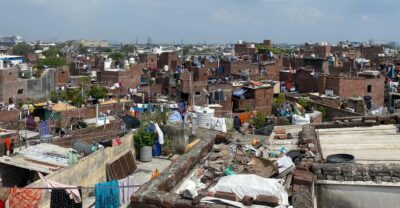
Old Delhi, especially around Chandni Chowk, is the kind of place that looks close on a map and feels far in real life. The lanes are narrow, foot traffic is constant, and you can lose your bearings quickly—especially if you’re solo and you’re trying to read signs while dodging scooters, pedestrians, and vendors setting up.
That’s where a guided walk changes the whole experience. Instead of spending energy figuring out turns, you spend it noticing details: the way people buy and sell in tiny storefronts, how shopfronts spill into the lane, and how religious buildings sit alongside daily life. The pace also matters. This tour is built for walking with planned stops and short breaks, which is a big deal when you’re heading through a high-energy area for hours.
The other advantage is food timing. You’re not just wandering and hoping you find something good. You’re guided to specific snack points so you don’t miss the classics or get stuck in the wrong spot when you’re hungry.
You can also read our reviews of more food & drink experiences in New Delhi


Lal Quila start: arriving, walking heritage streets, and beginning with jalebi
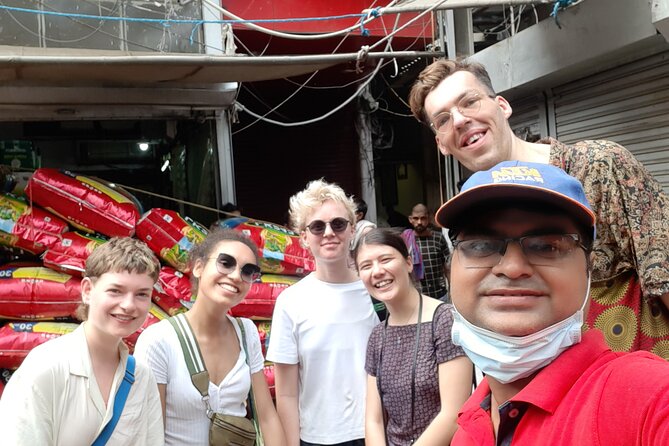
The day begins with hotel pickup from central Delhi and a ride into Old Delhi. From there, you start walking heritage streets, starting with a quick sweet stop at Lal Quila.
Why this matters: jalebi is one of those first bites that tells you what kind of day you’re having. It’s syrupy, warm, and unmistakably Indian street-dessert energy. Getting it early helps you settle into the sensory side of Old Delhi—smells, sounds, crowds—without waiting until later to eat.
Also, note the timing. The first stop is short (around 30 minutes), which is useful in a place like this. You’re not stuck at one location while the rest of the neighborhood buzzes past. Instead, you start with a hit of flavor and then move deeper into the market lanes.
A practical consideration: Old Delhi can be hot and crowded depending on the season. Starting with a sweet means you’ll get sugar early, which is great for energy, but it also means you’ll want to stay hydrated on your own. Bring a small bottle of water and take it slow when you feel overwhelmed.
Kinari Bazar snack run: samosas in the maze of lanes
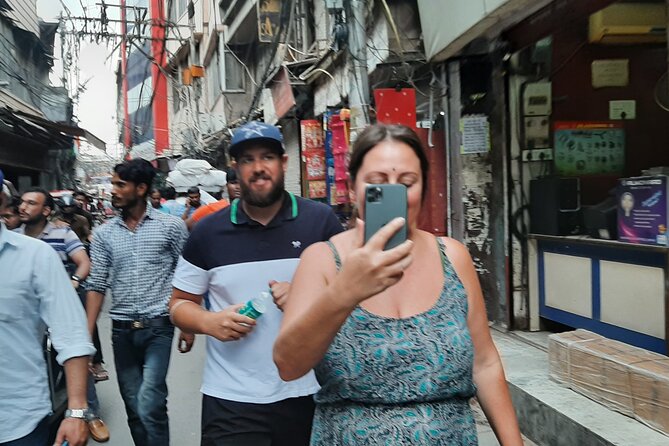
Next you head into Kinari Bazar, where the tour turns the dial from heritage to snacks. This stop is about 30 minutes, and the highlight here is a samosa—those crispy triangular pastries filled with spiced vegetables or meat (depending on the stall and what you choose).
What makes this stop special isn’t just the samosa itself. It’s the setting: you’re entering deeper into Old Delhi’s labyrinth of lanes, where snack smells cling to the air and vendors are always in motion. A guide helps you move through that maze with less friction, so you can focus on eating and learning instead of navigating.
How to think about samosa here: it’s crunchy, salty, and filling. It works as a bridge between earlier sweetness and later heartier food. If you’re the type who likes to understand what you’re eating, ask your guide what the filling is and what the spice level feels like.
One more practical note. Samosas are fried. If you’re sensitive to very oily foods, pace yourself and sip water between bites. The tour includes multiple tasting foods, so you don’t want to go in with the mindset that it’s only one snack and then you’re done.
Chandni Chowk and chole bhature: a hearty North Indian meal in street form
Then comes Chandni Chowk proper, where the tour shifts into a more “this will fill you up” mode. The planned tasting here is chole bhature: spicy chickpeas (chole) served with deep-fried leavened bread (bhatura).
This is the payoff stop for food lovers who want something more substantial than sweets and finger snacks. Chickpeas bring slow heat and lots of flavor, while the bhatura brings that satisfying chew and crisp from frying. Together, it’s classic North Indian comfort food—and it’s built for people walking all day who still want to feel like they ate a real meal.
Why a guided stop helps: you’re eating in a crowded area where finding the right place can be time-consuming. A guide keeps you from wasting precious tour time on decision-making, line hunting, or second-guessing whether the food will be good.
What to watch for: chole is spicy. Bhatura is rich. If you normally go easy on heat or fried foods, let your guide know early. The whole point of a small-group setup is that you can adjust. If you’re the one who loves spice, you’ll likely enjoy the full intensity here.
Fatehpuri Mosque and the masala chai moment in the spice market
After the walk, you end with an especially memorable break: masala chai in the spice market area near Fatehpuri Mosque. This stop is about 20 minutes and is included.
This is more than just tea. It’s a sensory reset. The spice market has a constant perfume of powdered spices, and masala chai—brewed with warming spices and tea—pairs naturally with that atmosphere. You get a guided moment to slow down, breathe, and experience the market not only through what you see but also through smell.
This is also where you’ll likely notice how the spice market works in daily life: spices aren’t just souvenir items. They’re part of cooking culture, and the market environment makes that feel immediate.
If you’re curious about what spices to buy, you’ll probably have options around you. You can browse, compare, and ask what to use them for, but remember that anything you buy is not the same thing as what’s included in the tour. Treat purchases as optional unless the guide specifically tells you something is part of the experience.
You can also read our reviews of more tours and experiences in New Delhi




What you actually eat: enough for a full meal tasting
The tour is designed so food isn’t a quick side quest. You’re sampling multiple items across the route, including classic street favorites like jalebi, samosa, chaat, and a proper meal stop with chole bhature. You also get masala chai at the end.
Here’s the “value math” I’d use: if you were to do Old Delhi alone, you’d likely pay for a guide anyway—or lose time searching for good snacks, then still pay for each meal separately. In this format, you’re paying for guidance plus food tasting in one set window.
The portions add up. Jalebi and samosa handle the snack cravings, while chole bhature is the anchor meal. That’s why people come away feeling fed rather than “I only had a few bites.”
One more helpful thought: you’ll likely eat something sweet and something fried earlier, then something hearty later. If you have food allergies or strong dietary restrictions, tell the guide before you start. The tour content is clear enough that you can ask targeted questions before you commit to each tasting item.
Hotel pickup, group size, and pacing: the small details that change comfort
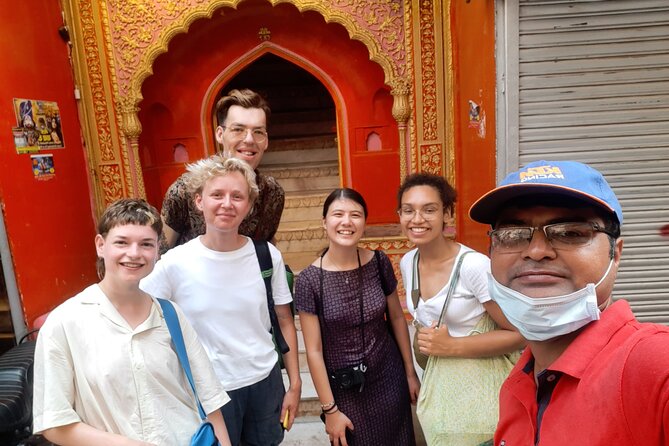
Price alone doesn’t tell the whole story here. This tour includes hotel pickup & drop, a local expert storyteller guide, a short bicycle rickshaw ride, and brunch meals offered as per the tour description. There are also free admission tickets mentioned for the stops.
Group size is capped at 10 travelers, which makes a difference in a place like Old Delhi. With a small group, you’re less likely to be separated from the guide, and your guide can adjust pacing if someone needs a slower rhythm.
The other practical benefit is timing. The tour runs about 5 to 6 hours, long enough for a real experience but short enough that you can still enjoy the rest of your Delhi day without collapsing. That matters if you’re visiting other sites or you’re dealing with jet lag.
Price and value: what $65 really buys you in Old Delhi
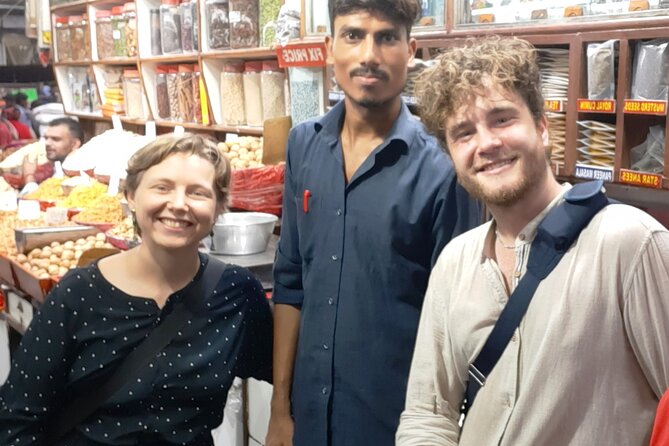
At $65 per person for 5 to 6 hours, you’re not paying for a museum ticket or a long bus ride. You’re paying for three things that cost money in Old Delhi: transportation from central Delhi (pickup/drop), a guide who can navigate food stops efficiently, and the food itself.
The biggest value point is that the route is planned. If you try to piece it together on your own, your biggest hidden costs are time and stress. Time is the currency you lose in crowded areas, and stress can drain your energy for sightseeing. This tour’s structure turns chaos into something you can manage.
Also, you get a cycle-rickshaw ride. It’s short, but it’s a real change of pace and helps break up the walking. In a day built around streets and smells, that break can be the difference between feeling fine and feeling exhausted.
Practical tips so you enjoy it instead of endure it
Old Delhi rewards you if you’re prepared. Here’s what I’d do to make the day smoother:
- Wear comfortable walking shoes with grip. The lanes can be uneven and busy.
- Think about heat. If you’re visiting in warmer months, plan to move slower in the spice and crowd-heavy sections.
- Watch your spice tolerance early. Let the guide know if you want milder flavors for chole or the snack items.
- Bring a small cash plan. Even if the included tasting is enough, the spice market is the kind of place where you might want to buy a few items to take home.
- Keep your pace. You’ll be walking through a high-energy neighborhood, so don’t treat it like a race.
Who this tour suits best (and who should reconsider)
This is a great fit if you:
- Want Old Delhi heritage and food in one afternoon
- Prefer a planned route over wandering near Chandni Chowk
- Like street food but don’t want to gamble on where to eat
- Travel solo and want company and guidance through the busiest lanes
It may be less ideal if you:
- Don’t like crowds or strong smells
- Struggle with extended walking
- Have mobility limitations and need a fully step-free route (the tour is walking-focused, so you should ask before booking)
One encouraging point from the feedback is that the guide, Jai Singh, has shown flexibility for clients with limited mobility, aiming for a more comfortable experience. Still, don’t assume it will match your exact needs. Ask questions in advance so you’re not making guesses.
Should you book this Old Delhi heritage and spice food tour?
If you want a single, well-paced Old Delhi experience that delivers both street food and context without the stress of getting lost, I’d book it. The combination of a small group, hotel pickup/drop, planned tastings, and a masala chai finish in the spice market hits the sweet spot for most first-timers.
I’d especially recommend it if you’re a food-first traveler who also wants the cultural side—how markets, religious sites, and daily life fit together in the Chandni Chowk area. And if you worry about navigating alone, the guided route is the whole point.
FAQ
FAQ
How long is the Old Delhi heritage and spice market food tour?
It runs about 5 to 6 hours.
How much does the tour cost?
The price is $65.00 per person.
Is hotel pickup and drop included?
Yes. Hotel pickup & drop is included, and there’s also an option to book transfers from central Delhi hotels.
What size is the group?
The tour has a maximum of 10 travelers.
What food and drinks are included?
The tasting includes jalebi, samosa, chole bhature, chaat, and masala chai.
Is there a rickshaw ride?
Yes. There is a short bicycle rickshaw ride included.
Are any admission fees included?
Admission tickets are listed as free at stops like Lal Quila, Kinari Bazar, and Chandni Chowk.
What’s the tour route like?
You’ll do a guided walk through Old Delhi areas including around Chandni Chowk, plus a spice-market tea stop near Fatehpuri Mosque.
Is the tour dependent on weather?
Yes. This experience requires good weather. If it’s canceled due to poor weather, you’ll be offered a different date or a full refund.
What is the cancellation policy?
Free cancellation is available. You can cancel up to 24 hours in advance for a full refund. If you cancel less than 24 hours before the start time, the amount paid will not be refunded.