REVIEW · NEW DELHI
Online: Indian Food Cooking Class
Book on Viator →Operated by Indian Food Cooking Class · Bookable on Viator
Indian food tastes better when you cook it yourself.
This small online class from New Delhi turns your kitchen into a spice workshop, with personal attention and practical recipe and ingredient lists you can follow step by step. You’re also guided to adjust timing using Indian Standard Time, which makes the whole experience feel organized instead of chaotic.
I especially like the way the lesson walks you through fundamentals, not just a final dish. You’ll start with curries and rice, then move into kneading dough and rolling chapattis, and you finish by eating the handmade meal together. The one drawback: the scheduling is in Indian Standard Time, so you’ll want to double-check the local time where you live before booking.
In This Review
- Key Highlights at a Glance
- Indian Cooking From New Delhi: What You Get for $30.53
- Indian Standard Time Scheduling That Actually Matters
- Small-Group Help: Why Up to 10 People Is a Sweet Spot
- Your Cooking Roadmap: Curries, Rice, Dough, Chapattis
- Curries First: Flavor That Feels Doable
- Then Rice: Getting the Result, Not Just the Steps
- Knead the Dough: The Skill Under the Chapatti
- Roll Chapattis: Fast, Practical Bread-Making
- The Handmade Meal Moment: Eating What You Cook
- Vegetarian and Vegan Menus Without Missing the Point
- What I’d Prep Before Your Session (So Cooking Goes Smooth)
- Who This Online Class Is Best For
- Should You Book This Indian Food Cooking Class?
- FAQ
- How long is the online Indian food cooking class?
- What is the price for the Indian Food Cooking Class?
- How big is the group?
- What dishes will I learn to make?
- Will I receive recipes or ingredient lists?
- Can the menu be customized for vegetarian or vegan participants?
- What time zone is the class scheduled in?
- Do I get a mobile ticket?
- Is there free cancellation?
Key Highlights at a Glance
- Small group, up to 10 people for more direct help and fewer lost questions
- Recipes and ingredient lists shared so you can prep without guessing
- You cook the full sequence: curries, rice, dough kneading, and chapatti rolling
- Menu customization available for vegetarian or vegan diets
- You get a take-home recipe so you can repeat the meal at home
Indian Cooking From New Delhi: What You Get for $30.53
At $30.53 per group (up to 10 people), the value depends on how you split it. If you’re booking with friends or family, the per-person cost can get very reasonable for a structured, instructor-led session. For solo cooks, it’s still a fair price if you’re looking for clear guidance and a recipe you can recreate.
The class runs about 2 hours, which is long enough to learn real technique but short enough that you won’t feel like you need a full-day kitchen commitment. You’ll also get a mobile ticket, which usually means less hassle on your end. And since it’s offered as an online activity, you can participate from anywhere—no jet lag required.
Most importantly, this isn’t framed as a passive watch-and-wait show. The lesson structure is designed to take you from ingredients and timing to actual cooking steps you can use again later.
You can also read our reviews of more food & drink experiences in New Delhi


Indian Standard Time Scheduling That Actually Matters
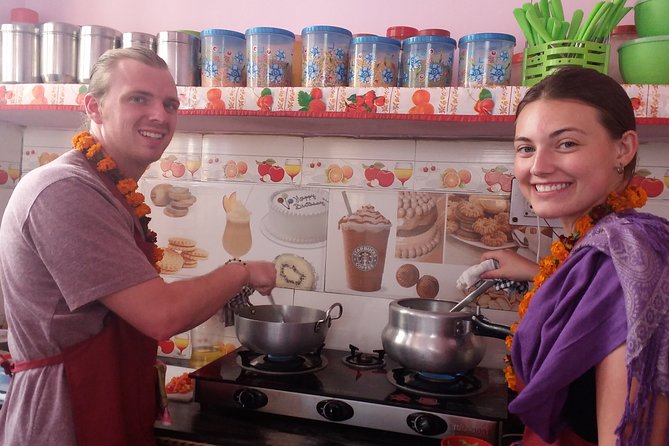
The class time is based on Indian Standard Time, and you’re asked to adjust for your local time before you book. That detail sounds small, but it can make or break your experience. If you’re off by even an hour, you risk missing the exact moment the instructor moves from curries to dough.
Here’s how I’d handle it:
- Check the start time in your confirmation details.
- Convert Indian Standard Time to your local time using a reliable time converter.
- Add a small buffer so you’re not scrambling for spices, flour, or pans.
Also, because the class is about technique—kneading, rolling, cooking rice—timing is part of the learning. You’ll get better results when you’re cooking along on schedule.
Small-Group Help: Why Up to 10 People Is a Sweet Spot
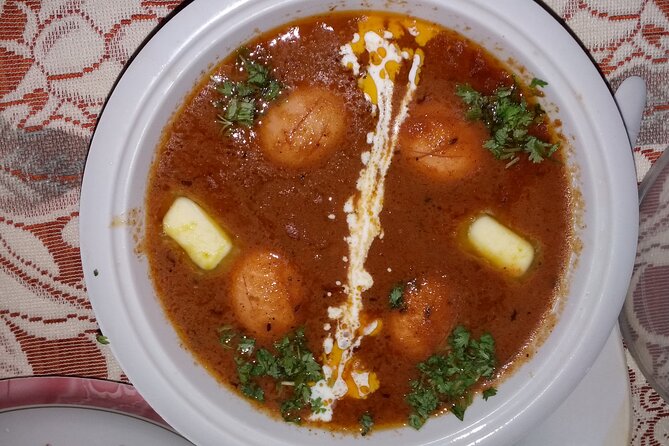
One of the best parts is the maximum group size of 10. In practical terms, that means you’re more likely to get real attention when you’re stuck. When you’re learning chapatti dough or adjusting curry flavor, you don’t want a crowd of people competing for time.
The class description promises personalized attention, and the way it’s taught seems built for step-by-step clarity. The reviews also point strongly to patient, helpful instruction—exactly what you want when you’re trying to nail something like dough texture or the roll shape of chapattis.
Even if you’re a complete beginner, a small group makes it more likely the instructor can correct small mistakes before they turn into a whole batch of wonky bread.
Your Cooking Roadmap: Curries, Rice, Dough, Chapattis
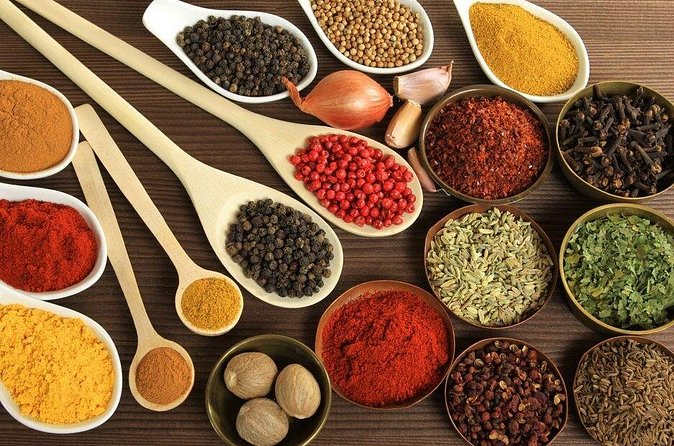
This class follows a simple sequence that builds skill fast. You won’t just bounce around. You learn in order, and each part supports the next.
Curries First: Flavor That Feels Doable
You begin with curries. That matters because curry teaches you the idea of balancing spice and heat, not just memorizing a list. Once you learn how the curry comes together, it’s easier to repeat the idea at home even if you tweak ingredients later.
The class description mentions that a typical menu includes chicken curry, but it also notes vegetarian or vegan options can be arranged. So the curry skill is the real takeaway—how to follow the process and understand what’s happening as it cooks.
You can also read our reviews of more tours and experiences in New Delhi





Then Rice: Getting the Result, Not Just the Steps
Next comes rice—specifically called out as flavorful. Rice sounds easy until you’re timing it wrong or using the wrong approach for texture. Learning this in the same session as curry helps because you’ll understand how long you need before everything hits the table together.
You also benefit from learning rice in sequence, since curry can simmer while you shift focus. That’s how you keep the kitchen from turning into a stressful juggling act.
Knead the Dough: The Skill Under the Chapatti
Then you move to dough: kneading and getting it to the right feel. Kneading is one of those techniques that’s hard to learn from a written recipe alone. In a live class, you can get timing and process guidance so you don’t just guess.
The class explicitly includes kneading dough and rolling chapattis, so you’re not treated like a spectator. You’re building the bread skill that makes Indian meals feel real.
Roll Chapattis: Fast, Practical Bread-Making
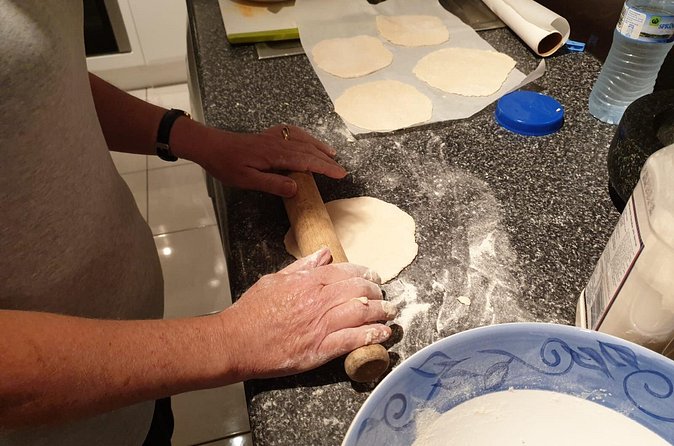
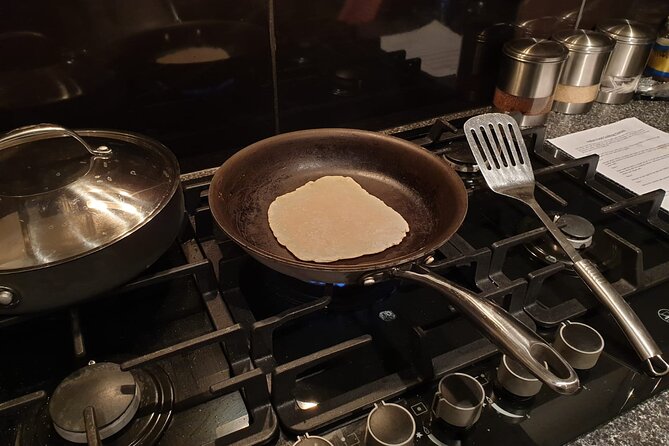
After dough comes rolling chapattis. You learn how to roll them in a way that makes a meal quickly, not in a slow, overcomplicated manner. Chapatti technique is also about consistency: thickness, handling, and keeping the process smooth.
If you’ve ever tried making flatbread at home and ended up with uneven results, this is the part you’ll care about most. The class is structured so you learn the method during the session—not after, when the dough has already dried out.
The Handmade Meal Moment: Eating What You Cook
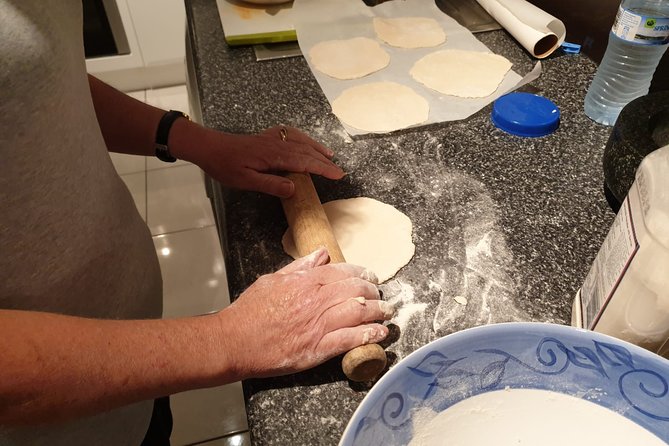
After the cooking stages, you enjoy your handmade meal together. This is more than just a feel-good ending. Eating right after you cook helps you connect the final result with the steps you just learned.
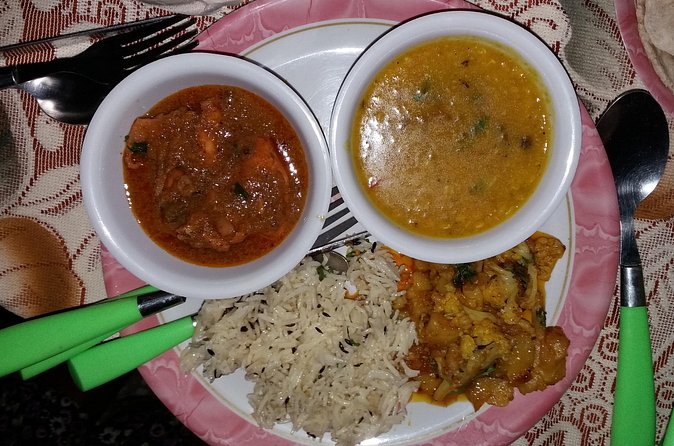
It also makes the class feel complete: you’re not just learning “how to cook,” you’re learning how the dishes come together as a plate. Curries and rice give you the saucy-and-steady base, while chapattis add the satisfying bread component.
And you’re not leaving empty-handed. The class includes an easy-to-follow recipe you can take home and recreate. That’s key for keeping the learning from disappearing after the session ends.
Vegetarian and Vegan Menus Without Missing the Point
If you don’t eat meat, good news: the menu can be customized for vegetarian or vegan options. That means you should be able to cook a version of the meal that matches your diet while still practicing the same core techniques: curry-making, rice timing, dough handling, and chapatti rolling.
In practical terms, this is valuable because it lets you focus on method. You can learn the process and then decide what ingredients you want to use next time.
If you have a specific dietary need, message the provider before booking. The class also emphasizes that you can arrange vegetarian or vegan options, which suggests they’re used to adapting the menu.
What I’d Prep Before Your Session (So Cooking Goes Smooth)
Because this is hands-on, success starts before the call begins. The class shares recipes and ingredient lists, and the reviews mention instructions beforehand for buying ingredients. That’s your cue to prep early.
Here’s a realistic prep checklist:
- Read through the recipe and ingredient list ahead of time
- Measure or stage ingredients so you’re not hunting while the curry simmers
- Make sure you have basic tools ready (dough bowl, rolling surface, pan, serving bowls)
- Pick a spot with stable internet for the online instruction
You’ll get more out of the class when you can focus on technique instead of scrambling for basics.
Who This Online Class Is Best For
This experience is especially good if you:
- Want to learn Indian cooking basics with a clear flow
- Are comfortable using recipes and cooking along in real time
- Prefer small-group instruction instead of a giant lecture
- Want a take-home recipe you can reuse
It’s also a strong fit for people who already own cookware but haven’t been confident with spices, curry building, or chapatti dough.
If you’re looking for a purely tasting-focused experience—no cooking at home—this won’t feel like the right match. This class is built around doing, not just eating.
Should You Book This Indian Food Cooking Class?
Yes, I think you should book if you want practical skill in an easy format. The small group size, live guidance, and the clear sequence from curries and rice to kneading and chapattis make it a strong value for learning fast. The take-home recipe is also a big plus, because it turns the class into something you can repeat.
Book with extra caution only if you’re likely to mis-handle time conversion. Since the session is in Indian Standard Time, take the extra minute to confirm the local time where you live. Once you’ve got that right, you’re set up for a fun, hands-on meal-making session that actually teaches you something you can use again.
FAQ
How long is the online Indian food cooking class?
The class lasts about 2 hours.
What is the price for the Indian Food Cooking Class?
It costs $30.53 per group, up to 10 people.
How big is the group?
The activity has a maximum of 10 travelers.
What dishes will I learn to make?
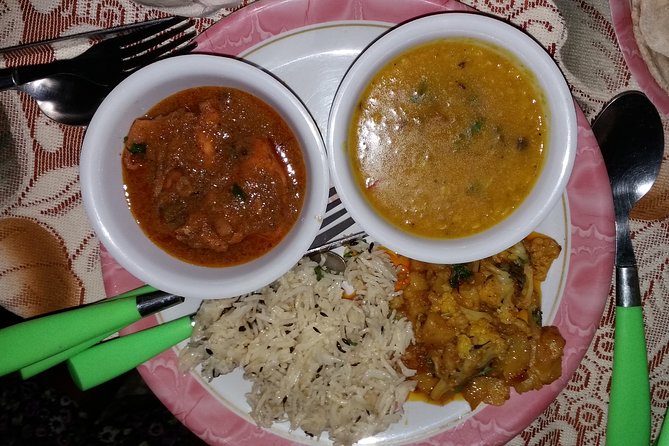
The typical menu includes chicken curry and Indian bread with rice. The lesson also covers curries, flavorful rice, kneading dough, and rolling chapattis. Vegetarian or vegan menus can be arranged.
Will I receive recipes or ingredient lists?
Yes. Recipes and ingredients lists are shared with you, and you can also take home an easy-to-follow recipe after the class.
Can the menu be customized for vegetarian or vegan participants?
Yes. The menu can be customized for vegetarian or vegan options.
What time zone is the class scheduled in?
The timing is based on Indian Standard Time, so you should tally it against your local time before booking.
Do I get a mobile ticket?
Yes, the class provides a mobile ticket.
Is there free cancellation?
Yes. You can cancel up to 24 hours in advance for a full refund. If you cancel less than 24 hours before the start time, the amount paid is not refunded.