REVIEW · NEW DELHI
3 Days Private Golden Triangle Tour – Delhi, Agra, and Jaipur
Book on Viator →Operated by Taj Private Tour · Bookable on Viator
Golden Triangle tours feel like a checklist—until someone else handles the timing. This private 3-day route links Delhi, Agra, and Jaipur with hotel pickup and drop-off, English-speaking guides, and air-conditioned transport so you spend less time stuck in traffic planning.
I like that you get a guided flow that actually makes sense for a short trip: Humayun’s Tomb, the Qutub Minar area, Lotus Temple, then the long drive to Agra. You also start each day with breakfast and have bottled water along the way, which helps more than you’d think in India’s heat and crowds.
One thing to watch: the listed price can be misleading if you’re only booking guiding services. The trip includes hotel nights only if you choose the option, so double-check that you’re getting the 2-night 3/4/5-star accommodation plan you want.
In This Review
- Key points worth noting
- A stress-free Golden Triangle route with pickup, transport, and real guidance
- What you actually get for your money (and what to budget for)
- Day 1 in Delhi: Humayun’s Tomb, Qutub Minar area, Lotus Temple, India Gate, then onward to Agra
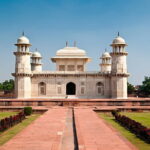
- Humayun’s Tomb: a Mughal masterclass you’ll remember
- Qutub Minar area: towering views and UNESCO energy
- Lotus Temple: calm architecture when Delhi feels loud
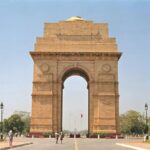
- India Gate and parliamentary landmarks: quick civic stops, easy photos
- The late-afternoon transfer to Agra: plan for comfort
- Day 2 in Agra: Taj Mahal time, Agra Fort, then back on the road to Jaipur
- Taj Mahal: the main event with guided context
- Agra Fort: different feel from the Taj, great for photos
- Drive to Jaipur: 4 hours that you’ll want to be comfortable through
- Day 3 in Jaipur: Hawa Mahal photos, City Palace focus, and Jantar Mantar instruments
- Hawa Mahal: the quick, iconic photo moment
- City Palace: the best “slow down” stop on the route
- Jantar Mantar: astronomy tools you can actually imagine
- The long finish drive back toward Delhi
- Drive times, pacing, and how to survive the Golden Triangle without stress
- Service quality: what “private” really means in daily practice
- Who should book this 3-day Golden Triangle tour
- Should you book this private Golden Triangle tour?
- FAQ
- How long is the Golden Triangle tour?
- Is hotel pickup and drop-off included?
- Does the tour include hotel accommodation?
- Are breakfasts included?
- Is the tour guide English-speaking?
- Is transportation air-conditioned?
- Are admission tickets included for monuments?
- Is this a private tour?
- What’s the cancellation policy?
Key points worth noting
- Private, group-limited experience: only your group participates, not a big shared bus tour.
- Hotel pickup and drop-off: you don’t have to negotiate meeting points in three busy cities.
- Daily breakfast plus bottled water: small inclusions that reduce daily hassle.
- A/C vehicle between cities and sights: a big comfort upgrade on long drive days.
- Flexible hotel star levels (optional): you can match comfort to budget with 3-, 4-, or 5-star stays.
- Admission handling varies by stop: some monuments are marked ticketed or free, and camera fees may still be extra.
A stress-free Golden Triangle route with pickup, transport, and real guidance
If you’re short on time, the Golden Triangle is the right idea—and a private setup makes it doable without losing your mind. You’re not trying to stitch together buses, tickets, and ride-hailing across Delhi, Agra, and Jaipur while dodging chaos and closing times.
This tour is designed around guiding plus logistics. You get hotel pickup and drop-off, an air-conditioned vehicle, and an English-speaking guide during sightseeing. That combo matters because in these cities, the hard part isn’t seeing famous places—it’s getting from place to place at the right time without wasting hours.
The other value win is how the day is structured. You start in Delhi with major Mughal and iconic city sights, then you move to Agra in the late afternoon. The next day focuses tightly on the Taj Mahal and Agra Fort, and the last day stays in Jaipur for the classic photo and culture hits.
You can also read our reviews of more private tours in New Delhi

What you actually get for your money (and what to budget for)
The price shown is $12 per person, but your actual cost depends on what option you choose. The inclusions list says hotel accommodation is part of the package only on the option you select, and the trip is described as available with guiding services only if you want to plan your own nights and transport details.
So here’s how I’d think about value:
- If you choose the option that includes 2 nights in a 3/4/5-star hotel, you’re paying to remove most of the daily decision-making.
- If you choose guiding services only, you’ll still be guided and picked up, but you may need to handle more on your own depending on what you book.
Also look at the “not included” list. Monuments/camera fees, lunch, dinner, and tips aren’t automatically covered. Some stops are marked as ticketed or free on the route, but you shouldn’t assume camera fees or everything at each complex is included.
My practical tip: plan to spend a bit of extra money day-to-day for anything not clearly spelled out. It keeps you relaxed, especially on days when you want snacks, bottled water top-ups, or a sit-down meal.
Day 1 in Delhi: Humayun’s Tomb, Qutub Minar area, Lotus Temple, India Gate, then onward to Agra
Your Delhi day starts with a 9:00 am pickup from your chosen location in Delhi, Gurugram, or Noida. After that, the route moves in a logical order: Mughal-era grandeur, major UNESCO landmarks, and then a few of Delhi’s most recognizable civic sights.
Humayun’s Tomb: a Mughal masterclass you’ll remember
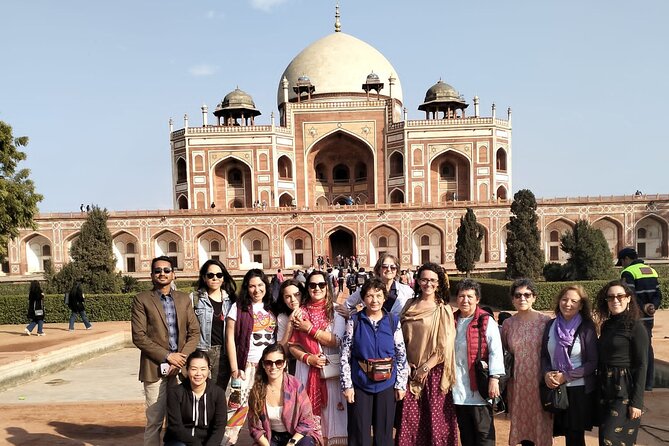
The day opens at Humayun’s Tomb, a UNESCO World Heritage site. It’s a strong first stop because it sets the tone for Mughal architecture—symmetry, scale, and the feeling of a carefully designed space rather than a random collection of monuments.
You’re scheduled for about an hour here, with the admission ticket marked as included. For me, this is a great moment to slow down. You get a real introduction before the day turns into more moving, more photos, more streets.
Qutub Minar area: towering views and UNESCO energy
Next comes the Qutub Minar area (often combined with nearby sites like Mehrauli in tours). Qutub Minar is UNESCO too, and it’s an easy win if it’s your first time in Delhi—this is the kind of place you instantly recognize in photos.
The time window is about an hour, and admission is marked as free on the route. The practical drawback: depending on the day, it can feel crowded, so wear shoes you can stand in and plan for a bit of jostling near the main structures.
You can also read our reviews of more tours and experiences in New Delhi





Lotus Temple: calm architecture when Delhi feels loud
Then you head to the Lotus Temple (Bahá’í House of Worship). The reason I like including it early is simple: it’s visually striking, but it also gives you a break from the tighter, more historic fort-style spaces.
This stop is marked as free and gives you roughly an hour. It’s also a good place to pause if you’re dealing with jet lag or just want a calmer atmosphere before the long afternoon drive.
India Gate and parliamentary landmarks: quick civic stops, easy photos
Later, you pass India Gate and also the Parliament House (Sansad Bhavan) and Rashtrapati Bhavan. These are mostly photo and exterior-oriented moments, with short time scheduled (around 30 minutes for India Gate in the plan, and additional quick stops for the other two).
What I like here is efficiency. You get the landmarks that help you understand Delhi’s layout and priorities without spending your whole day inside government precincts.
The late-afternoon transfer to Agra: plan for comfort
At the end of day one, you start a roughly 3-hour drive to Agra and check into your hotel. This is where an air-conditioned car pays off, because even a short drive in heat can drain you.
One consideration: if you’re sensitive to long rides, day one can feel like a “high day.” You’ve got multiple stops plus a city-to-city transfer, so pack light and keep water and simple snacks handy for the journey.
Day 2 in Agra: Taj Mahal time, Agra Fort, then back on the road to Jaipur
Agra is the day that everyone wants to get right. The plan is clear: start with the Taj Mahal, then hit Agra Fort, then drive to Jaipur and check in.
Taj Mahal: the main event with guided context
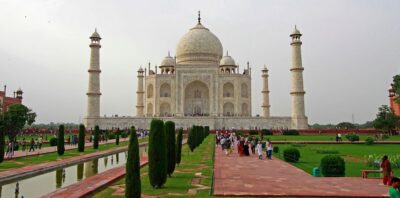
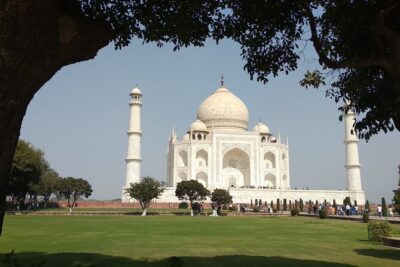
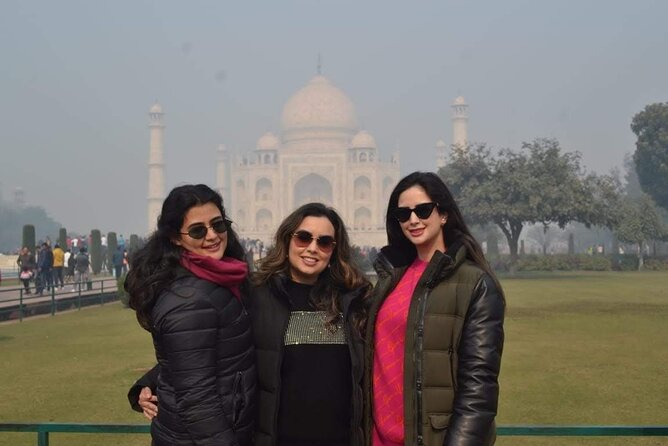
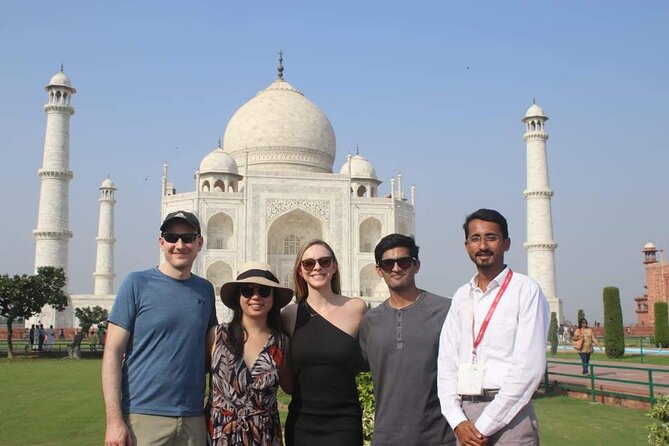
The Taj Mahal visit is scheduled for about two hours, with the admission ticket marked as included. This is the place where a guide helps most—not by talking forever, but by pointing out details you’d otherwise miss.
Look for the patterns, the symmetry, and the way the mausoleum sits like a centerpiece. The drawback is crowds at peak times, but a private guide can help you move through the visit without awkward waiting.
Agra Fort: different feel from the Taj, great for photos
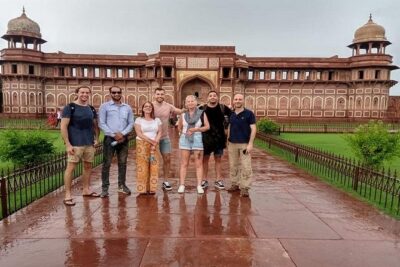
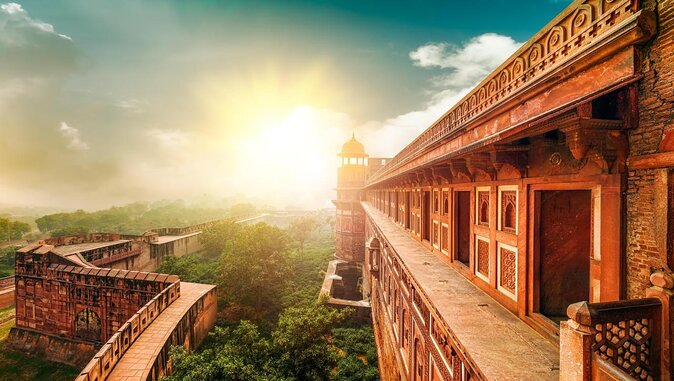
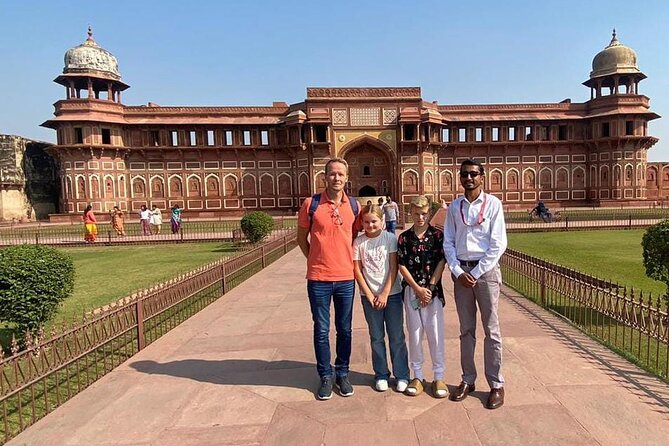
After that you go to Agra Fort, UNESCO too, with admission marked as included. It’s a massive red sandstone fortress complex, and it gives you a different side of Mughal power than the Taj Mahal.
You get about an hour scheduled. That’s enough time to see the big moments without turning it into a marathon. If you’re a “I want to read every sign” type, you might want more time, but for most people this is a workable pace.
Drive to Jaipur: 4 hours that you’ll want to be comfortable through
Later you travel around 4 hours to Jaipur, check in on arrival, and your third day stays focused in the city. This is the transfer day again, so the A/C vehicle and bottled water matter.
If you’ve got energy, you can still catch quick evening sights after check-in (not included in the schedule details here), but realistically, Jaipur days often start early and end with walking. Save your strength.
Day 3 in Jaipur: Hawa Mahal photos, City Palace focus, and Jantar Mantar instruments
Your Jaipur day is built around three classic stops plus a pickup-free finish back toward Delhi.
Hawa Mahal: the quick, iconic photo moment
You start with a photo stop at Hawa Mahal (Palace of Breeze), known for its five-storey honeycombed facade painted pink. The schedule gives you about 15 minutes—so think of it as a quick framing session.
This is one of those places where time limits make sense. You can get the main photos and then move on before lines and crowds build. Wear something comfortable; you’ll likely do a bit of shifting around for angles.
City Palace: the best “slow down” stop on the route
Next is City Palace, with admission included and about one hour scheduled. City Palace is a sprawling complex, and the key is that it’s not just one building—it’s a mix of courtyards, gardens, and structures from different periods.
What I like about keeping this stop in the center of the day is that it feels like a breather. You get to slow down, look closer, and enjoy the palace layout rather than just capturing a single landmark.
Jantar Mantar: astronomy tools you can actually imagine
Then you visit Jantar Mantar, Jaipur’s UNESCO-listed astronomical observatory built by Maharaja Sawai Jai Singh II. The plan gives you about an hour, with admission marked as included.
This one is surprisingly fun because the instruments are architectural. You can stand in one spot and realize they were built for measuring the sky. If you enjoy science, architecture, or old-school engineering, this stop punches above its weight.
The long finish drive back toward Delhi
After Jaipur, the plan offers a 5-hour drive back to Delhi, Gurugram, or Noida with drop-off at your preferred location. If you’re continuing your trip within India, there’s also an option for drop-off at Jaipur airport or rail-related points.
This is the “end-of-trip road fatigue” moment. Keep your seat comfortable, and bring a layer—cars can run cold even in warm weather.
Drive times, pacing, and how to survive the Golden Triangle without stress
The route is smart for three days, but it does mean you’re spending more time in the car than you might expect. That’s not a dealbreaker if you plan your body and expectations.
Here’s how I’d approach pacing:
- Treat each city day like two parts: sights first, driving second.
- Wear shoes you can walk in for 1–2 hours without pain. Many major sights involve uneven ground or lots of standing.
- Use the daily breakfast to skip a rushed early meal. Two breakfasts are included in the plan, which helps you start day two and day three without hunting.
Also, the plan includes air-conditioned vehicle time between attractions. That’s a big quality-of-life feature, especially when you’re bouncing between cities and moving through heat.
From the service side, multiple experiences point to a consistent theme: friendly, safe driving and constant water access. In practice, that means you’re less likely to get stuck without hydration when your schedule runs a little tighter than expected.
Service quality: what “private” really means in daily practice
Private doesn’t just mean no strangers. It usually means fewer headaches: fewer waiting games, more flexibility with pace, and a guide who can explain what you’re looking at without repeating themselves for a crowd.
In this kind of Golden Triangle setup, the best private guides can do two things at once:
1) keep you moving between stops efficiently, and
2) help you understand what you’re seeing so photos feel more meaningful.
You might be paired with guides like Bobby (Naeem), Ali, Arthur, or Sanju—names that show up in service feedback for similar runs. The common thread is straightforward care: punctual pickup, safe driving, and attention to comfort with things like bottled water, snacks, and soft drinks on longer stretches.
Even if the exact guide varies, use this as your yardstick when you book: you want someone who communicates clearly, stays punctual, and doesn’t treat the day like a rush-through photo contest.
Who should book this 3-day Golden Triangle tour
This is a great match if you want:
- a tight schedule across Delhi, Agra, and Jaipur without planning logistics,
- the comfort of A/C transport and hotel pickup/drop-off,
- an English-speaking guide for major sights,
- optional hotel upgrades so you can choose your comfort level.
It’s also a good fit for couples and first-timers who feel overwhelmed by travel-in-a-crowd. If you’re traveling solo, privacy still helps—you get a clear plan and don’t have to negotiate directions alone between three cities.
If you’re the type who loves slow travel and spontaneous stops, you might find the pacing a bit structured. But for first-time Golden Triangle coverage in three days, this is one of the more sensible ways to do it.
Should you book this private Golden Triangle tour?
I’d book it if you want your Golden Triangle to feel manageable and you value convenience. The blend of hotel pickup/drop-off, guided sightseeing, A/C transport, and breakfast is exactly what turns a frantic route into a trip you can actually enjoy.
I’d pause and double-check before booking if the $12 per person rate you’re seeing is for a guidance-only option. The plan states that hotel accommodation is included only on the option you choose, so confirm you’re selecting the star-level stay you expect.
If you want Taj Mahal, Agra Fort, Humayun’s Tomb, Qutub Minar, Lotus Temple, City Palace, and Jantar Mantar within a single compact window, this tour is built for that. Just budget for lunch/dinner and possible camera or monument fees that aren’t clearly marked as included.
FAQ
How long is the Golden Triangle tour?
It’s approximately 3 days.
Is hotel pickup and drop-off included?
Yes. You’re picked up from your chosen location and returned with drop-off at your preferred destination.
Does the tour include hotel accommodation?
Two nights of accommodation are included only if you choose the option that includes hotels (3-, 4-, or 5-star).
Are breakfasts included?
Yes. Breakfast is included for 2 days.
Is the tour guide English-speaking?
Yes, English-speaking guides are included during sightseeing.
Is transportation air-conditioned?
Yes. You travel by an air-conditioned vehicle, and bottled drinking water is provided.
Are admission tickets included for monuments?
Some admissions are marked as included (such as Humayun’s Tomb, Taj Mahal, Agra Fort, City Palace, and Jantar Mantar), and some are marked free (like parts of the Qutub Minar area and Lotus Temple). Camera fees and other monument-related costs are not listed as included overall.
Is this a private tour?
Yes. It’s private, meaning only your group participates.
What’s the cancellation policy?
Free cancellation is available up to 24 hours in advance for a full refund.