REVIEW · NEW DELHI
Spiti Valley Group Tour From Delhi
Book on Viator →Operated by Go 360 · Bookable on Viator
Spiti Valley looks like a different planet from Delhi. In this 9-day group tour, you roll from the Kinnaur side into Spiti’s Buddhist monasteries, then finish with a camp night near Chandratal Lake under the Milky Way. It’s the kind of trip where the scenery keeps changing, and the culture shows up in real places, not just viewpoints.
I really like how this plan uses one team for the whole route, with a local driver and group leader keeping the driving smooth and the timing sensible. I also like the built-in altitude drama—Chicham Bridge and Chandratal at 14,000 ft—because it’s one of the rare moments on the trip that feels truly special.
The only real drawback is the pace and height. You’ll be in motion for long stretches, staying mostly on a triple-sharing basis, and Spiti’s elevation means you should take the cold, fatigue, and altitude seriously.
In This Review
- Key things that make this Spiti trip work
- Spiti Valley in 9 days: the mix of monasteries and high-country roads
- Getting from Delhi: the Volvo night shift and why it matters
- Kinnaur highlights: Chitkul, Sangla, Baspa River, and Kalpa views
- Crossing into Spiti: Tabo, Nako Lake, and a Pin Valley style stop
- Tabo and Dhankar: seeing the Buddhist spine of Spiti
- From Langza to Key Monastery: highest-place detours that feel like a game
- Chandratal Lake at 14,000 ft: Chicham Bridge and a Milky Way camp night
- The long road back: camps to Manali, then Delhi
- Price and value: what $510.66 buys you (and what it doesn’t)
- Staying en route: triple-sharing basics and real expectations
- Safety and altitude support: what’s included, and how you should use it
- Who should book this Spiti Valley tour, and who should reconsider
- Should you book this Spiti Valley Group Tour from Delhi?
- FAQ
- Where do we meet in Delhi?
- What transport is included from Delhi to the mountains?
- How many people are in the group?
- What meals are included?
- Are entrance fees included?
- What happens if the weather is poor?
- Is there any medical support for emergencies?
Key things that make this Spiti trip work
- Volvo bus night + day drives so you lose less time to travel
- Monastery-heavy route from Tabo to Dhankar style stops to Key Monastery
- Iconic highest-place detours like the world’s highest post office and motorable village
- Chandratal camping night with dinner included and a Milky Way-style night sky experience
- Safety gear included: first aid kit plus arrangement of an oxygen cylinder in an emergency
- Great value for group logistics, with transport and multiple meals built in (entrances aren’t)
Spiti Valley in 9 days: the mix of monasteries and high-country roads
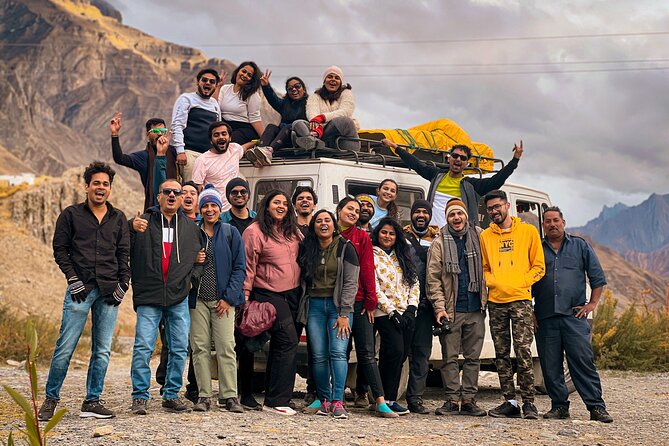
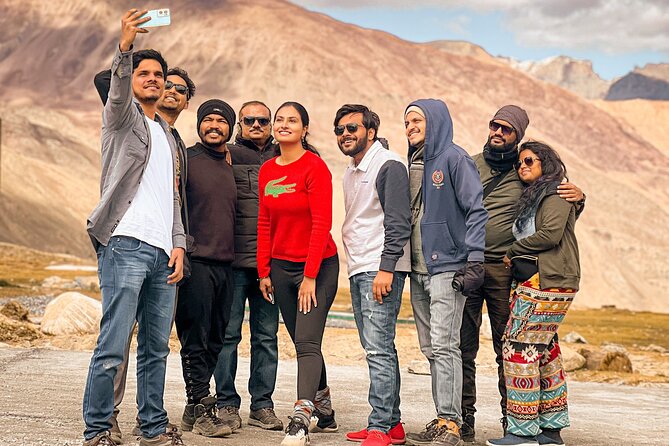
This tour is built like a classic Spiti journey: you spend several days moving deeper into the mountains, swapping valley scenery for stark Spiti rock and sky. You’re also not just chasing photos—you’ll see major monasteries and key cultural sites, then balance it with village stops like Chitkul and Langza.
The driving is a big part of the experience. Kinnaur helps warm you up with terraced valleys, then the route gradually shifts into Spiti’s harsher look. By the time you reach the Kaza area, you get why people call it Little Tibet: the monastery architecture, prayer walls, and the general feel of the highlands.
A good thing about this schedule is that it gives you multiple “types” of days. Some days are monastery and culture focused. Other days are about altitude icons—like Chicham Bridge and Chandratal Lake—where the location itself does the work.
You can also read our reviews of more tours and experiences in New Delhi.


Getting from Delhi: the Volvo night shift and why it matters
The start is late. You meet at Maharana Pratap Kashmiri Gate ISBT near Yudhister Setu (Kashmere Gate) at 10 PM, then ride the Volvo bus toward Shimla. This is one of those small logistics choices that makes the trip feel easier: instead of wasting a full day traveling, you use sleep time for the long-distance transfer.
You’re scheduled to arrive in Shimla around 7 AM on day 2, then keep moving quickly toward Sangla. That means you’re not waiting around to “settle in.” If you hate early mornings, you’ll want to mentally prepare, because the rhythm is part of the deal on Himalayan tours.
Also note the meeting point is near public transportation, so it’s usually easier to get there without heroic planning. Bring all your luggage to the pickup spot—this tour makes it your responsibility to have everything with you at departure.
Kinnaur highlights: Chitkul, Sangla, Baspa River, and Kalpa views
Days 2 and 3 give you a warm-up zone before Spiti gets serious. You drive from Shimla through the Kinnaur Valley area to Sangla, with Chitkul as a major stop. Chitkul is the last inhabited village near the Indo-Tibetan border, so it carries a sense of boundary and remoteness. It’s also the kind of place where you feel how local life works before the monasteries take over the itinerary.
On day 3, you start with morning exploration near the Baspa River, then continue the drive toward Kalpa with views of the Kinnaur Kailash range. Kalpa is your “big panorama” moment before you start crossing into Spiti. Even if you don’t plan to hike, just being in that open valley air helps you switch gears from city travel mode.
The main practical consideration here is timing. These days include sizable drives plus stop-and-photo breaks, so pack snacks you can reach easily and keep your day basics (water, lip balm, warm layer) within reach.
Crossing into Spiti: Tabo, Nako Lake, and a Pin Valley style stop
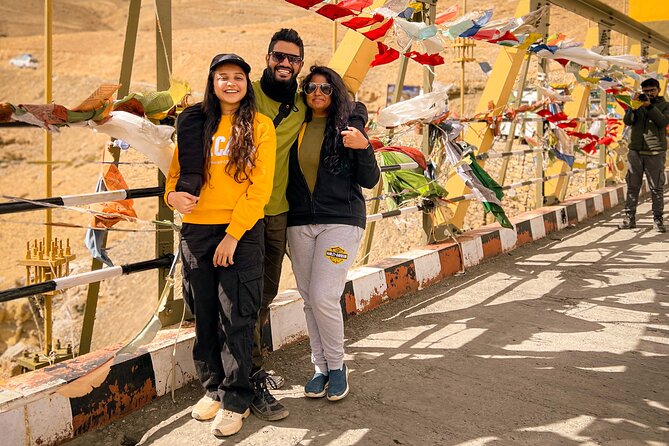
Once day 4 begins, the route turns from valley travel into rugged high-country travel. You leave Tabo-area direction early and cross rugged terrain into Spiti. You stop at Nako Lake along the way, which is a nice mid-journey pause: you’re moving all day, but you still get a defined scenic stop that breaks up the drive.
Then you land at Tabo for the night. Tabo is a cornerstone of this tour, and it sets the tone for what comes next. Even if you’ve seen monastery photos online, the experience of being there—stone, prayer murals, mountain air—hits differently in person.
There’s one cost detail to keep in mind: the itinerary flags Pin Valley National Park admission as not included. So while some stops are marked free, you should assume at least one or more entrance fees may pop up on this stretch. If you want to avoid surprises, keep some cash or cards set aside specifically for entrances.
Tabo and Dhankar: seeing the Buddhist spine of Spiti
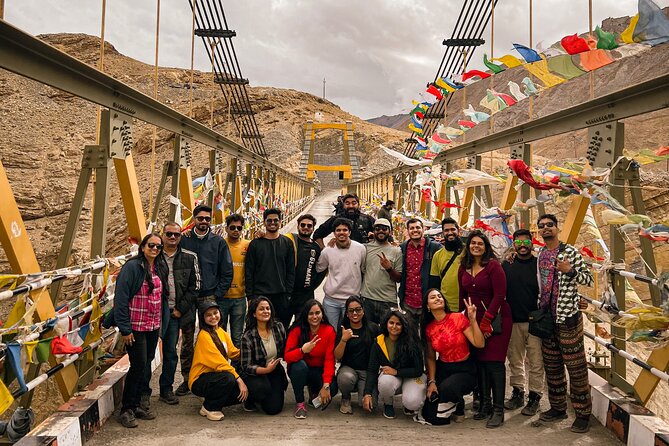
Day 5 is monastery mode. You visit Tabo Monastery, described as the oldest in Spiti, which matters because the age changes how you read the place. Older monasteries usually mean more layers—spiritual, artistic, and architectural—so you’re not just visiting a building. You’re stepping into a long-running cultural site.
After that, you continue to Dhankar Monastery, known in the itinerary for its scenic cliff-top setting. That kind of location does a lot of the work: you naturally look outward, not just at the walls. Dhankar tends to feel like a viewpoint that happens to be sacred.
You arrive in Kaza by evening and overnight there. Kaza is your base for the next round of smaller village detours, so reaching it the same day you do the big monastery stops is efficient. It also means you’re not constantly changing towns.
The main “drawback” to monastery-heavy days is simple: you’ll want to pace your energy. Go early when possible, but don’t try to sprint through everything. Monastery visiting is slower by nature—reading murals, taking time, and letting the atmosphere sink in.

From Langza to Key Monastery: highest-place detours that feel like a game
Day 6 is one of the tour’s most fun-to-follow days because it strings together a set of named “highest” places. First you’ll explore Langza, with a 35 ft Buddha statue called out in the plan. Then you go to Hikkim, which is described as the world’s highest post office. After that, Komic is included as the world’s highest motorable village.
These stops do something smart: they give you variety without making the day chaotic. Instead of one long hike, you get multiple short visits with clear identity points. It’s like a checklist, but in a good way—you’re not just ticking boxes, you’re moving through real communities.
Then you visit Key Monastery, highlighted for 1000-year-old murals & thangkas. That’s the cultural anchor that makes the “highest-place” detours feel connected rather than random.
One practical tip: these villages sit at altitude and can involve uneven roads. Bring good grip shoes and be ready for wind. Even on clear days, you can feel temperature swings quickly.
Chandratal Lake at 14,000 ft: Chicham Bridge and a Milky Way camp night
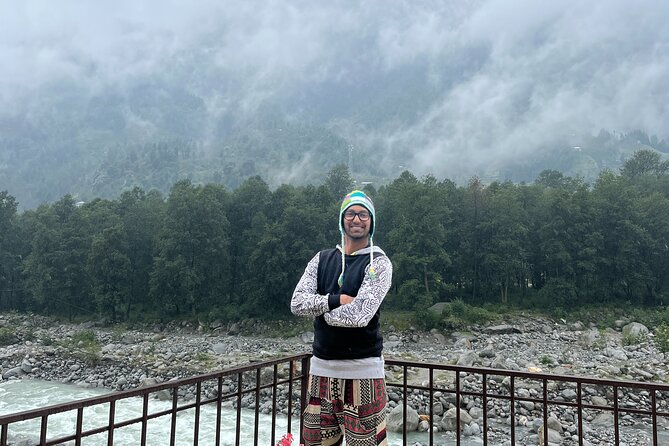
Day 7 is the showpiece day for a lot of people, and the itinerary builds it carefully. You breakfast and head out early for Chicham Bridge, noted as Asia’s highest suspension bridge. This stop is great because it’s a physical moment—you feel the height and the open air right away.
Then you continue to Chandratal Lake, listed at 14,000 ft. You get camp night time at the lake, and dinner is included. The plan also emphasizes sleeping under the Milky Way, which is exactly the sort of memory you can’t manufacture from a hotel balcony.
The key consideration here is altitude and temperature. Even if the day is bright and calm, nights at this altitude can get cold fast. Pack warm layers and plan for basic comfort so your night sky moment stays enjoyable, not miserable.
If you’re the type who likes to chase a single dramatic experience, this is the day to lean into. It’s also the day where the tour’s safety approach matters most, since altitude can hit harder when you’re tired from earlier drives.
The long road back: camps to Manali, then Delhi
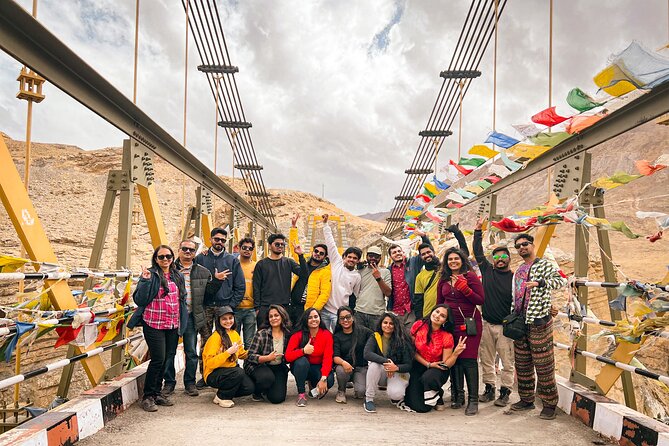
Day 8 starts with waking up in the camp area, freshening up, breakfast, and heading back to Manali, scheduled to reach by 4 PM. This is a full reset day: you’re moving again, but the goal is recovery and descent.
Coming back through the mountain scenery after spending a night at high altitude can feel surprisingly calming. You’ll see the same region from a slightly different angle, and your body starts to adjust.
Day 9 is the return to Delhi in the morning, and the trip ends back at the meeting point. So yes, this is not a slow retreat. It’s a structured journey with a clear “go there, do it, return” arc.
Price and value: what $510.66 buys you (and what it doesn’t)
At $510.66 per person for roughly 9 days, you’re paying for more than hotel nights. Your package includes:
- Volvo bus tickets from Delhi to Shimla and back
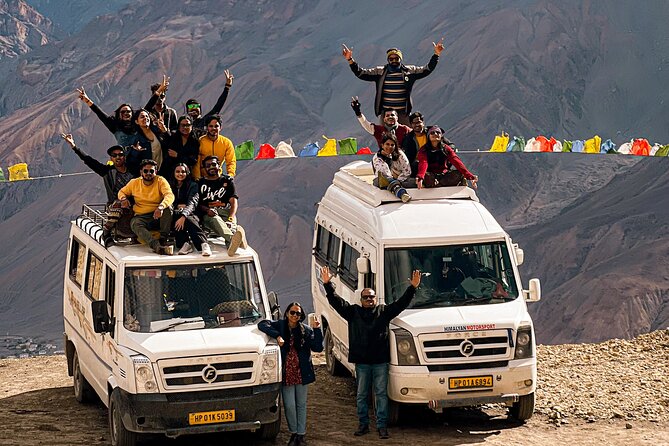
- Tempo traveller transport for all itinerary days
- A local driver and group leader
- Breakfast (6) and dinner (6)
- First aid kit plus arrangement of an oxygen cylinder in an emergency
For a remote region like Spiti, transport and driver logistics can be the biggest cost driver. This tour spreads that cost across the group, which is why the price stays relatively reasonable for what you get.
What’s not included is just as important:
- Entrance fees and tips
- Any meals not listed as included
- Costs that come from landslides, natural calamities, or beyond the provider’s hand
So the “value” part is real, but you should budget for entrances—especially because the plan flags Pin Valley National Park admission as not included. If you want zero extra spending, this isn’t that kind of tour.
Staying en route: triple-sharing basics and real expectations
The accommodation is on a triple-sharing basis at hotels, homestays, and camps. That mix is common for Spiti routes, and it’s usually where the money goes: fewer private rooms, more access to the route and key stops.
Homestay and hotel comfort can vary by location, but the tour model is designed to keep you fed, moving, and not stuck in transit. The dinner and breakfast inclusions also help because you don’t have to hunt for meals after long drives.
The biggest thing you should plan for is your comfort at night—especially on the Chandratal camp night. Bring gear that keeps you warm enough to sleep, because that one night can make or break how you remember the trip.
Safety and altitude support: what’s included, and how you should use it
Altitude is one of Spiti’s realities, so it’s good to see safety support mentioned directly: the tour includes a first aid kit and arrangement of an oxygen cylinder in case of emergency. That doesn’t mean altitude risk disappears, but it does mean you’re not traveling blind.
Use this as a reminder to take your body seriously. Go slow, drink water, avoid alcohol the first day you feel symptoms, and tell your group leader early if you don’t feel right. In these mountains, waiting can turn a manageable issue into a bigger one.
Also remember that long drives can trigger fatigue even when you feel okay at altitude. Pack basic motion and travel comfort items you like, so your body stays functional for the next day’s stops.
Who should book this Spiti Valley tour, and who should reconsider
This tour fits well if you want:
- A structured Spiti route from Delhi with transport handled
- Monasteries plus village stops like Hikkim and Komic
- A serious highlight night at Chandratal Lake with camping and Milky Way-style sky time
- Group travel without turning it into chaos (max 24 travelers)
You might reconsider if you:
- Need private rooms or luxury comfort (triple-sharing is part of the package)
- Hate early mornings and long drives
- Are highly sensitive to altitude and you’re not comfortable taking conservative pacing seriously
- Want every entrance fee handled up front (entrances aren’t included)
If your travel style is practical and curious—good photos, real sites, and a schedule that gets you there—this matches your needs.
Should you book this Spiti Valley Group Tour from Delhi?
I’d book it if you want the classic Spiti highlights in one trip, with transportation and most meals covered, and you like the idea of balancing monasteries with an actual mountain sky night at Chandratal. The combination of Volvo + tempo traveller, the monastery route, and the Chandratal camp night is exactly the kind of value that makes group tours work in remote places.
I wouldn’t book it if you’re expecting a flexible, low-effort vacation or if you’re mainly chasing comfort and convenience over altitude reality and long days. If you go with the right expectations—layers, patience, and a sense of humor about road time—you’ll likely come away with a lot more than views.
FAQ
Where do we meet in Delhi?
You meet at Maharana Pratap Kashmiri Gate ISBT near Yudhister Setu, Inter State Bus Terminal, Kashmere Gate, New Delhi, Delhi 110006, India.
What transport is included from Delhi to the mountains?
The tour includes Volvo bus tickets from Delhi to Shimla and back. Inside the itinerary days, you travel by tempo traveller.
How many people are in the group?
The group has a maximum of 24 travellers.
What meals are included?
Breakfast is included for 6 days, and dinner is included for 6 days. Any other meals are not included unless stated in the itinerary.
Are entrance fees included?
Entrance fees and tips are not included. The itinerary also specifically notes that admission at Pin Valley National Park is not included.
What happens if the weather is poor?
This experience requires good weather. If it’s canceled due to poor weather, you’ll be offered a different date or a full refund.
Is there any medical support for emergencies?
Yes. The tour includes a first aid kit and an arrangement of an oxygen cylinder in the case of emergency.