REVIEW · NEW DELHI
5-Day Golden Triangle Tour: Explore Delhi, Agra, and Jaipur
Book on Viator →Operated by TRAVEL INDIA ONE DAY · Bookable on Viator
Five days, three icons, one smooth route. This Golden Triangle tour strings together Delhi, Agra, and Jaipur with a private A/C car and driver, plus guided stops at the big sights. I especially like the mix of major monuments and slower moments like the Old Delhi rickshaw ride and stepwell visits, and I like how the trip is structured by a guide so history doesn’t feel like random facts. One trade-off: monument entrance fees are not included (budget about $60 per person, plus possible camera fees).
The best practical win here is that most of the sightseeing is done without public-transport stress. You get hotel/airport/rail pick-up and drop, a chauffeur-driven vehicle, and even a battery-bus ride linked to the Taj Mahal parking area—small thing, big fatigue-saver.
This trip fits first-timers to North India who want a clear plan and comfortable travel, but it may feel less flexible if you prefer to wander with no schedule at all. Also note that hotel check-in is typically 3:00 PM, and early check-in before 2:00 PM isn’t guaranteed.
In This Review
- Key highlights worth knowing before you go
- Golden Triangle logistics: why this route feels manageable
- Day 1 in Delhi: Jama Masjid lanes, spice markets, and Qutub Minar
- Day 2 to Agra: Taj Mahal View Point and Itmad-ud-Daulah
- Day 3 in Agra to Jaipur: Taj Mahal, Agra Fort, and Chand Baori
- Day 4 in Jaipur: Hawa Mahal, Amer, stepwells, and Jantar Mantar
- Day 5 back to Delhi: wrap-up with a long, easy return
- Value for money: what’s included, what you must budget
- Service quality: drivers, safety, and how the trip keeps moving
- Who this Golden Triangle suits best
- Should you book this 5-day Golden Triangle tour?
- FAQ
- What cities are included in this 5-day Golden Triangle tour
- Is pickup and drop-off included
- Do I travel in a private vehicle
- Are monument entrance fees included
- Is there a special transport part for the Taj Mahal
- What is the cancellation policy
Key highlights worth knowing before you go
- Private A/C vehicle with a driver for the road-heavy Golden Triangle route.
- Old Delhi tuktuk/rickshaw-style touring around Jama Masjid and the lanes near Chandni Chowk.
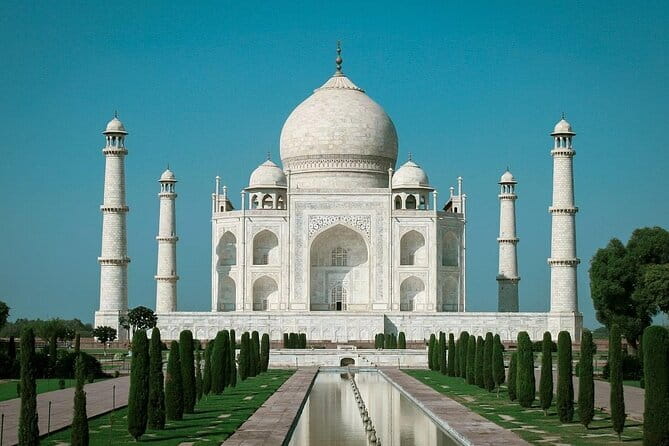
- Taj Mahal transport perk: battery-bus ride to and from the Taj Mahal parking area up to the monument.
- UNESCO stop stacking: Qutub Minar (Delhi) and Jantar Mantar (Jaipur), with other major Mughal and Rajput sights.
- Drivers praised for safety and calm in chaotic city traffic, with names like Ashok Yadav, Arjun, Dinesh Chauhan, Lucky, and Nawal showing up in feedback.
Golden Triangle logistics: why this route feels manageable
The Golden Triangle is popular for a reason: three cities, three very different “faces” of northern India, and all of it connected by road. What makes this tour workable is that you’re not juggling buses, trains, and transfers. You ride in a private A/C vehicle, and you keep the same basic travel rhythm for multiple days.
You’ll also get help with pacing. The plan includes long drives between cities, then packs each city day with a set of monuments and viewpoints rather than forcing you to “figure it out” every hour. I like that the itinerary doesn’t just chase landmarks—it also includes stops like stepwells and memorials that add texture to the trip.
One more small but real thing: the tour uses mobile tickets (so you’re not hunting for paper), and it includes bottles of mineral water during car travel. On hot days, that matters more than it sounds.
You can also read our reviews of more tours and experiences in New Delhi


Day 1 in Delhi: Jama Masjid lanes, spice markets, and Qutub Minar
Delhi day is built like a story: start in Old Delhi, move to the official/monumental center, then end with one of the most important medieval sites in the country.
You begin with Jama Masjid, one of the best places to get oriented to Mughal-era architecture. It’s free-entry in this plan, and the surrounding area is where you can really see how Delhi lives at street level. Next comes the Old Delhi rickshaw stand area, where a representative takes you through a rickshaw tour. This is one of the most fun ways to experience narrow lanes without committing to constant walking.
After that you’ll hit Chandni Chowk, a major commercial corridor packed into tight streets. Khari Baoli comes next, a spice market area known for stalls of spices, nuts, herbs, and packaged food items. If you like shopping but also like understanding what you’re buying, this kind of stop is useful because it turns the market into part of the sightseeing—not a random distraction.
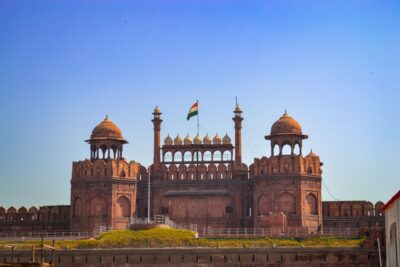
Then the day shifts to Delhi’s grand monuments and viewpoints. You’ll pass the Red Fort by road (no entry here, just the chance for photos), and you’ll also see Agra-something won’t happen today—this is all about Delhi landmarks like India Gate and Rashtrapati Bhavan (views only). Parliament House is also shown from outside.
A couple of calmer cultural stops round out the afternoon. Gandhi Smriti is included as a memorial that includes the house where Gandhi spent his last days. Lotus Temple is also on the list, a Bahá’í House of Worship known for its lotus-like design and peaceful setting.
You finish with Qutub Minar, a UNESCO-listed 12th-century tower reaching about 73 meters. The complex also includes other ancient structures, so even if you’re not a tower-climber, there’s still a lot to see in the grounds. The best strategy here: go with comfortable shoes and a plan for shade breaks, because you’ll be outside for a while.
Day 2 to Agra: Taj Mahal View Point and Itmad-ud-Daulah
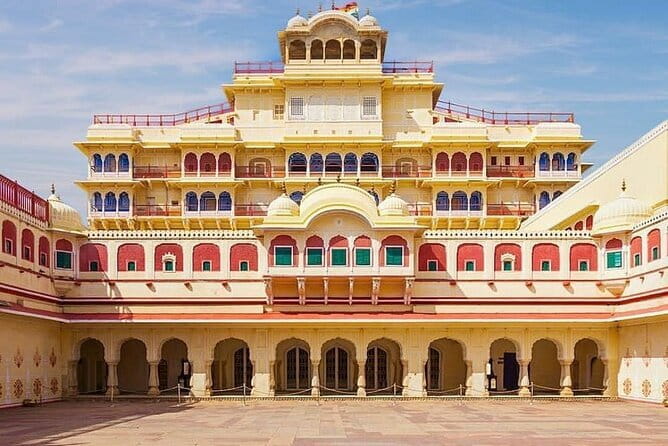
Day 2 is your road day. After pickup, you head from Delhi toward Agra, and the schedule includes an arrival window that sets you up for your first Taj Mahal connection without starting with the biggest crowd pressure.
Your first stop is Taj Mahal View Point. In this plan, entry is marked as not included, so you’ll want to be ready to pay if tickets are needed on the day. The value of a view-point start is that you can take photos, get the layout in your head, and settle your expectations before you see the monument properly.
Next comes Itmad-ud-Daulah, often nicknamed the Baby Taj. This is a Mughal tomb built in 1628, praised in this itinerary for its inlay work and carvings. If you like details, this stop is a nice “slow down” moment after long travel. You’ll get a better sense of Mughal craftsmanship by looking closely at surfaces rather than only at large-scale architecture.
Then you’re dropped at your preferred location in Agra for rest. That part matters. A lot of Golden Triangle tours cram you all into the same day and then wonder why people feel wrecked. Here, you get a chunk of downtime.
Practical tip: if you have energy, do a short walk near your hotel area—but don’t plan a big second-day workout. Agra Fort and the next Taj visit need you to be fresh.
Day 3 in Agra to Jaipur: Taj Mahal, Agra Fort, and Chand Baori
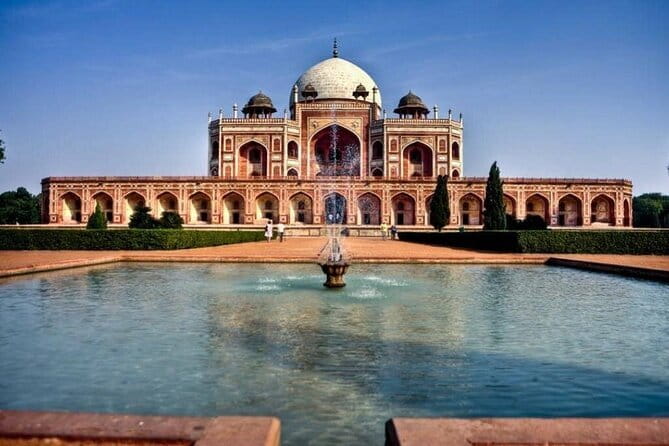
Day 3 is your full highlight day for Agra.
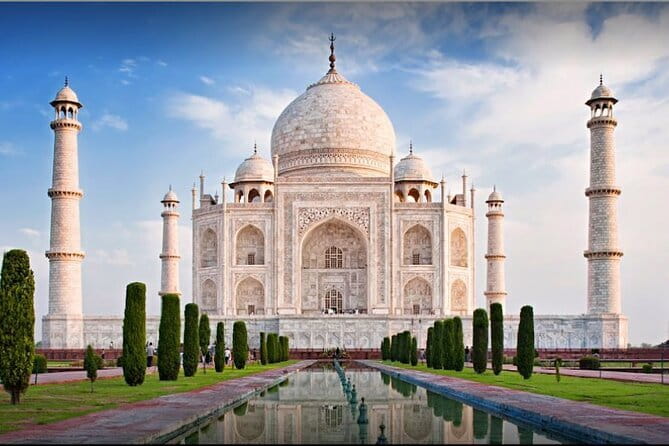
You start with Taj Mahal itself in the morning. This is included as a main stop with time set aside (and for this tour, Taj transport is supported by the battery bus linked to the parking area). Even with time limits, seeing it as part of a guided plan helps, because the guide can tie what you’re seeing to the larger story of Mughal patronage and design choices.
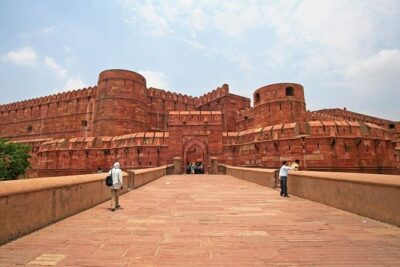
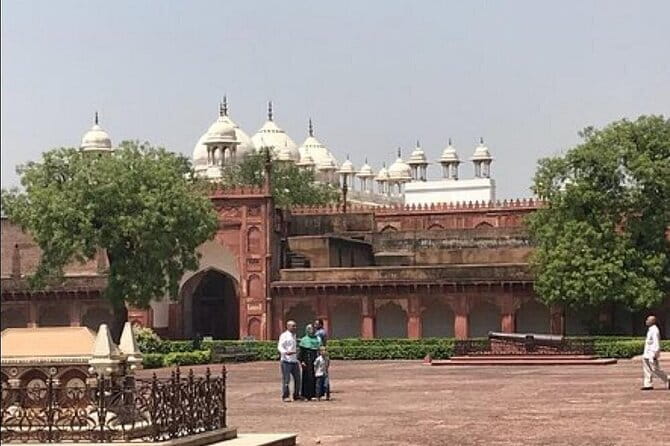
After Taj Mahal, you visit Agra Fort, described here as an Akbar-era Mughal fort built with red stone. Forts can be hit-or-miss on tours, so what helps is getting context for why the fort matters. Since you’ll have a guide, you’re not just walking corridors—you’re learning what the fort system was for and how it relates to the city.
Then comes a curveball that many Golden Triangle itineraries skip: Chand Baori in Abhaneri, a very old stepwell near Agra. The plan marks entrance as not included. Stepwells are a great break from palace and tomb fatigue because they’re functional, local, and visually strong. You’ll get a chance to see how water storage turned into architecture.
Finally, you travel onward toward Jaipur. The schedule notes a long drive, with around 6 hours mentioned to reach Pushkar, and then you’re dropped at your desired accommodation. That tells you the day includes meaningful time on the road. Build in an early night.
If you’re sensitive to long driving days, this is the day to plan low-energy options for evening: shower, dinner nearby, and sleep.
Day 4 in Jaipur: Hawa Mahal, Amer, stepwells, and Jantar Mantar
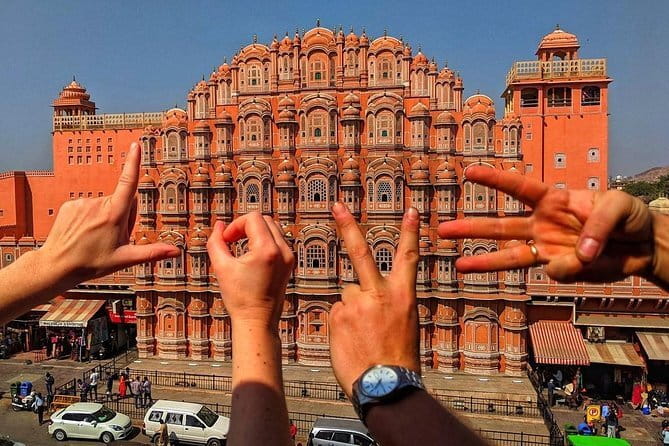
Jaipur day is a classic “big landmarks plus cultural detail” blend. The order matters because you start with the most iconic exterior view and then shift into forts and design-heavy stops.
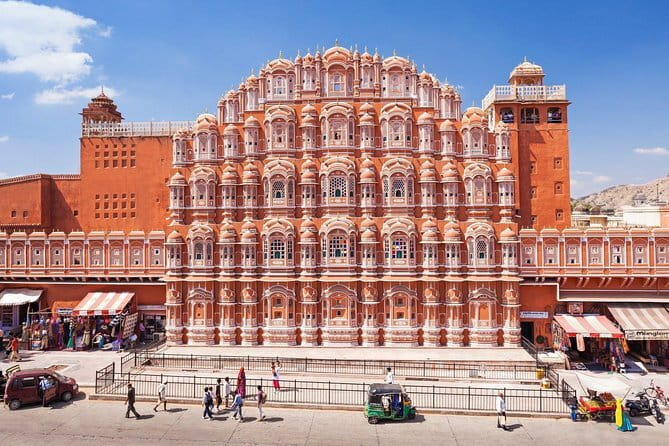
First up is Hawa Mahal (Palace of Wind). You’ll see the famous five-story façade with 953 small windows, built to let palace life watch the street while keeping interiors cooler. Even if you don’t climb inside, the outside is the point—this is Jaipur’s face toward the city.
Then you head to Amer (Amer Palace), a hill-area palace built by Rajput rulers with a Hindu-Mughal mix. This is a stop that tends to reward patience. You’ll want time to look at the palace structure and understand how Rajput design and Mughal tastes overlap.
Next is Panna Meena ka Kund, a historic stepwell featuring crisscross design and a symmetrical staircase. This stop is short in the schedule, so it’s best to move with intention: look for the geometry and how the structure funnels light and sightlines.
You also visit Jal Mahal, the so-called water palace. It’s described as one of Jaipur’s stunning spots, and it’s another visual contrast piece after stepwell architecture. Then you’ll go to Gaitore Ki Chhatriyan, known as the royal cremation ground with carved stone memorials.
The day finishes with City Palace (entrance not included) and Jantar Mantar, a UNESCO World Heritage site with large sundials and astronomical instruments. Even if you’re not a science-history person, Jaipur’s Jantar Mantar is one of those places where design and measurement feel physical. You can walk, look up, and understand the cleverness without needing a lecture.






Day 5 back to Delhi: wrap-up with a long, easy return
Day 5 is essentially your return. After breakfast, you’ll travel back to Delhi (about five hours is noted), or you can be dropped at your desired location in Jaipur.
I like that the last day isn’t another packed museum marathon. Golden Triangle trips can start feeling like a highlight reel. This ending gives you a breather so you don’t land back home with your brain still in sightseeing mode.
If you’re booking flights later that day, it’s worth being realistic about traffic and airport timing. The itinerary gives you the drive duration, but the city is still the city.
Value for money: what’s included, what you must budget

The advertised price starts at $16.86 per person, which is unusually low compared to what you normally pay for multi-day private transport in India. But your real total cost depends on what hotel tier you choose and how many paid entrances you decide to handle.
Here’s what this package clearly covers:
- Hotel pickup and drop (hotel/airport/railway station)
- Chauffeur-driven A/C private vehicle for sightseeing
- Accommodation in a 3-star hotel with breakfast (and options for higher categories mentioned)
- Tuk-tuk ride in Old Delhi
- Battery bus ride linked to Taj Mahal parking up to the monument
- Bottled mineral water during car journeys
- A guide/representative service for the sightseeing plan
- Taxes and service charges, including hotel taxes
And here’s what you should budget separately:
- Monument entrances and camera fees are not included
- Entrance fees are approximated at about $60 per person
- A note also mentions optional seasonal supplements paid at the hotel for X-mas/New Year Eve, if relevant to your travel dates
- Some specific stops are marked as admission ticket not included within the day plans (examples include National Museum, Taj Mahal View Point, Chand Baori, City Palace)
So does it still feel like a value? For me, yes—if you’re happy with a fixed itinerary and you want the comfort of private transport. If you love controlling every minute yourself, you might feel like you’re paying for structure. If you want guided monuments without negotiating transport all day, it’s a strong setup.
Service quality: drivers, safety, and how the trip keeps moving
The service is where this tour earns its high scores. The names that show up in the experience feedback aren’t random either: drivers like Ashok Yadav, Arjun, Dinesh Chauhan, Lucky, and Nawal are described as punctual, safe, and calm in heavy traffic.
That matters because Delhi and Agra traffic can feel intense fast. When a driver is relaxed and skilled, you stop thinking about the road and start paying attention to the sights. You also waste less energy on stress, which is a hidden cost most tours ignore.
The organization is also part of the appeal. The tour operator is described as planning and following through step-by-step, and that shows in the way the schedule moves from city to city with clear pick-up and drop points. You still do sightseeing, but the logistics aren’t eating your day.
One more practical note: your hotel rooms are prepared as per arrival time, but early check-in isn’t always guaranteed. When it’s not possible, the plan allows luggage storage so you can keep exploring instead of just waiting.
Who this Golden Triangle suits best
This tour is a good match if you:
- Want a first-time-friendly Golden Triangle route with minimal transport hassle
- Prefer private A/C travel with a driver and guide at key stops
- Like a mix of major monuments (Taj Mahal, Qutub Minar) and detail-focused sites (Itmad-ud-Daulah, stepwells, memorials)
- Travel in a group that wants one plan instead of splitting into multiple mini-tours
It’s less ideal if you:
- Want totally free wandering with no set stops
- Don’t want to deal with paying some entrance fees on your own
- Prefer more time in fewer places rather than a full “loop” schedule
Should you book this 5-day Golden Triangle tour?
If you want the Golden Triangle without the stress, I’d book it—especially for the private A/C car setup and the way the itinerary mixes big-ticket monuments with smaller, architectural stops. The Taj Mahal transport perk and the Old Delhi rickshaw-style segment also add real comfort and local flavor.
Book it if your style is structured sightseeing with a guide and you’re comfortable budgeting for entrances (about $60 per person is the rough figure provided). Skip or rethink it if entrance fees would be a deal-breaker or if you’d rather spend less time on the road and more time in one city.
If you tell me your travel month and whether you want 3-star or a higher hotel category, I can help you estimate a more realistic total budget for entrances and timing.
FAQ
What cities are included in this 5-day Golden Triangle tour
The tour covers New Delhi, Agra, and Jaipur.
Is pickup and drop-off included
Yes. Hotel/airport/railway station pickup and drop-off are included.
Do I travel in a private vehicle
Yes. You get a chauffeur-driven, air-conditioned private vehicle for sightseeing with a driver at all times.
Are monument entrance fees included
No. Monument entrance fees and camera fees are not included. Entrance fees are approximated at about $60 per person.
Is there a special transport part for the Taj Mahal
Yes. A battery bus ride to and from the Taj Mahal parking lot up to the Taj Mahal monument is included.
What is the cancellation policy
Free cancellation is available up to 24 hours in advance for a full refund. If you cancel less than 24 hours before, the amount paid is not refunded.