REVIEW · NEW DELHI
Half Day Slum Walking Tour Delhi
Book on GetYourGuide →Operated by Rendevouz Tours · Bookable on GetYourGuide
Delhi’s slums aren’t what you think. This half-day walk through Kusumpur Village offers a safe, respectful way to see everyday life, led by a guide with clear English who keeps the conversation grounded and humane.
I especially like how the tour is built around listening, not staring—so you get context on education, sanitation, and health without turning people into a spectacle. One caution: this tour is not suitable for pregnant women, and the subject matter can feel intense, so bring an open mind and steady expectations.
In This Review
- Quick hits before you go
- Walking Into Kusumpur Village: Respect Rules You’ll Feel Immediately
- The Half-Day Flow: From Hotel Pickup to Mosque and Temple Stops
- What You’ll Notice: Businesses, Brick Houses, and Everyday Micro-Scenes
- Education and Health: How the Tour Handles Hard Topics
- Religion Up Close: Hindu Temple and Mosque Visits Without the Circus
- Tea Breaks and Chai: A Human Pause After the Walk
- Guides, Safety, and Real Talk: What You’re Paying For
- Price and Logistics: Is $57 Good Value in Delhi?
- Who This Tour Fits Best (and Who Might Want Another Option)
- Should You Book This Half-Day Slum Walking Tour?
- FAQ
- How long is the tour?
- Is pickup and drop included?
- What language is the tour offered in?
- What should I bring?
- Is the tour suitable for pregnant women?
- Is alcohol or drugs allowed?
Quick hits before you go
- Respect-first approach: inclusive, communicative, and designed to be non-intrusive
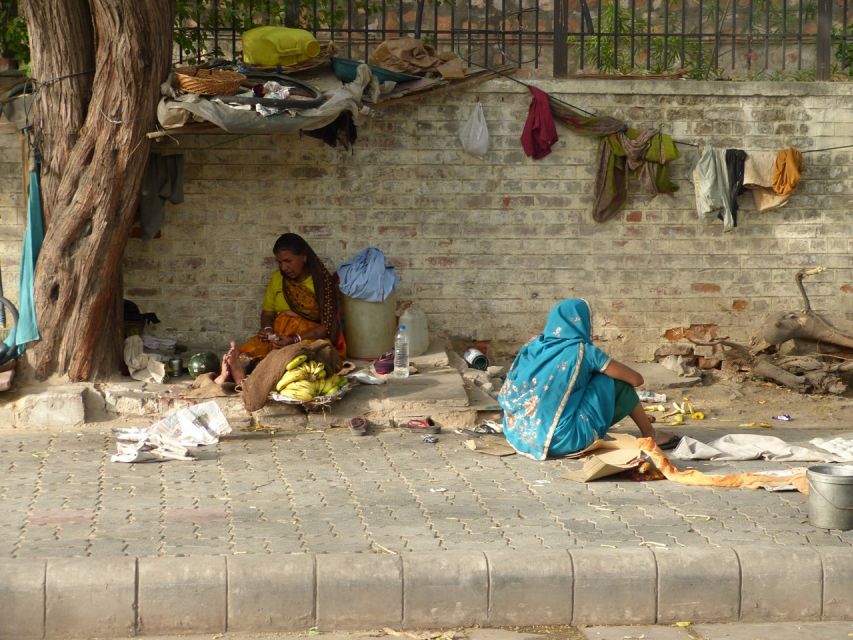
- Kusumpur Village scale: Delhi’s largest slum area, home to 5,000+ people
- Religion stops on the route: you visit a Hindu temple and a mosque
- Real-life context: ongoing projects plus social and economic realities behind daily routines
- Comfort included: hotel pickup/drop, an air-conditioned car, water, and a tea break
- Guide quality can matter a lot: people praise guides like Neil and Harsh, plus driver Sumit for smooth handling
Walking Into Kusumpur Village: Respect Rules You’ll Feel Immediately
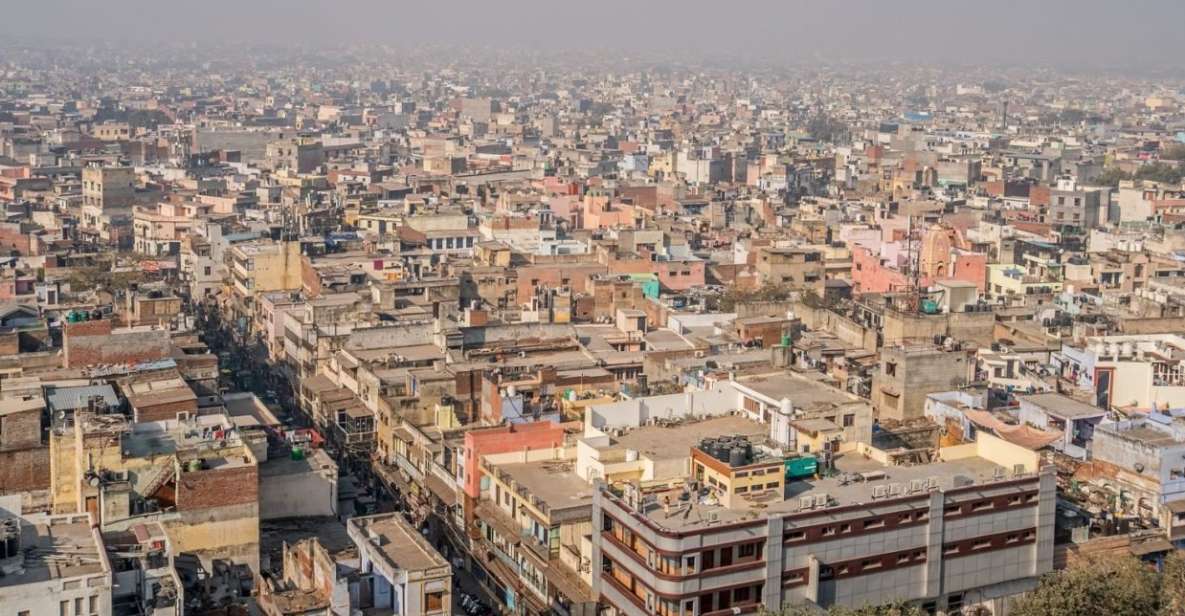
A Delhi slum walking tour can sound risky on paper. Here, the structure is built to lower the friction: you’re not dropped into a chaotic free-for-all. Instead, you move with an English-speaking storyteller/guide who sets the tone early—safe, respectful, and non-intrusive.
This matters because slum areas are not theme parks. They’re homes, workplaces, schools, and places where neighbors manage life together. One of the best signals of how a tour will treat people is how it handles eye contact, questions, and boundaries. The setup on this half-day walk is designed to encourage conversation without demanding access.
You’ll also be heading to a settlement that began on forest land and now houses more than 5,000 people. That history gives weight to everything you’ll see: buildings, makeshift infrastructure, and the steady effort people make to keep daily life going.
You can also read our reviews of more walking tours in New Delhi



The Half-Day Flow: From Hotel Pickup to Mosque and Temple Stops
The experience is timed as a half day, and it’s practical about getting you there and back. You get hotel pickup and drop in an air-conditioned car, which helps a lot in Delhi when you’re balancing heat, traffic, and a walk that asks you to pay attention.
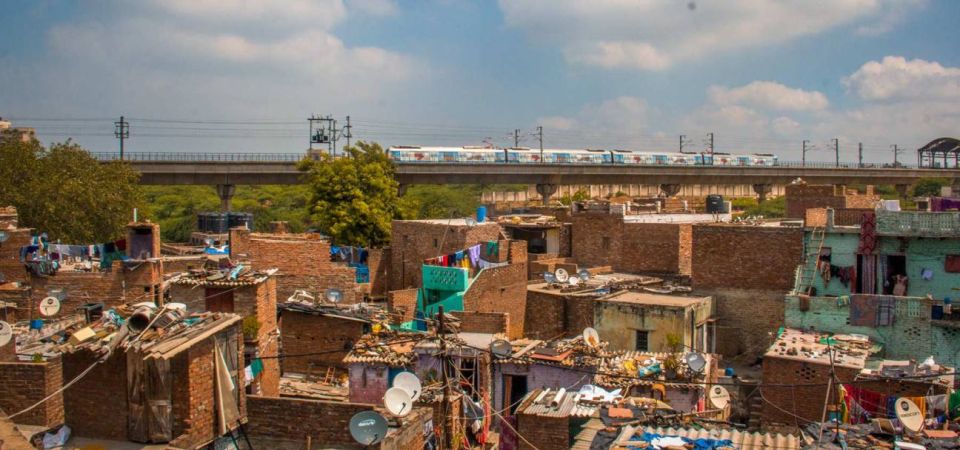
Once you start walking, the tour focuses on how life unfolds in an informal settlement: working spaces, residences, and the small systems that keep things functioning. You’re not only shown the hard parts. You’re also guided to notice what’s working—community routines, practical problem-solving, and local commerce that keeps money moving.
A standout part of the route is the inclusion of both a Hindu temple and a mosque. That gives you a clearer picture of how religion fits into neighborhood life—side by side, not as a separate tourist photo spot. You may also have moments like waving at friendly children from the neighborhood, which helps shift the tone from observation to human connection.
What You’ll Notice: Businesses, Brick Houses, and Everyday Micro-Scenes
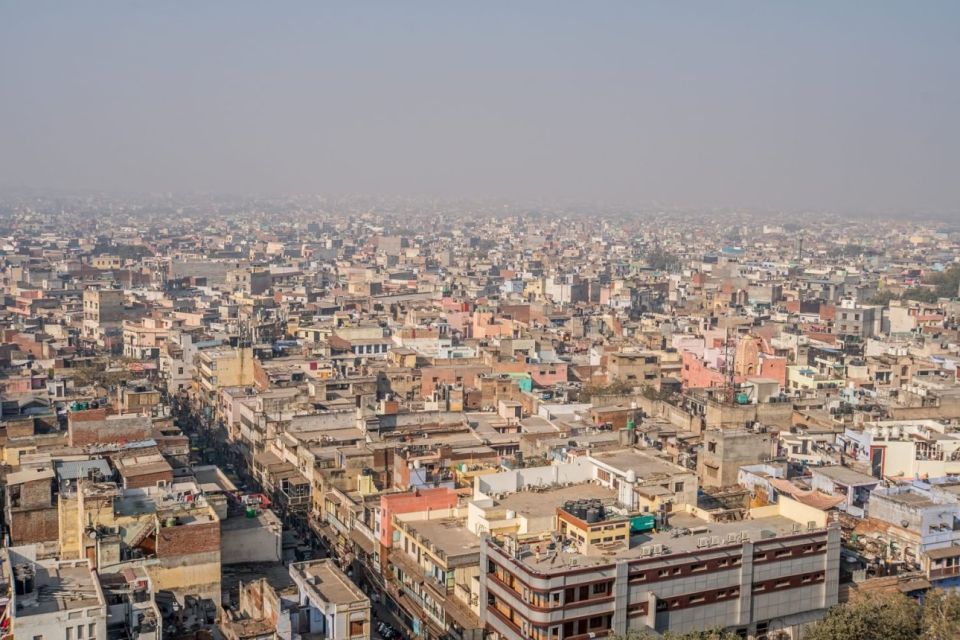
If you’re expecting only “poverty,” you’ll come away with a more accurate mental map. The tour’s emphasis on micro aspects—especially business—helps explain how informal settlements aren’t blank pages. People run shops, provide services, and build livelihoods in spaces that are tight and often improvised.
You’ll likely notice details like small, sturdy construction rather than only the stereotype of flimsy shelters. In fact, one guide’s route included a look at a better house and you could see brick structures and everyday friendliness. That doesn’t erase the challenges. It just shows the full range: some homes are more solid than others, and residents still craft stability where they can.
Here’s the useful takeaway for you: when you understand the micro-economy—who trades, who sells, who works close to home—you stop thinking of slums as one single thing. You start seeing neighborhoods, networks, and families with different resources and different strategies.
Education and Health: How the Tour Handles Hard Topics
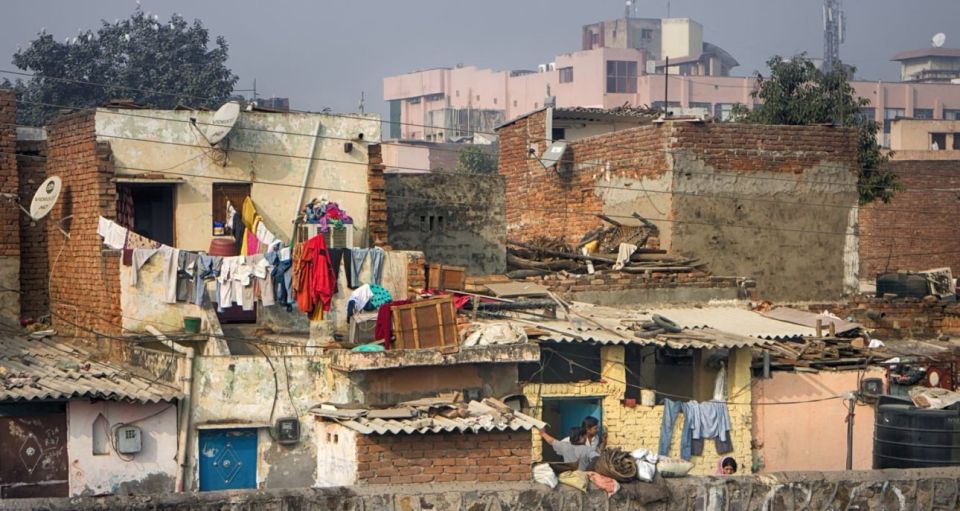
This walk isn’t sugarcoated. You’re guided through social and economic realities, including education, sanitation, and health. Those themes can feel heavy, especially when you hear how daily life is shaped by limited infrastructure and ongoing need.
But the value is in the framing. The tour encourages conversation so the subject stays human. Instead of sensationalizing, you learn about the complex social structure within the community and you hear about ongoing projects connected to daily needs.
One of the most meaningful parts (when included on your route) is meeting people involved with education—like teachers from an NGO school. That gives you a direct link between the challenges you see in everyday life and the specific ways organizations try to improve outcomes.
If you’re the type who gets overwhelmed easily, plan to go with slower mental pacing. This is not a “check off sights” half day. It’s a half day to understand how systems work when resources are scarce—and where hope shows up anyway.
Religion Up Close: Hindu Temple and Mosque Visits Without the Circus
The inclusion of a Hindu temple and a mosque does more than add variety. It anchors your understanding of how faith and community share the same space and time.
You get to see that religious life isn’t just an external landmark. It’s part of neighborhood rhythm. Even if you don’t know the religious details, you can learn how people behave in shared sacred spaces—how they move, how they speak, and how visitors are guided.
This is also where the “ethical and non-intrusive” approach becomes obvious. A responsible guide doesn’t push for spectacle. They guide you to be respectful, and they make the purpose clear: learning about the community’s lived reality.
If you wear clothing that covers appropriately and keep your tone calm and polite, you’ll fit in better. And because this walk is about conversation, a little cultural sensitivity goes a long way.






Tea Breaks and Chai: A Human Pause After the Walk
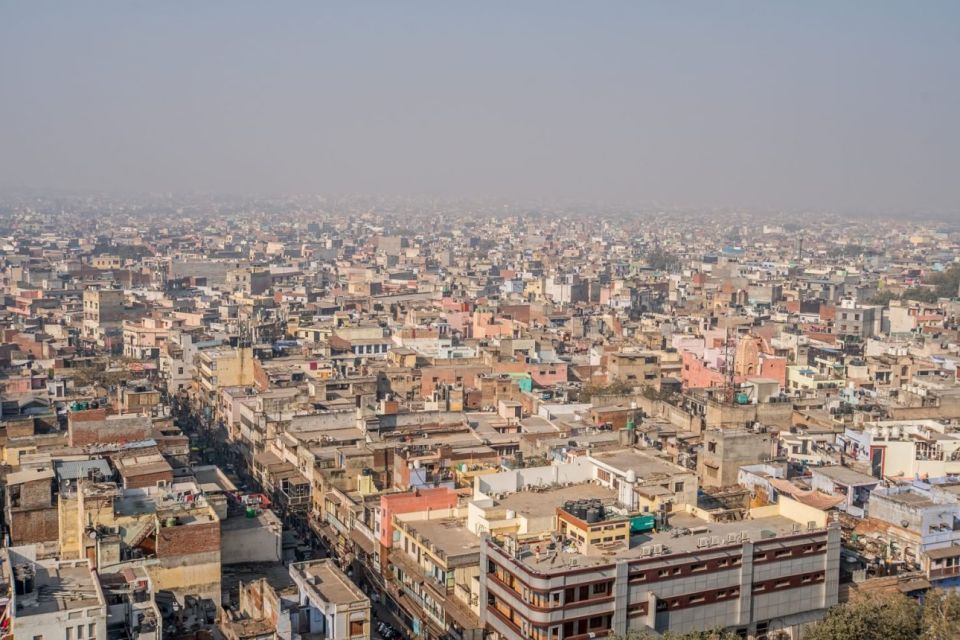
After walking and talking, you don’t just leave. You get a break that makes the experience feel more balanced. The tour includes mineral water, and there’s a tea break available if you want it.
On top of that, some routes include a stop to drink chai in a market nearby. That turns the day into something more than “seeing hardship.” It becomes a chance to slow down, talk, and let your guide explain what you’re noticing in real time—why certain things exist, how residents respond to daily challenges, and what ongoing projects aim to change.
Think of these pauses as part of the ethics too. When you stop to share tea, the tone shifts from extraction to relationship. It’s easier to stay thoughtful when you’re not rushing.
Guides, Safety, and Real Talk: What You’re Paying For
A big portion of your experience will come down to the guide. And the praise is consistent: people highlight guides like Neil for clear English and thoughtful pacing, and Harsh for being on time, welcoming, and keeping the visit discreet and respectful.
Safety also comes up strongly. A single female traveler reported feeling completely safe with a knowledgeable guide, and another note praised how the residents welcomed the group. That’s important because safety here isn’t only about streets—it’s about how you act, how your group is managed, and how your presence affects people.
One useful example: when a traveler shared an MS condition, the guide adjusted the route and avoided an unsafe, more extreme area. That’s a reminder that good guides read the group and respond responsibly. You should still use your own judgment about what you can handle physically and emotionally.
Also note one extra touch: one team took photos during the tour and shared them afterward with the group. It’s a small thing, but it can help you remember without keeping your phone in everyone’s face.
Price and Logistics: Is $57 Good Value in Delhi?
At $57 per person, you’re not just paying for walking. You’re paying for the parts that make an ethical tour actually work: hotel pickup/drop, transfers by air-conditioned car, an English-speaking guide/storyteller, and water with a tea break option.
That adds up. In Delhi, getting to and from a neighborhood safely and on time can eat time and energy. Here, the transportation is included, which keeps your half day from turning into a half day of traffic stress.
What’s not included is personal shopping, so if you plan to buy anything, that will be on you. But the core package already covers the most expensive, time-sensitive pieces: guide attention, communication, and getting you back to your hotel.
If you’re traveling solo, this kind of structure can be especially valuable. You get context and a human filter, rather than trying to stitch together something on your own in a way that could accidentally be intrusive.
Who This Tour Fits Best (and Who Might Want Another Option)
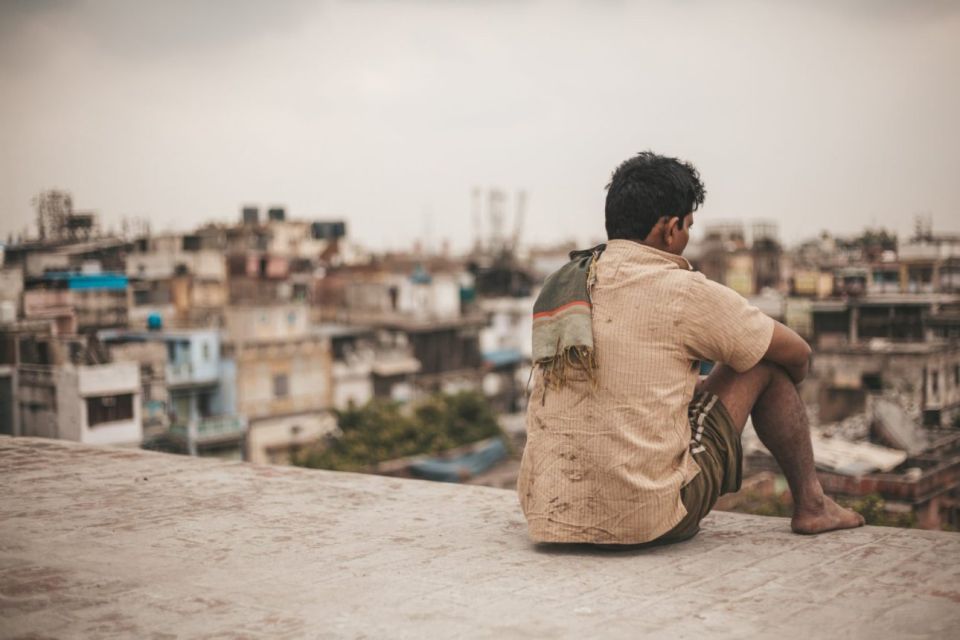
This tour fits you if you want an honest look at modern India beyond the usual tourist circuits. It’s good for travelers who can handle respectful conversations and who want to see how community, work, and faith connect inside a dense neighborhood.
You may want to skip it if you’re pregnant (it’s not suitable). And if you’re very sensitive to intense stories about sanitation, health, or poverty, plan emotionally for a harder-than-average day.
If you’re coming to India for the first time, it can still be a strong experience—but you’ll get more out of it if you’re ready to unlearn stereotypes. The tour’s whole mission is to debunk the negative picture people often carry about slums, and to show the complex social structure that exists there.
Should You Book This Half-Day Slum Walking Tour?
I’d recommend booking if you want a thoughtfully guided, half-day experience that treats people as people. The strongest reasons are simple: respect-first handling, clear communication in English, meaningful stops like a Hindu temple and a mosque, and the chance to see both the challenges and the community strength.
Don’t book it if you want a comfortable, light afternoon with zero discomfort. This is a reality-based tour. Even with tea breaks and careful guidance, it touches education, sanitation, and health—so your mindset matters.
If you’re ready to arrive with patience, ask questions politely, and take your cues from the guide, you’ll likely leave with a more accurate, more human view of Delhi.
FAQ
How long is the tour?
It’s a half-day slum walking tour of Delhi.
Is pickup and drop included?
Yes. Pick up and drop at your Delhi hotel are included, with transfers by an air-conditioned car.
What language is the tour offered in?
The tour is offered with an English-speaking guide/storyteller.
What should I bring?
Bring a passport or ID card.
Is the tour suitable for pregnant women?
No, it is not suitable for pregnant women.
Is alcohol or drugs allowed?
No. Alcohol and drugs are not allowed.