REVIEW · NEW DELHI
6-Days Golden Triangle Tour With Ranthambore & Jhalana Safari
Book on Viator →Operated by Golden Triangle Tours India · Bookable on Viator
Golden Triangle fatigue is real, so a slower pace helps. This 6-day route strings together Delhi, Agra, Jaipur, plus a real wildlife add-on with Ranthambore and then Jhalana Leopard Park. What I like most is how the tour handles the heavy lifting: you’re moved in a private, air-conditioned vehicle and you’re not stuck designing your own day-by-day plan. I also like that safari access is built in with included safari fees, not just a vague promise of wildlife.
The one thing to flag is that “everything important” is included, but monument entry tickets are not—you’ll pay extra for many sights, plus tips and any optional costs along the way.
In This Review
- Key things to know before you go
- Golden Triangle Plus Jhalana: why this 6-day pace works
- Day 1 Delhi in a timed highlights loop (Old Delhi + monuments)
- Day 2 Taj Mahal sunrise energy, then Agra’s “three-hit” day
- Day 3 Ranthambore: two safari chances, less guesswork
- Day 4 Jaipur + Jhalana Leopard Park safari at evening
- Day 5 Jaipur’s big-ticket monuments: Amber, City Palace, Jantar Mantar, Hawa Mahal
- Day 6 Jaipur temples that don’t require a full-day plan
- Price and logistics: what $397.28 buys you (and what it doesn’t)
- Hotels, guides, and the “it just works” factor
- Who should book this Golden Triangle with Ranthambore and Jhalana?
- Should you book this 6-day Golden Triangle with Ranthambore and Jhalana?
- FAQ
- Where does the tour start?
- What safari experiences are included?
- Are hotels and breakfast included?
- Are monument entrance tickets included?
- Are lunch or dinner included?
- What transportation will you use?
- What is the cancellation policy?
Key things to know before you go
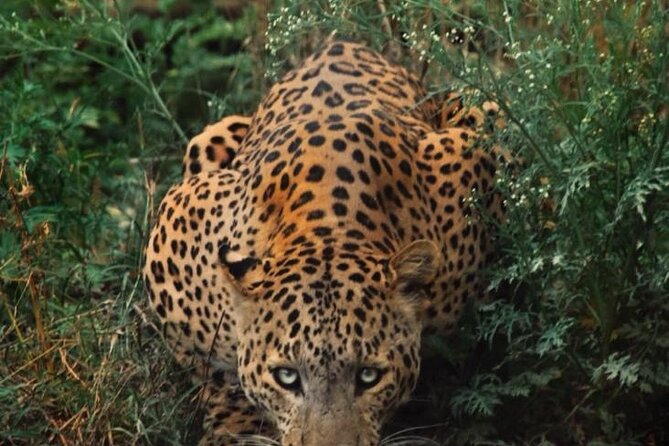
- Two Ranthambore game drives are included (Gypsy or Canter), which is the part most people worry about getting wrong.
- Jhalana safari is also included as a second wildlife experience after Jaipur’s big-hitters.
- You get 5 nights in 4- or 5-star hotels with breakfast, so the “triangle” part doesn’t feel like budget survival travel.
- A private AC vehicle does the commuting, meaning less time negotiating routes and more time in the actual sights.
- Expect extra fees for monument entry since “safari fees” and “entry tickets” are treated differently.
Golden Triangle Plus Jhalana: why this 6-day pace works

Most Golden Triangle tours try to cram Delhi, Agra, and Jaipur into a blur of temples and taxi lines. This one spreads it out. The result is you get time to actually enjoy the stops instead of just photographing them and rushing to the next checkmark.
You also get a bonus wildlife angle that’s easy to miss on shorter itineraries. Ranthambore National Park is the big name, but Jhalana Leopard Park is a smart add-on because it gives you another chance to spot animals without turning the trip into an all-day, every-day safari marathon.
That said, your expectations should match how the tour is structured: you’ll have guided sightseeing blocks and set times, but it’s still a packed India itinerary. If you’re the type who loves long unplanned naps and wandering with no schedule, you might find the rhythm a bit busy.
You can also read our reviews of more tours and experiences in New Delhi


Day 1 Delhi in a timed highlights loop (Old Delhi + monuments)
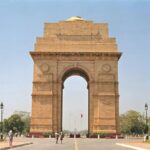
Delhi Day 1 is built like a highlights starter kit. You’ll start with Qutub Minar, then swing by iconic modern-religious architecture with Lotus Temple, and take in major landmarks around the government district and Rajpath area.
A big reason this day feels manageable is that the stops are grouped logically:
- Qutub Minar gives you a classic UNESCO monument moment.
- Lotus Temple is quick, easy to visit, and its flower-like design is the kind of architecture that photographs well even if you’re short on time.
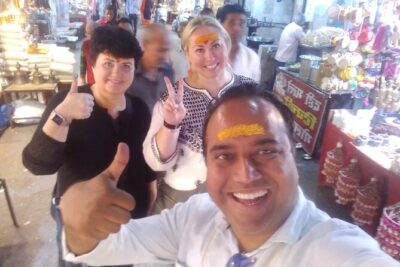
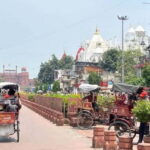
- Old Delhi comes later with Chandni Chowk, where you’ll get that spice-and-sari market energy in about an hour.
You’ll also see Jama Masjid and Humayun’s Tomb in the same day. Those two are not “tiny side stops.” They’re substantial Mughal-era landmarks, and they make the day feel more meaningful than a drive-by tour.
Practical note: lunch is on your schedule but not listed as included. I’d budget for it, and also budget for the fact that Old Delhi lanes can feel crowded fast. If you’re prone to sensory overload, consider keeping your shopping goals light and just letting the area soak into your brain.
Day 2 Taj Mahal sunrise energy, then Agra’s “three-hit” day

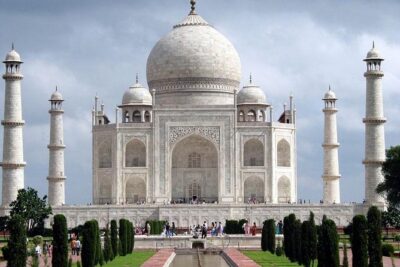
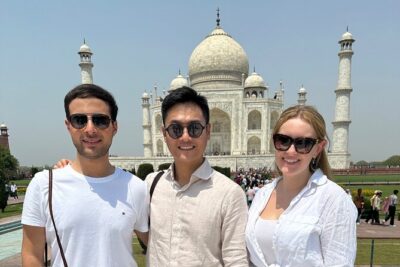
Day 2 is the famous one: Taj Mahal, early. The tour includes a guided visit inside with about two hours on site, which is exactly the amount of time you want for the main highlights without feeling like you’re stuck in a queue forever.
Then Agra follows with Agra Fort and two additional mausoleum/architecture stops:
- Agra Fort (UNESCO) gives you the Mughal power backdrop.
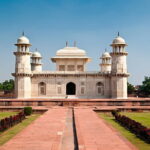
- Itmad-ud-Daula (often called Baby Taj) is a more intimate, detailed experience compared to the Taj itself.
- There’s also time for Chand Baori in Abhaneri, the stepwell, where the scale comes from geometry and sheer steps rather than ornament alone.
One watch-out: entry tickets for these monuments aren’t included, and that adds up. Even if you pay one “entrance fee” umbrella amount, you’ll still want to carry the cash/card plan the operator asks for. If you show up without knowing what’s required, it can slow the day.
The upside is that you’re not rushing to go back and forth. The day is a sequence that keeps you in the Agra zone long enough to feel like you’re actually sightseeing, not commuting.
Day 3 Ranthambore: two safari chances, less guesswork
Ranthambore National Park is the whole point of Day 3, and this tour gives you something that matters: two safari games included in Ranthambore (Gypsy or Canter). In tiger country, you want multiple chances, not just one “maybe we’ll see something” drive.
The day is split into:
- a morning safari after breakfast
- an afternoon safari after lunch
Then you return to your hotel.
This setup is genuinely practical. Many first-timers think they need one long outing, but wildlife timing is unpredictable. By having a morning and later session, you increase your odds while still keeping the day organized. You also won’t feel like you’ve been sitting in the jeep for six straight hours with no relief.
What to bring (general safari sanity, based on how most drives work in India):
- something for cool mornings (even in warmer months, mornings near parks can feel chilly)
- sunscreen and a hat for the brighter midday drive
- a small snack or water plan if your hotel doesn’t provide what you expect after safari downtime
The tour includes mineral water per day, but that’s not the same as having snacks ready. Pack light, but don’t arrive without basics.
Day 4 Jaipur + Jhalana Leopard Park safari at evening
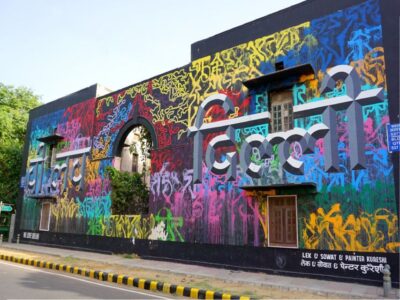
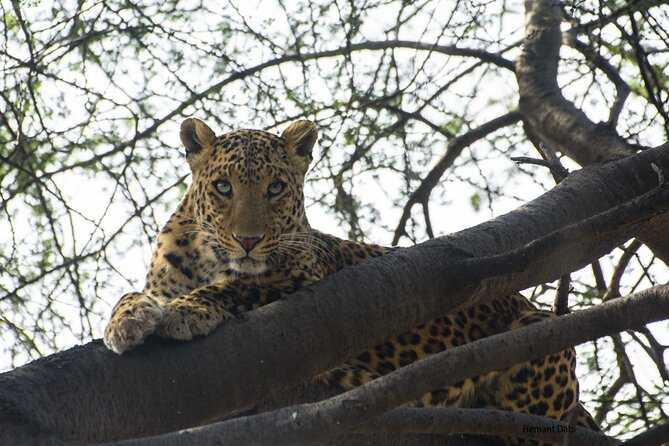
Jaipur Day 4 has two personalities. First you get a quick hit at Patrika Gate in Jawahar Circle—modern, colorful murals and a photo-friendly spot. Then the day transitions into wildlife with the Jhalana Safari in Jaipur, scheduled for later evening.
That order is smart. You can absorb Jaipur’s vibe without trying to cover every major palace in one day. Then you go looking for leopards (or other wildlife) when the light and animal activity can be better.
A key detail: the safari fee for this Jhalana slot is included. Many tours mention “safari time” but treat costs loosely. Here, you know safari access is part of the deal, while most monument entry tickets are separate.
Then you check in and settle in Jaipur for your overnight.

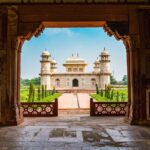


Day 5 Jaipur’s big-ticket monuments: Amber, City Palace, Jantar Mantar, Hawa Mahal
Day 5 is your classic Jaipur monument day. It’s long, but it’s also well segmented into recognizable stops, which helps you pace your energy.
You’ll start with Panna Meena ka Kund, a stepwell near Amber Fort. After that, you head to Amber Palace for about a two-hour guided visit. Amber is the one that tends to feel like a “full experience” because the palaces, courtyards, and views take time.
Next comes Jal Mahal, the palace on Man Sagar Lake. The tour lists it as a photo opportunity, and that’s the right expectation. Don’t plan this stop like a museum visit. Plan it like a view break.
Then you move through the core heritage cluster:
- City Palace of Jaipur (about an hour)
- Jantar Mantar (about an hour), the UNESCO-listed astronomical instruments
- Hawa Mahal (short stop, about 15 minutes), the Palace of Winds
- Albert Hall Museum (short stop, about 15 minutes)
Here’s the consideration: many of these have entry fees not included. So your day might feel “fast” in the best way—guided blocks—but you should be prepared for the financial layer of monument tickets.
Also, Jaipur can feel hotter than Delhi in some seasons. If you’re sensitive to heat, use your guide for pacing. Take water breaks even if the day feels timed. It’s better to enjoy the sights than to count steps with a headache.
Day 6 Jaipur temples that don’t require a full-day plan
Day 6 is more relaxed. You’ll visit Birla Mandir Temple for a short stop and then Galtaji Temple, also known as the Monkey Temple. Galtaji is famous for its pools and layout, and it’s a nice change from palace architecture.
After that, the tour drives you back to New Delhi for drop-off at the airport, hotel, or another desired point in the city.
This final day is useful because it keeps you from ending the trip with a rushed, “get out of town” feeling. You get one last cultural stop, and then you’re done.
Price and logistics: what $397.28 buys you (and what it doesn’t)
At about $397.28 per person for roughly six days, this tour makes its value through three concrete things:
- Included safari experiences: two Ranthambore games plus one Jhalana safari.
- 5 nights in 4- or 5-star hotels with breakfast (when the hotel option is included).
- A private air-conditioned vehicle with trained coordination, so you’re paying for time-saving comfort and organization.
Now the costs that can surprise people:
- Monument entrance tickets are not included. The information lists an entrance fee estimate around $90 per person for city monument tickets, plus additional entry tickets for specific sites.
- Meals are not included beyond breakfast. Lunch or dinner becomes your responsibility.
- Tips are not included.
- Any extra taxes, drinks, and personal spending aren’t covered.
My practical take: if you were planning to do Delhi–Agra–Jaipur anyway and you also wanted Ranthambore, the safari inclusion makes this easier to price accurately. If you only wanted museums and palaces and weren’t committed to wildlife, you could compare alternatives that don’t include safari drives. But for animal lovers, this package’s built-in safari access is the main value lever.
Hotels, guides, and the “it just works” factor
This tour leans on a team model: a trained representative and experienced chauffeurs run the logistics and driving. That matters in India, where small delays can snowball fast.
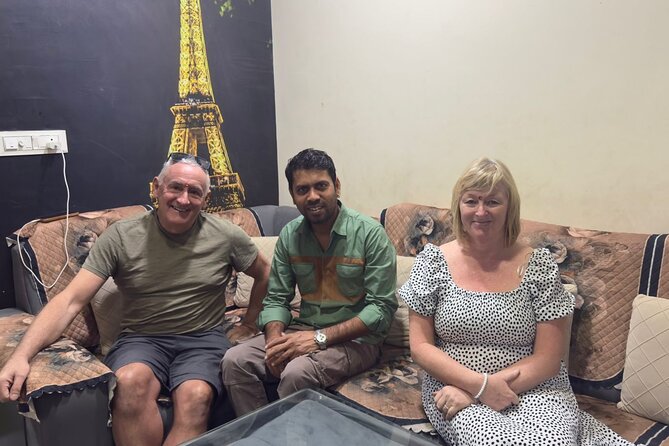
In the feedback I saw, communication and reliability were repeatedly praised. The coordinator name Gopal came up as responsive and flexible. Drivers such as Lalit, Sanjeev, Mahendra, Vinod, and Surendra were called out for being friendly, punctual, and professional.
One honest note: one piece of advice that showed up more than once is to watch for high-pressure souvenir selling. It’s not unusual in tourist-heavy routes. You can stay polite and still keep your spending decisions under your control. If you don’t want it, say no firmly and keep moving.
As for rooms, the default is twin-sharing. If you book as three people, triple-sharing is the default unless you pay extra to split into two rooms. If you’re traveling with friends and want specific bed arrangements, double-check before you lock it in.
Who should book this Golden Triangle with Ranthambore and Jhalana?
This itinerary is a good fit if you:
- want the classic Golden Triangle sights without extreme rushing
- care about wildlife enough to prioritize included safari drives
- like a private-vehicle setup for comfort and time control
- prefer guidance at monuments rather than self-navigation all day
It might not be your best match if you:
- hate schedules and would rather go at your own pace every hour
- want meals fully included
- expect that monument entry fees are included automatically
If you’re solo, it also can work well because the tour is private to your group, and it’s built around driver-led logistics rather than public transport juggling.
Should you book this 6-day Golden Triangle with Ranthambore and Jhalana?
I’d book it if you want a balanced mix: Taj Mahal and Jaipur heritage, plus real safari time that’s actually included rather than “optional.” The biggest reason is the combination of two Ranthambore drives + a Jhalana safari, plus 5 hotel nights with breakfast, all packaged with private AC transport.
Before you say yes, do two quick checks:
- Confirm how monument entry fees will be handled for your dates, since those are extra and affect your total budget.
- Decide your comfort level with a schedule that’s full but not frantic. If you enjoy structured sightseeing with breaks, this is a good match.
FAQ
Where does the tour start?
It starts at Indira Gandhi Intl Airport in New Delhi. You should plan to meet at that location at the beginning of the experience.
What safari experiences are included?
The tour includes safari fees for two games in Ranthambore National Park using Gypsy or Canter, and one Jhalana Safari in Jaipur.
Are hotels and breakfast included?
The tour includes 5 nights of accommodation if you book with the option including hotels, and breakfast is included for 5 days.
Are monument entrance tickets included?
No. Entrance fees for monuments in cities are not included, and an entrance ticket cost is listed (around $90 per person), plus other entry tickets may also cost extra.
Are lunch or dinner included?
No meals are included in the package besides breakfast.
What transportation will you use?
You travel in an air-conditioned private vehicle. For small groups it’s a 4-seater sedan (groups of 1–2), a 6-seater wagon (groups of 3–4), and a 10-seater minivan (groups of 5–10).
What is the cancellation policy?
You can cancel for a full refund if you cancel at least 24 hours in advance of the start time. If the experience is canceled due to poor weather, you’ll be offered a different date or a full refund, and cancellations can also happen if a minimum number of travelers isn’t met.