REVIEW · NEW DELHI
Delhi: Heritage Photography Tour
Book on GetYourGuide →Operated by Yo Tours · Bookable on GetYourGuide
Tombs, street art, and photo angles in one walk. I like how this tour turns Safdarjung Tomb into more than a stop-and-snap site, with photo guidance that helps you slow down and frame better. You also get the calmer green moments of Lodhi Garden, so your pictures won’t all look like the same “monument at noon” shot. One drawback: it’s a compact 2-hour route, so you’ll want comfortable shoes and you’ll be walking more than you’re sitting.
I’ve seen guides here do it two ways: the steady storyteller who keeps the pace humane, or the kind that lets photographers work. In this case, both show up in the experience, with names like Rajeev and Ameesha popping up for their clarity and patience. The only real consideration I’d flag is logistics risk: one booking reported a guide not arriving, so I strongly suggest arriving at the meeting gate a few minutes early and re-checking you’re at the right ticket counter.
In This Review
- Key highlights you’ll feel fast
- Why this Delhi photo walk is worth your time
- Meeting at Safdarjung Tomb: where the tour really starts
- Safdarjung Tomb: setting your framing habits early
- Muhammad Shah Sayyid Tomb: history you can photograph with purpose
- Lodhi Garden and Rose Garden: when your photos breathe
- Bara Gumbad, embassies, and the Athpula Bridge lake crossing
- Shish Gumbad, Sikandar Lodi Tomb, and Lodhi street art
- The guide factor: storytelling that helps your camera
- Price and value: what $14 buys you in practice
- What to bring (and what to skip) so you stay comfortable
- Final call: should you book this Delhi photo tour?
- FAQ
- How long is the Delhi Heritage Photography Tour?
- Where is the meeting point?
- What’s included in the price?
- Is a water bottle included?
- What languages is the tour offered in?
- What should I bring?
- Is luggage allowed?
- Can I get a refund if my plans change?
Key highlights you’ll feel fast
- Safdarjung Tomb in “camera-friendly” light: you’re guided to better angles instead of just walking past walls.
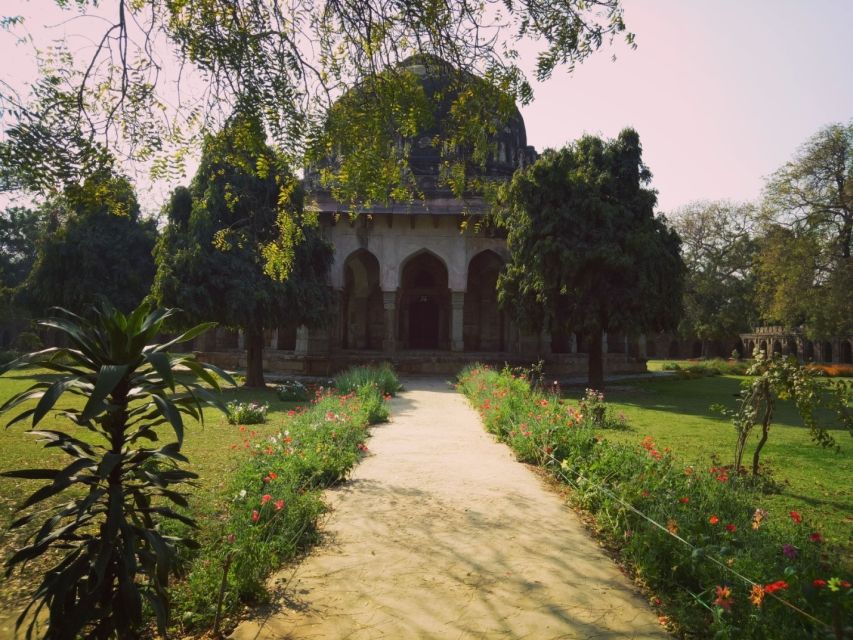
- Lodhi Garden and Rose Garden for variety: trees, flowers, and architecture give you a real mix of subjects.
- Lodhi-era monuments, including Bara Gumbad and Shish Gumbad: Indo-Islamic architecture that’s photogenic from multiple viewpoints.
- Athpula Bridge and the lake crossing: a change of scenery that adds depth to your photos.
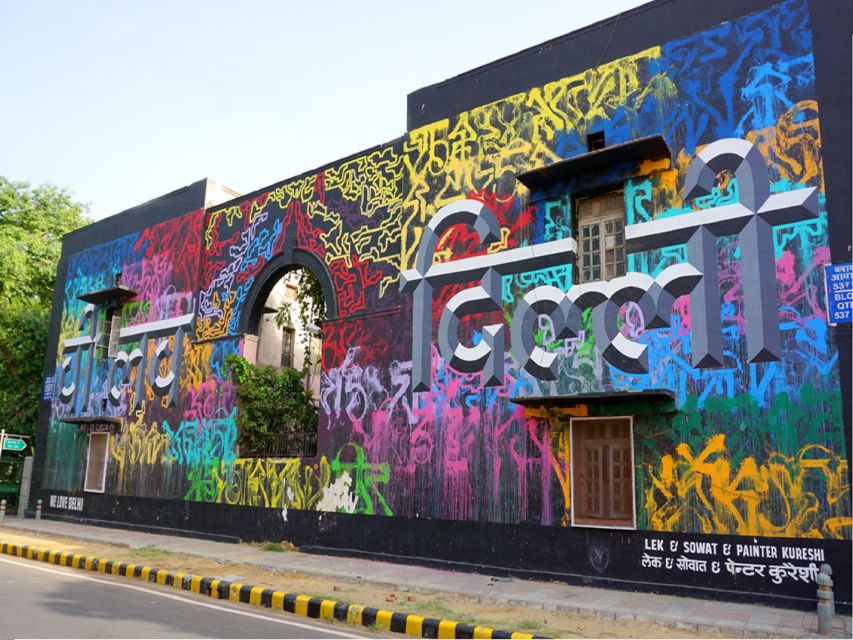
- Lodhi street art with concept themes: you’ll see painted walls with ideas about nature, origins, and life and death.
- Conversation that adds meaning: you’ll talk religious beliefs and local importance, which helps you photograph with context.
Why this Delhi photo walk is worth your time
Delhi can feel like visual overload. The trick is knowing where to stand, what to leave out of frame, and how to capture history without making everything look flat. This tour is built for that. It focuses on photography points many major tourists miss, so you’re not competing with the same crowd at the same angle.
I also like the balance: you get “big” monuments and then you pivot to quieter gardens and street art. That matters for your output. If you only shoot temples and tombs, your album ends up repetitive. Here, the route naturally changes your subject matter—stone details, greenery, street scenes, and doorways.
You can also read our reviews of more historical tours in New Delhi



Meeting at Safdarjung Tomb: where the tour really starts
You meet at the entrance gate of Safdarjung Tomb, at the ticket counter. That’s important because this is a timed, 2-hour experience. If you wander in late, you’ll miss the smooth start—the part where you build momentum and start making better frames quickly.
Expect a straightforward walking rhythm. You’ll be moving between places where photography is possible, and the guide’s job is to steer you toward what’s worth your lens time. If you’re the type who always brings too much gear, don’t. The tour restricts luggage or large bags, so travel light and you’ll stay comfortable.
Practical note: a comfortable pace helps because the route includes gardens and walking paths. Bring shoes you can trust for uneven ground and long stretches.
Safdarjung Tomb: setting your framing habits early
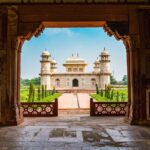
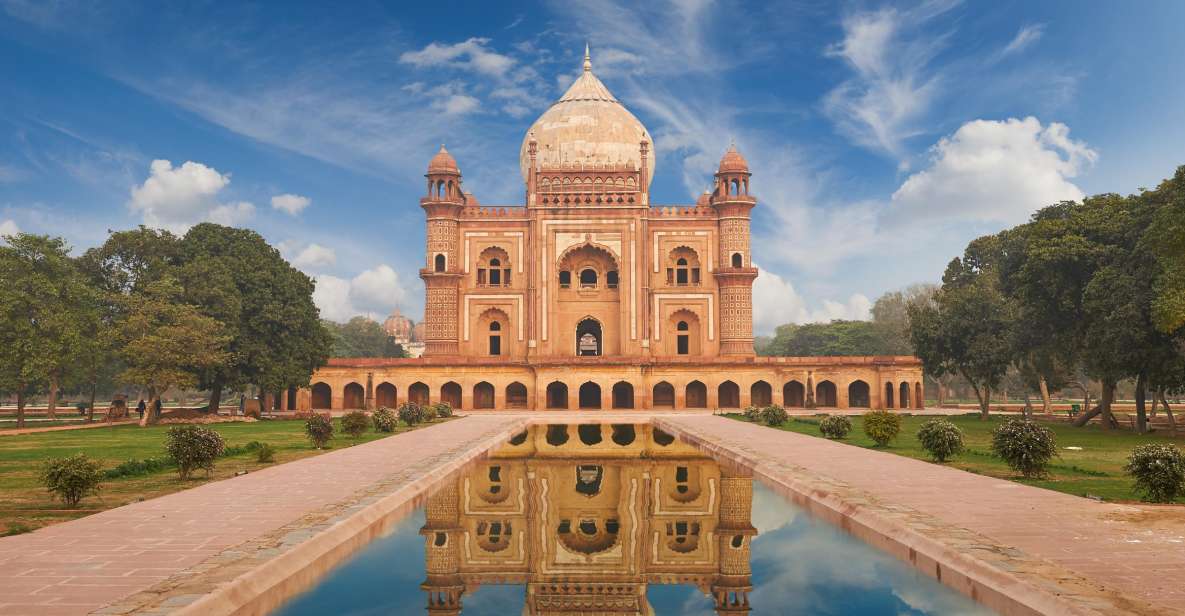
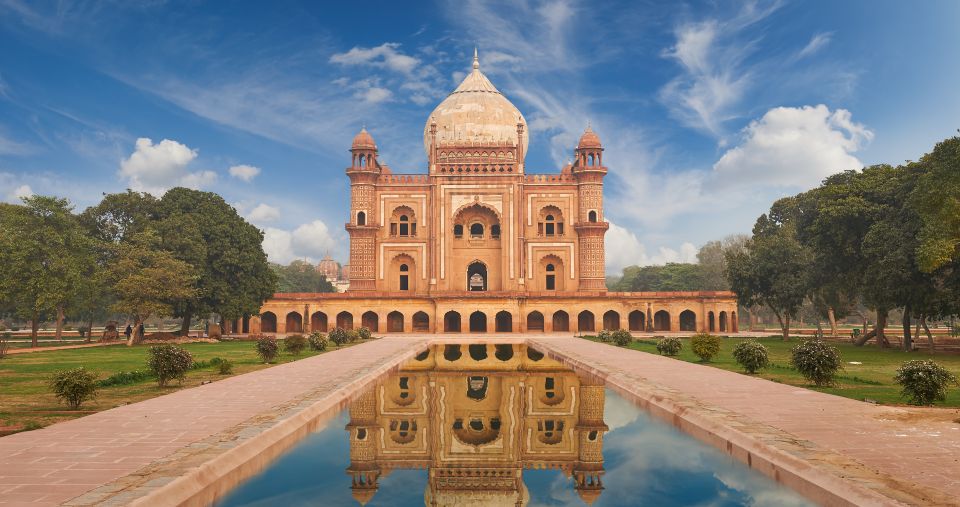
Safdarjung Tomb is the kind of place where your first photo often becomes your worst. Not because it’s hard to shoot, but because it’s easy to frame too wide and lose the story. On this tour, the guide pushes you to think about composition—how the monument sits in the scene, how light touches surfaces, and how to create depth instead of a flat postcard.
This is also your first chance to get the guide’s photography approach. You’ll receive photography tips, and the goal is practical: help you work faster and better without turning it into a lecture.
If you like shooting architecture, you’ll be able to focus on lines, symmetry, and small surface textures. If you like people-in-context shots, you’ll also have chances to capture the feeling of a living city around a historical structure.
Muhammad Shah Sayyid Tomb: history you can photograph with purpose
From Safdarjung Tomb, you move toward the Muhammad Shah Sayyid Tomb, where relics from Delhi history are displayed. This stop matters because it gives you content beyond the building itself. When a site includes displayed relics, your photos can tell a fuller story: the physical structure plus what it represents.
For photographers, this is a useful shift. You’re not only capturing architecture; you’re building narrative. A good photo here often comes from combining context—what you see on the walls or in the display—with an intentional close-to-detail frame.
Also, the tour includes time for conversations about the religious aspect, beliefs, and why places like this are important locally. That background can change how you shoot. You stop treating it like props for your camera and start treating it like a place with meaning.
Lodhi Garden and Rose Garden: when your photos breathe
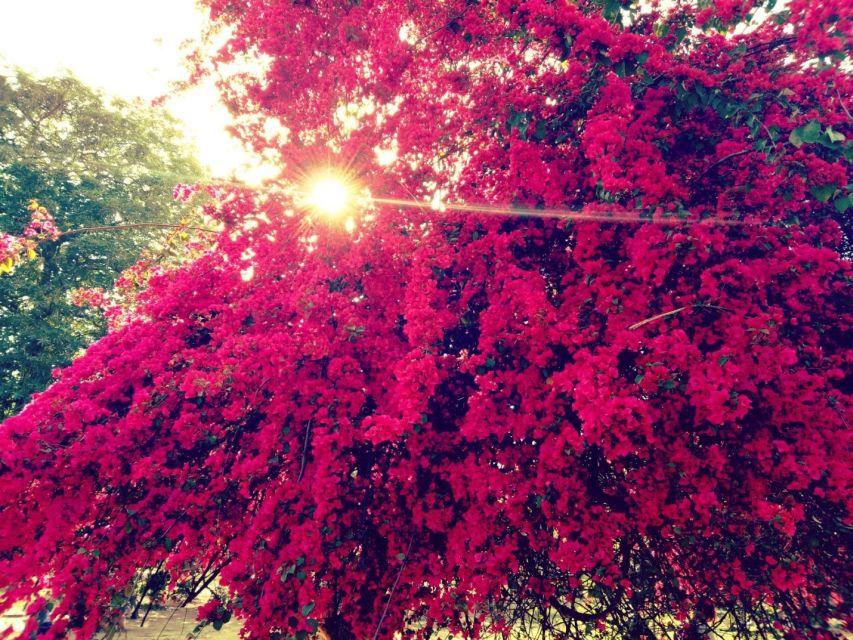
Then comes the part many people underestimate: the gardens. You’ll spend time at Lodhi Garden, described as the loveliest park in Delhi, and you’ll also walk through the Rose Garden.
This is where your album gets variety. Gardens give you three different photographic “jobs” in one place:
- nature details (leaves, flowers, patterns)
- architectural shapes (paths, edges, building lines)
- portrait-friendly framing (even if you’re not photographing people, you can use the garden structure like a soft background)
If you enjoy shooting trees and flowers, this stop is a strong payoff. It’s also a welcome break from stone. After tomb exteriors, the greenery helps your eyes reset, and your pictures get more dimensional.
One more practical benefit: gardens often let you slow your walking pace. That means you can take a second look at the light and refine shots instead of sprinting to the next landmark.
You can also read our reviews of more photography tours in New Delhi




Bara Gumbad, embassies, and the Athpula Bridge lake crossing
Between garden and the later Lodhi stops, you’ll pass centuries-old buildings, wide lanes, and embassies of different countries. Even if you don’t have time for long “tourist sightseeing,” this kind of street context makes a big difference. It helps your photos feel like Delhi, not just a set of monuments.
A key architectural highlight here is the Bara Gumbad, a 15th-century tomb and mosque. Mausoleums like this can look dramatic from far away, but your best photos often come when you shift your viewpoint for partial views—arches, roof lines, or repeating patterns. The guide’s photography tips help you avoid the default wide shot and find a frame that looks intentional.
Later, you’ll use Athpula Bridge to cross a lake. A water crossing changes your visual geometry instantly. Reflections and sky-space can add depth, and the horizon line gives your image a calmer structure. It’s also a nice tonal break: stone and garden turn into open air and water, which helps you keep your photo set varied.
Shish Gumbad, Sikandar Lodi Tomb, and Lodhi street art
As you get toward the end, you’ll visit the Shish Gumbad, described as the last lineage of the Lodhi Dynasty. Stops like this are especially good for photographers who like “detail first.” Domes and tomb silhouettes can be tricky, because you need a frame that doesn’t cut off important shapes. With guidance, you can aim for compositions that show the monument’s character while still fitting it into the surrounding streetscape.
You’ll also explore the Sikandar Lodi Tomb. It’s another strong architecture stop, and it helps round out the Lodhi-era theme of the route. If you’re building a coherent set, this is where your photos start to feel like a curated story: one dynasty’s monuments, one after another, with gardens and street art providing contrast.
Then the tour turns to something more modern: Lodhi street art. You’ll pass through painted walls with graffiti themes tied to nature, the origin of the world, and ideas about life and death. For photography, street art adds texture and symbolism. It can also refresh your composition choices—bright paint, different surfaces, and creative elements that don’t behave like stone.
If you want photos that feel current without ignoring the past, this is where you’ll likely get your most surprising images.
The guide factor: storytelling that helps your camera
This tour is run by a storyteller/guide who speaks English and Hindi, and the tour is offered in English, Hindi, and Spanish. That matters because you’re not just getting route information. You’re learning how to interpret what you see.
A big plus is the way the guide supports photographers. One review highlighted how Ameesha got in touch by phone so people wouldn’t miss the start, and how she was patient while letting photographers work without constant debate. Another review praised Rajeev as a very good, informative guide.
Even when you don’t share the same shooting style as your guide, this kind of flexibility helps. You can try your own angles and still benefit from tips that improve your results.
The religious and local importance conversations are also practical. When you understand what you’re looking at, your photos tend to become clearer. You stop shooting random details and start shooting meaningful ones.
Price and value: what $14 buys you in practice
At about $14 per person for a 2-hour tour, you’re paying for more than a walking guide. What makes it good value is that it includes:
- entry to all the photographic destinations
- photography tips
- one hot beverage
- a guide who handles context and conversation
Many budget tours include guidance only and leave you paying entry fees separately. Here, you’re covering access to multiple sites in one go. That’s what keeps the math friendly.
Two hours can feel short, but for photographers that’s often perfect. Delhi is huge. A tight route helps you focus your attention, and you come away with a set you can actually organize instead of a half-day of scattered stops.
Also, the hot beverage is small but real. After walking between tombs, gardens, and bridges, it’s a morale boost and a chance to recharge your hands and brain.
What to bring (and what to skip) so you stay comfortable
Bring comfortable shoes. That’s not a throwaway line. The route moves between gardens and monuments, and you don’t want your feet making decisions for your camera.
You should also plan for restrictions: no luggage or large bags. Travel light. A small day bag is the kind of thing that keeps you moving and keeps you from fussing at entrances.
Water bottle is not included, so you’ll want your own. Even if the tour includes a hot beverage, you’re still walking in Delhi, and hydration will keep you photographing with energy instead of slowing down to recover.
Also note suitability: it’s not suitable for pregnant women or wheelchair users. If you’re in either group, you’ll likely want a different format with easier pacing and access.
Final call: should you book this Delhi photo tour?
If you want a focused Delhi Heritage Photography Tour that mixes tombs, gardens, and street art without making you guess where to stand, I’d book it. The best reason is practical: you’re not only visiting places, you’re getting photo tips and context that make your images more intentional.
Skip the tour (or be extra cautious) if you’re planning to take it very slowly or if you rely on full accessibility accommodations. It’s a walking-based experience with constraints, and you’ll feel that in your schedule.
One last thought: because there was at least one reported case of a guide not showing up, don’t treat the meeting point like a vague suggestion. Go early to the Safdarjung Tomb ticket counter gate, verify you’re at the right entrance, and keep your day moving like you’re filming—you want control over your timing.
If your goal is a photo set with variety and story, this route delivers.
FAQ
How long is the Delhi Heritage Photography Tour?
The tour lasts 2 hours.
Where is the meeting point?
Meet your storyteller at the entrance gate of Safdarjung Tomb, at the ticket counter.
What’s included in the price?
It includes the English-and-Hindi-speaking storyteller/guide, entry to all photographic destinations, photography tips, one hot beverage, and conversations about religious beliefs and local importance.
Is a water bottle included?
No. Water bottle is listed as not included.
What languages is the tour offered in?
The tour offers English, Hindi, and Spanish.
What should I bring?
Wear comfortable shoes.
Is luggage allowed?
No luggage or large bags are allowed.
Can I get a refund if my plans change?
Yes. You can cancel up to 24 hours in advance for a full refund.