REVIEW · NEW DELHI
Dalai Lama Himalayan Trek
Book on Viator →Operated by Manu Adventures India · Bookable on Viator
Delhi feels like a movie set until the mountains steal the plot. This trek blends Tibetan spiritual life with five days of camping along old paths in the foothills of the Himalayas. You get big-city Delhi highlights first, then the calm of Dharamsala, and finally the kind of cold, clear mountain air that makes you sit up straighter.
Two things I like a lot: the way the route stays practical (transport links are handled, and meals are built in), and the strong support level on the trek. The camp comfort gets praise too, including warm, dry tents, thick mattresses, and fleece-lined sleeping bags. One consideration: this is not a casual stroll—your fitness level should be strong, and you should be ready for rougher footing and chilly nights high up.
You’re also paying for a lot more than “a trek.” At $1,463.90 per person, you’re bundling train travel, air-conditioned transfers, multi-day meals, and a guided, gear-supported camping experience—then capping it with a Taj Mahal day that turns the whole trip into a true grand finale.
In This Review
- Key highlights you’ll actually feel
- First day in Delhi: from airport tea to the Hanuman vibe
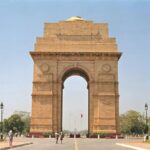
- Day 2: Akshardham, India Gate, and the kind of Delhi you don’t plan alone
- Day 3: Pathankot to Dharamsala—shifting from noise to prayer
- Days 4-7: the Himalaya trek—what donkey carry really changes
- Day 4 (Kareri): first rhythm, first village life
- Day 5 (Naddi View Point): rustic villages and better mornings
- Day 6 (Triund area, Manu Adventures Camp): bridges, rhododendrons, and Magic View tea
- Day 7 (Triund Hill): the first huge peak moment
- Camps and nights: comfort that earns its keep
- Day 8: descending into Dharamsala and switching to Tibetan-style dinner
- Day 9: cable car, tea plantation, cricket stadium, then the rail return
- Day 10: Taj Mahal day—rolling in for the emotional finish
- Day 11: last afternoon in Delhi—Connaught Place and a calm exit
- Price and what you’re really buying at $1,463.90
- Who this trek fits best (and who should think twice)
- Should you book the Dalai Lama Himalayan Trek?
- FAQ
- What’s the duration of the Dalai Lama Himalayan Trek?
- Where does the tour start, and what time?
- Is pickup included?
- Are meals included?
- Are train tickets included?
- What’s the maximum group size?
- Is the trek physically demanding?
- Are admission tickets included for major sites?
- If I cancel, is it refundable?
Key highlights you’ll actually feel
- Small group size (up to 35) keeps the trek and the cultural days easier to manage
- Trek support with donkey carry means you trek with day bags while gear moves camp to camp
- Camp comfort details matter: warm tents, thick mattresses, fleece-lined sleeping bags, and good food
- Dharamsala + McLeod Ganj time gives you real Tibetan exile culture, not just a drive-by
- Triund Hill payoff comes with first views of huge snowy peaks, often with that oddly quiet feeling up high
- Taj Mahal finale includes a celebration meal, so the day feels like a wrap-up, not a checkbox
First day in Delhi: from airport tea to the Hanuman vibe
You land at Indira Gandhi International Airport, get taken to your hotel, and then you can reset fast—shower, a quick bite, and a walk. One neat touch is the plan to start near the TWG Tea Boutique at the airport, which helps if your arrival timing is a bit chaotic.
Then the itinerary nudges you toward the Monkey Temple of Hanuman right away. In practical terms, that’s smart: you get one easy, walkable cultural stop before the longer travel days stack up.
If you’re arriving jet-lagged, this is a good first setup because you’re not committing to a long day immediately. Still, it’s a reminder to keep your first evening light—tomorrow is about Delhi moving fast.
You can also read our reviews of more hiking tours in New Delhi

Day 2: Akshardham, India Gate, and the kind of Delhi you don’t plan alone
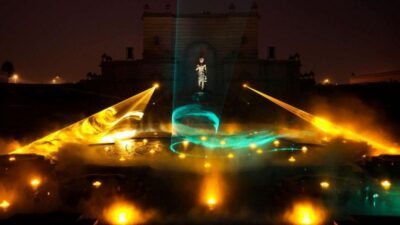
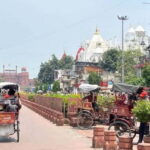
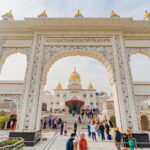
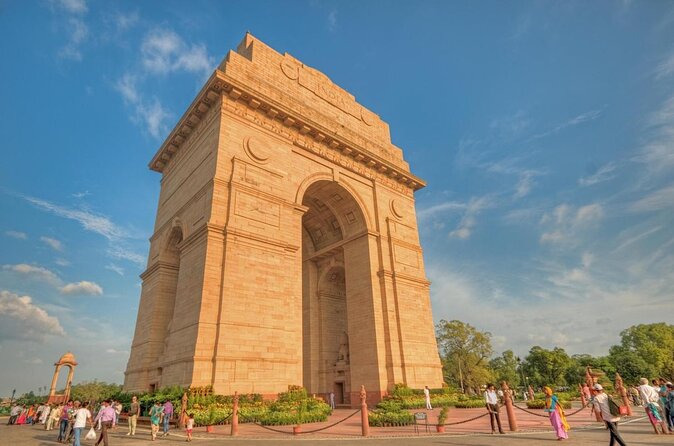
Today mixes iconic Delhi with a more “seen it, but not like this” feel. You’ll visit India Gate, then head to Akshardham Temple—an experience known for bright, glittering craftsmanship and a strong sense of sacred order.
Akshardham is popular, but the itinerary frames it as off the standard tourist track while still being widely loved. That matters because it can feel less like a stampede and more like you’re stepping into a carefully designed spiritual world.
If you like small moments, I’d lean into the in-between time too. A couple of practical hours gives you a buffer to wander, pause, and let Delhi register beyond the big photo stops.
Day 3: Pathankot to Dharamsala—shifting from noise to prayer
You start the day arriving at Pathankot station, where you’re taken for breakfast at a pleasant open-air restaurant. From there, you continue on to Dharamsala, check into your hotel, and get time to explore nearby areas.
This is the transition day that makes everything feel different. Delhi runs on traffic and schedules; Dharamsala starts to run on hills, quieter streets, and a different kind of everyday life.
Dharamsala is also your entry point into Tibetan exile culture. Even when you’re not doing a formal sightseeing circuit, the atmosphere changes fast—so use this day to acclimate mentally, not just physically.
Days 4-7: the Himalaya trek—what donkey carry really changes
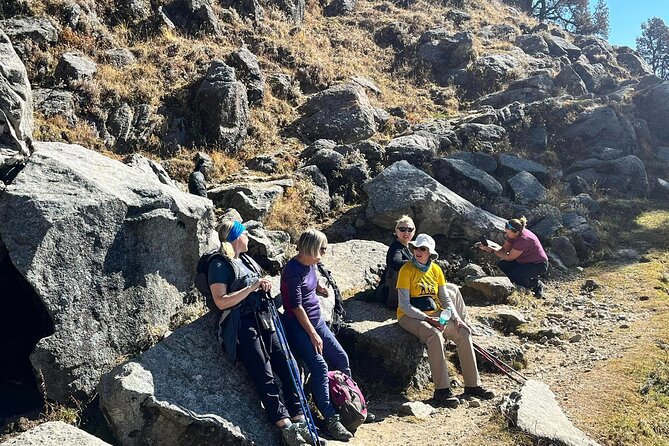
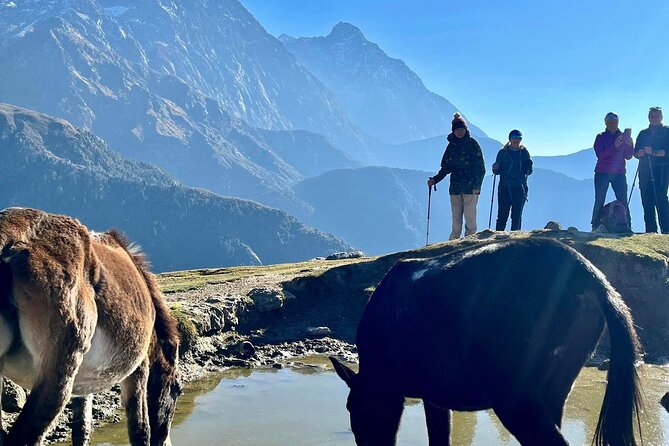
The trek starts when you meet your team and the donkeys. This isn’t a gimmick. Donkeys transport belongings, tents, and camp equipment from camp to camp, so you trek with just day bags.
For your comfort, that one detail is huge. You’ll still hike, but you’re not dragging your entire world on your back. That lets you focus on steady walking, breath control, and enjoying the changing views as altitude builds.
Day 4 (Kareri): first rhythm, first village life
After the donkey handoff, the hike begins through the foothills toward camp. The description highlights friendly, real village scenes—children who giggle, women caring for animals, and families living their day.
This is where I’d expect the most “human scale” walking. The path isn’t about conquering a summit with a stopwatch. It’s about settling into the pace and letting the mountain show itself step by step.
One practical consideration: even if the days are guided, you should expect uneven footing. Wear shoes you trust and keep your pace conservative.
Day 5 (Naddi View Point): rustic villages and better mornings
You’ll continue through rustic village areas where daily life mixes with the trek route. The itinerary points to families tending livestock—goats and cows—and that adds a grounded feel to the day.
The trek on Day 5 is described as gently undulating, which is a good setup after Day 4. You also get a meal rhythm that’s part of the experience: you can eat well even in camp settings, and breakfast in particular seems to be a standout.
If you want a strategy: wake up ready to walk, then let the day’s slow shape build. This is a trek where the best views often come when you’re not rushing.
Day 6 (Triund area, Manu Adventures Camp): bridges, rhododendrons, and Magic View tea
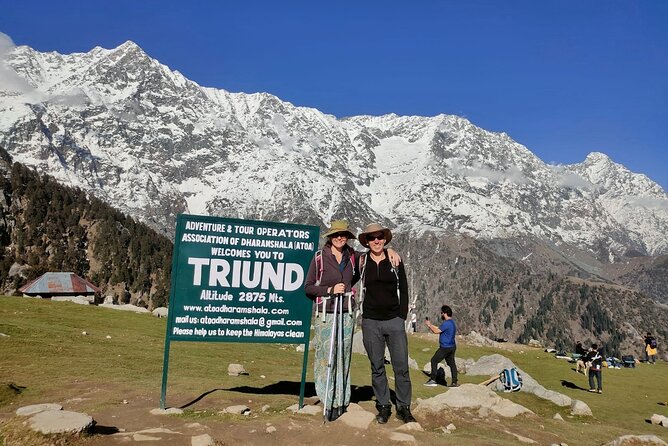
Day 6 starts crossing little bridges and moving through a forest of rhododendrons. You’ll then reach a camp area at Triund Hill, with a break at the “Magic View” tea spot.
The tea stop is a small detail, but it’s exactly the kind that makes a trek feel personal. It’s not just a pause—it’s part of how the route invites you to slow down and notice what’s around you.
This is also a day where the height builds steadily. If you’ve been comfortable so far, you’ll likely feel that shift now—slower air, sharper light, and cooler mornings.
Day 7 (Triund Hill): the first huge peak moment
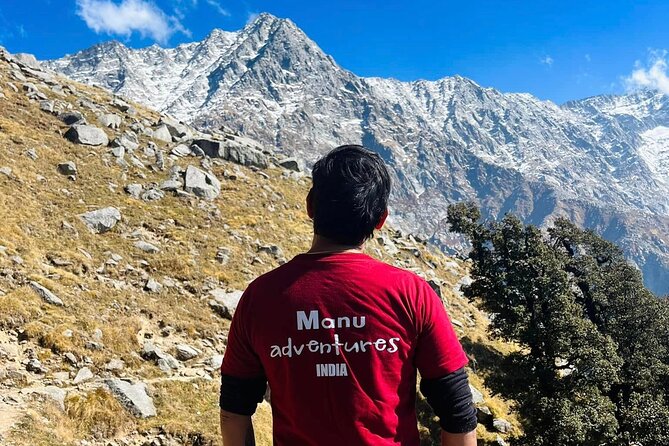
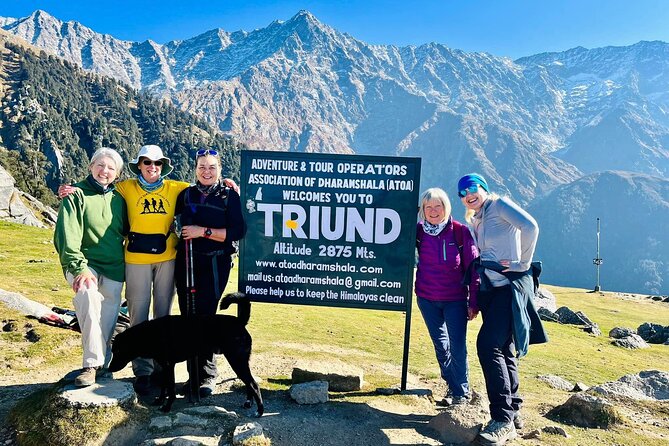
Today’s trek is described as steep and rocky in places, with a payoff: the first sight of huge peaks that dwarf you. That moment matters more than most people expect. It changes how you understand the whole trip.
There’s also mention of silence up there—an eerie quiet that makes even your thoughts feel louder. When you’re climbing, you tend to focus on the ground. When you reach that first big view, you remember why you came.
Practical advice: take breaks before you feel tired. On rocky, steep sections, you’ll hike better with short stops and steady breathing rather than pushing through until you’re drained.
Camps and nights: comfort that earns its keep
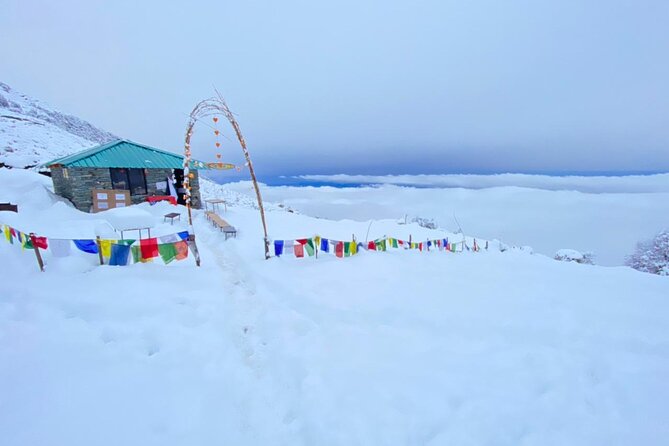
What surprised me in the shared experience is how much attention is given to camp comfort. The gear and lodging quality gets strong praise: warm dry tents, thick mattresses, and fleece-lined sleeping bags, plus meals cooked for you.
That doesn’t mean the mountains are soft. You should still expect cold and basic conditions compared to hotels. But you’re not dealing with the “rough camping” part alone. Support is real, and it’s the reason many hikers say they’d do it again.
Day 8: descending into Dharamsala and switching to Tibetan-style dinner
After your mountain morning, you’ll descend toward Dharamsala. The itinerary says you’ll go at your own pace, then arrive back for a shower and rest—exactly what your body will start craving even before you admit it.
That night includes a Tibetan-style feast. It’s a nice reset meal: hearty, comforting, and culturally tied to the region you’ve been walking through mentally since Day 3.
If you’ve been sleeping outdoors, this night can feel like a soft landing. Don’t plan anything intense afterward—let the day close gently.
Day 9: cable car, tea plantation, cricket stadium, then the rail return
Day 9 adds a modern, local side to Dharamsala and nearby areas. You’ll take the brand-new cable car from McLoudganj to Dharamshala, then visit a tea plantation and the world-famous cricket stadium.
Even if cricket isn’t your thing, it’s a useful contrast. You’ll see how the region blends everyday commerce and sports culture with the Tibetan spiritual identity that dominates much of your earlier time.
Then you transfer to Pathankot railway station in the evening and head toward the next leg. If you’ve got a camera, this is a good day to keep it accessible—the cable car and tea areas tend to reward quick stops and easy framing.
Day 10: Taj Mahal day—rolling in for the emotional finish
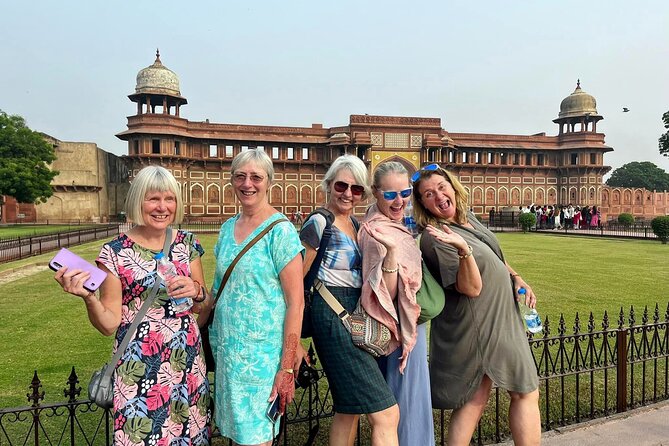
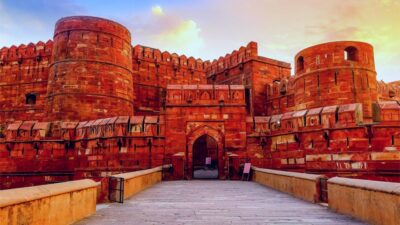
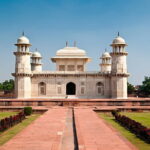
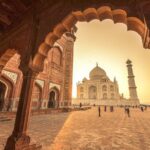
No India trip feels complete without the Taj Mahal, and your plan treats it like a finale. You’ll travel from Agra for the visit, and the day includes a celebration meal nearby.
This is where the value of the whole itinerary becomes obvious. The trek days aren’t random “activity time.” They set up a shift from altitude and silence to a monumental, historic masterpiece that’s visually intense and emotionally heavy.
Practical tip: Taj Mahal days reward patience. Go slow once you’re there—let the light and details do their work. If you rush, you miss the best part.
A nice detail from shared experiences: the accommodation style tied to the Taj Mahal segment is praised, including rooftop views for the right kind of end-of-trip atmosphere.
Day 11: last afternoon in Delhi—Connaught Place and a calm exit
After your return toward Delhi, you get a final afternoon. The itinerary gives you two easy choices: shopping at Connaught Place or a last look at beautifully preserved areas.
This last day is intentionally loose. That’s good travel design because it gives you room to recover from the trek without losing momentum.
If you want souvenirs, Connaught Place is the practical move. If you want calm, pick one historic or preserved area and give it time—short, focused wandering beats trying to see everything.
Price and what you’re really buying at $1,463.90
This isn’t just a budget trek. For $1,463.90 per person, you’re paying for several things that cost real money to arrange and run:
- Train tickets included, plus the long-haul segments that connect your route
- Air-conditioned vehicle transfers on the non-walking days
- A full meal plan: dinners and breakfasts across most days, plus lunches during trek segments
- Guided trek logistics, including camp equipment moving by donkey carry
- Camp gear quality you can actually feel at night (tents, mattresses, fleece-lined sleeping bags)
- Major attractions marked with admissions included, including the Taj Mahal day
So the price makes sense if you value stress-free logistics. If you love planning everything yourself—hotels, trains, guides, and trekking permits—then this model may feel expensive. But if you’d rather show up, follow the plan, and focus on walking and culture, you’re paying for that relief.
Who this trek fits best (and who should think twice)
You’ll probably love this if you:
- want a real trek in the Himalaya foothills with camping
- care about Tibetan exile culture around Dharamsala and McLeod Ganj
- like small-group travel and guided support
- want a trip that mixes spiritual sites, rural village life, and a world-famous finale
You should think twice if you:
- are not comfortable with a strong fitness level requirement
- hate cold nights or basic outdoor sleeping (even with quality gear)
- prefer ultra-flexible itineraries with no fixed pacing
This is for people who enjoy structure, but also want space to notice the small details—donkeys, tea stops, starry skies, and that first mountain-scale view.
Should you book the Dalai Lama Himalayan Trek?
I’d book it if you want more than a tour bus day. The strongest part is the combination: Delhi culture that sets context, Dharamsala’s Tibetan atmosphere, and then a trek where camp comfort and support help you focus on the walking and the views.
I’d pause if you’re aiming for a light hike. The route expects effort, and the payoff is tied to climbing and descending over multiple days. If that sounds like your kind of trip, this itinerary’s mix of logistics, meals, and camp gear is a practical way to make it happen.
In short: if you’re ready for effort and you want a journey that feels spiritual and real, this is an easy yes.
FAQ
What’s the duration of the Dalai Lama Himalayan Trek?
The tour runs for about 11 days.
Where does the tour start, and what time?
It starts at Indira Gandhi Intl Airport in New Delhi at 9:00 am.
Is pickup included?
Yes. Pickup/airport transfer is offered, and airport transfer is listed as included.
Are meals included?
Yes. Dinner is included for 11 days, breakfast for 10 days, and lunch for 5 days.
Are train tickets included?
Yes. Train tickets are included.
What’s the maximum group size?
The tour has a maximum of 35 travelers.
Is the trek physically demanding?
Yes. The information says travelers should have a strong physical fitness level.
Are admission tickets included for major sites?
Some admissions are included based on the listed stops (for example Akshardham and the Taj Mahal), while other stops are listed as free.
If I cancel, is it refundable?
No. The experience is non-refundable and cannot be changed for any reason.