REVIEW · NEW DELHI
Delhi Markets: A Cultural Shopping Experience with an Expert
Book on GetYourGuide →Operated by Taj Paradise Tour · Bookable on GetYourGuide
Delhi’s markets turn shopping into street theatre. A guided walk with a local market expert makes the experience far more useful than wandering alone, and you’ll get bargaining tips that help you spend with confidence. The only catch: some lanes get crowded fast, and not every guide style will match shoppers who want zero pressure.
I love the mix of market moods in just a few hours. You get the wedding-gear sparkle at Kinari Bazaar and the fashion-and-craft world of Janpath Market, plus in-between stops that smell like spices and street snacks. If you get overwhelmed easily by crowds or want a strict shopping checklist only, you may need to communicate your pace and budget early.
In This Review
- Key things I’d plan around
- Delhi’s Markets: Why This Shopping Tour Feels Different
- Getting Oriented Fast: Hotel Pickup and a Private Group Pace
- Kinari Bazaar: Wedding Accessories and the Art of Sparkle
- Matia Mahal and the Lanes Near Jama Masjid: Where Cooking Tools Meet Street Life
- Chandni Chowk Area and the Rickshaw Moment: Old Delhi at Street Level
- Janpath Market: Boho Clothes, Tibetan Trinkets, and Indie Finds
- Bargaining Without Getting Stuck: Practical Tips You Can Use Immediately
- Street Food Tasting: Optional, But Often the Best Memory
- Price and Value: Why About $9 Can Be a Good Deal
- Safety, Crowds, and Guide Style: How to Make It a Win
- Who This Tour Suits Best (And Who Should Consider Another Option)
- Should You Book This Delhi Markets Shopping Tour?
- FAQ
- How long is the Delhi markets shopping experience?
- What markets are included?
- Is the tour private?
- Do I need to pay extra for street food?
- Where do pickups happen?
- What languages are available for the live guide?
- What should I bring to shop?
Key things I’d plan around
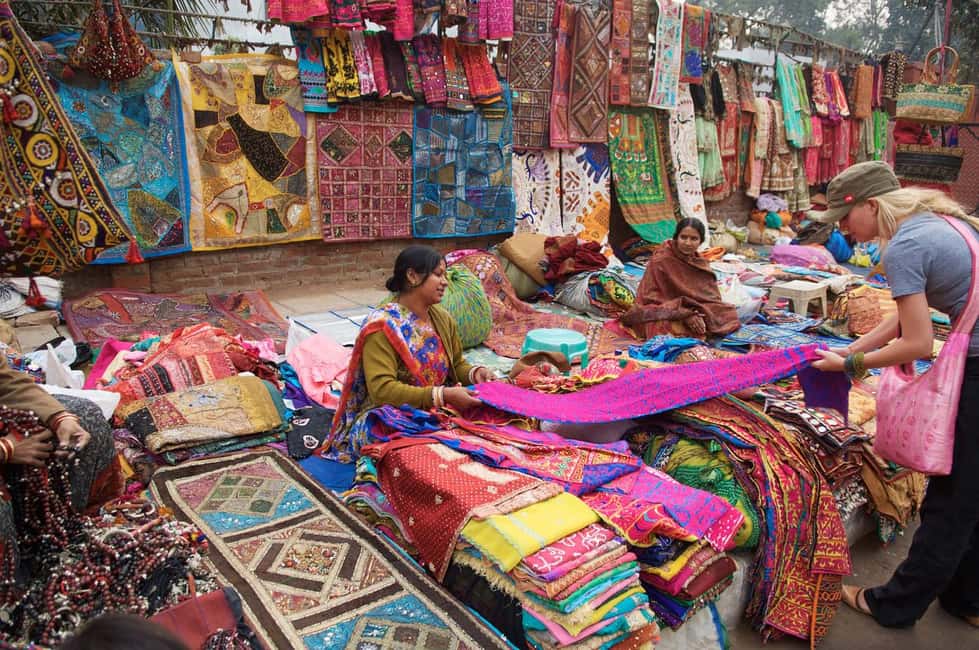
- Kinari Bazaar for wedding trims like embroidered accessories and glittery bangles
- Matia Mahal near Jama Masjid where kitchenware and street food energy overlap
- Janpath Market for boho and indie style including clothes plus small craft items
- Bargaining coaching so you can negotiate without feeling lost or rushed
- Optional street food tasting to connect the shopping with what locals eat
- Guide quality that affects everything, from patience and safety to how strongly shops are encouraged
Delhi’s Markets: Why This Shopping Tour Feels Different
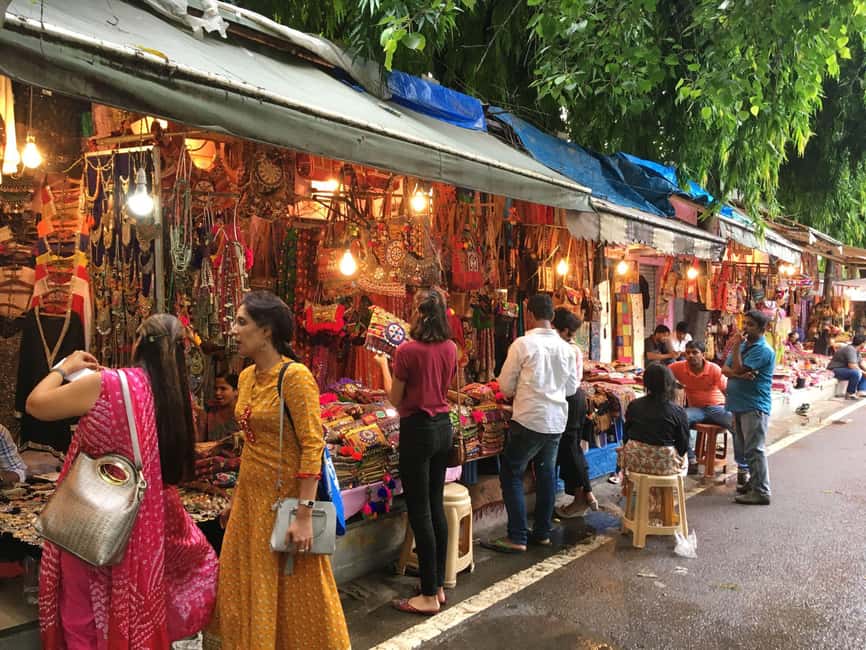
If you’ve ever bought a souvenir that looks great in photos but falls apart by week two, you already get why market guidance matters. This tour is built around walking Delhi’s most recognizable shopping areas with someone who knows what’s worth your time. You’re not just collecting stuff. You’re learning how the trade works.
I like that you’re shown markets with distinct personalities instead of doing one long shopping loop. Kinari Bazaar is a specialist zone for wedding accessories and decorative finishes. Matia Mahal has a different feel, with its lanes turning kitchenware and street food into the same conversation. Then Janpath shifts the mood again into a softer, boho-leaning style lane.
One more thing I think you’ll appreciate: the tour is designed for real decision-making. With a guide, you can compare materials and effort—hand-stitched, handmade, or machine-made—and you can ask direct questions without getting stuck behind language barriers.
You can also read our reviews of more shopping tours in New Delhi


Getting Oriented Fast: Hotel Pickup and a Private Group Pace
Your day starts with hotel pickup and drop-off, with options across Delhi, Gurgaon, Noida, Ghaziabad, Ghaziabad, Faridabad, and even from Delhi Airport. That matters more than it sounds. Old Delhi traffic and crowd patterns can be chaotic, so starting with a pickup saves time and stress.
This is also a private group, which changes the vibe. You’re not forced into someone else’s speed or shopping priorities. If you’re the type who wants to compare one craft stall carefully, you can. If you want to keep moving and only stop when something truly fits your style or budget, you can do that too.
English is offered, along with French, German, Hindi, Japanese, Russian, and Spanish. That’s a big deal here because the bargaining part and the material part both require clear communication.
Kinari Bazaar: Wedding Accessories and the Art of Sparkle
Kinari Bazaar is where you go when you want the kind of details that usually stay hidden on the shelf. Think intricate trims, hand-embroidered decorative work, wedding accessories, and yes—those glittery bangles that catch light from every angle.
What I like about starting here is that it sets a clear shopping goal. You’re not randomly sampling. You’re learning how one market specializes. Your guide can point out what looks impressive but is thin or poorly finished, versus what holds its shape and stitching quality.
This is also a great stop for photos, but not in a random way. You’ll get better shots when you understand what you’re looking at: embroidery patterns, trim density, and the way vendors display pieces to show texture. If you like fashion and craft, Kinari Bazaar gives you visual language fast.
Possible drawback to keep in mind: because it’s so focused on wedding and decorative goods, some items here may be more gift-like than everyday wear. If you’re only hunting practical souvenirs, you may need to ask your guide to steer you toward smaller wearable items or accessories.
Matia Mahal and the Lanes Near Jama Masjid: Where Cooking Tools Meet Street Life
Matia Mahal adds a totally different flavor—both literally and emotionally. This area is known for kitchenware, and it sits close to the lanes near Jama Masjid, so street energy is part of the shopping experience.
You’ll likely notice how vendors mix function with style. Some stalls focus on practical tools; others sell items that look made for display or gifting. Either way, your guide can help you separate durable goods from decorative look-alikes.
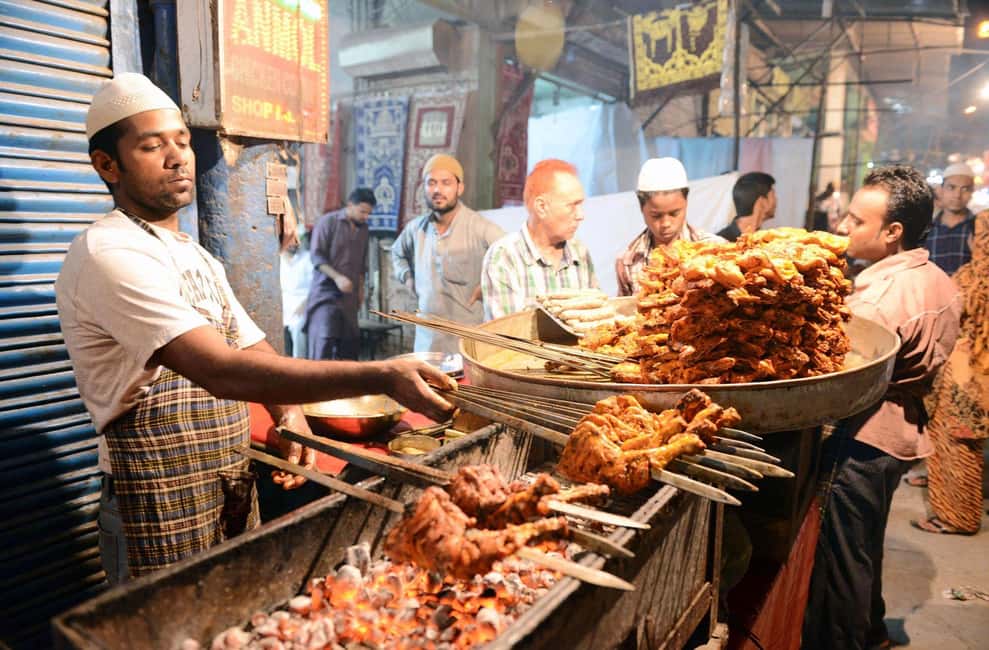
And yes, this is where the street-food atmosphere starts pulling your attention. If you choose the optional tasting, this is the kind of moment where it clicks: you see what people eat, smell what they cook, and understand why markets like this survive. Shopping becomes more than buying. It becomes context.
Watch-outs: the lanes near major religious and market areas can get crowded, and walking can feel fast when you’re inside dense traffic of people on foot. If you’re prone to getting anxious in crowds, it helps to agree on your walking pace with your guide right at the start.
Chandni Chowk Area and the Rickshaw Moment: Old Delhi at Street Level
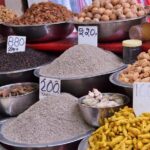
A highlight many people remember is time in the Old Delhi market zone around Chandni Chowk, plus the spice market vibe. That part matters because it gives you the sensory Delhi that photos don’t fully capture.
One of the standout guide qualities shown in the experiences shared with this tour is how they manage movement through tight, busy streets. Names like Samir and Aamir/Aamer come up for a reason: guides who escort you calmly through crowded lanes make the difference between feeling like you’re surviving a crush and feeling like you’re actually seeing the city.
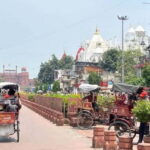
Another practical win: some tours include a ride on a rickshaw as part of the route flow. It’s not just a novelty. It helps you reset your bearings and gives you a moment to look around without having to negotiate every step on foot.
If you’re trying to shop for spices, snack ingredients, or anything that’s best bought fresh, this kind of market area works because your guide can help you spot quality and explain what to look for. You’ll still want to double-check packaging and freshness, but you won’t be guessing from scratch.






Janpath Market: Boho Clothes, Tibetan Trinkets, and Indie Finds
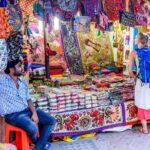
After the Old Delhi intensity, Janpath feels like a gear shift. This is the market for boho clothes, smaller craft objects, and those Tibetan-style trinkets and indie fashion pieces you see in travel wardrobes.
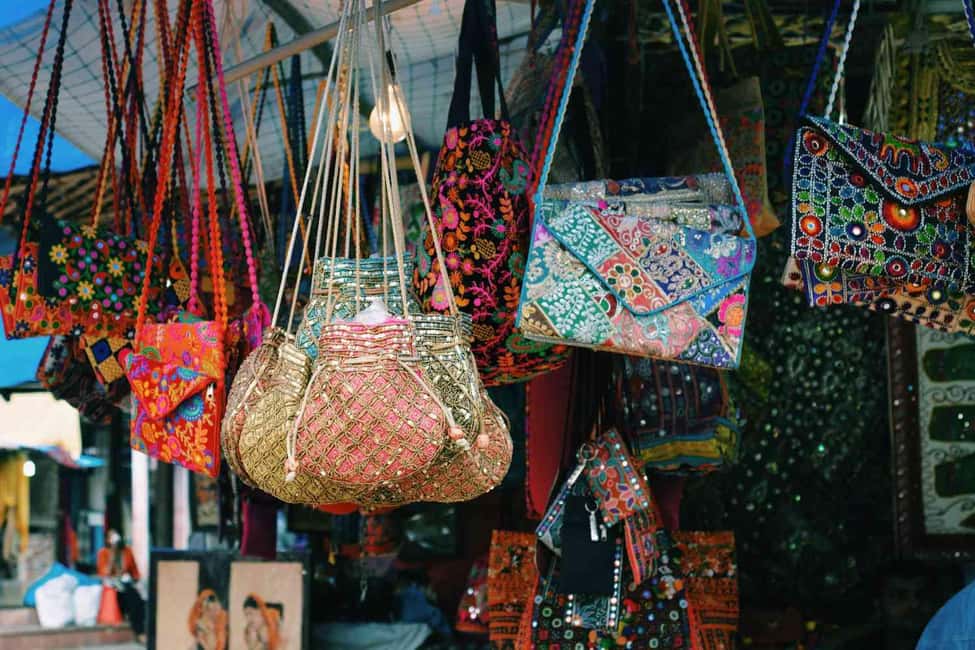
I like this stop because it supports multiple shopping styles. If you like fashion, you can hunt for wearable pieces. If you collect small crafts, you can focus on accessories and handmade decorative goods. And if you’re a photographer, Janpath gives you softer visuals: stalls arranged for browsing, textures up close, and more people styled for street look photos.
Guides named Riyaz and Arham are mentioned for friendliness and keeping things enjoyable. That matters on a market day because if you’re relaxed, you spot more. You notice the stitching, the print quality, the weight of fabric, and the little finishing details that separate handmade from mass-produced.
One consideration: markets like this can attract buyers who want to haggle hard. The best approach is the same as everywhere—ask, compare, and don’t let urgency decide for you. If you feel pressured, you can always pivot to the next stall and come back later if something still feels like a yes.
Bargaining Without Getting Stuck: Practical Tips You Can Use Immediately
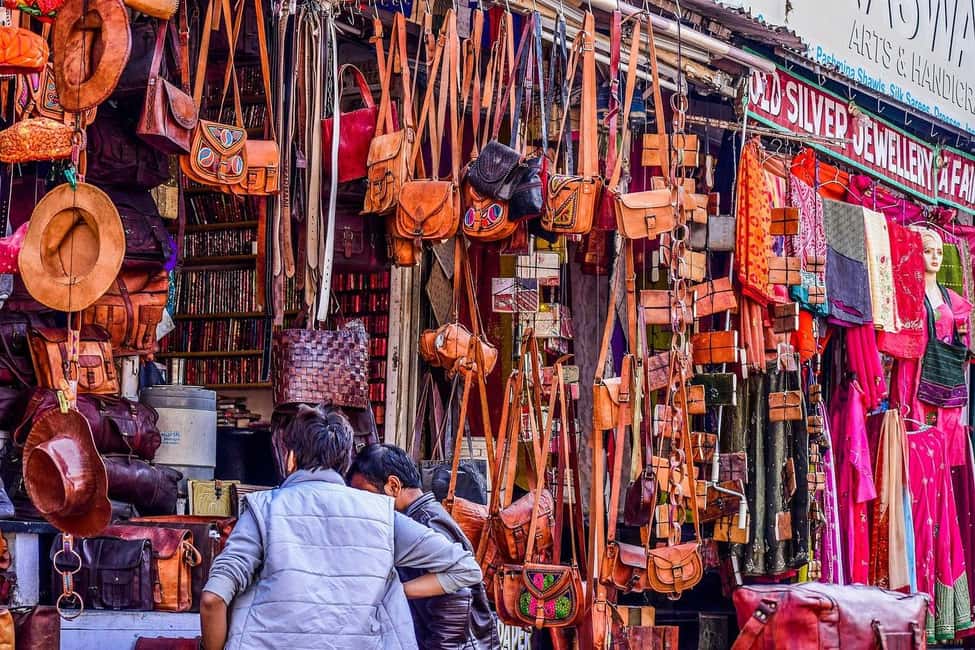
Bargaining in Delhi is not about one magic number. It’s about knowing what the goods are, what the craftsmanship costs, and how to negotiate without turning it into a shouting match.
This tour gives you bargaining tips designed for actual shopping. You learn how to ask questions about materials, how to read quality quickly, and how to spot high-quality handmade goods rather than being sold on looks alone. The goal is to help you feel in control while still respecting how vendors work.
Here’s how I suggest you use the coaching in real life:
- Start by showing genuine interest in the piece, then ask what makes it special.
- Compare two or three similar items so you have a reference point.
- Decide your budget before you start bargaining, so you don’t get emotionally hijacked by a nice salesperson.
- If you’re not sure, request the option with better finish or sturdier materials rather than negotiating only on price.
Also, bring the right payment tools. Credit card and cash are recommended, and having both keeps you flexible if a stall’s process is more cash-based.
Street Food Tasting: Optional, But Often the Best Memory
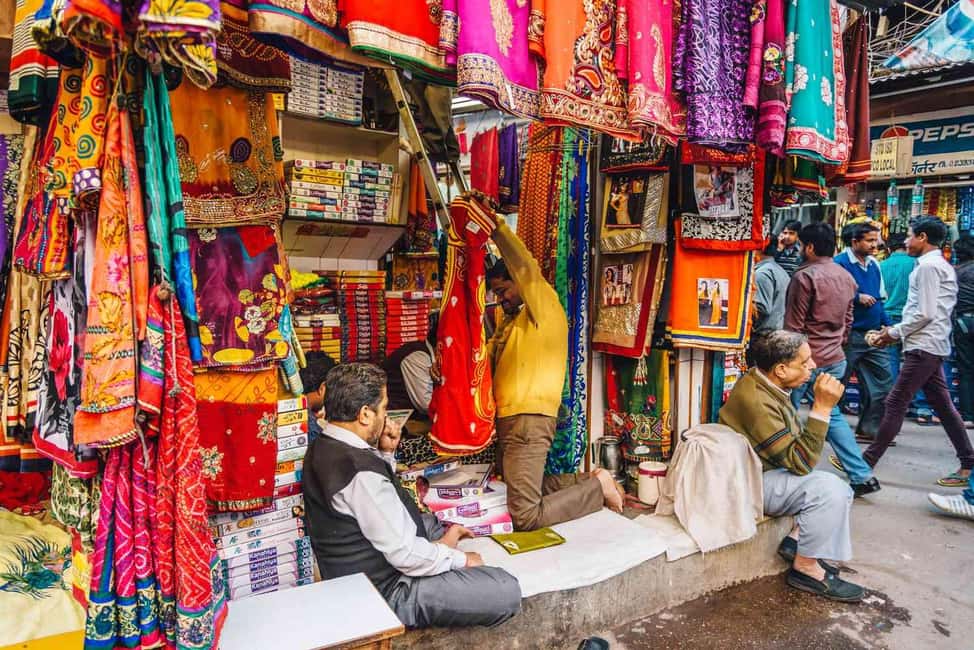
Food is where markets stop being theoretical. It turns your route into something you can taste and remember.
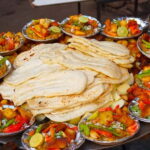
The tour offers street food tasting if you select that option. The big value here is not just eating. It’s asking your guide what to try, when to try it, and what’s appropriate for your comfort level. If you’re traveling with spice sensitivity or you avoid certain ingredients, you’ll do best by speaking up early.
I’ll be honest: street snacks can be fun, but they can also derail your shopping if you’re too full or if you’re chasing comfort over flavor. If you want a longer shopping focus, choose lighter tasting portions and keep moving.
And since you’ll likely be walking through spice-scented lanes, consider bringing a small wipe or hand sanitizer. It’s not required info here, but it makes the day smoother.
Price and Value: Why About $9 Can Be a Good Deal
At around $9 per person for roughly 4 hours, this tour can be excellent value—if you’re the kind of traveler who wants guidance rather than just sightseeing. You’re getting hotel pickup and drop-off, a local market expert, walking time through 3–4 handpicked markets, and bottled water. If you add the street food tasting option, you’re also covering snacks within that same time block.
Where you get real value is the decision support. A guide can help you avoid obvious low-quality purchases and can help you spend time where your interests match the market specialty—wedding accessories at Kinari Bazaar, kitchen and street food energy around Matia Mahal, then boho finds at Janpath.
If you’re someone who would wander for hours anyway, the guide can shorten that guesswork. If you prefer shopping alone to maximize your own bargaining style, it might feel less necessary. But for most people trying to shop for handmade goods and not just grab-by-price souvenirs, the value calculation changes quickly.
Safety, Crowds, and Guide Style: How to Make It a Win
Old Delhi lanes can be intense. That’s not a reason to skip them—it’s a reason to have a steady guide.
Names like Aamir/Aamer and Samir are connected with experiences focused on feeling safe in dense crowds and navigating jammed roads with confidence. Another guide, Amar, is mentioned as an experienced driver, which matters if you’re getting pickup and moving between areas.
Still, guide style can vary. One account highlights a less ideal match: a guide who gave little information and appeared to take people to shops with pressure to buy while staying outside. You shouldn’t ignore that possibility.
Here’s how to protect yourself:
- Be clear at the start about what you want and what you don’t.
- Ask for direct comparisons between quality levels.
- If you feel pushed, say you’ll think and move on. A good guide should respect your pace.
Who This Tour Suits Best (And Who Should Consider Another Option)
This tour fits best if you:
- Enjoy crafts, textiles, jewelry, or fashion accessories
- Want storytelling context while shopping
- Appreciate bargaining tips and quality guidance
- Like a plan that still allows browsing and choice
- Want a private group pace, especially if you’re shopping solo and would rather not manage crowds alone
It might be less ideal if you:
- Hate crowded walking environments
- Want zero bargaining and very fixed shopping stops
- Expect only practical purchases and not market variety
- Get frustrated if a guide’s approach focuses more on store visits than on learning and comparing
For solo travelers, this is often a smart format because you’re not left to figure out markets plus language plus negotiation alone. Guides described as patient and fun also make a huge difference on a day that includes intense lanes.
Should You Book This Delhi Markets Shopping Tour?
If you want Delhi shopping with brains and backup, I think this is a strong booking choice. The biggest selling point is not the markets alone—it’s the presence of a local expert who can help you spot quality, bargain more effectively, and keep the day moving without getting lost.
I’d book if you’re the kind of shopper who cares about handmade details and wants a little guidance so you don’t waste time. I’d also book if you like street-level experiences, including optional food, and you’re open to navigating crowds with a confident escort.
I’d hesitate if you’re very sensitive to sales pressure or you want a quiet, low-interaction shopping day. In that case, message your preferences early and be direct about your pace and budget.
FAQ
How long is the Delhi markets shopping experience?
It runs for about 4 hours.
What markets are included?
You’ll walk through 3–4 handpicked markets, including Kinari Bazaar, Matia Mahal (near Jama Masjid), Janpath Market, and additional local market stops.
Is the tour private?
Yes, it’s a private group.
Do I need to pay extra for street food?
Street food tasting is optional. If you choose it, it’s included under the selected option.
Where do pickups happen?
Pickup is available in Delhi, Gurgaon, Noida, Ghaziabad, Faridabad, and from Delhi Airport.
What languages are available for the live guide?
The live guide is available in English, French, German, Hindi, Japanese, Russian, and Spanish.
What should I bring to shop?
Bring both credit card and cash.